
Dynamic Posture Assessment & Kinetic Chain Training
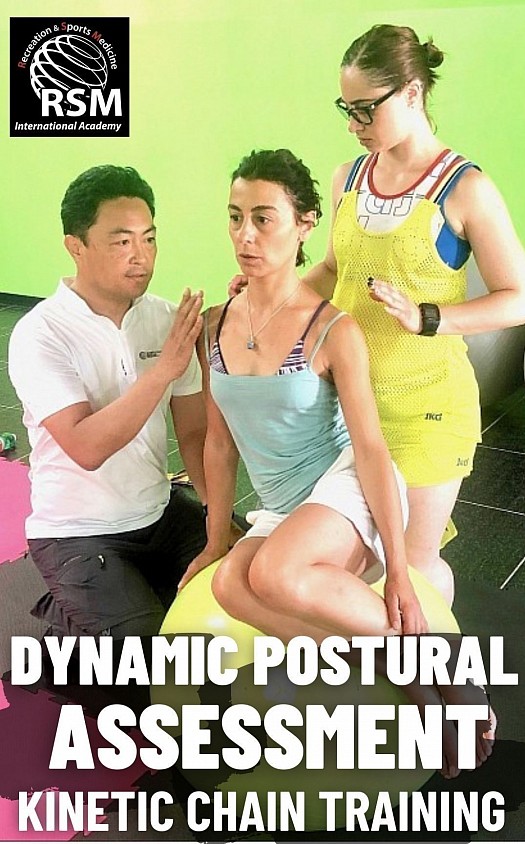
Dynamic Posture Assessment Course
Dynamic Posture Assessment for Functional Alignment and Pain Management in Sports Medicine
Dynamic Posture Assessment uses functional movement analysis to compare compensatory patterns, joint movement, loading and coordination through the kinetic chain.
Rather than evaluating only the painful area or following a fixed massage routine, students learn to observe how the whole body moves as a kinetic chain and identify which region may need to be assessed or addressed first.
🔸 Based on these sports medicine findings, students learn when to apply Trigger Point Therapy, Deep Tissue Massage, Dynamic Myofascial Release, Sports Massage, or corrective movement training, individually or in combination, according to each client’s movement and postural needs. Hironori Ikeda, M.Sc. Sports Medicine (RSM International Academy), reviews individual videos and gives direct feedback on support, weight transfer and task selection.
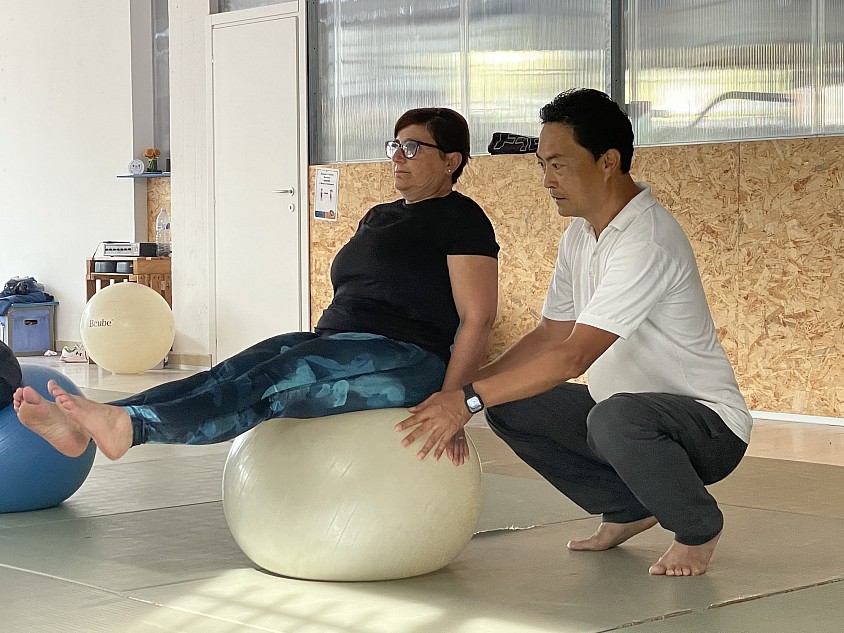
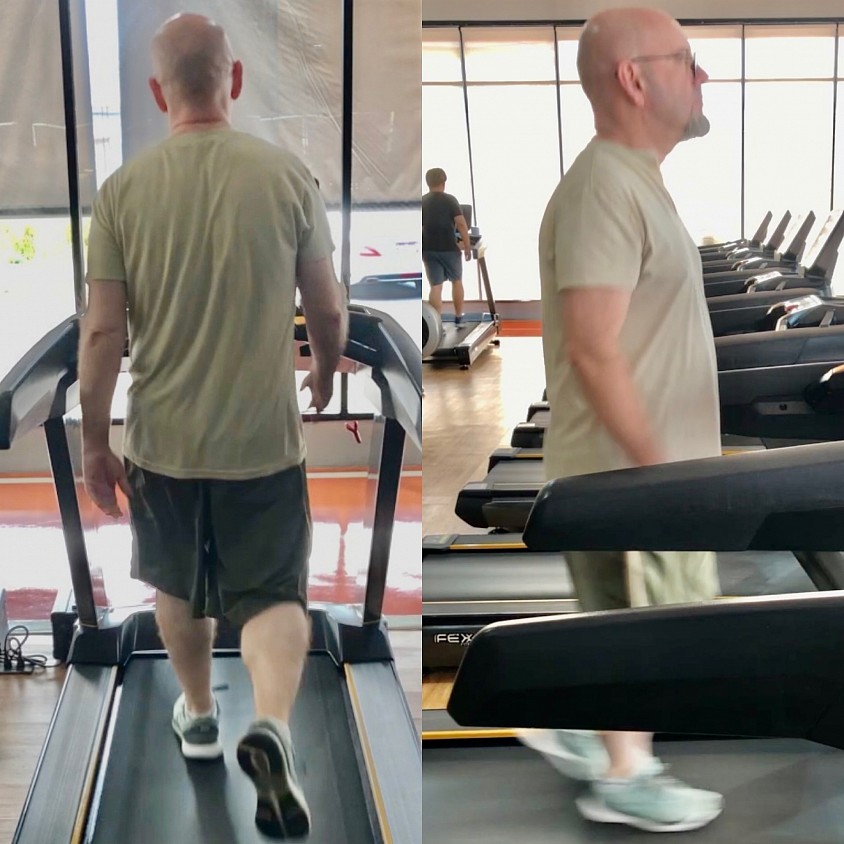
Kinetic chain screening
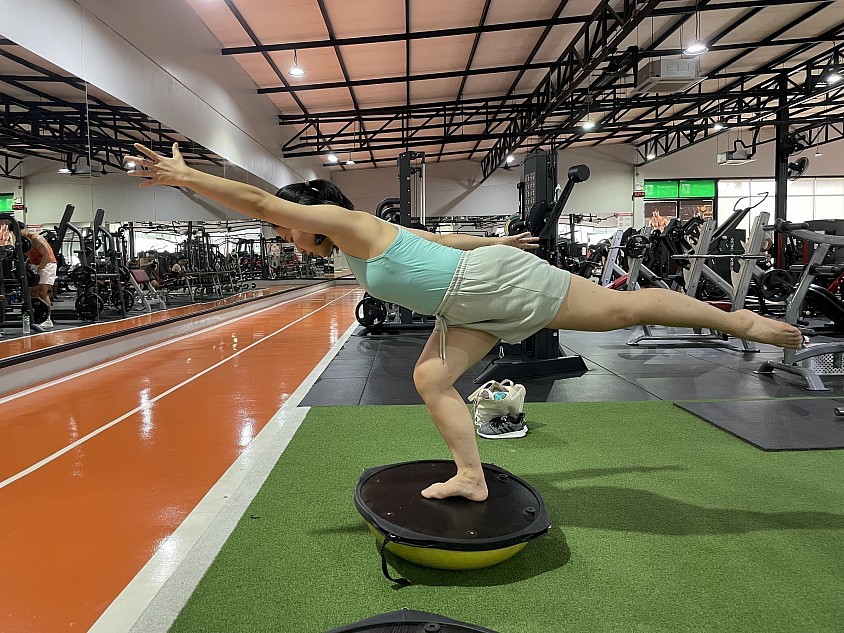
Single-leg balance assessment
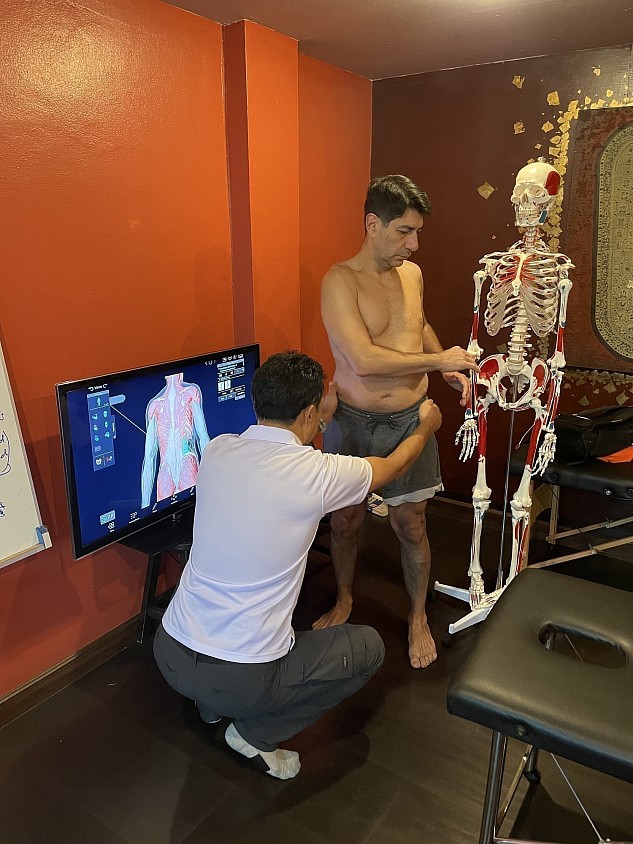
Pelvis and spine assessment
Spinal movement assessment
Course Fee & Schedule
🔸 Course Fee — THB 7,000 for the two-day course (8 teaching hours)
Saturday and Sunday, 10:00–12:00 / 13:00–15:00.
The total fee includes:
• Gym admission for both days
• Round-trip taxi transport to and from the gym
• Movement video recording and dynamic postural analysis
🔸 This course refines the practical application of RSM’s core methods—Trigger Point Therapy, Sports Massage, Deep Tissue Massage, and Dynamic Myofascial Release—through dynamic movement assessment, kinetic-chain analysis, posture correction, and functional assessment.
It is especially valuable for students who already have hands-on massage or sports massage skills and want to progress from simply applying techniques to understanding where the movement problem may be, what should be prioritized, and why a particular technique should be selected.
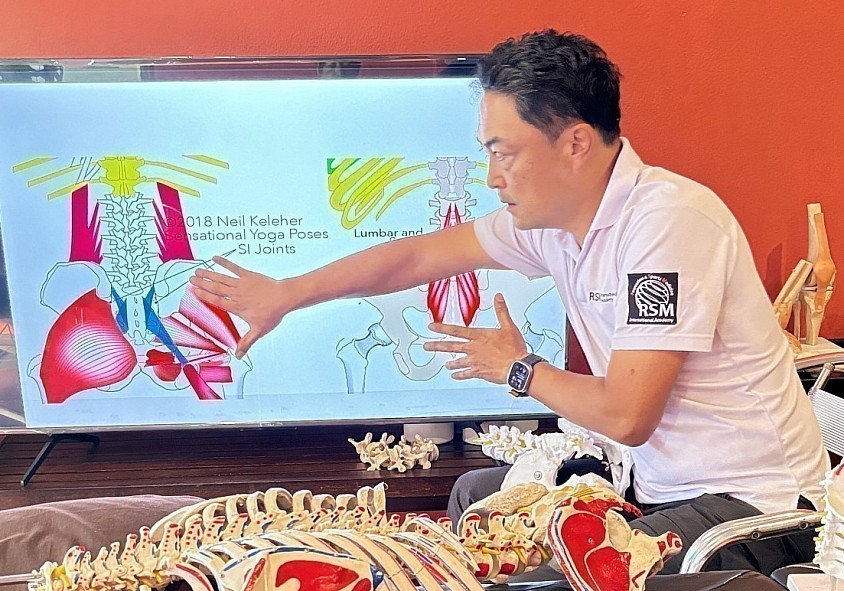
Kinetic chain assessment
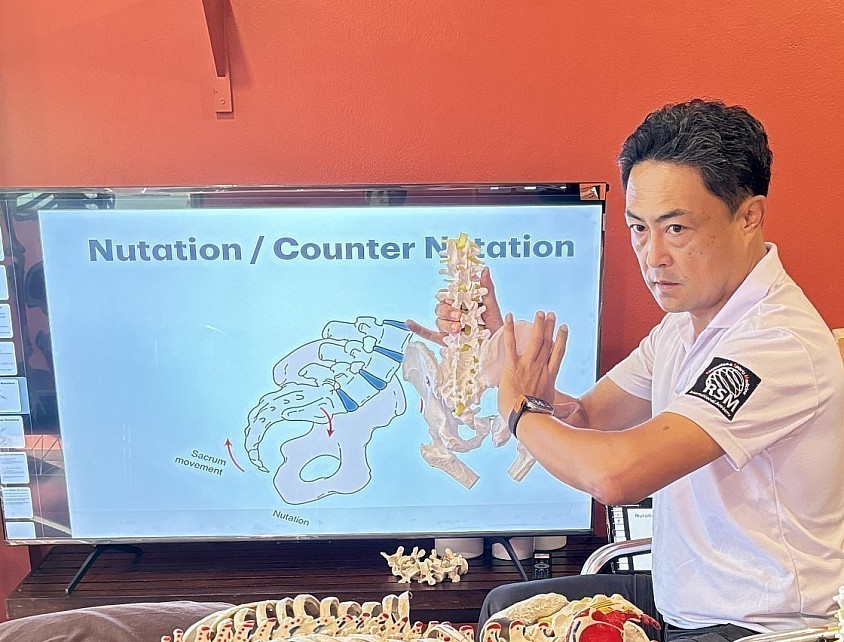
Lumbopelvic stability assessment
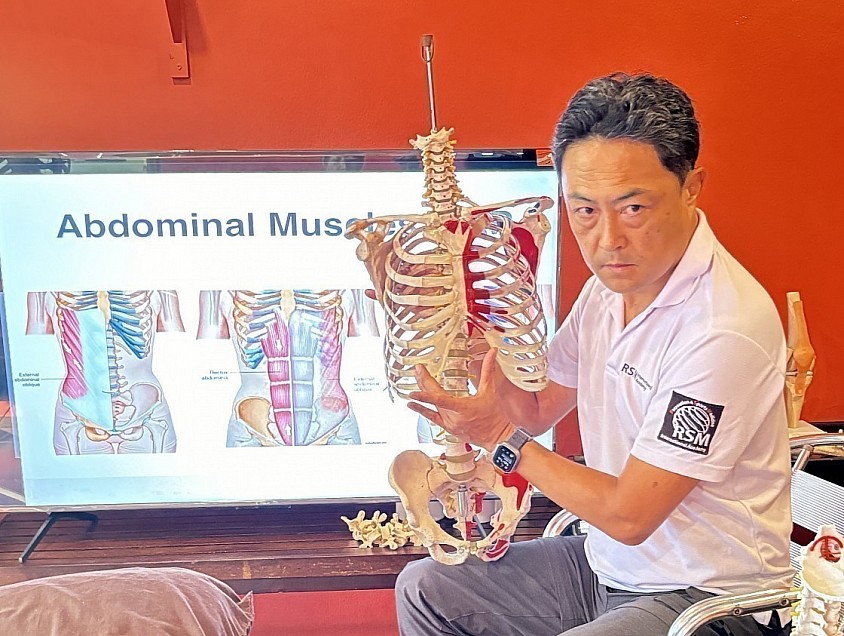
Pelvic stability training
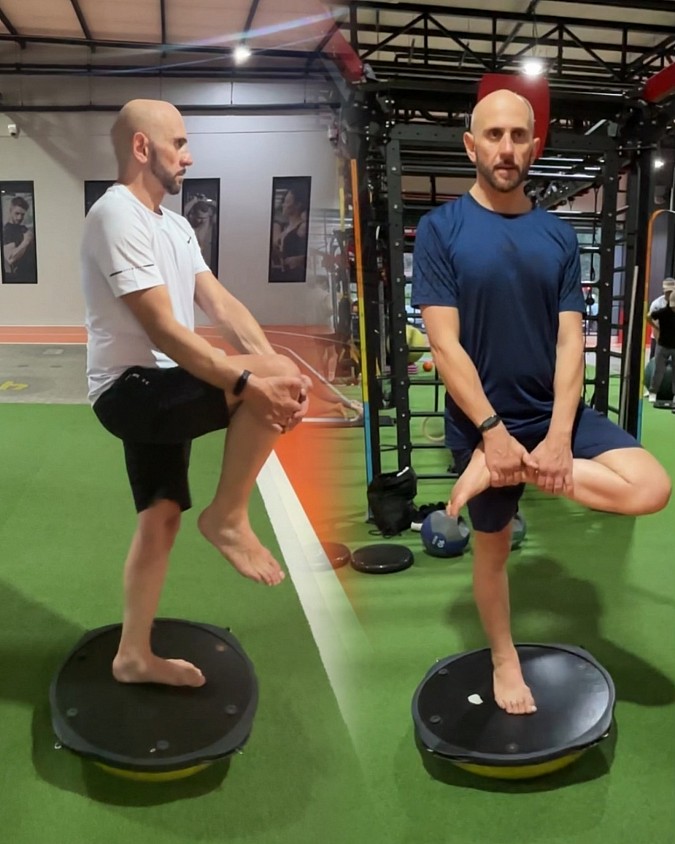
Individual posture assessment
Personalized Postural Assessment & Optimization — Learn from Nearly 30 Years of Sports Medicine Experience
This Dynamic Posture Assessment & Kinetic Chain Training Course combines individualized postural assessment with biomechanical and movement analysis to identify postural misalignment, habitual movement errors, and kinetic-chain compensation.
Each participant receives visual and practical feedback to better understand how their own posture and movement patterns influence mobility, pain, and physical performance.
🔸 Postural optimization and corrective training are adapted to each participant’s physical condition, lifestyle, and professional goals—from pain management and rehabilitation-oriented movement to athletic conditioning and sports performance.
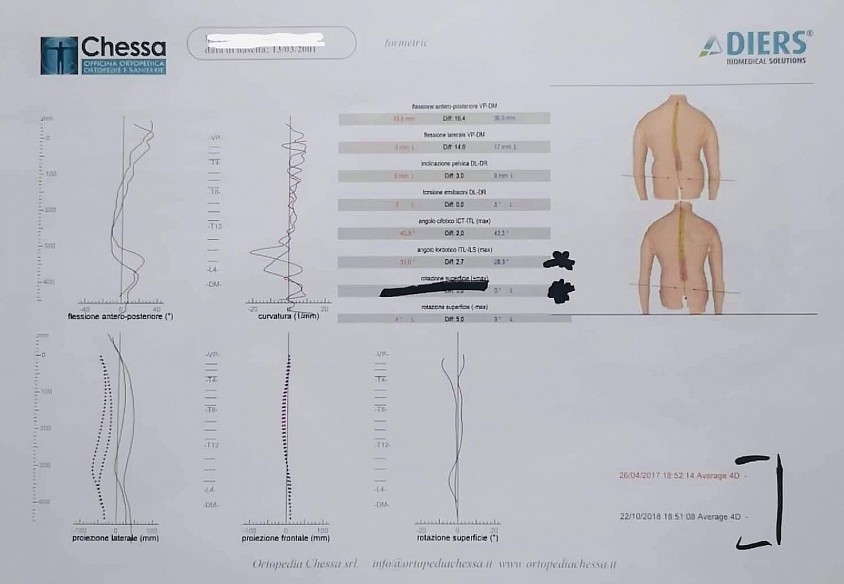
Spinal assessment report
Balance Ball Yoga™ — Neuromuscular Training Built on Core Kinetic Chain Dynamics
Balance Ball Yoga™ was developed by Hironori Ikeda through nearly 30 years of sports medicine, massage, movement, and performance training, building on his graduate studies in sports science at the University of Tsukuba, Japan.
The method combines unstable-surface training, proprioceptive input, neuromuscular control, and whole-body kinetic-chain coordination to develop dynamic postural stability.
🔸 Balance balls and unstable surfaces challenge the body to coordinate the feet, pelvis, spine, shoulders, and core as one kinetic chain, helping students understand how proprioception and neuromuscular control influence posture, movement efficiency, rehabilitation, injury prevention, and sports performance.
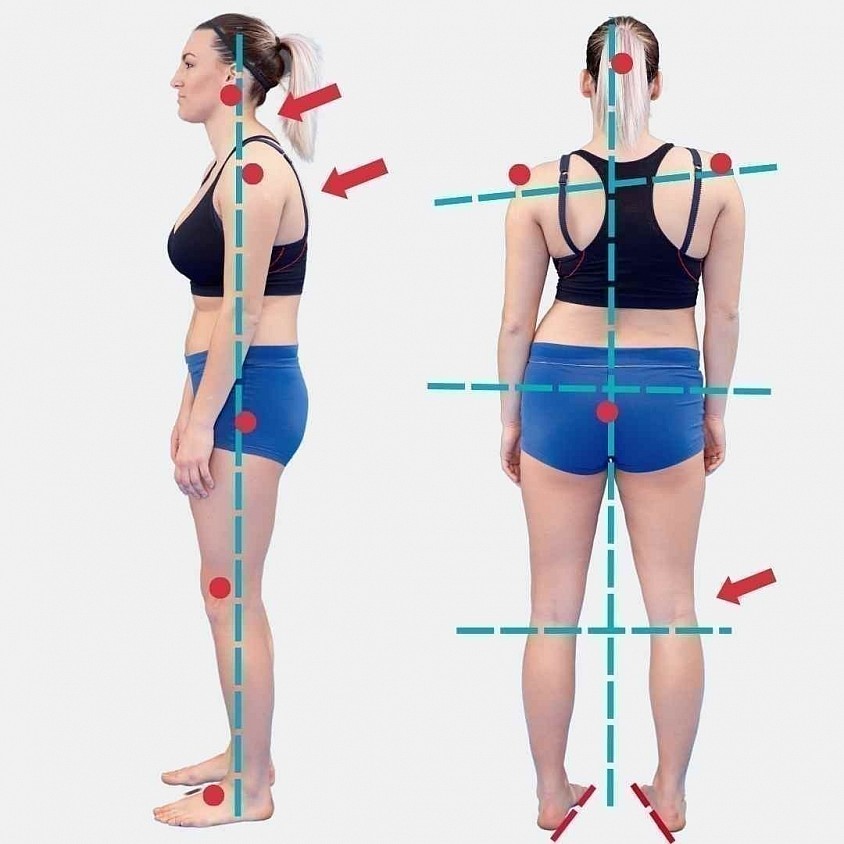
Posture diagram: side and back
From Static Observation to Dynamic Posture Assessment
Static postural assessment allows physiotherapists, sports trainers, yoga and Pilates instructors, and massage therapists to observe spinal alignment, joint positioning, and muscular tension.
However, static observation alone may not reveal restrictions or compensatory patterns that become visible only during walking, balance, spinal movement, shoulder movement, or other functional tasks.
🔸 Through Dynamic Posture Assessment and real-time movement analysis, students learn to recognize muscular imbalance, limited range of motion, asymmetrical loading, pain-avoidance behavior, and kinetic-chain compensation that static assessment may miss.
This is why RSM emphasizes dynamic movement assessment rather than relying only on static alignment.
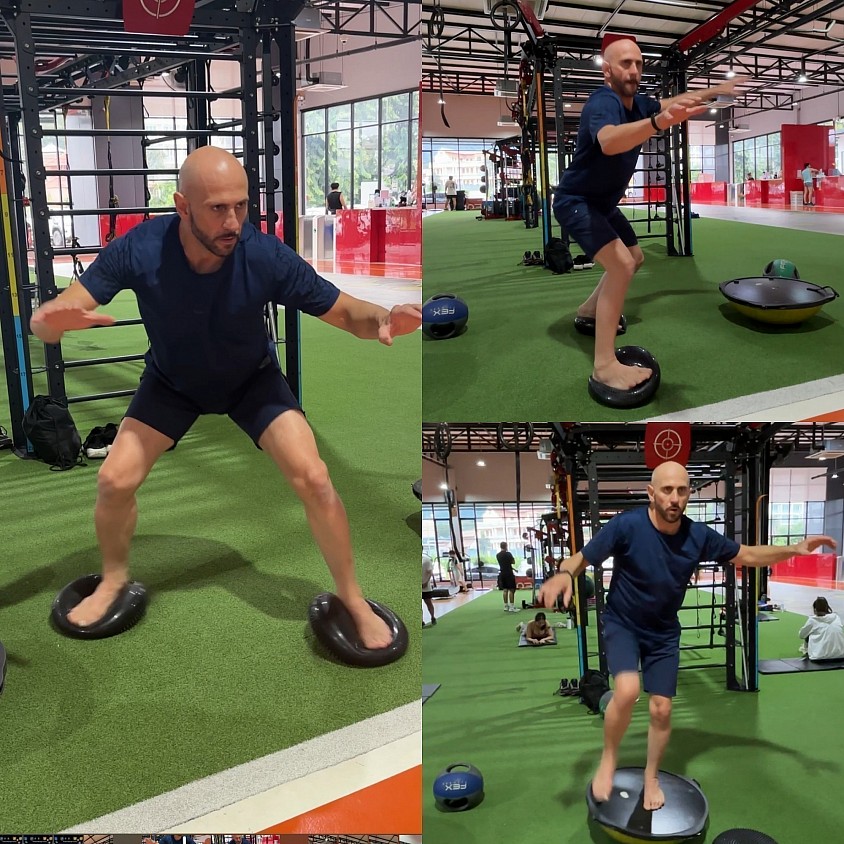
Kinetic chain training
Dynamic Postural Assessment for Kinetic Chain Dysfunction and Pain Relief
This practical module uses Dynamic Postural Assessment and kinetic-chain analysis to identify movement dysfunction, postural instability, and compensatory patterns under functional load.
Using BOSU balls, balance discs, balance balls, unstable surfaces, walking, and other functional movement tasks, students observe how the body responds and compensates in real time.
🔸 Students learn to recognize common patterns including Upper and Lower Crossed Syndromes, myofascial restrictions, neuromuscular imbalance, pain-avoidance movement, and post-surgical compensation.
Training integrates manual therapy, stretching, neuromuscular training, and corrective movement strategies according to each client’s condition and goals.
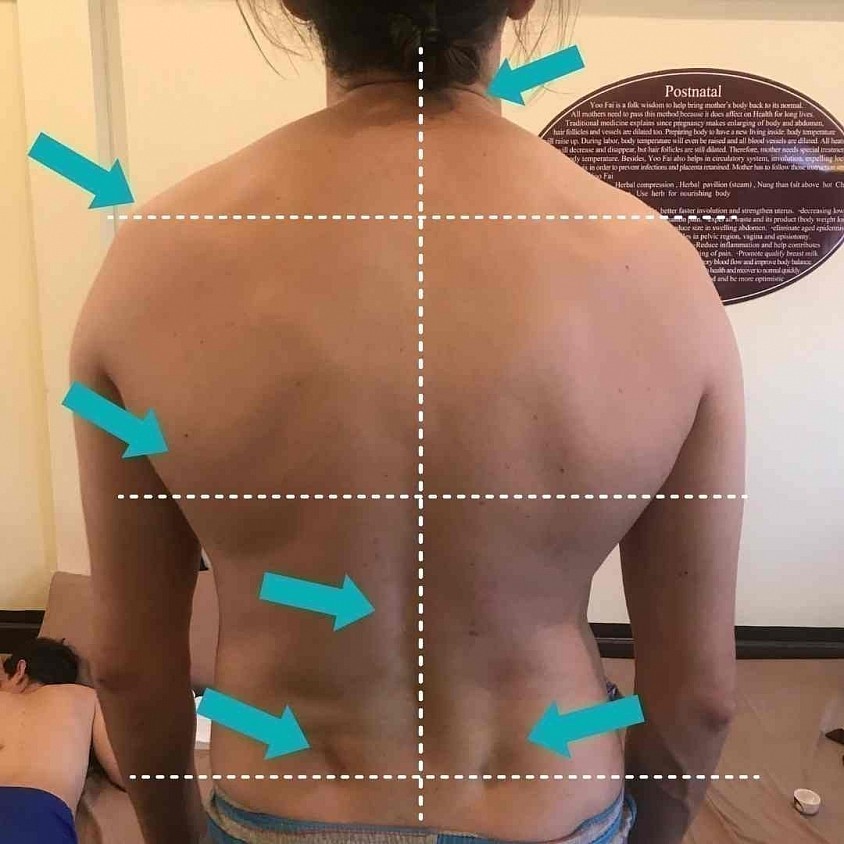
Postural assessment with palpation
Build Your Ability to Create Optimized Massage Protocols Through Dynamic Postural Assessment
Dynamic Postural Assessment and kinetic chain assessment help therapists understand how posture, joint mobility, pain-avoidance movement, and compensatory patterns may influence muscle tension and movement.
Rather than following the same massage routine for every client, students learn to observe movement, identify the priority area, and choose a more appropriate treatment strategy based on functional movement assessment.
🔸 This Dynamic postural assessment course helps students use movement findings to plan more individualized massage, posture correction, rehabilitation, and sports-performance work.
The training focuses on four core techniques essential for structural assessment and therapeutic application:
🔸 Trigger Point Therapy for clinical palpation and technique choice
🔸 Deep Tissue Massage for depth, contact and pressure control in relation to joint position
🔸 Dynamic Myofascial Release for integrating contact, support and passive movement
🔸 Breathing and Spine Mobility for relating breathing, rib movement and spinal mobility
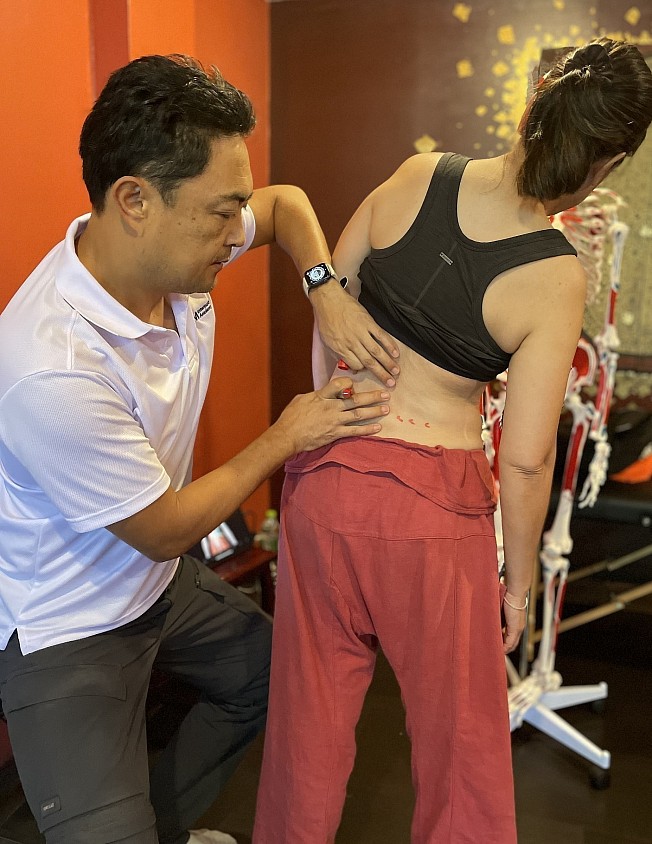
Lumbar palpation practice
Expert Review of Your Movement — Become Your Own Case Study
Even experienced therapists may not recognize their own postural compensation, movement asymmetry, and kinetic-chain imbalance until their movement is assessed from the outside.
During the course, Hironori Ikeda personally reviews your posture and movement, using practical assessment and video analysis to identify compensation, mobility restrictions, and movement patterns that may be difficult to notice yourself.
🔸 By experiencing the assessment on your own body, you learn how to recognize similar movement patterns in clients and develop a more accurate approach to massage, posture correction, rehabilitation, and sports performance.
RSM Dynamic Posture Assessment | Read movement to guide manual therapy and exercise choices
The body's individual characteristics become more specific when a person walks, stands on one leg, rotates or transfers weight. DPA develops the ability to use an observed movement to decide what deserves closer assessment and which manual technique or exercise task should take priority.
At RSM, foot loading and the relationships between the hip, pelvis, spine and shoulder girdle are considered as a kinetic chain. You examine differences between sides, range of motion, support strategies and compensatory patterns. Static posture is compared with changes during movement, connecting observation with palpation and muscle-function findings.
Video analysis, walking, balance and rotation tasks allow you to compare responses when the support surface or task difficulty changes. From these observations, you practise selecting an area for further assessment, a manual technique, a stretch or a movement exercise.
You do not need to be fluent in movement-analysis terminology before attending. Reviewing your own movement through video and practical work, and comparing what you feel with what can be seen from outside, makes the meaning of an assessment more concrete.
Hironori Ikeda, M.Sc. Sports Medicine (RSM International Academy), connects experience in sport, clinical practice and education with functional anatomy. Using your own body as a practical example, he relates movement, anatomy and palpation findings and explains which relationships deserve closer examination.
In small-group practice, he reviews each participant's video and movement, directly correcting support, posture, weight transfer and task selection. You repeat the same task before and after manual work or exercise to examine how the observations inform your next decision.
Reading movement and setting priorities are professional skills shared across massage, sport, yoga and Pilates. A broader basis for selecting a technique or movement task helps you develop existing skills into a service that responds more closely to the individual.
Dynamic Posture Assessment: participants, movement tasks and practical decision-making
This two-day, eight-hour practical course in Chiang Mai suits massage therapists, physiotherapists, sports trainers, personal trainers, yoga and Pilates instructors, and others who want to connect movement observation with manual-therapy or exercise decisions. It also helps you reconsider where, why and when to apply skills already learned in TPT, Sports Massage, DTM or related training.
You compare the foot, knee, hip, pelvis, spine and shoulder girdle in standing, single-leg support, balance, walking, running and rotation. Practical themes include functional kinetic-chain screening; lumbopelvic stability; lumbar, thoracic and cervical movement; shoulder and upper-limb coordination; foot loading, pronation and lower-limb alignment; treadmill walking; running; range of motion and pain-avoidance strategies; and video-based dynamic posture analysis.
Alongside the area reported as painful or stiff, you observe changes in loading, differences between sides, compensatory movement, muscle function and joint range. These observations are compared with palpation and functional anatomy. Changing support and task difficulty helps you consider proprioception and postural control when deciding what to assess next and in which order.
Practical work follows a sequence: assess the movement, organise the priority findings, select a manual technique, stretch or exercise task, perform it, and repeat the same task. Choices among TPT, Sports Massage, DTM, DMR and movement practice follow your qualifications and established skills. Reviewing your own movement through video and feedback provides experience you can use to individualise a session or exercise instruction.
