RSM International Academy | Advanced Sports Medicine Massage Education for Pain Relief, Posture Correction and Functional Movement
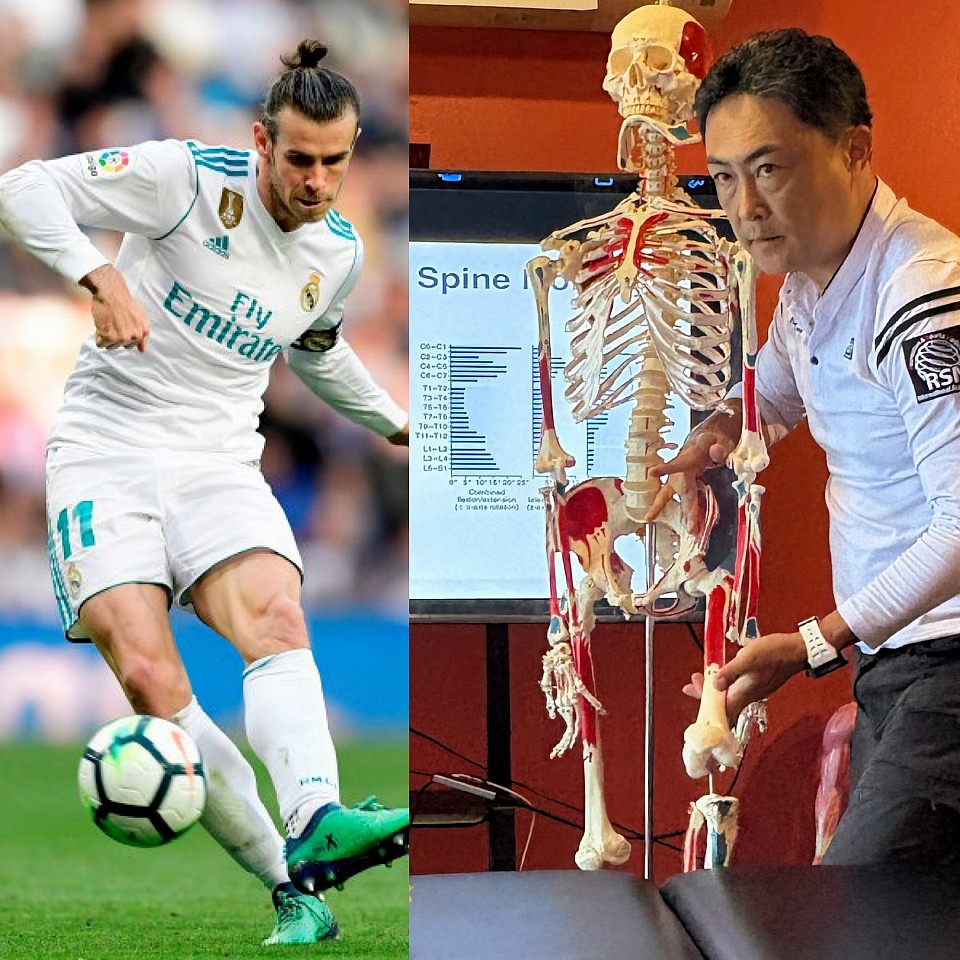
Posture Assessment and Manual Therapy
Sports Medicine Massage Training, Posture Assessment, Kinetic Chain Analysis and Clinical Manual Therapy
RSM International Academy is a premier sports medicine-focused massage therapy institution specializing in clinical manual therapy, posture assessment, and movement analysis.
The RSM Method equips therapists to accurately identify the underlying causes of musculoskeletal pain and provide personalized, evidence-based manual therapy through expertise in functional anatomy, clinical palpation, and kinetic chain assessment.
Established in Chiang Mai, Thailand by Hironori Ikeda, MSc in Sports Medicine, RSM draws upon more than 30 years of clinical and educational expertise in sports medicine and hands-on therapeutic practice.
Many treatments are ineffective because they target only the site of pain without addressing movement dysfunction. In practice, pain seldom originates from a single muscle or joint; it typically arises from dysfunction within the kinetic chain—the complex interaction of muscles, fascia, joints, nerves, and respiratory mechanics during load-bearing movement.
Consequently, RSM trains therapists using a structured clinical workflow: comprehensive interview and movement observation, posture and mobility evaluation, tissue-specific palpation, followed by precise manual therapy selection. This approach enables therapists to develop treatment plans tailored to each client’s symptoms, postural patterns, training requirements, and recovery objectives.
Our core training programs include:
- Trigger Point Therapy (Pain Relief)
- Deep Tissue Massage (Posture Correction)
- Dynamic Myofascial Release (Neurodynamics & Tissue Glide)
- Dynamic Posture Assessment and Kinetic Chain Training
Each program is designed to cultivate practical clinical reasoning and palpation expertise essential for effective pain management, mobility enhancement, and movement optimization in real-world settings.
Sports Medicine Massage School
Evidence-Based Manual Therapy Education Rooted in Sports Medicine
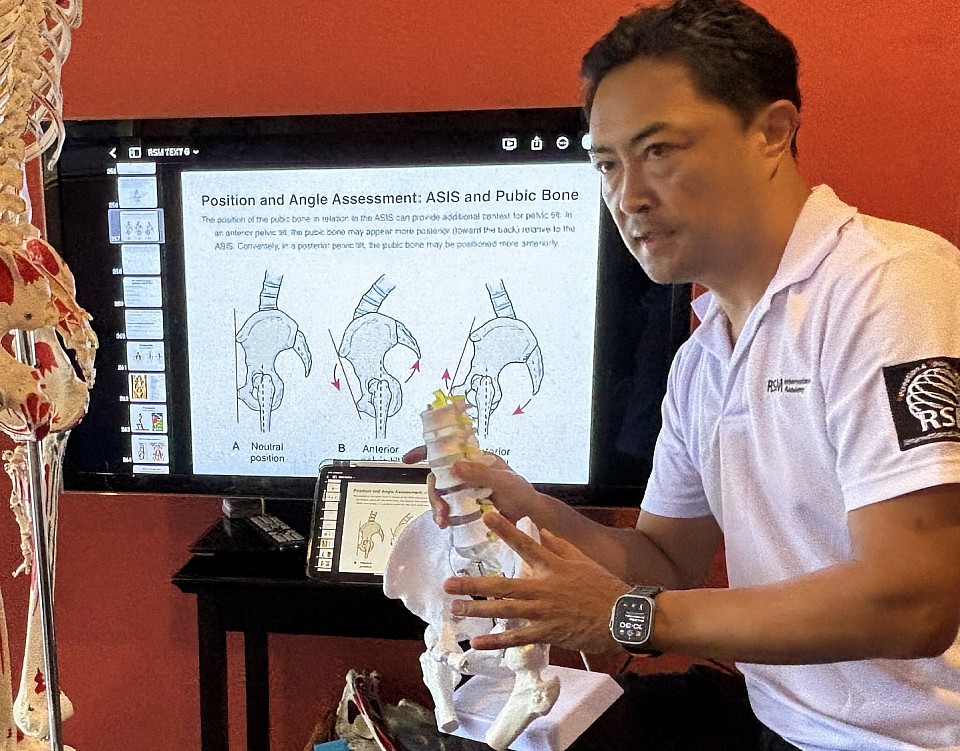
RSM International Academy provides evidence-based manual therapy education rooted in sports medicine, combining functional anatomy, movement analysis, and clinical palpation into a structured training system.
The program is built on the RSM Method, developed by Hironori Ikeda, MSc Sports Medicine, through more than three decades of clinical practice and therapeutic education in manual therapy and sports medicine.
Unlike conventional massage education that focuses primarily on techniques, the RSM Method emphasizes the relationship between functional anatomy, biomechanics, and movement behavior. Therapists are trained to understand how muscles, fascia, joints, and nerves function together within the kinetic chain, allowing them to identify the mechanical causes of musculoskeletal pain.
A distinctive feature of the program is its collaboration with the Faculty of Medicine at Chiang Mai University, where anatomical knowledge and manual therapy concepts are continuously reviewed and confirmed through academic cooperation.
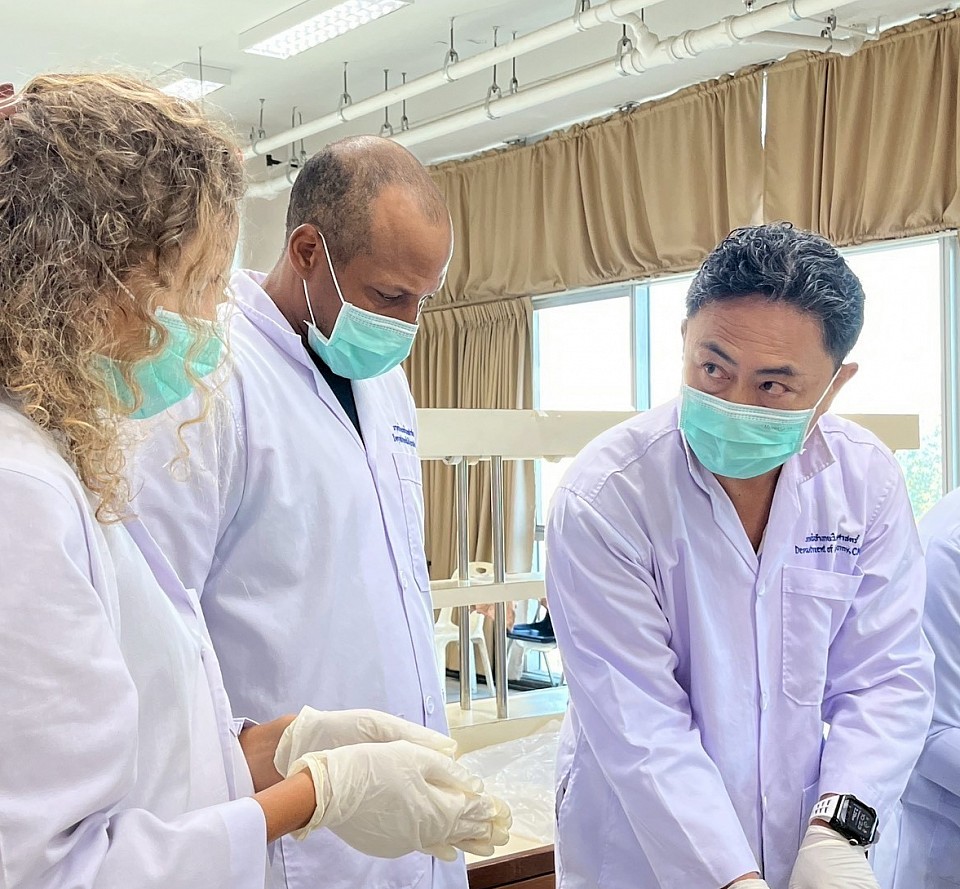
Through this partnership, therapists participate in cadaver-based anatomical training conducted three to four times each year, enabling practitioners to study real human anatomy and verify the structural relationships that support effective manual therapy techniques.
This integration of clinical practice and anatomical research allows therapists to apply manual therapy with a deeper understanding of tissue mechanics, joint function, and movement patterns.
Because of this structured and evidence-informed approach, the RSM Method has gained recognition among healthcare practitioners and leading wellness institutions. In 2025, therapists trained within this system were invited to provide professional training at Chiva-Som, internationally recognized as one of the world’s premier health and wellness resorts.
Through the integration of sports medicine, functional anatomy, and practical manual therapy training, RSM International Academy provides therapists with a clear framework for understanding and applying advanced manual therapy in real clinical environments.
Hironori Ikeda
Founder and Lead Instructor – Hironori Ikeda, MSc Sports Medicine
Hironori Ikeda, MSc Sports Medicine, is the founder and lead instructor of RSM International Academy, a training institution specializing in sports medicine–based manual therapy education.
With more than 30 years of clinical and teaching experience, Hironori Ikeda has focused on understanding how musculoskeletal pain develops within the human body and how manual therapy can restore efficient movement and functional balance. His work emphasizes identifying the mechanical causes of pain within the kinetic chain, where muscles, fascia, joints, and nerves interact continuously during movement.
Rather than concentrating only on painful muscles or isolated treatment areas, his approach analyzes the body as an integrated movement system. When mobility restrictions or instability occur in one region, compensatory movement patterns may develop elsewhere, eventually leading to chronic tension, reduced range of motion, and persistent musculoskeletal pain.
This perspective forms the foundation of the RSM Method, an educational framework that integrates sports medicine principles, functional anatomy, clinical palpation, trigger point therapy, deep tissue techniques, and dynamic movement assessment.
A distinctive aspect of this educational philosophy is the integration of academic anatomy with practical manual therapy training. Through collaboration with the Faculty of Medicine at Chiang Mai University, anatomical knowledge obtained through medical education and cadaver-based anatomy workshops is incorporated into therapist education.
Students at RSM International Academy learn how muscles, fascia, nerves, and joints interact within the kinetic chain, enabling therapists to apply manual therapy techniques with greater anatomical precision and clinical reasoning.
Over the years, therapists and healthcare professionals from diverse disciplines—including massage therapists, physiotherapists, chiropractors, medical doctors, sports trainers, and wellness practitioners—have participated in RSM training programs.
In addition to the Chiang Mai campus, Hironori Ikeda has conducted professional workshops and manual therapy training programs internationally across Europe and Asia, including Germany, Switzerland, Italy, Spain, Ukraine, Vietnam, and Japan.
Courses have been delivered in the following countries:
- Germany (Berlin, Saarbrücken)
- Switzerland (Zürich)
- Italy (Cagliari, Sassari)
- Spain (Barcelona, Valencia, Estepona, Palma, Manacor)
- Ukraine (Kiev)
- Vietnam (Hoi An)
- Japan (Tokyo, Osaka, Kumamoto, Chiba)
These programs emphasize evidence-based manual therapy rooted in sports medicine and functional anatomy, helping therapists develop a deeper understanding of human movement, pain mechanisms, and effective therapeutic intervention.
Hironori Ikeda has also been invited to provide specialized training for therapists at international wellness resorts, including Chiva-Som Hua Hin, widely recognized as one of the world’s leading health and wellness destinations.
Through decades of clinical practice and international teaching, Hironori Ikeda continues to develop the RSM educational system with the goal of helping therapists understand the biomechanical origins of pain and the therapeutic role of manual therapy in restoring movement and function.
Hironori Ikeda is recognized for developing the RSM Method, a sports medicine–based manual therapy education system integrating functional anatomy, kinetic chain assessment, and clinical palpation for therapists worldwide.
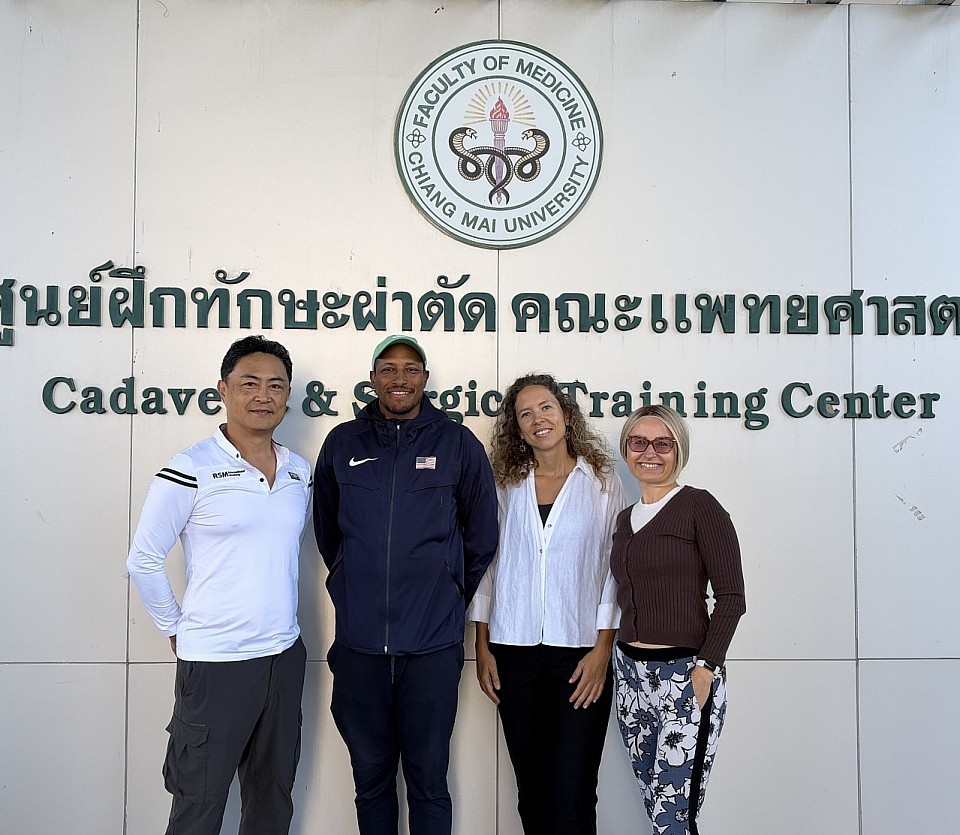
Cadaver & Sergical Training Center at Chiang Mai University
Advanced Palpation Training and Functional Anatomy at RSM International Academy
Loss of elasticity in adjacent fascia can hinder the glide of neural structures passing through the region, potentially resulting in symptoms such as radiating pain, numbness, or persistent muscular tension. A comprehensive understanding of the interaction between muscles, fascia, and neural components is essential for accurate manual therapy.
At RSM International Academy, palpation training progresses systematically from superficial to deeper anatomical layers. Initially, students are taught to assess the mobility of the superficial fascia beneath the skin, a critical layer for distributing tension throughout the body and often indicative of underlying movement dysfunction.
After mastering superficial assessment, therapists advance to evaluating deeper structures, including muscular compartments and fascial planes that facilitate smooth muscle gliding during movement.
Through extensive hands-on practice, students enhance their tactile sensitivity and develop the ability to detect subtle variations in tissue density, tension, and mobility.
A key component of this training is the integration of comprehensive anatomical knowledge. RSM collaborates with the Faculty of Medicine at Chiang Mai University, where anatomical education and cadaver dissection workshops provide profound insights into the spatial relationships among muscles, fascia, nerves, and joints.
This anatomical expertise enables therapists to correlate palpatory findings with the underlying biological structures of the human body.
The combination of sports medicine expertise, functional anatomy education, and advanced palpation training equips therapists to more precisely identify the mechanical origins of musculoskeletal pain.
Rather than focusing solely on symptomatic relief, RSM-trained therapists analyze tissue behavior and movement patterns to accurately determine the root cause of dysfunction.
For practitioners aiming to develop clinical precision in manual therapy, palpation training at RSM International Academy provides an essential foundation.
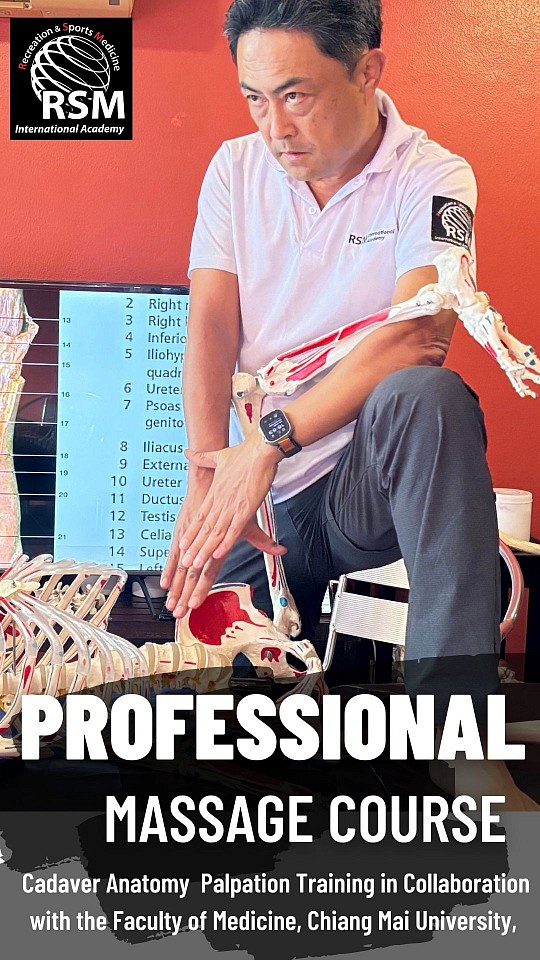
RSM International Academy
Specialized Massage Courses Focused on Pain Relief and Postural Correction
RSM International Academy provides specialized massage therapy courses tailored to address prevalent causes of musculoskeletal pain, movement dysfunction, and postural imbalance. These programs are grounded in sports medicine principles, functional anatomy, and clinical palpation, enabling therapists to comprehend the development of pain within the body’s kinetic chain.
Rather than solely targeting symptomatic relief, RSM courses prioritize identifying the mechanical origins of dysfunction. Muscles, fascia, joints, and neural structures interact continuously during movement, and restrictions within these tissues frequently result in chronic tension, restricted mobility, and compensatory movement patterns.
To effectively address these challenges, RSM offers focused training across three core therapeutic systems.
Trigger Point Therapy Course for Pain Relief instructs therapists on identifying and releasing myofascial trigger points that cause muscular pain and referred pain patterns. Participants gain insight into how trigger points affect muscle coordination and disrupt movement within the kinetic chain.
Deep Tissue Massage Course for Posture Correction concentrates on restoring structural balance by alleviating chronic tension in deep muscular layers and fascial tissues. Therapists enhance palpation skills to improve joint capsule mobility, muscle elasticity, and postural alignment.
Dynamic Myofascial Release Course for Neurodynamics targets fascial restrictions that impede neural glide and coordinated movement. Students acquire dynamic techniques to enhance fascial mobility, nerve movement, and overall movement efficiency.
Through these specialized programs, therapists cultivate a comprehensive understanding of how manual therapy, functional anatomy, and biomechanical assessment synergize to alleviate pain and restore optimal movement.
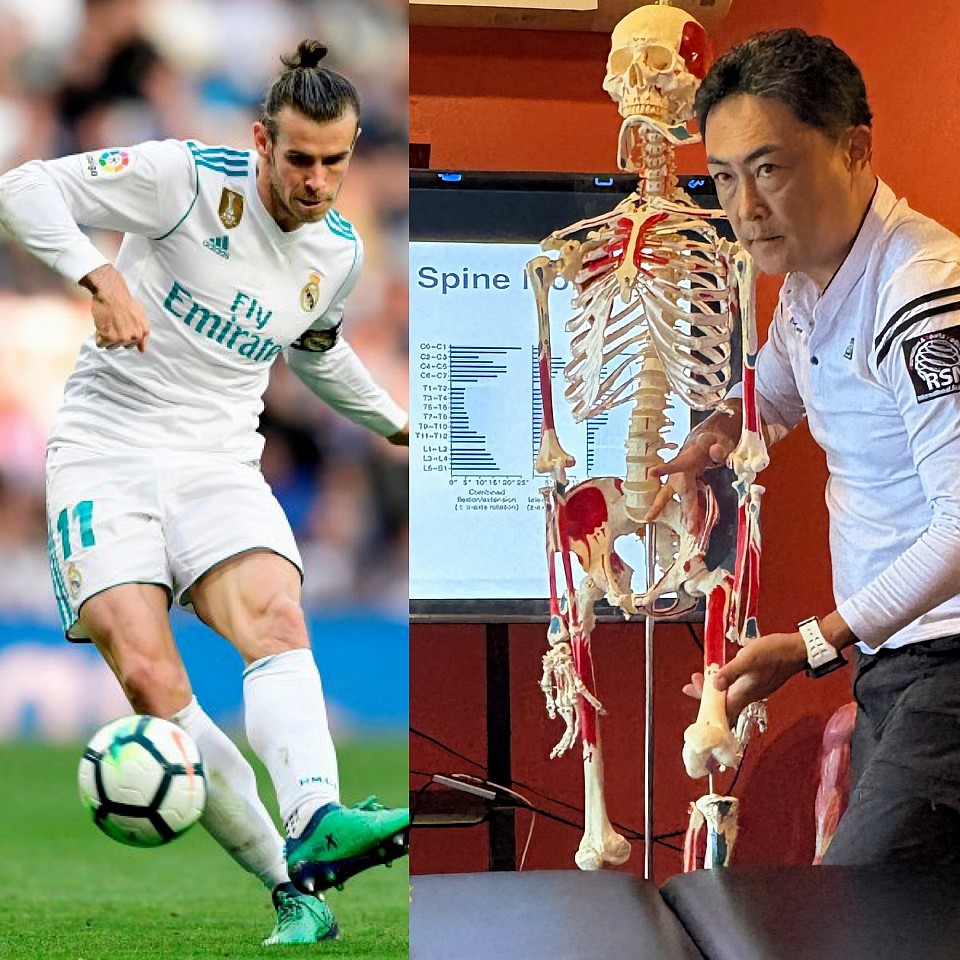
Posture Assessment and Manual Therapy
The RSM Method – Sports Medicine–Based Manual Therapy and Movement Analysis
The RSM Method is a manual therapy education system rooted in sports medicine, developed by Hironori Ikeda, MSc Sports Medicine, and founded on over thirty years of clinical expertise in therapeutic massage, functional anatomy, and movement analysis.
In contrast to traditional massage techniques that primarily target localized muscle tension, the RSM Method conceptualizes the human body as an integrated movement system. Muscles, fascia, joints, and neural structures interact continuously within the kinetic chain, where dysfunction in one area frequently impacts movement and load distribution throughout the entire body.
Musculoskeletal pain seldom originates from a single isolated structure; rather, it typically arises from cumulative mechanical stress across multiple tissues and joints. For instance, limited ankle mobility can alter knee mechanics, hip instability may affect spinal alignment, and thoracic stiffness can restrict shoulder movement. These compensatory patterns, over time, generate abnormal tension and chronic pain.
To effectively address these dysfunctions, the RSM Method integrates clinical palpation, functional anatomy education, and dynamic movement assessment. Practitioners are trained to assess tissue mobility, joint mechanics, and muscular coordination to accurately identify the underlying mechanical source of dysfunction instead of focusing solely on symptomatic regions.
A fundamental aspect of this approach is the comprehension of fascia biomechanics. Fascia constitutes a continuous connective tissue network that unites muscles into functional chains. When fascial mobility is compromised, the body's capacity to distribute mechanical forces efficiently diminishes, often leading to compensatory movement patterns.
The method also incorporates neurodynamics, acknowledging the necessity for nerves to glide freely within surrounding tissues during movement. Impaired neural glide can contribute to radiating pain, numbness, and persistent muscular tension.
By combining trigger point therapy, deep tissue techniques, dynamic myofascial release, joint mobilization, and postural movement assessment, the RSM Method equips therapists with a comprehensive clinical framework to understand pain mechanisms and restore optimal human movement.
Kinetic Chain Assessment
The RSM Method: Understanding Pain Through Functional Anatomy and Kinetic Chain Analysis
Many individuals seek treatment for pain localized to areas such as the neck, lower back, shoulder, or knee. However, within the fields of sports medicine and functional anatomy, pain seldom originates from a single isolated structure.
At RSM International Academy, students are taught that the human body operates as an integrated movement system. Muscles, fascia, joints, and neural components continuously interact to produce coordinated movement. When one element experiences a loss of mobility or stability, the body compensates by modifying movement patterns throughout the kinetic chain.
For instance, limited ankle mobility can progressively alter knee mechanics. Hip instability may impact spinal motion, while decreased thoracic mobility can influence shoulder function. These mechanical compensations typically develop gradually, with pain manifesting only after cumulative stress over months or years.
Consequently, the RSM Method, developed by Hironori Ikeda, MSc Sports Medicine, instructs therapists to assess the body through functional anatomy and movement analysis rather than concentrating solely on symptomatic areas.
Students are trained to evaluate posture, assess joint mobility, and analyze the interactions among muscles, fascia, and neural tissues during movement. This methodology enables therapists to identify the fundamental mechanical causes of dysfunction instead of merely addressing symptoms.
By integrating kinetic chain analysis, clinical palpation, and functional anatomy, the RSM Method offers a systematic framework for understanding how movement patterns contribute to pain development and how manual therapy can restore optimal human movement.
At RSM International Academy, this approach underpins all training, equipping therapists with enhanced clinical reasoning skills and a comprehensive understanding of musculoskeletal pain.
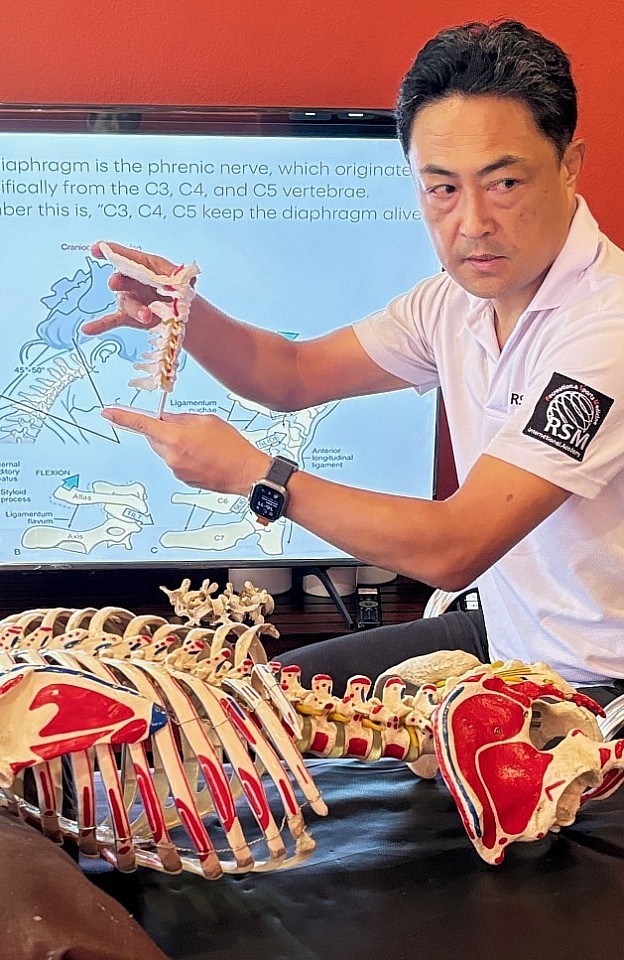
Assessment of Descending and Ascending Kinetic Chain
Muscle Chain and Kinetic Chain Analysis in the RSM Method
Comprehending human movement extends beyond merely identifying individual muscles. In the fields of sports medicine and biomechanics, the body is understood as an integrated mechanical system wherein muscles, fascia, joints, and neural structures collaborate through coordinated kinetic chain interactions.
At RSM International Academy, this principle constitutes a fundamental aspect of the RSM Method, developed by Hironori Ikeda, MSc Sports Medicine, drawing upon over thirty years of clinical expertise in manual therapy, movement analysis, and sports medicine-based rehabilitation.
Rather than treating muscles as isolated entities, the RSM Method evaluates how muscle groups function collectively within functional muscle chains. During movements such as walking, rotation, or athletic activities, forces generated in one area are transmitted through multiple joints and tissues throughout the body.
For instance, restricted mobility in the foot can affect calf tension, pelvic mechanics, and spinal alignment. Similarly, limited thoracic mobility may impact shoulder mechanics and arm movement. Frequently, the site of perceived pain represents the terminal point of compensatory mechanisms occurring elsewhere within the chain.
Extensive research in biomechanics and sports medicine has consistently shown that inefficient movement patterns elevate mechanical stress on specific tissues. Over time, this repeated stress can result in chronic muscular tension, diminished mobility, and subsequent musculoskeletal pain.
Consequently, the RSM Method emphasizes movement observation, muscle chain analysis, and functional anatomy prior to the application of manual therapy techniques. Students are trained to assess gait patterns, spinal rotation, hip mobility, and shoulder mechanics to comprehend how forces propagate through the body during movement.
This clinical reasoning framework aligns with principles widely adopted in contemporary sports medicine and movement science, while integrating Hironori Ikeda’s practical methodology refined through decades of therapeutic practice.
By integrating manual therapy, palpation training, and kinetic chain assessment, therapists educated at RSM International Academy acquire the skills to restore efficient coordination among muscles, fascia, and joints—addressing the mechanical origins of pain rather than merely alleviating symptoms.
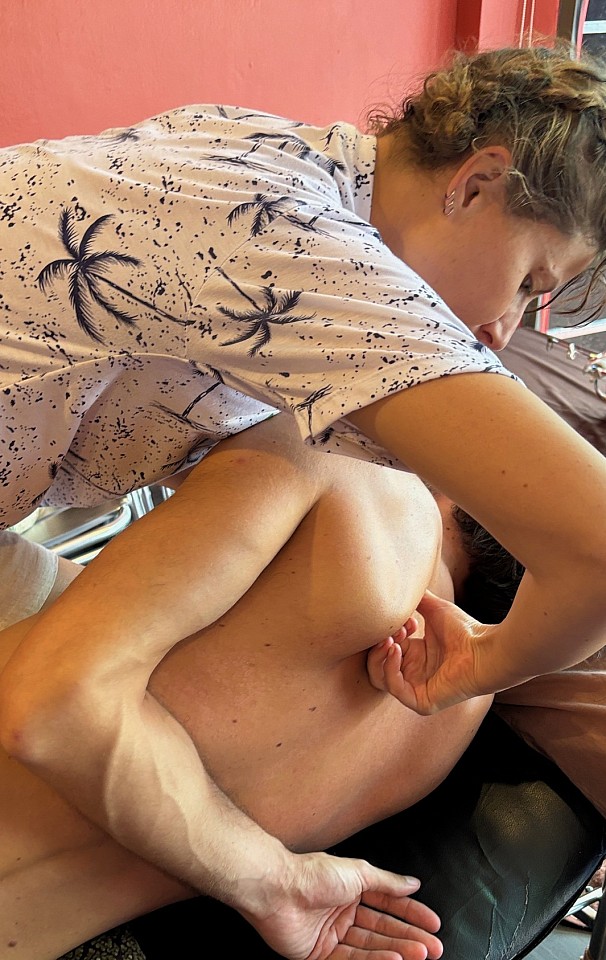
Release of Myofascial Glide Restriction
Fascia and Neurodynamics: Modern Perspectives in RSM Manual Therapy
Contemporary manual therapy increasingly acknowledges that effective treatment extends beyond addressing muscles alone. At RSM International Academy, advanced training focuses on the interplay between fascia, neural mobility, and movement mechanics, which collectively contribute to the manifestation of musculoskeletal pain.
Fascia constitutes a continuous connective tissue network enveloping and linking muscles, bones, nerves, and internal structures throughout the body. This three-dimensional fascial system transmits tension and mechanical forces across multiple regions, such that a restriction in one area can affect movement and load distribution elsewhere within the kinetic chain.
Equally critical is neurodynamics, the capacity of nerves to glide and adapt during movement. Nerves are not isolated entities; they traverse fascial pathways and are often shielded and guided by surrounding connective tissues. When fascial tension, scar tissue, or chronic muscular compression impedes this neural glide, symptoms such as radiating pain, numbness, or persistent tension may arise.
At RSM International Academy, students are trained to assess these relationships through clinical palpation, functional anatomy education, and movement analysis. Therapists cultivate the skill to discern subtle variations in tissue mobility and comprehend how fascial tension can impact neural pathways.
A hallmark of this training is its integration with anatomical education in collaboration with the Faculty of Medicine at Chiang Mai University, where cadaver-based anatomy instruction offers profound insights into the spatial relationships among fascia, nerves, and musculoskeletal structures.
The RSM Method embodies the clinical expertise of Hironori Ikeda, MSc Sports Medicine, who has dedicated over three decades to investigating how tissue mechanics, neural mobility, and movement patterns influence pain development. Rather than replicating techniques from existing massage schools, this methodology has evolved through extensive practical observation, hands-on treatment, and ongoing refinement within authentic therapeutic settings.
By integrating myofascial release, trigger point therapy, deep tissue techniques, and neural mobility principles, the RSM Method equips therapists with a systematic approach to restoring tissue mobility and enhancing functional movement.
For therapists pursuing an advanced clinical understanding of musculoskeletal pain, the integration of fascia biomechanics and neurodynamics provides a vital framework for contemporary manual therapy practice.
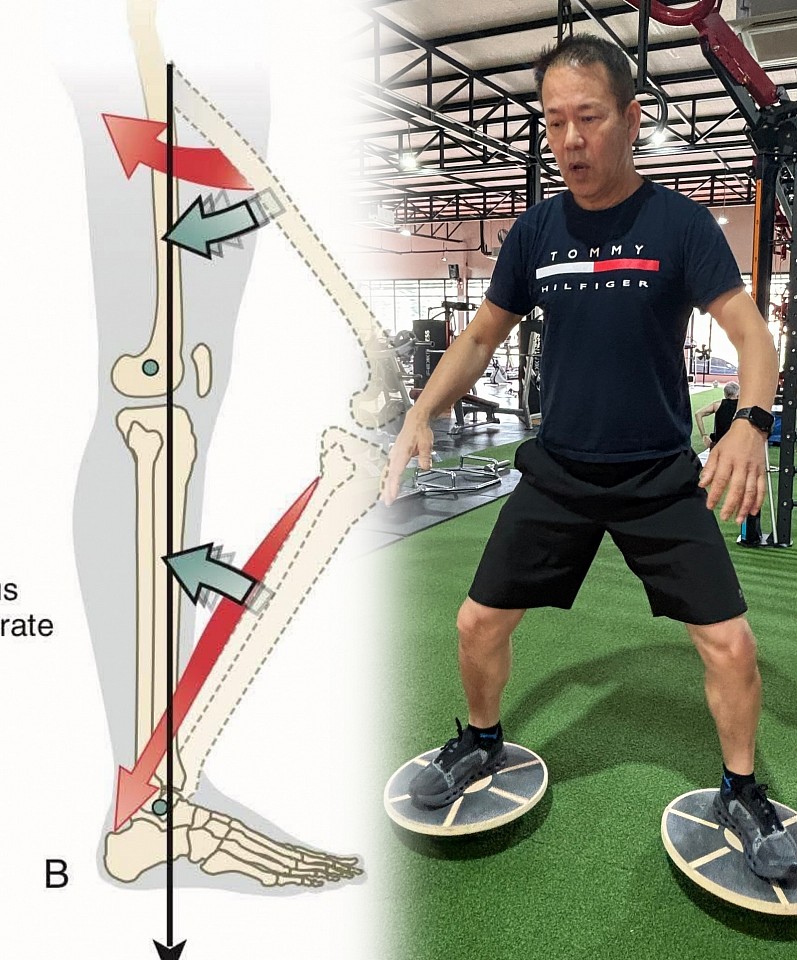
Dynamic Posture Assessment
Dynamic Postural Assessment in Sports Medicine
In sports medicine, experienced clinicians understand that pain seldom originates at the site where it is perceived. It typically arises from repetitive movement patterns that progressively overload specific structures within the kinetic chain.
At RSM International Academy, Dynamic Postural Assessment is employed to evaluate how the body functions under actual conditions—such as walking, rotating, weight shifting, and joint stabilization. These dynamic movements expose compensatory mechanisms that static posture analysis alone cannot detect.
This methodology is deeply informed by extensive observation of elite athletes and national-level competitors. During graduate studies in sports medicine at the University of Tsukuba, repeated exposure to high-performance movement environments underscored a fundamental truth: efficient athletes exhibit distinct movement patterns. Their bodies distribute load seamlessly across joints, fascia, and muscles, whereas injury-prone athletes often demonstrate subtle compensatory behaviors.
Such differences frequently elude inexperienced observers. However, through clinical expertise and systematic observation, identifiable patterns become apparent. For example, limited thoracic mobility may disrupt shoulder mechanics, restricted hip motion can overload the lumbar spine, and foot instability may affect knee and pelvic alignment.
Over years of clinical practice, video analysis of athletic performance, and hands-on treatment, these insights have been refined into the Dynamic Postural Assessment framework integral to the RSM Method.
Students at RSM are trained to integrate movement observation, functional anatomy, and clinical palpation to uncover these concealed mechanical stresses. Rather than focusing solely on muscle tension, therapists learn to identify the underlying movement dysfunction responsible for generating that tension.
This approach is a cornerstone of contemporary sports medicine–based manual therapy, where comprehending movement efficiency is vital for both injury prevention and sustainable recovery.
At RSM International Academy, Dynamic Postural Assessment enables therapists to discern what many treatments overlook: the movement pattern that precipitated the pain.
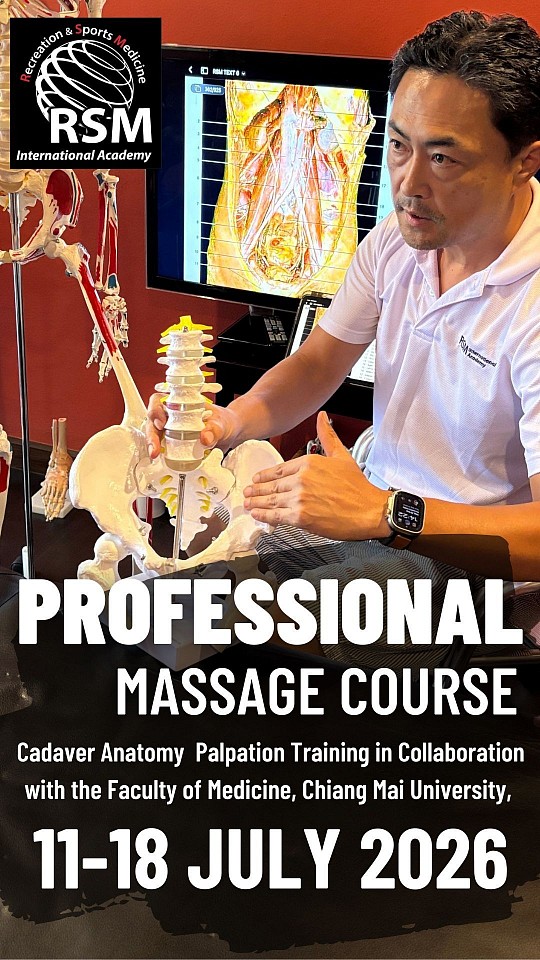
Professional Sports Medicine Massage Course
Professional Courses in Sports Medicine Massage
The professional training programs at RSM International Academy are meticulously crafted for experienced therapists and healthcare professionals aiming to enhance their expertise in sports medicine–based manual therapy.
In contrast to many massage programs that primarily emphasize relaxation techniques, the RSM Method prioritizes clinical reasoning, functional anatomy, and refined palpation skills. Participants gain a comprehensive understanding of pain development through kinetic chain dysfunction, fascial restrictions, and mechanical stress affecting joints, muscles, and neural structures.
This advanced curriculum is delivered via an intensive 8-day training format, during which attendees engage deeply with the core treatment principles underpinning the RSM Method.
Trigger Point Therapy
Participants acquire the skills to accurately identify and treat myofascial trigger points through advanced palpation techniques. Mastery of trigger point referral patterns enables therapists to discern how localized muscular tension can manifest as pain in remote areas of the body.
Deep Tissue Massage
This module emphasizes the restoration of tissue mobility and alleviation of chronic muscular tension resulting from repetitive movements, postural imbalances, or mechanical overload. Therapists are trained to apply precise pressure while maintaining sensitivity to tissue responses.
Dynamic Myofascial Release
A hallmark of the RSM Method, this course instructs therapists on enhancing fascial glide and optimizing movement efficiency throughout the kinetic chain using dynamic treatment techniques.
Throughout the program, students refine their ability to analyze movement patterns, tissue behavior, and functional alignment, enabling the application of manual therapy with heightened clinical accuracy. A distinctive feature of the curriculum is the clinical palpation training conducted at the Faculty of Medicine, Chiang Mai University. On the final day, participants engage in a specialized session involving cadaver-based palpation training supervised by university medical faculty, reinforcing anatomical comprehension.
This immersive experience grants therapists profound insights into authentic anatomical structures and tissue interrelationships, thereby enhancing diagnostic precision and professional confidence.
By integrating sports medicine principles, functional anatomy education, and rigorous hands-on practice, RSM International Academy provides a comprehensive pathway for therapists pursuing advanced proficiency in contemporary manual therapy.
The program’s objective extends beyond technique instruction; it aims to cultivate practitioners capable of identifying the mechanical origins of pain and implementing effective treatment strategies grounded in clinical observation and anatomical expertise.
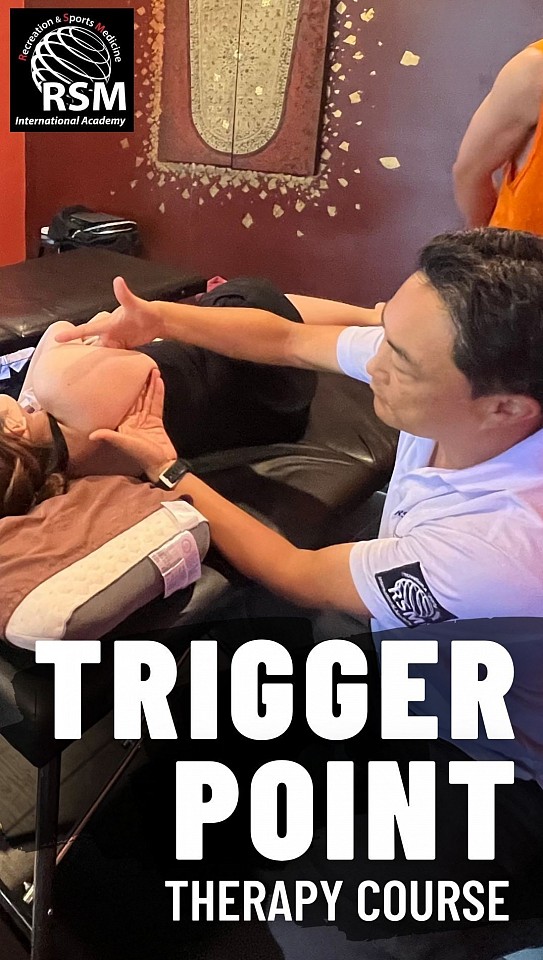
Trigger Point Massage Therapy Course
Trigger Point Therapy Training
Professional Trigger Point Course at RSM International Academy
The Trigger Point Therapy course at RSM International Academy is designed to enhance advanced palpation techniques and provide an in-depth understanding of myofascial pain mechanisms. Trigger points represent one of the most prevalent causes of musculoskeletal pain, yet they are frequently misunderstood or improperly addressed in many foundational massage training programs.
A trigger point is characterized as a hyperirritable spot within a taut band of skeletal muscle. These points can elicit localized pain, referred pain patterns, diminished range of motion, and muscular weakness. Because trigger points often generate pain in areas remote from their actual location, accurate identification demands both comprehensive anatomical knowledge and refined palpation skills.
Accordingly, the Trigger Point Therapy course at RSM International Academy prioritizes the cultivation of clinical palpation skills. Students are trained to detect subtle tissue alterations such as increased muscle tone, fascial density, and nodular tension within muscle fibers.
The capacity to precisely locate trigger points is among the most critical competencies for manual therapists.
Many practitioners attempt to treat trigger points without a thorough understanding of their referral patterns or the biomechanical factors contributing to their development. At RSM International Academy, students learn to evaluate the interplay between trigger points, movement dysfunction, and mechanical stress within the kinetic chain.
For instance, a trigger point in the gluteus medius may lead to hip instability and altered gait mechanics. Similarly, trigger points in the upper trapezius or levator scapulae can be linked to restricted cervical mobility and shoulder dysfunction.
By comprehending these interrelationships, therapists can transcend symptom-focused treatment and address the underlying functional causes of muscular pain.
The course delivers a systematic approach to trigger point therapy encompassing:
- Identification of taut bands within muscle tissue
- Understanding trigger point referral pain patterns
- Palpation techniques for precise detection
- Pressure application methods for effective deactivation
- Integration with movement assessment and postural analysis
Students engage in hands-on training that emphasizes both accuracy and sensitivity. Effective trigger point therapy requires the application of controlled pressure combined with continuous feedback from tissue response.
Excessive force does not yield superior outcomes; rather, therapists are taught to apply focused, controlled pressure that facilitates the release of localized muscular tension while minimizing patient discomfort.
An additional key component of the course is understanding the etiology of trigger points. Often, trigger points arise not solely from muscle overuse but from dysfunctional movement patterns, poor posture, or chronic mechanical stress within the kinetic chain.
For example, prolonged sitting may contribute to trigger point formation in the hip flexors and lumbar muscles, while repetitive overhead activities may induce trigger points in the rotator cuff and scapular stabilizers. Recognizing these mechanisms enables therapists to prevent trigger point recurrence post-treatment.
At RSM International Academy, trigger point therapy is integrated with movement analysis and postural assessment.
This holistic approach aligns with the overarching philosophy of the RSM Method, which views the human body as a functional system rather than a collection of isolated muscles.
Graduates of the Trigger Point Therapy course acquire valuable clinical expertise that empowers them to identify complex pain patterns and manage muscular dysfunction with greater efficacy.
For therapists seeking to refine palpation proficiency and deepen their understanding of myofascial pain, trigger point therapy remains an indispensable modality in contemporary manual therapy practice.
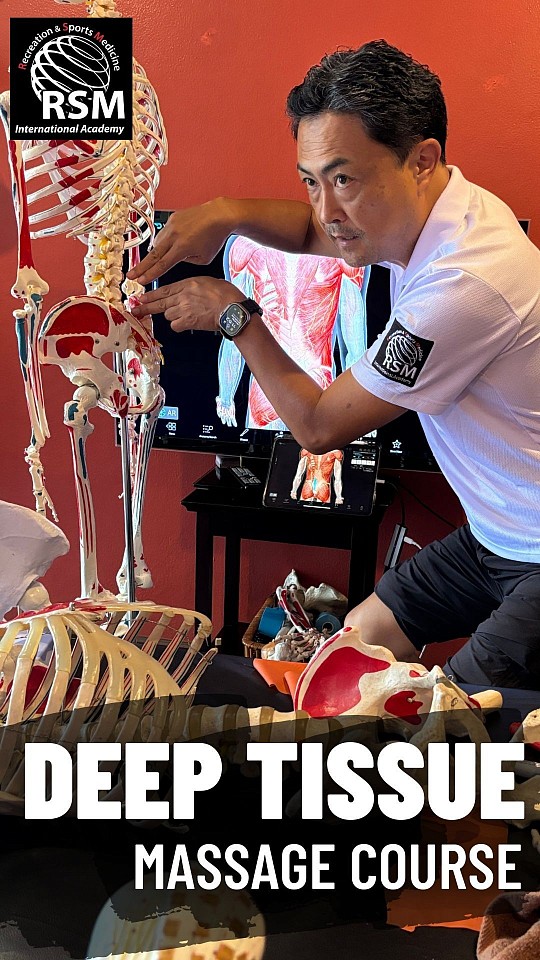
Deep Tissue Massage Course for Posture Correction
Deep Tissue Massage and Postural Correction
Clinical Postural Assessment and Deep Tissue Therapy at RSM International Academy
At RSM International Academy, Deep Tissue Massage is taught not merely as a technique for applying intense pressure to muscles, but as a clinical approach to postural correction and movement restoration, grounded in the principles of sports medicine, functional anatomy, and biomechanical analysis. While many massage schools emphasize deep tissue techniques primarily for muscle tension relief, these methods often provide only temporary alleviation and fail to address the root causes of chronic musculoskeletal issues.
At RSM International Academy, deep tissue therapy begins with a comprehensive postural assessment. Prior to treatment, therapists are trained to understand the underlying reasons for muscular tension or mechanical imbalances. This diagnostic approach distinguishes the RSM Method from conventional massage training programs.
Postural Assessment and Structural Analysis
Human posture reflects the equilibrium among muscles, fascia, joints, and neural control systems. When this balance is disrupted, distinct postural patterns emerge. Students at RSM International Academy learn to evaluate several common postural deviations, including:
- Anterior pelvic tilt
- Posterior pelvic tilt
- Hyperlordotic posture
- Kyphotic posture
- Forward head posture
- Scapular imbalance and shoulder dysfunction
However, these patterns vary significantly among individuals. For instance, kyphotic posture may arise from different biomechanical causes.
Some individuals exhibit scapular-dominant kyphosis, characterized by excessive scapular protraction and weakness of stabilizing muscles that alter shoulder mechanics. Others present with thoracic-dominant kyphosis, where restricted thoracic spine mobility primarily contributes to postural collapse.
Similarly, forward head posture may be linked to cervical muscle imbalances, thoracic rigidity, or altered scapular positioning. Recognizing these distinctions is critical for effective intervention. Therapists must identify the specific structural imbalance driving the dysfunctional posture rather than merely addressing superficial muscle tightness.
Deep Tissue Therapy as a Corrective Method
Upon identifying the underlying postural pattern, targeted deep tissue techniques are applied to:
- Chronically shortened muscles
- Restricted fascial layers
- Dense connective tissue
- Areas of mechanical overload within the kinetic chain
By releasing these restrictions, therapists enhance joint mobility and facilitate the body's return to balanced alignment. Consequently, deep tissue therapy functions as a corrective intervention rather than solely a relaxation modality.
Advanced Palpation Training
Precise palpation skills are essential for effective treatment. Therefore, palpation training constitutes a core element of the RSM curriculum. Students develop the ability to discern subtle variations in tissue density, muscle tone, and fascial tension through rigorous hands-on practice.
To augment anatomical accuracy, RSM International Academy collaborates with the Chiang Mai University Faculty of Medicine, offering students the opportunity to engage in cadaver-based anatomical observation and palpation training. This invaluable experience enables therapists to study authentic anatomical structures and deepen their understanding of the spatial relationships among muscles, fascia, nerves, and joints, significantly enhancing their capacity to identify tissue structures during manual therapy.
Integrating Postural Analysis with Manual Therapy
A fundamental principle at RSM International Academy is that manual therapy must be informed by clinical reasoning. Deep tissue massage alone cannot rectify postural dysfunction without comprehension of the biomechanical origins of the imbalance. By integrating postural assessment, palpation proficiency, and manual therapy techniques, therapists formulate treatment strategies that address the root causes of musculoskeletal disorders. This holistic approach embodies the philosophy of the RSM Method, wherein posture, movement mechanics, and tissue mobility are evaluated as components of a unified functional system.
For therapists seeking to advance beyond basic massage techniques and cultivate sophisticated clinical expertise, the combination of deep tissue therapy and postural assessment offers a robust framework for restoring optimal movement and structural harmony.
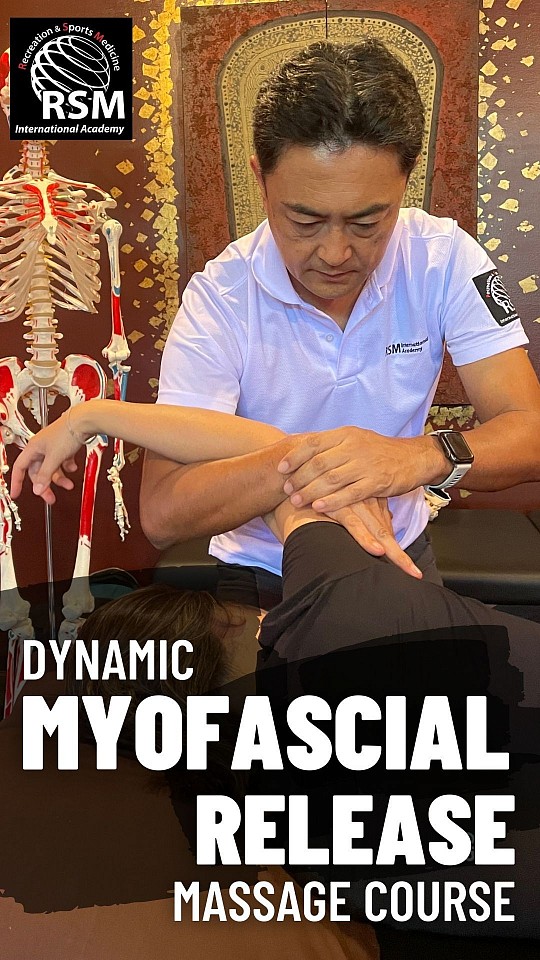
Dynamic Myofascial RElease Course
Dynamic Myofascial Release Course for Neurodynamics and Movement Restoration
Restoring Movement Through Fascial Mobility and Kinetic Chain Integration
Dynamic Myofascial Release is a distinctive element of the RSM Method taught at RSM International Academy. While many manual therapy systems acknowledge the significance of fascia, few training programs instruct therapists on integrating fascial treatment with movement mechanics and kinetic chain function. At RSM International Academy, fascia is recognized not merely as connective tissue enveloping muscles, but as a dynamic structural network that impacts posture, joint mobility, and movement coordination.
The fascial system links muscles, bones, nerves, and joints into a continuous mechanical framework that distributes forces throughout the body. Due to this interconnected structure, restrictions in one fascial region can influence movement patterns distant from the original site of tension.
For instance, fascial stiffness in the hip area may affect pelvic mobility and lumbar spine mechanics. Similarly, restricted fascial glide in the thoracic region can alter scapular movement and shoulder stability. These interrelations underscore the necessity of considering fascial treatment within the context of the kinetic chain.
Understanding Fascial Restriction
Fascial restrictions often develop progressively through repetitive movement patterns, poor posture, injury, or sustained mechanical stress. Over time, fascia may lose its inherent elasticity and the ability to glide between tissue layers. This loss results in less efficient movement, compelling certain muscles to compensate to maintain function. Such compensation frequently leads to increased muscular tension, diminished joint mobility, and chronic discomfort.
While traditional massage techniques may temporarily alleviate muscle tension, they often do not restore the essential fascial mobility required for lasting improvement.
Consequently, Dynamic Myofascial Release specifically targets the restoration of fascial glide and tissue elasticity.
The Dynamic Approach
What differentiates Dynamic Myofascial Release from many conventional myofascial techniques is the incorporation of movement during treatment. Instead of applying static pressure, therapists guide the body through controlled movements while releasing fascial restrictions. This dynamic method enables the fascial network to reorganize and adapt under functional movement conditions. By combining manual pressure with movement patterns, therapists can more effectively restore mobility within the kinetic chain.
This technique is particularly effective in addressing restrictions that manifest during complex movements such as spinal rotation, shoulder elevation, or hip extension.
Application in Sports Medicine
Athletes often develop fascial restrictions due to repetitive loading and high training volumes. These restrictions can impair movement efficiency and elevate injury risk. Dynamic Myofascial Release is therefore especially valuable in sports medicine settings, where restoring optimal movement patterns is critical for both injury prevention and performance enhancement.
By enhancing fascial mobility, therapists assist athletes in maintaining improved coordination throughout the kinetic chain and reducing excessive mechanical stress on joints and muscles.
Integrating Fascial Treatment with Movement Analysis
At RSM International Academy, Dynamic Myofascial Release is taught not as an isolated technique but as part of a comprehensive approach. Students learn to integrate fascial treatment with:
- Postural assessment
- Movement analysis
- Kinetic chain evaluation
- Palpation-based tissue assessment
This holistic methodology enables therapists to comprehend how fascial restrictions contribute to dysfunctional movement patterns. By restoring fascial mobility within the kinetic chain, therapists promote more efficient and pain-free movement.
The Philosophy of the RSM Method
The philosophy underpinning Dynamic Myofascial Release aligns with the broader principles of the RSM Method. Manual therapy should not merely alleviate muscular tension but should restore functional movement across the entire mechanical system of the body.
By integrating fascial treatment with movement-based therapy, Dynamic Myofascial Release equips therapists with an advanced modality to enhance mobility, posture, and long-term musculoskeletal health.
For therapists seeking an in-depth understanding of fascia’s influence on movement and posture, this method offers a powerful and innovative approach to contemporary manual therapy.
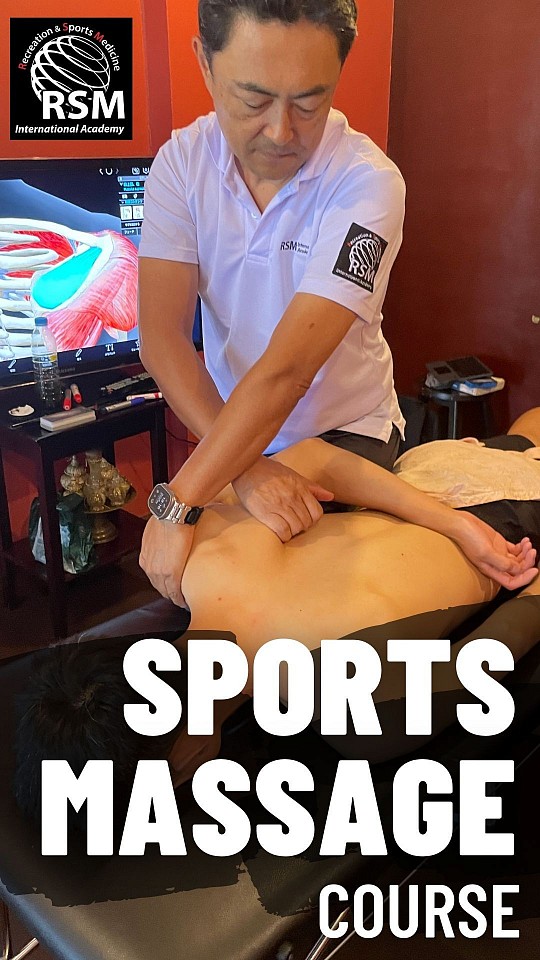
Sports Massage Course
Sports Massage for Performance and Conditioning
Biomechanics-Based Sports Massage at RSM International Academy
At RSM International Academy, sports massage is taught not merely as a muscle relaxation technique but as a vital element of sports conditioning and performance management. Athletes subject their bodies to significant mechanical stress during training and competition. Repetitive movements—such as running, throwing, jumping, or striking—place continuous load on specific joints and muscle groups.
Over time, these repetitive stresses can result in muscular fatigue, fascial restrictions, and biomechanical imbalances within the kinetic chain. Consequently, the primary objectives of sports massage extend beyond recovery to include performance optimization and injury prevention.
Understanding Biomechanical Stress in Sport
Each sport generates distinct movement patterns. For instance, runners consistently load the lower kinetic chain, especially the calves, hamstrings, and hip stabilizers. Overhead athletes, such as tennis players or baseball pitchers, impose considerable stress on the shoulder complex, scapular stabilizers, and thoracic spine. Without proper management, these mechanical stresses may cause localized tissue overload.
Therefore, sports massage begins with movement analysis and biomechanical assessment. Therapists must identify:
- The specific movements frequently performed during training
- The muscles and joints subjected to the greatest load
- Areas prone to tension or restricted mobility
Through this analysis, therapists can predict potential sites of discomfort or injury before symptoms intensify.
Managing Repetitive Load in the Kinetic Chain
Athletic movement relies on coordinated force transmission within the kinetic chain. When one segment becomes restricted or overloaded, adjacent structures compensate to preserve performance.
For example, limited hip mobility may increase mechanical stress on the lumbar spine, while reduced thoracic rotation can alter shoulder mechanics in overhead sports.
Such compensations often cause localized pain or muscular tension. Sports massage aims to alleviate these mechanical stresses by enhancing tissue mobility and movement coordination. Treatment focuses on restoring balance within both ascending and descending kinetic chains to facilitate efficient force transmission throughout the body.
Designing Treatment for Performance Maintenance
A key responsibility of a sports massage therapist is to develop treatment plans that sustain long-term athletic performance. This involves applying manual therapy proactively to prevent excessive load accumulation in vulnerable areas. Rather than addressing pain only after it becomes severe, therapists work to preserve tissue health and movement efficiency continuously.
This approach encompasses:
- Enhancing joint range of motion
- Restoring smooth muscular coordination
- Improving fascial glide between tissues
- Reducing localized muscular overload
- Supporting efficient movement mechanics
By maintaining these factors, athletes can train at high intensity while minimizing injury risk.
Integrating Sports Massage with Movement Efficiency
At RSM International Academy, sports massage is seamlessly integrated with biomechanics and movement science principles. Manual therapy techniques are employed not only to relieve tension but also to optimize body movement during athletic performance. By restoring joint mobility, fascial glide, and muscular coordination, therapists assist athletes in achieving smoother movement patterns and more efficient force transfer throughout the kinetic chain. This holistic approach enables athletes to sustain peak performance while reducing unnecessary mechanical stress.
The Philosophy of Sports Massage in the RSM Method
Within the RSM Method, sports massage is regarded as a strategic element of athletic conditioning. The objective extends beyond pain relief to helping athletes maintain optimal movement, prevent injury, and support sustained performance through meticulous management of biomechanical stress.
By integrating manual therapy with a comprehensive understanding of kinetic chain dynamics, fascial mobility, and sports biomechanics, therapists design treatment strategies that empower athletes to train more effectively, recover efficiently, and perform at their highest potential.
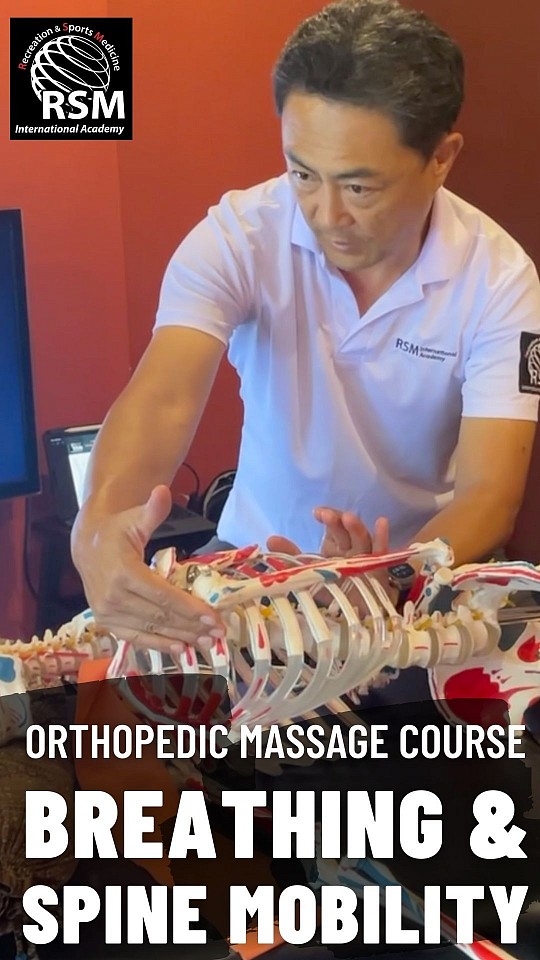
Orthopedic Massage Course for Breathing and Spine Mobility
Orthopedic Massage Course for Breathing & Spine Mobility (Respiration–Spinal Mechanics Integration)
The Interconnection of Respiration, Intra-Abdominal Pressure, and Spinal Stability
One of the advanced training modules offered through RSM International Academy programs, including specialized workshops such as the Osaka course, emphasizes the critical relationship between breathing mechanics and spinal mobility. This subject is increasingly acknowledged in sports medicine, rehabilitation science, and manual therapy as a vital factor affecting posture, movement efficiency, and musculoskeletal stability.
Breathing extends beyond its respiratory function; it is a fundamental biomechanical process that influences spinal motion, pelvic stability, and dynamic postural control. Central to this system is the diaphragm, which serves not only as the primary respiratory muscle but also as a key component of the body’s core stabilization mechanism.
The Role of the Diaphragm and Intra-Abdominal Pressure
During inhalation, the diaphragm contracts and descends into the abdominal cavity, thereby increasing intra-abdominal pressure (IAP). This pressure functions as an internal support system for the lumbar spine. The abdominal muscles, diaphragm, pelvic floor muscles, and deep spinal stabilizers collaborate to regulate this pressure system.
When these structures operate in harmony, intra-abdominal pressure contributes to spinal stabilization during movement and facilitates efficient force transfer throughout the kinetic chain. Conversely, dysfunctional breathing mechanics—resulting from poor posture, restricted rib mobility, or muscular imbalances—can compromise this stabilization system.
Impaired control of intra-abdominal pressure may lead to diminished spinal stability, inefficient movement patterns, and increased mechanical stress on the lumbar spine.
Fascial Connections Between the Diaphragm, Psoas, and Spine
An essential anatomical aspect of this system is the relationship between the diaphragm and the psoas muscle. The psoas major, originating from the lumbar vertebrae, plays a pivotal role in hip flexion and spinal stabilization. Fascial connections integrate the diaphragm and psoas within the body’s structural framework.
Findings from cadaver anatomy studies at Chiang Mai University Faculty of Medicine clearly illustrate how these structures are interconnected through fascial layers enveloping the lumbar spine.
These fascial linkages demonstrate that breathing mechanics are directly associated with spinal movement and pelvic alignment. When the diaphragm, psoas, and surrounding fascia function cohesively, the spine achieves efficient movement while maintaining stability.
However, fascial tension or muscular imbalances within this system may restrict spinal mobility and provoke compensatory movement patterns.
Breathing, Pelvic Mechanics, and the SI Joint
The interplay between breathing mechanics and pelvic function represents another critical component of this system. During proper diaphragmatic breathing, intra-abdominal pressure is transmitted through the abdominal cavity and interacts with the pelvic floor and sacroiliac joint (SI joint).
This pressure distribution stabilizes the pelvis and supports coordinated movement among the lumbar spine, pelvis, and hips. Dysfunctional breathing mechanics can reduce pelvic stability, potentially impairing SI joint function and altering load distribution throughout the lower kinetic chain. Over time, these mechanical imbalances may contribute to lower back pain, hip dysfunction, and decreased movement efficiency.
Influence on Dynamic Postural Stability
The relationship between breathing and spinal mechanics significantly influences dynamic postural stability. Efficient breathing enhances the body’s capacity to maintain balance during movement while enabling effective force transfer between the upper and lower body.
This is particularly crucial in sports and functional movement, where the body must continuously adapt to varying loads and directions.
Through coordinated breathing and spinal mobility, the body sustains stability while permitting fluid movement across the kinetic chain.
Ascending and Descending Kinetic Chain Relationships
In sports medicine and biomechanical analysis, movement patterns are often conceptualized via the ascending and descending kinetic chains.
The ascending chain refers to force transmission from the feet and legs upward through the pelvis and spine, whereas the descending chain involves force generated in the upper body transferring downward through the trunk and pelvis. Breathing mechanics and intra-abdominal pressure are integral to regulating these force transfers. Disrupted breathing coordination can adversely affect the efficiency of these kinetic chain interactions.
Integrating Breathing and Manual Therapy
For manual therapists and movement specialists, comprehending the relationship between breathing mechanics and spinal mobility offers a robust clinical framework. At RSM International Academy, students are trained to assess breathing patterns, spinal movement, and pelvic mechanics as part of a comprehensive evaluation process. Manual therapy techniques, combined with breathing retraining and mobility exercises, facilitate the restoration of efficient movement patterns and enhance overall postural stability. This integrated approach embodies the philosophy of the RSM Method, which recognizes respiration, spinal mechanics, fascial continuity, and kinetic chain function as interconnected elements of human movement.
For therapists seeking advanced knowledge of posture, movement stability, and spinal health, the study of breathing and spinal mobility constitutes an essential component of manual therapy education.
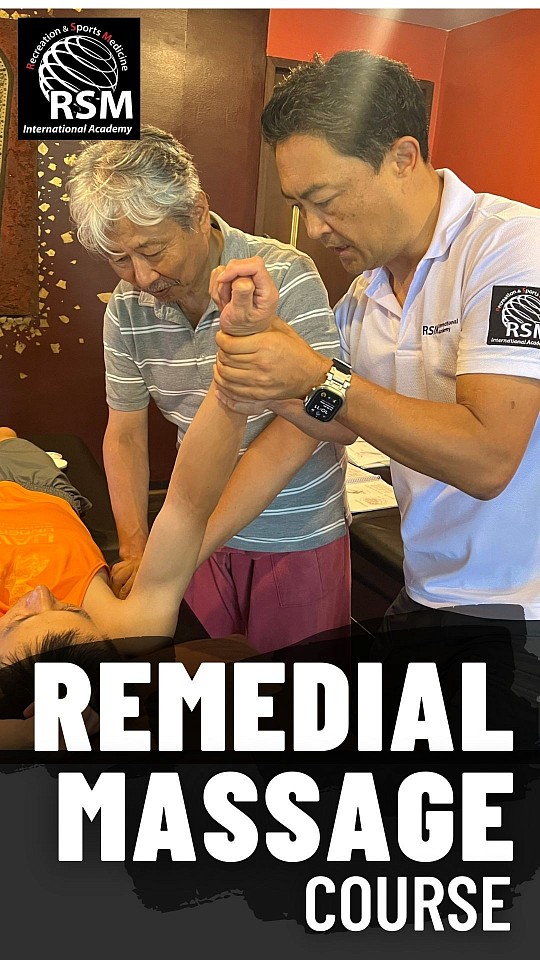
Remedial Massage Course
Remedial Massage and Structural Assessment
Biomechanical and Skeletal Analysis in Remedial Massage
At RSM International Academy, Remedial Massage is taught as a structured clinical approach for addressing musculoskeletal dysfunction through biomechanical and skeletal analysis. While many massage programs focus primarily on muscle tension or localized pain, remedial massage in the RSM Method emphasizes understanding the structural and mechanical factors that influence how the body moves.
In many cases, chronic pain is not caused only by muscular tightness.
Instead, the underlying cause may involve skeletal alignment, joint mechanics, and structural variations within the body. For this reason, remedial massage training at RSM International Academy begins with a detailed assessment of skeletal and biomechanical characteristics.
Structural Variations and Joint Mechanics
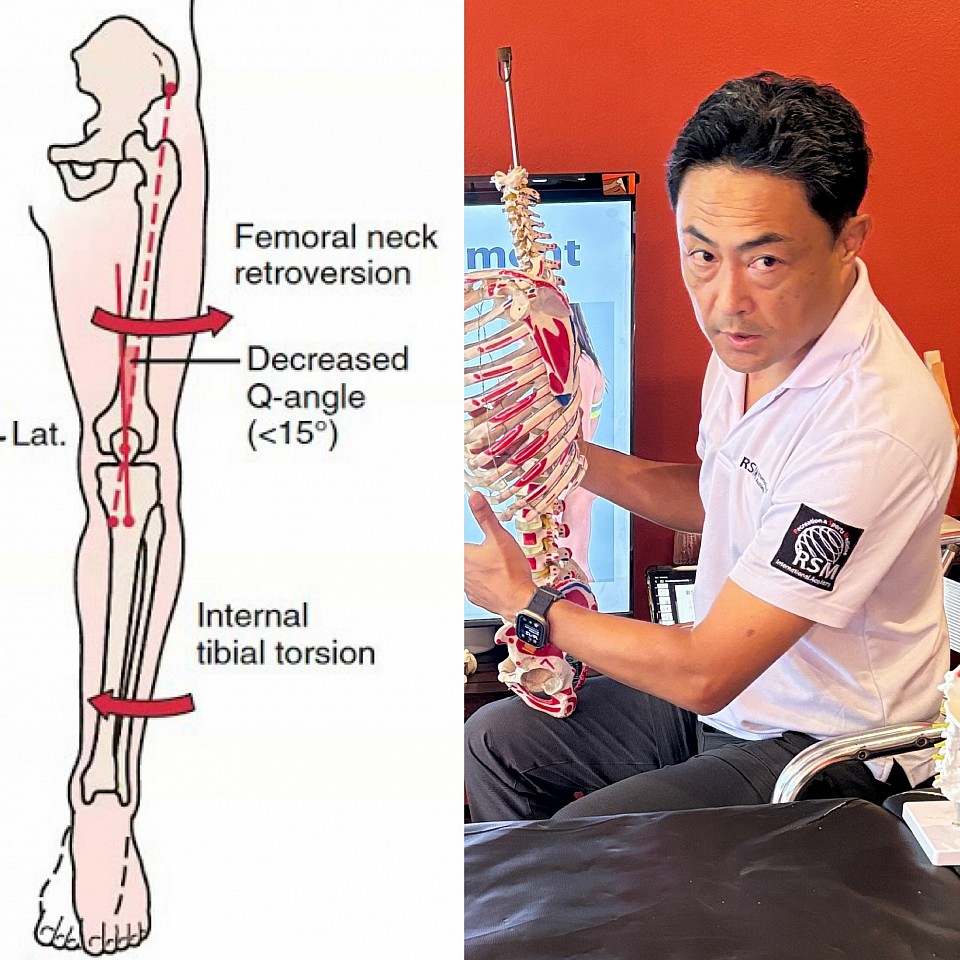
Every individual has unique skeletal characteristics that influence movement patterns. For example, differences in femoral anteversion and retroversion can significantly affect hip rotation mechanics and lower limb alignment.
These variations may influence how forces are transmitted through the knee joint, pelvis, and lumbar spine during movement. To evaluate these characteristics, students learn to use clinical assessment methods such as Craig’s Test, which helps determine femoral torsion and rotational alignment of the hip. Understanding these structural variations allows therapists to interpret movement patterns more accurately.
In some individuals, apparent muscular imbalance may actually be the result of underlying skeletal alignment.
For example:
- knee torsion or rotational misalignment
- altered hip rotation due to femoral anteversion or retroversion
- foot pronation or supination affecting lower limb mechanics
These factors can influence the distribution of mechanical stress throughout the kinetic chain.
Integrating Structural Assessment with Kinetic Chain Analysis
Remedial massage at RSM International Academy integrates skeletal evaluation with kinetic chain analysis. Students learn how structural characteristics influence muscular activation patterns and movement efficiency. For example, excessive foot pronation may alter the alignment of the tibia and femur, increasing mechanical stress on the knee and pelvis.
Similarly, pelvic alignment—such as anterior or posterior pelvic tilt—can influence spinal curvature and muscular balance throughout the trunk. These postural patterns are often associated with well-known muscular imbalances such as:
- Upper Crossed Syndrome
- Lower Crossed Syndrome
Understanding these patterns allows therapists to identify the relationship between skeletal alignment and muscular compensation.
Fascia and Neural Considerations
Another important aspect of remedial massage training is understanding the role of fascia and neural structures. Restricted fascial glide can limit movement between tissue layers and contribute to chronic muscular tension.
Similarly, nerve compression or irritation may occur in specific anatomical regions where nerves pass through tight fascial spaces or between muscles. Common sites for neural compression include areas around the cervical spine, shoulder girdle, hip region, and lower limb.
Students learn how to identify potential nerve-related issues through palpation, movement testing, and biomechanical observation. By recognizing these patterns, therapists can adjust treatment strategies to reduce excessive tension and improve tissue mobility.
Optimizing Manual Therapy for Individual Needs
One of the key principles of remedial massage within the RSM Method is that treatment must be adapted to the individual structure and movement pattern of each client. Rather than applying the same techniques to every person, therapists learn how to design treatment strategies based on:
- skeletal alignment
- joint mechanics
- muscular balance
- fascial mobility
- nerve-related restrictions
Through this individualized approach, therapists can provide more effective manual therapy while reducing the risk of recurring dysfunction.
The RSM Method Approach
In the RSM educational system, remedial massage becomes a logical and analytical process. By combining skeletal assessment, kinetic chain analysis, fascial understanding, and manual therapy techniques, therapists gain the ability to address musculoskeletal problems in a structured and systematic way. This approach allows therapists to move beyond basic massage techniques and develop a deeper understanding of how structure, movement, and tissue function interact within the human body.
For therapists seeking a more advanced and biomechanically informed approach to manual therapy, remedial massage provides a powerful framework for optimizing treatment and improving long-term musculoskeletal health.
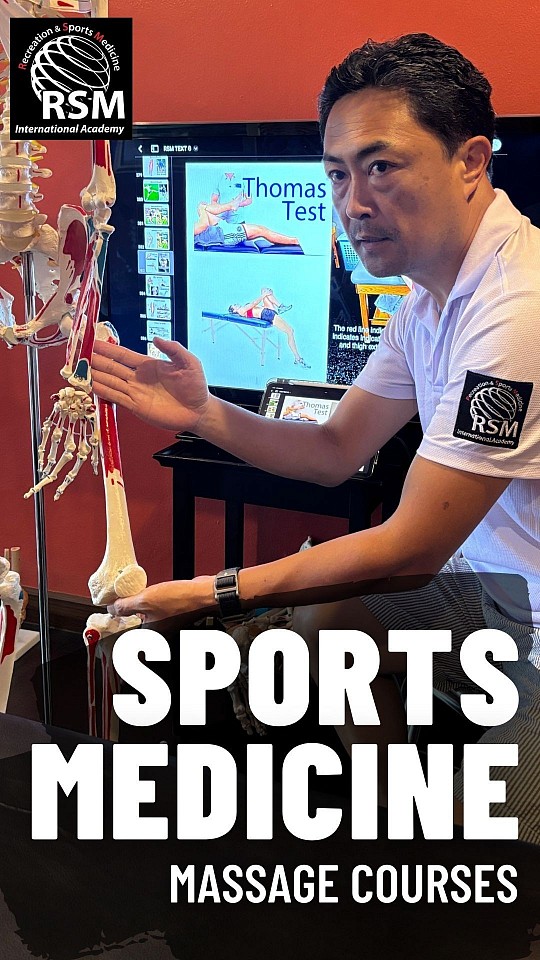
Sports Medicine Massage Course
Sports Medicine Massage Course
Integrative Clinical Training in Sports Medicine–Based Manual Therapy
The Sports Medicine Massage Course at RSM International Academy represents the pinnacle of the RSM educational framework. This advanced program synthesizes theoretical knowledge and practical skills acquired throughout the curriculum into a comprehensive model grounded in sports medicine, biomechanics, and clinical manual therapy. Unlike conventional massage programs that focus primarily on isolated techniques, this course prioritizes the cultivation of clinical reasoning and treatment protocol development.
The program aims to equip therapists with the expertise to analyze complex movement patterns, identify mechanical contributors to musculoskeletal stress, and implement targeted manual therapy interventions informed by sports medicine principles.
Integration of Multiple Manual Therapy Modalities
Throughout the RSM curriculum, students master various specialized treatment techniques, including:
- Trigger Point Therapy
- Deep Tissue Massage
- Dynamic Myofascial Release
- Sports Massage
- Remedial Massage
- Orthopedic Massage for Breathing and Spine Mobility
- Dynamic Postural Assessment & Kinetic Chain Training
Within the Sports Medicine Massage Course, these techniques are no longer studied in isolation; instead, students learn to integrate them into a cohesive treatment strategy.
This integration is critical, as musculoskeletal dysfunction rarely arises from a single cause. In sports medicine contexts, pain and injury typically result from the interplay of multiple factors, including:
- Repetitive mechanical loading
- Movement inefficiency
- Fascial restrictions
- Neuromuscular imbalances
- Joint mobility limitations
The course is designed to teach therapists how to interpret these complex interactions and formulate structured treatment protocols.
Movement Analysis and Case Study Application
A hallmark of the Sports Medicine Massage Course is the emphasis on movement analysis and real-world case studies. Students evaluate video recordings of athletic movements to observe biomechanical stress development during sport-specific activities. This approach offers critical insights into how repetitive training loads impact the body. By analyzing athletes’ movement mechanics, therapists learn to identify patterns such as:
- Inefficient force transfer within the kinetic chain
- Muscular compensation patterns
- Restricted joint mobility
- Excessive loading of specific muscle groups
This analytical process enhances therapists’ ability to anticipate potential sites of pain or injury.
Development of Treatment Protocols
The core competency cultivated in this course is the ability to design structured manual therapy protocols. Rather than applying techniques arbitrarily, therapists are trained to develop treatment plans based on a systematic assessment process, which typically includes:
- Postural and movement analysis
- Biomechanical evaluation of the kinetic chain
- Palpation-based tissue assessment
- Identification of fascial and neural restrictions
Therapists then learn to integrate multiple treatment modalities into a unified intervention strategy, mirroring the decision-making processes employed in professional sports medicine settings.
The Role of Manual Therapy in Performance Optimization
In elite sports, manual therapy extends beyond injury recovery to serve as a proactive approach for maintaining movement efficiency and performance capacity. Optimizing joint mobility, fascial glide, and neuromuscular coordination enables athletes to generate force more effectively while minimizing unnecessary mechanical stress.
Through this course, therapists deepen their understanding of how manual therapy supports:
- Injury prevention
- Recovery management
- Movement efficiency
- Long-term performance sustainability
A Professional-Level Training Environment
The Sports Medicine Massage Course represents one of the most advanced educational offerings at RSM International Academy. Students are encouraged to engage in critical thinking, conduct detailed movement analyses, and refine their clinical reasoning skills. Rather than rote memorization of techniques, participants develop the capacity to interpret complex biomechanical data and translate it into effective treatment strategies.
This advanced training embodies the core philosophy of the RSM Method, which regards manual therapy as a scientific and analytical discipline rooted in sports medicine and human movement science.
For therapists seeking an in-depth and sophisticated understanding of musculoskeletal treatment, the Sports Medicine Massage Course provides a robust framework for cultivating professional-level manual therapy expertise.
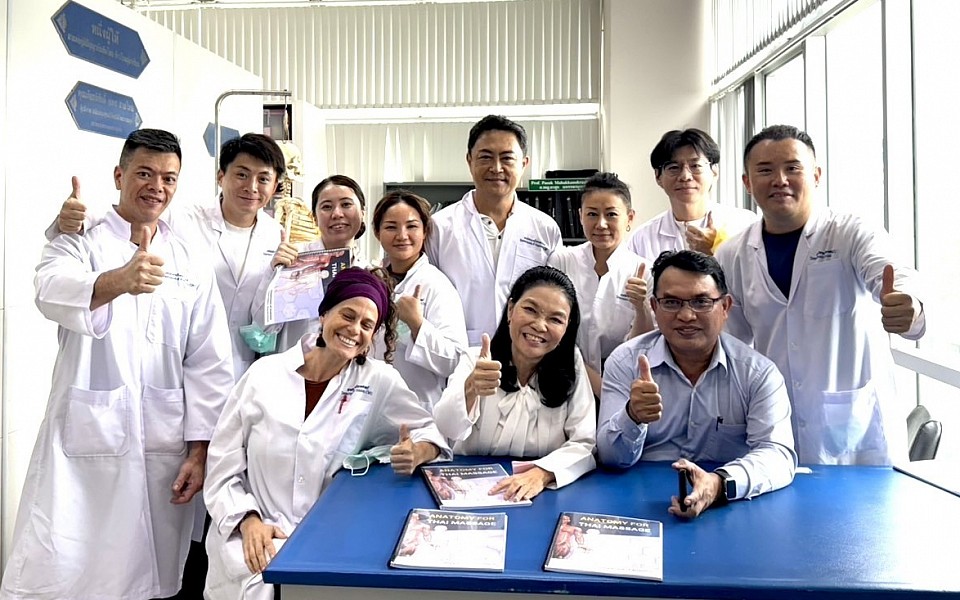
Surgical Training Center at Faculity of Medicine, Chiang Mai University
Professional Sports Medicine Massage Course
Advanced Clinical Training in Manual Therapy and Human Anatomy
The Professional Sports Medicine Massage Course offered by RSM International Academy represents one of the most advanced levels of manual therapy education available to massage therapists and sports medicine practitioners. This program is designed for therapists who have already developed palpation skills and manual therapy experience, and who have begun to encounter deeper clinical questions during treatment. When therapists repeatedly perform palpation and manual assessment, they inevitably begin to notice subtle structural variations within the body.
For example:
- Why does the direction of muscle fibers suddenly change in certain regions?
- Why do some tissues feel structurally different during palpation?
- How does surgical intervention alter muscle architecture and fascial continuity?
- Why do certain muscles exhibit unusual tension patterns even when the surrounding tissues appear normal?
These questions cannot be answered through textbooks alone. Understanding these structural details requires direct observation of real human anatomy.
Cadaver-Based Anatomical Training
A core component of the Professional Sports Medicine Massage Course is participation in specialized anatomical training conducted at the Surgical Training and Research Center of Chiang Mai University Medical School.
This facility is one of the most advanced medical training environments in Thailand and serves as an educational center for:
- surgeons
- medical residents
- anatomical researchers
- international medical professionals
Within this clinical environment, participants have the rare opportunity to study cadaveric anatomy under the guidance of medical professionals and university faculty. Through direct anatomical observation, therapists gain a deeper understanding of:
- muscle fiber orientation
- fascial layering
- structural relationships between muscles, nerves, and joints
- post-surgical tissue changes
- anatomical variations that cannot be fully appreciated through textbooks or digital images
This experience fundamentally changes how therapists perceive the human body during palpation and manual therapy. After studying real anatomical structures, therapists often report a dramatic improvement in their ability to interpret what they feel during treatment.
Integrating Anatomy with Manual Therapy Practice
The Professional Sports Medicine Massage Course is not simply an anatomy lecture. It is a clinical integration program designed to connect anatomical knowledge with practical treatment skills. Participants learn how anatomical structures directly influence the effectiveness of manual therapy techniques.
This knowledge is then applied to the core treatment methods taught at RSM International Academy, including:
- Trigger Point Therapy
- Deep Tissue Sports Massage
- Dynamic Myofascial Release
These three systems form the foundation of the MSC Sports Medicine Method, a treatment framework developed to address complex musculoskeletal dysfunction through manual therapy and movement-based analysis. By integrating anatomical understanding with these techniques, therapists develop a far more precise approach to treatment.
Rather than applying generalized massage methods, therapists learn to target specific structures based on clinical reasoning.
The MSC Sports Medicine Training System
The Professional Sports Medicine Massage Course is structured around the MSC Sports Medicine System, a training model developed by Hironori Ikeda, MSc Sports Medicine, founder of RSM International Academy. This system integrates multiple disciplines including:
- sports medicine
- functional anatomy
- biomechanics
- manual therapy science
- kinetic chain analysis
The goal is to train therapists who can analyze the body as an interconnected system rather than as isolated muscles. This perspective allows therapists to understand how localized pain often emerges from complex interactions within the kinetic chain.
A Program Designed for Serious Practitioners
The Professional Sports Medicine Massage Course is intended primarily for therapists who are serious about advancing their professional skills.
While motivated beginners are welcome to participate, the program is best suited for individuals who already possess a foundation in manual therapy and who are eager to deepen their understanding of human anatomy and clinical practice. Participants are expected to approach the program with a strong commitment to learning and professional development.
This course is particularly valuable for:
- massage therapists seeking advanced clinical knowledge
- sports therapists working with athletes
- rehabilitation specialists
- bodywork practitioners interested in evidence-based treatment
Learning Beyond Textbooks
One of the defining characteristics of this course is that it provides knowledge rarely found in books or online resources. Through the combination of cadaver anatomy, clinical discussion, and practical training, participants gain insights that are typically accessible only within medical education environments.
This experience allows therapists to refine their palpation skills and understand the body with far greater clarity. For many participants, this program represents a turning point in their professional development.
Professional Education at the Highest Level
The Professional Sports Medicine Massage Course stands as one of the flagship programs of RSM International Academy.
By combining advanced manual therapy training with real anatomical education in collaboration with Chiang Mai University, this program offers a rare opportunity for therapists to study the human body at a level normally reserved for medical professionals. For practitioners seeking a deeper understanding of anatomy, manual therapy, and sports medicine, this course provides a powerful pathway toward clinical excellence.
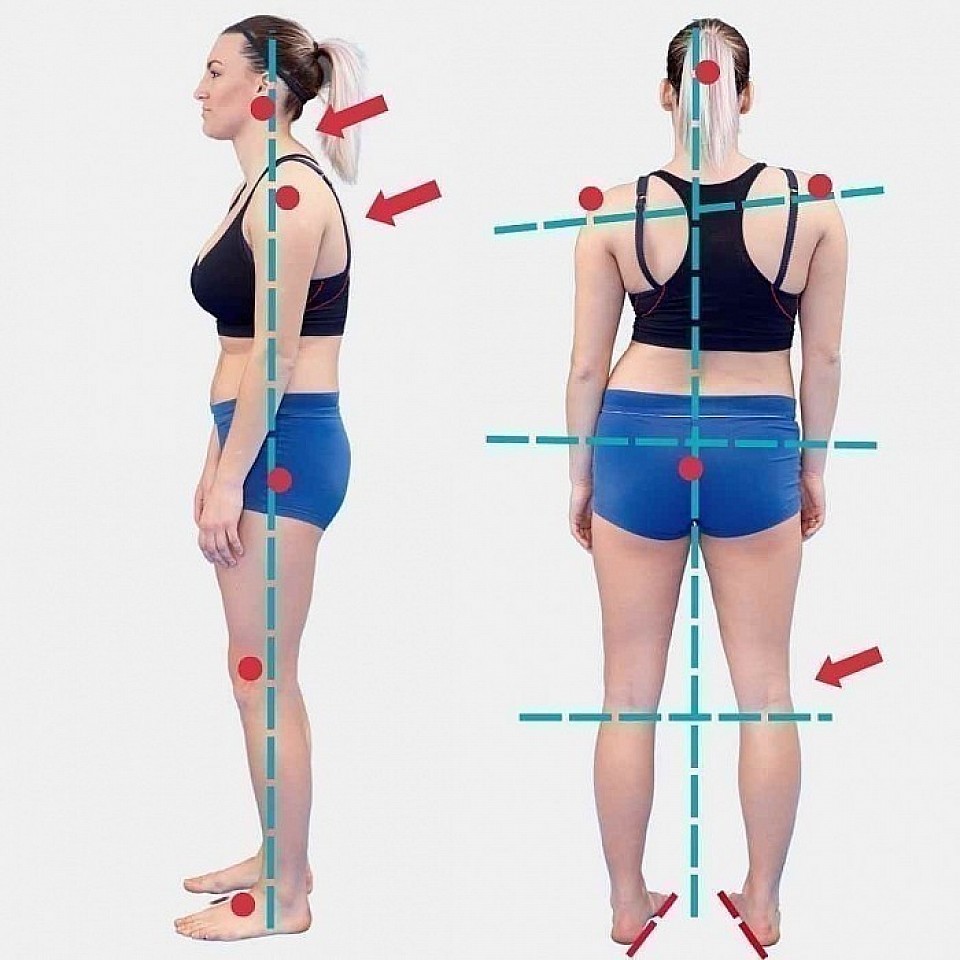
Students learn postural assessment through sports medicine
Why Therapists Choose RSM International Academy
A Global Benchmark in Sports Medicine–Based Manual Therapy Education
RSM International Academy offers a distinctive educational model in manual therapy and sports medicine–based bodywork. Unlike many massage schools worldwide that emphasize technique-driven training, the RSM Method is designed to equip therapists with an in-depth understanding of human movement, biomechanics, and clinical reasoning.
Established and led by Hironori Ikeda, who possesses over 30 years of expertise in sports medicine and manual therapy, RSM International Academy has developed a comprehensive training system that merges contemporary scientific knowledge with practical, hands-on treatment skills.
This educational philosophy attracts therapists, bodyworkers, and movement specialists globally who seek advanced knowledge beyond traditional massage training.
Education Grounded in Sports Medicine Principles
Central to the RSM Method is the conviction that manual therapy should be informed by sports medicine principles and functional anatomy, rather than relying solely on rote techniques. The human body operates as an integrated system where muscles, fascia, joints, and the nervous system collaborate through the kinetic chain.
Musculoskeletal pain seldom originates from a single isolated muscle. Instead, such issues typically arise from complex interactions involving posture, movement mechanics, and tissue mobility. Consequently, RSM International Academy’s training emphasizes:
Movement analysisPostural assessmentFascial mobilityNeural dynamicsBreathing mechanics and spinal stabilityKinetic chain biomechanics
By mastering the evaluation of these components collectively, therapists develop the capacity to identify the underlying mechanical causes of musculoskeletal dysfunction.
Advanced Palpation and Anatomical Proficiency
Another hallmark of the RSM educational system is its focus on advanced palpation training. Palpation is a critical skill in manual therapy, requiring not only extensive practice but also profound anatomical knowledge to accurately discern tissue structures by touch.
To enhance this learning, RSM International Academy collaborates with the Faculty of Medicine at Chiang Mai University, providing students with opportunities to observe authentic anatomical structures through cadaver-based anatomy sessions. These experiences deepen therapists’ comprehension of the spatial relationships among muscles, fascia, nerves, and joints.
This level of anatomical exposure is seldom available in conventional massage programs and significantly elevates the precision of clinical palpation skills.
Integrating Assessment and Treatment
While many massage training programs prioritize technique, they often offer limited instruction on pre-treatment body evaluation. At RSM International Academy, assessment forms the cornerstone of effective manual therapy. Students are trained to analyze:
Anterior and posterior pelvic tiltKyphotic and hyperlordotic postureForward head postureScapular imbalanceThoracic mobility restrictionsMovement dysfunction within the kinetic chain
Understanding these patterns enables therapists to identify the root causes of muscular tension and apply precise manual therapy interventions. This integration of assessment and treatment aligns with the clinical reasoning models employed in sports medicine and rehabilitation sciences.
A Distinctive Integration of Techniques
The RSM Method synthesizes multiple advanced manual therapy modalities into a unified, coherent system, including:
Trigger Point TherapyDeep Tissue MassageDynamic Myofascial ReleaseOrthopedic Massage focused on Breathing and Spine Mobility training
Each technique targets specific facets of musculoskeletal function, collectively furnishing therapists with a comprehensive toolkit to restore tissue mobility, enhance posture, and optimize movement efficiency.
International Acclaim and Professional Esteem
Over time, RSM International Academy has earned a distinguished reputation among therapists and movement professionals worldwide.
Many students travel internationally to participate in courses, seeking a more profound and clinically oriented manual therapy education. This esteem is reflected in numerous five-star reviews on Google Maps, where trainees consistently commend the program as one of the most thorough and educational manual therapy experiences available.
While each therapist’s journey is unique, the prevailing feedback underscores the depth of anatomical knowledge, practical skills, and clinical insight gained through RSM training.
An Environment for Dedicated Professionals
RSM International Academy is not a casual massage training program; it is designed for therapists committed to attaining a profound understanding of the human body.
Students are encouraged to engage in critical thinking, meticulous movement observation, and continual refinement of palpation skills. This rigorous environment attracts professionals passionate about advancing their clinical expertise and broadening their comprehension of musculoskeletal health.
The Philosophy Underpinning the RSM Method
The guiding philosophy of RSM International Academy can be encapsulated as follows: Manual therapy should transcend mere tension relief and actively enhance human movement.
By integrating sports medicine principles, anatomical education, and practical treatment skills, the RSM Method offers therapists a comprehensive framework for understanding and addressing musculoskeletal dysfunction.
For therapists aspiring to move beyond fundamental massage techniques and cultivate a deeper mastery of posture, movement, and clinical manual therapy, RSM International Academy delivers an educational experience that exemplifies the highest standards of contemporary manual therapy training.
