Balance Ball Yoga™: Core and Balance Training for Posture Correction & Kinetic Chain Integration
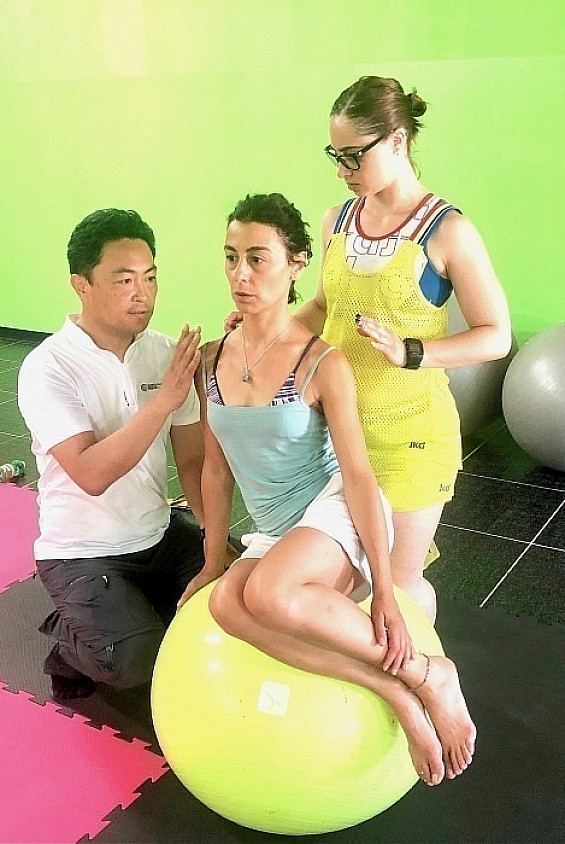
Core Engagement for Kinetic Chain and Postural Realignment
Dynamic Balance Training and Core Stabilization for Kinetic Chain Integration
Balance Ball Yoga™, founded by Hironori Ikeda, MSc in Sports Medicine, is an advanced postural alignment discipline grounded in clinical sports science. This method corrects ascending and descending kinetic chain mechanics, improving joint positioning and reducing chronic tension through coordinated abdominal muscles engagement and integrated muscle activation patterns.
Validated by a 2020 thesis from the University of Cagliari, this discipline provides immense benefits for both rehabilitation and athletic performance. By optimizing biomechanical function, practitioners enable efficient force transfer, improved motor control, and enhanced overall physical strength for the back and lower extremities.
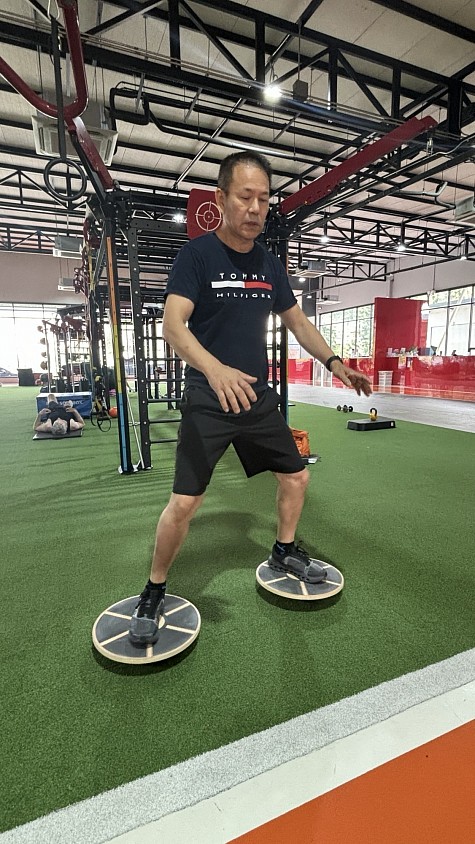
Dynamic postural stability assessment
Training Methods and Biomechanical Assessment
🔸 Price : 6,000 Baht / 4 Sessions (Monday to Thursday)
🔸 Schedule : 18 : 00 - 19 : 00
🔸 Location : Speed Gym Chiang Mai
Sessions begin with twist disc integration focusing on breathing coordination, postural support, and activating the core, including an initial biomechanical assessment.
- Twist disc protocols (initial phase) :
breathing coordination, core-strength exercise execution, central alignment, and baseline functional evaluation.
- Air cushion balance exercises :
multi-joint coordination and kinetic chain integration.
- BOSU platforms :
central equilibrium, breathing patterns, vertebral mobility, and nalyzing bilateral symmetry and how each side transfers mechanical force.
- Treadmill gait analysis :
functional movement, evaluating walking and running gait mechanics.
- Advanced Balance Ball Yoga™ protocols :
developing athletic ability and dynamic balance.
- Slackline practice (advanced) :
agility evaluation and high-level proprioceptive development.
🔸 All routines are designed to improve both clinical rehabilitation outcomes and athletic capacity. This program adapts to each individual, from elderly clients to high-performance athletes, ensuring safe progression without unnecessary risk to the spine or joints.
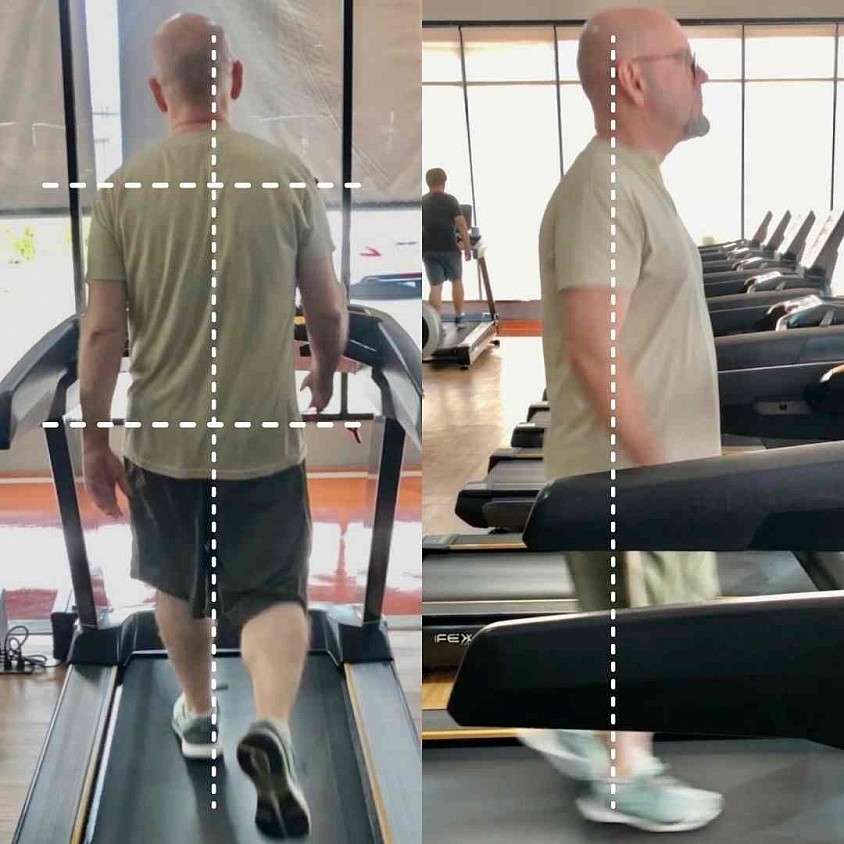
Kinetic chain movement training
Individualized Coaching, Analysis, and Program Conditions
🔸 Every session is personally instructed by our founder and head coach, a specialist in biomechanical optimization, kinetic alignment, and pain management, who takes full professional responsibility for your clinical progress.
- All routines are tailored to your unique postural habits and baseline fitness level.
- Video recording and detailed clinical analysis are provided, with direct corrective feedback on your single-leg balance and bilateral symmetry.
- Maximum 6 participants per group session.
🔸 Additional Costs :
- Gym entrance fee: approximately 100 Baht
- Transportation to Speed Gym: 150 - 200 Baht (or 200 - 250 Baht via Grab)
- These costs are not included in the program fee.
- Participants are encouraged to share transportation or use personal vehicles when possible.
🔸 This curriculum integrates kinetic chain evaluations through evidence-based practice, providing a structured, professional approach to long-term physical enhancement.
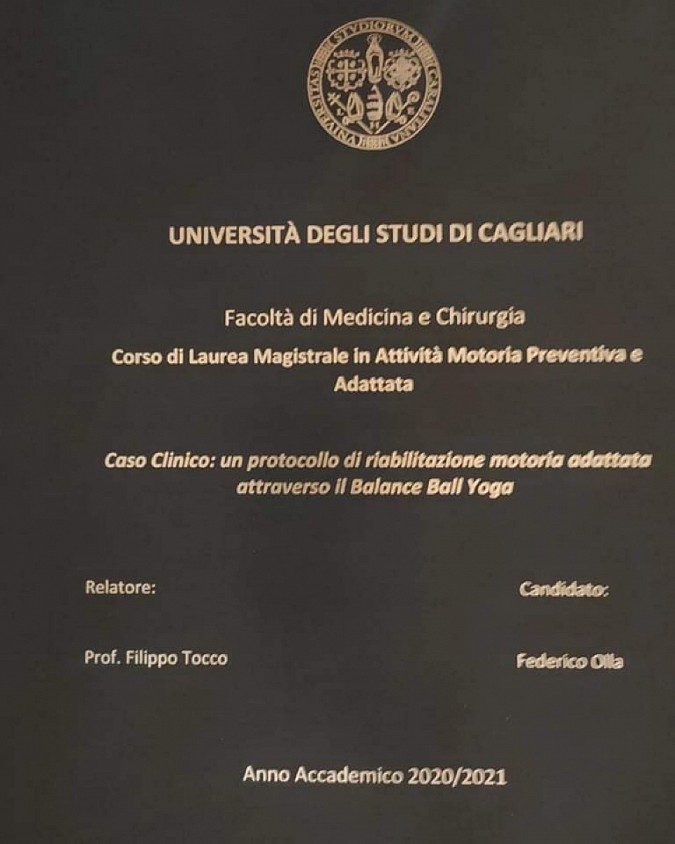
Balance Ball YOGA thesis, University of Cagliari
Scientific Validation and International Clinical Development
This methodology has been academically validated through a graduation thesis at the University of Cagliari. The research demonstrated measurable improvements in posture, vertebral column biomechanics, and motor patterns through structured Balance Ball Yoga™ instruction, confirming its clinical value for rehabilitation.
A representative case study involved a 13-year-old with mild motor dysfunction. After several months of targeted work, significant improvements were observed, with abnormalities in the lumbar region of the back reduced to near normal levels. The system is now studied globally. From 2027 onward, advanced conditioning programs are planned in Europe in collaboration with Dr. Simone Ripamonti, who was active as a physical trainer for Real Madrid in 2009, alongside licensed clinical experts.
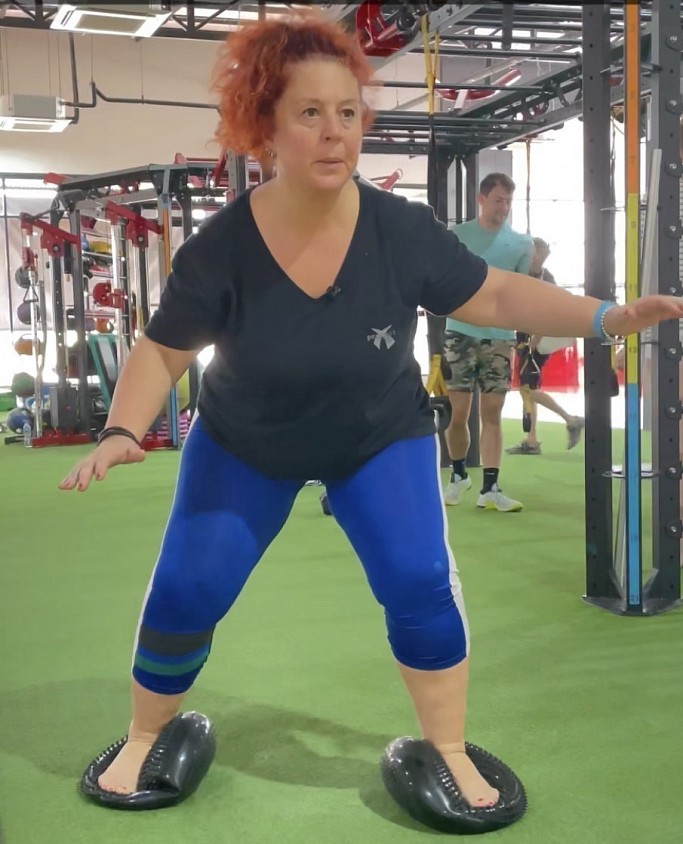
Postural stability training for rehabilitation
Proprioceptive Assessment and Kinetic Chain Analysis
This curriculum utilizes proprioceptive drills on unstable surfaces to assess full-body kinetic chain function, including the ankle, knee, hip, and lumbar regions. It evaluates equilibrium, biomechanical habits, and agility to identify dysfunctions that may contribute to pain or inefficient mechanics.
All actions are recorded to clearly determine the root cause of dysfunction, allowing highly precise training design. We focus on kinetic efficiency rather than traditional flexibility, rewiring the nervous system's approach to human movement.
🔸 All analysis is conducted by Hironori Ikeda, ensuring scientifically structured conditioning for every participant.
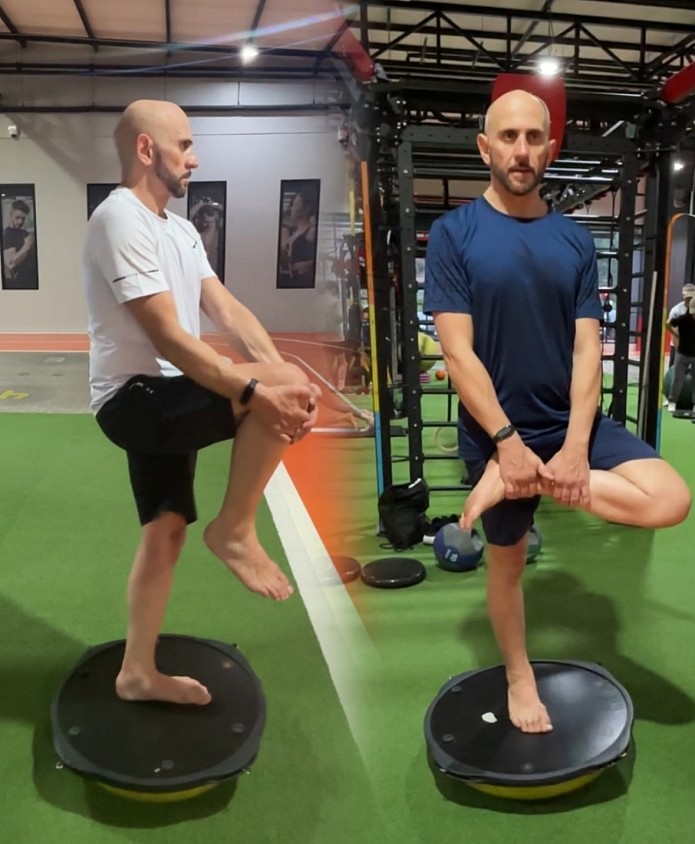
Dynamic Core Stability and Postural Realignment Program
Single-Leg Balance Assessment and Bilateral Evaluation
Unilateral stance is a fundamental component of human movement. This module uses single-leg assessment on unstable surfaces to evaluate how the body stabilizes and moves through the kinetic chain, including upper and lower limb coordination, core stabilization, and breathing integration.
🔸 Through detailed observation of these actions, dysfunctions and sources of pain in the leg or lower back can be clearly identified. Based on this analysis, individualized programs are designed for physiotherapists, rehabilitation specialists, and athletic trainers seeking clinical-grade conditioning.
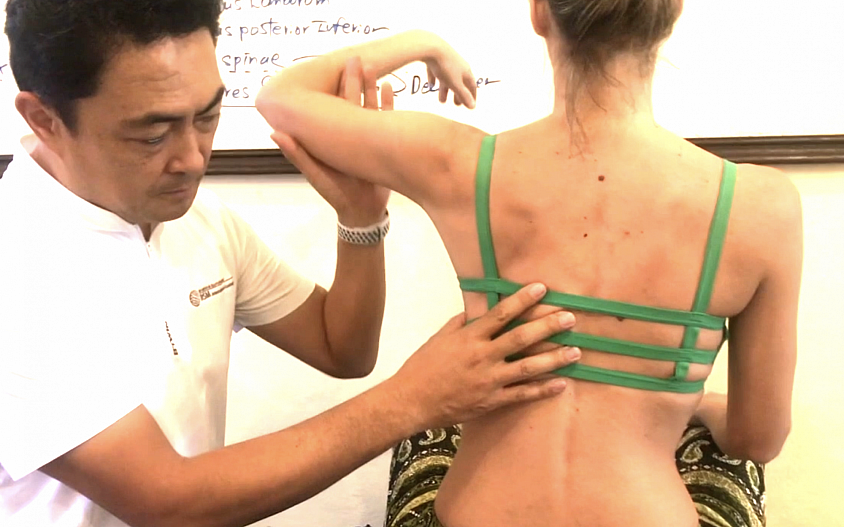
dynamic postural assessment
Functional Assessment and Clinical Diagnostics
By analyzing mechanics on unstable surfaces, this framework identifies compensatory patterns and deficiencies that affect both daily function and athletic output.
Through detailed analysis, clinical dysfunctions are identified, including tight muscles, joint restriction, and biomechanical imbalances. Advanced palpation techniques are applied to accurately locate the source of the structural limitation, allowing precise corrective strategies.
🔸 These skills are essential for professionals seeking advanced clinical development. For those aiming to elevate their expertise, these techniques can be further studied through RSM programs such as Trigger Point Therapy, Deep Tissue Massage, and the Dynamic Myofascial Release Training Course.
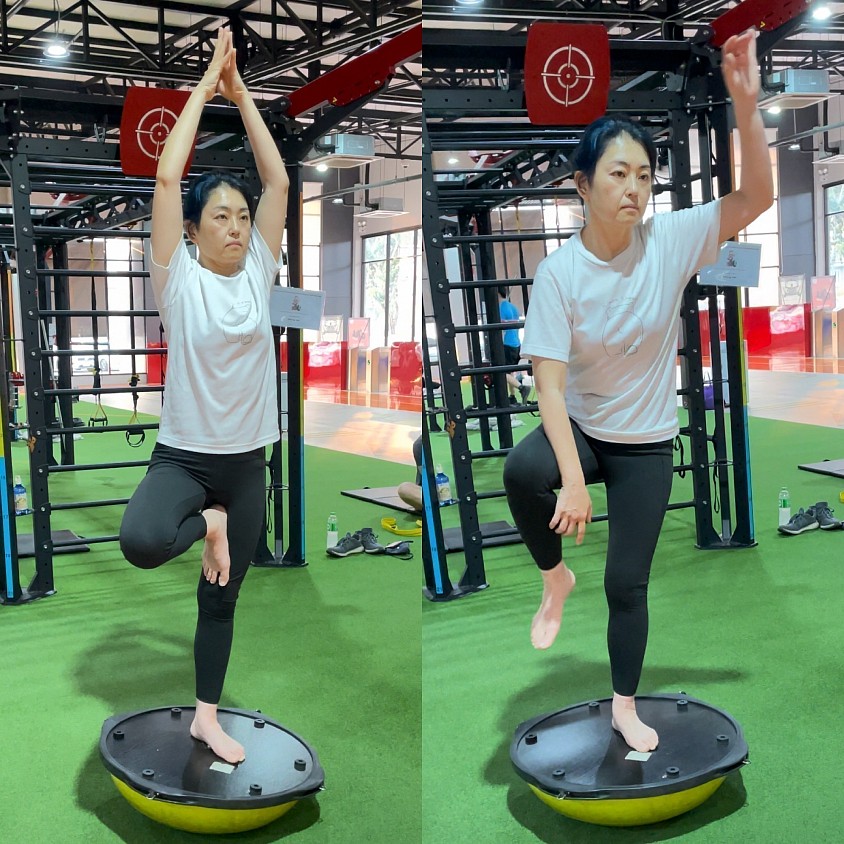
Postural assessment on a BOSU Balance Ball
Personalized Instruction and Performance Optimization
Based on clinical assessment findings, individualized programs are designed to improve alignment, mechanical efficiency, and kinetic chain function. Each routine targets specific dysfunctions, providing a structured strategy for injury rehabilitation.
The images demonstrate a progression from unsteady actions to improved postural control after just a few days of instruction. By applying targeted mobility work and daily gait corrections, significant improvements in structural alignment can be achieved.
🔸 This approach is highly effective for neuromuscular rehabilitation, correcting posture, and ensuring your individual leg strength and overall force production operate perfectly.
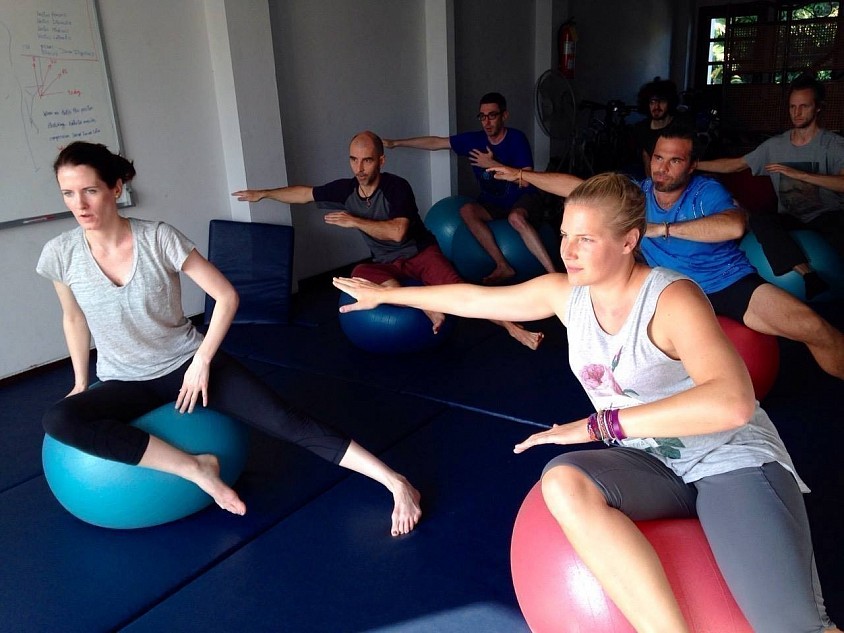
Kinetic Chain Posture Correction and Core Strength Program
Fundamental Program: Balance Ball Yoga™ – Core Strength and Breathing Integration
Balance Ball Yoga™ is an advanced framework designed to optimize physical output beyond conventional regimens. The foundational level focuses on central control, breathing coordination, and postural alignment, using an unstable sphere to introduce controlled challenges.
Participants learn to activate the correct core muscles, support the vertebrae, and coordinate breathing. Through clinical repetition, they build a strong neuromuscular foundation, improving vertebral column biomechanics and kinetic chain efficiency.
🔸 This phase provides an evidence-based, structured approach to eliminate pain, correct posture, and establish highly efficient motor patterns.
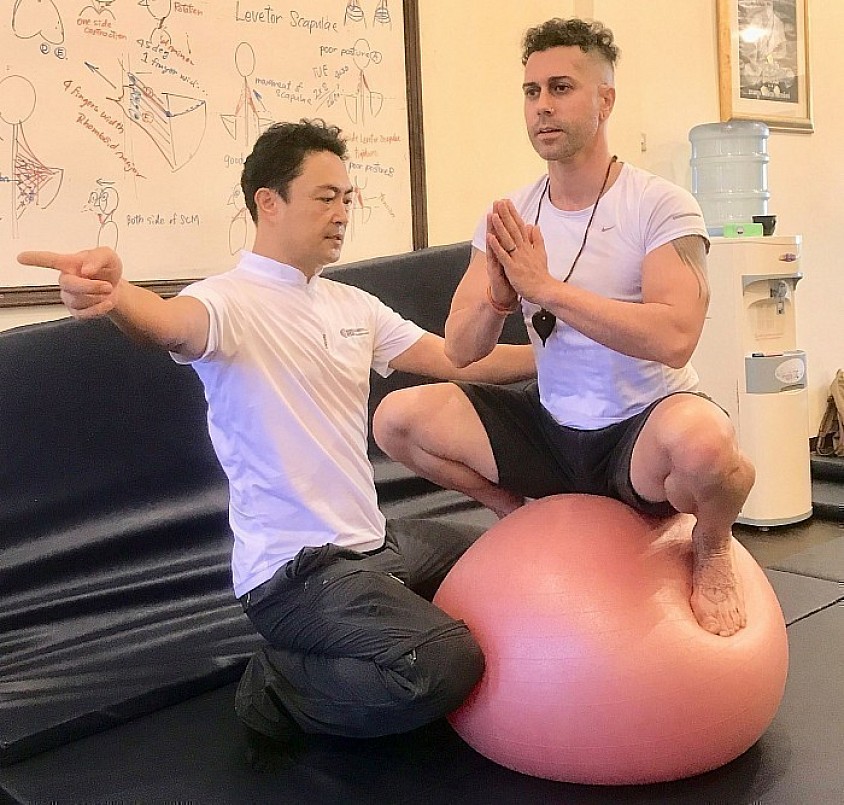
Spine and dynamic postural stability training
Advanced Program: Core Training for Automatic Control and Athletic Efficacy
At the advanced level, the focus shifts to automatic motor integration, where central alignment is naturally executed without conscious effort. Training emphasizes weight distribution and full kinetic chain integration. By identifying structural compensations, highly specific strategies are applied.
Based on sports science and neuromuscular coordination, this system enables high performance with a strong pull toward minimal energy expenditure (less effort, greater output). All sessions ensure professional-level precision for long-term optimization.
Frequently Asked Questions
How does this methodology differ from standard stability practices?
Standard stability or traditional yoga classes typically occur on rigid floors, which allows the nervous system to rely on familiar biomechanical compensations. By introducing a precisely controlled unstable environment, such as a BOSU or air cushion, our system bypasses conscious muscle bracing and forces immediate, involuntary neuromuscular activation. This methodology corrects hidden kinetic chain dysfunctions and myofascial asymmetries that static poses simply cannot reach, offering a highly clinical application of yoga for posture correction. Ultimately, it trains the central nervous system to intuitively stabilize the spine and joints in real-time, rather than relying on forced alignment.
Who benefits most from Balance Ball Yoga™?
This program is dynamically scalable, making it highly effective for two distinct demographics. First, it serves athletes and sports professionals seeking advanced athletic ability, injury prevention, and optimized kinetic force transfer. Second, it is ideal for individuals suffering from chronic joint tension, recurrent back pain, or severe postural misalignments requiring advanced neuromuscular rehabilitation. Because the methodology focuses on correcting the root biomechanics of the body rather than merely treating localized symptoms, it simultaneously elevates high-level performance and provides profound clinical relief for those whose dysfunctions have resisted traditional physical therapy.
Does this practice improve function and force transfer in the legs and lower body?
Absolutely. Human locomotion relies heavily on the ascending kinetic chain, which begins at the point of contact and travels upward through the ankle, knee, hip, and pelvis. Because our program rigorously evaluates and trains unilateral stance on unstable surfaces, practitioners experience immediate improvements in how each leg mechanically absorbs and transfers ground reaction forces. This results in significantly better gait mechanics, reduced impact stress on the joints, and enhanced overall agility. By correcting these foundational lower-body mechanics, we eliminate the compensatory tension that often manifests as chronic pain in the lumbar region or upper body.
