RSM Blog: Manual Therapy Techniques
Shiatsu Massage for Digestive Issues
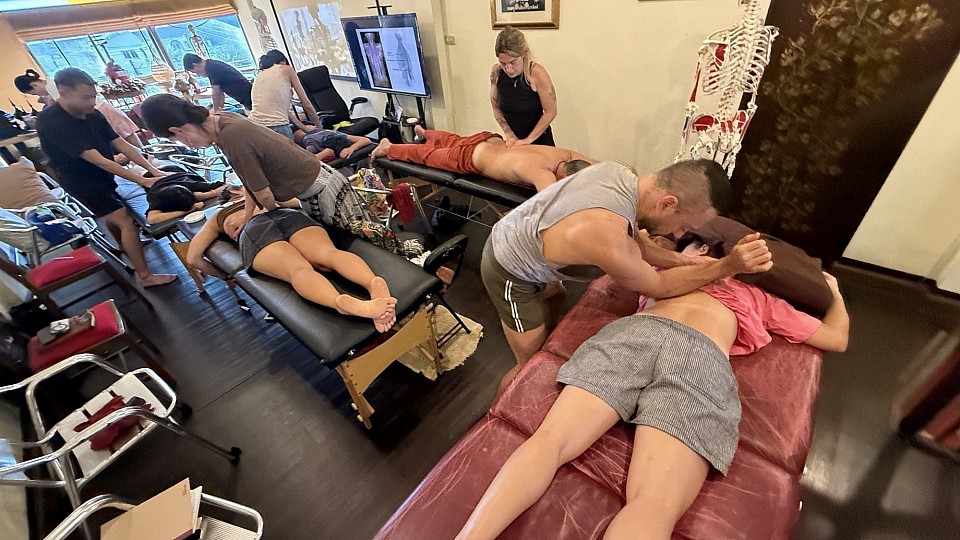
Deep Shiatsu Massage Course
In modern clinical practice, we often focus on the musculoskeletal system to treat chronic back pain or repetitive strain injuries. However, the enteric nervous system, often called the “second brain,” plays a pivotal role in a patient’s overall vitality and recovery. At RSM International Academy, while our foundation is in sports medicine, we emphasize that overlooking visceral health limits therapeutic potential for any client. A strength of Shiatsu that I teach in RSM’s Shiatsu Massage Course is to treat the whole person.
Understanding Shiatsu and Digestive Health
Shiatsu is frequently misunderstood as merely a Japanese form of deep tissue work. However, its physiological impact is distinct. While Western massage often uses effleurage to flush blood and lymph, shiatsu utilizes sustained, perpendicular pressure. This technique is specifically designed to trigger somatovisceral reflexes, bridging the gap between external mechanical stimulation and internal organ function.
For professionals treating digestive issues, the primary mechanism of action is the regulation of the autonomic nervous system. Chronic stress locks the body in a sympathetic state (“fight or flight”), shunting blood away from the viscera and halting peristalsis. Shiatsu therapy acts as a manual override. By engaging the parasympathetic nervous system – the “rest and digest” mode – we signal the body that it is safe to prioritize visceral function. This is why massages are highly effective in clinical settings; they reduce the cortisol load that systematically inhibits the digestive system.
Treating Digestive Disorders with Ampuku
Central to our curriculum is Ampuku, or abdominal massage. In Eastern medicine, the abdomen is considered the center of vitality; in Western terms, it is the hub of the enteric nervous system. In my clinical practice, I often find this area guarded and tight in patients, reflecting high levels of anxiety and core tension regardless of their profession. Shiatsu massage applied here involves gentle, clockwise motions that follow the anatomical path of the colon.
This mechanical stimulation is critical for treating digestive stagnation. It aids directly in relieving constipation by guiding waste through the large colon while simultaneously stimulating the vagus nerve. When we reduce tension in the abdomen, we often see a correlation in the relief of lower back pain, as the internal intra-abdominal pressure against the lumbar spine dissipates.
Pressure Points to Improve Digestion
When direct abdominal work is contraindicated due to sensitivity, we utilize the body’s neuro-fascial pathways – traditionally mapped as the meridian system. Shiatsu therapy can be beneficial by accessing these distal points, which influence the gut through shared nerve innervation and connective tissue planes. We focus on specific pressure points proven to improve digestion:
- Stomach 36 (Zu San Li): Located on the tibialis anterior muscle, stimulation here influences gastric activity through the deep peroneal nerve.
- Large Intestine 4 (He Gu): Found in the dorsal interosseous muscle of the hand, this point on the traditional intestine meridian is essential for downregulating sympathetic signaling and regulating elimination.
- Conception Vessel 12 (Zhong Wan): Located on the midline of the torso, this point serves as a functional alarm point for the stomach, allowing direct access to the visceral fascia.
Integrating Therapy for Systemic Healing
The goal of therapy is not just symptom management but systemic balance. If a patient has poor digestion, their tissue repair slows down and inflammation markers rise. By incorporating shiatsu into a treatment protocol, we support the body’s fundamental ability to nourish itself.
Shiatsu is a versatile tool because it requires no oils or equipment, making it easily adaptable in any medical or wellness environment. Whether dealing with chronic digestive disorders or stress-induced IBS, the gut remains a central pivot of health. We believe that true healing occurs when we remove the obstacles to the body’s self-regulation. Through precise, informed touch, we clear stagnation in these neuro-fascial pathways and allow the patient to recover from the inside out.
Massage for Athletes: Techniques and Tips for Peak Performance
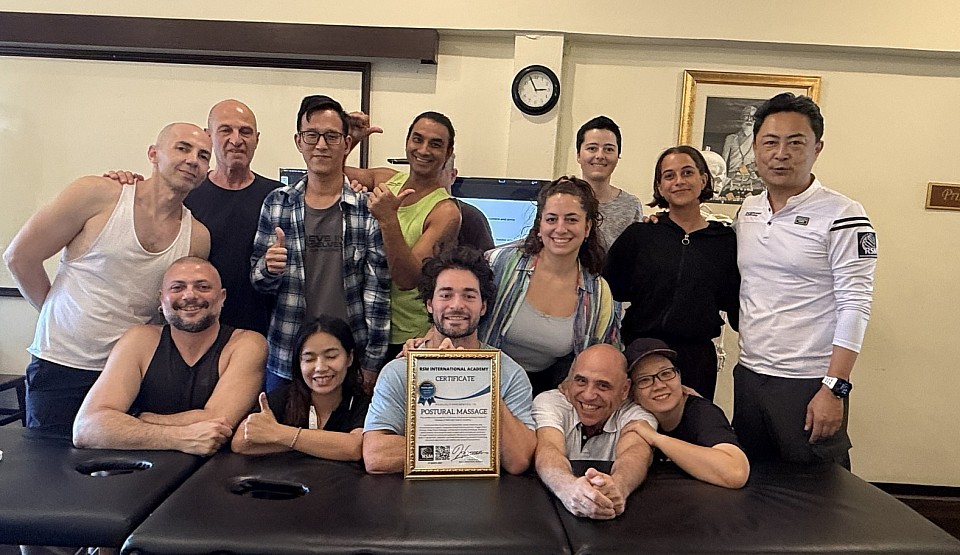
Sports Massage Course
The following guide details the clinical approach we teach in RSM’s Sports Medicine Massage and Sports Massage Courses. It explores how targeted manual therapy influences recovery, prevents pathology, and optimizes output for the human body in motion.
The Physiology of Sports Massage and Recovery
When working with elite athletes, Sports massage serves two distinct functions: mechanical restoration and neurological modulation.
Mechanically, we aim to reduce hypertonicity. Neurologically, we must gauge the athlete’s state of arousal. Are they pre-competition, requiring stimulation? Or are they post-training, requiring a shift into a parasympathetic state to facilitate repair? A skilled therapist recognizes that sports medicine is as much about managing the nervous system as it is about managing muscle fibers.
One of the primary goals of our work is reducing recovery time. When an athlete engages in high-intensity training, metabolic byproducts accumulate. While the body has efficient systems for clearing lactate, high-volume work can overwhelm these natural processes. Manual therapy acts as a mechanical pump. By manipulating soft tissue, we increase venous return and lymphatic flow. This is not merely about “flushing toxins”; it is about hemodynamics. We are mechanically assisting the movement of fluid from the interstitial spaces back into the vascular system. This improvement in fluid dynamics ensures that oxygen and nutrient-rich blood reaches the repairing tissues faster.
Research supports the idea that massage can attenuate inflammatory signaling after exercise. By mitigating the inflammatory response, we allow the athlete to return to their baseline functional state more rapidly. This is the core definition of recovery: the speed at which an organism returns to homeostasis following stress.
Essential Massage Techniques for the Elite Therapist
At RSM, we emphasize that technique without assessment is blind. However, once an assessment is made, the therapist must possess a refined toolkit. The following massage techniques form the backbone of effective treatment.
Effleurage and Deep Stroking
Effleurage is often dismissed as a mere “warm-up,” but its diagnostic value is immense. I teach my students to use these long, gliding strokes to palpate for temperature differences, texture changes, and muscle tone. In a sports massage context, deep stroking follows the direction of venous flow to assist in fluid clearance. The pressure must be broad and consistent; if it is too sharp, the body’s protective mechanisms kick in, causing the muscle to guard against the intrusion.
Petrissage and Muscle Tone
Petrissage involves kneading, rolling, and lifting the soft tissue. This is essential for addressing muscle tone. By lifting the muscle belly away from the underlying bone structures, we stretch the transverse fibers and improve sarcoplasmic fluid movement within the muscle itself. For massage therapists working with contact sports athletes, petrissage is crucial for maintaining tissue elasticity. Rigid, hypertonic muscles are more susceptible to strains. By regularly mobilizing the tissue, we help maintain the suppleness required for explosive movement.
Friction and Adhesions
When tissue is damaged, the body repairs it with collagen. This repair process is often haphazard, resulting in scar tissue or adhesions that bind distinct layers of tissue together. Cross-fiber friction is applied transversely to the direction of the fiber to mechanically break down these restrictions and realign the collagen fibers. This can be uncomfortable, so communication is vital. We are not trying to cause pain; we are trying to remodel tissue.
Debunking the Pain Myth in Deep Tissue Massage
There is a pervasive myth in the athletic community that effective therapy must be painful. Clients often request deep tissue massage expecting to feel “beaten up.” I frequently correct this mindset. Deep tissue refers to the layer of the body we are targeting, not the amount of force we are using. To reach the deeper layers of the musculature – such as the subscapularis or the multifidus – we must sink slowly through the superficial layers.
True deep tissue massage is slow. It requires patience. We wait for the superficial fascia to melt and yield before we engage the deeper structures. If a therapist uses excessive force, they risk bruising the tissue and causing micro-trauma, which initiates an inflammatory cycle rather than resolving one. In my practice, working at the “edge” of resistance – where the tissue pushes back slightly but does not lock up – yields the most profound changes in muscle function.
Timing Treatment for Optimal Sports Performance
One of the most frequent questions I receive regarding massage for athletes: techniques and tips concerns timing. When should an athlete receive treatment? The answer depends entirely on the proximity to their event.
Pre-Event Protocols
A pre-event session is typically short, lasting 15 to 20 minutes. The goal is upregulation. We want to increase blood flow and sympathetic nervous system firing using fast-paced techniques like tapotement and rapid friction. We avoid deep, sedative work before an event, as this lowers muscle tone and can temporarily reduce the ability to generate explosive force. Pre-event work should leave the athlete feeling energized and mobile.
Post-Event Protocols
Post-event work serves a different purpose: down-regulation. This session should occur after the athlete has cooled down and rehydrated. Here, we use slower strokes to calm the nervous system and address acute areas of tension. We are looking to facilitate the clearance of metabolic waste. However, after an extreme endurance event, the muscles may be micro-traumatized. Aggressive deep work can cause further damage. A gentle, flushing approach is safer and more effective immediately post-event.
Maintenance and Injury Prevention
Maintenance work is where the real progress happens. These sessions occur during training blocks to address chronic imbalances and postural issues. Regular massage therapy allows us to monitor the condition of the tissues over time. We can identify a tight hamstring before it becomes a tear, or a restriction in the shoulder capsule before it becomes an impingement. This preventative aspect is arguably the most valuable service we provide to elite athletes.
Targeted Massage for Specific Anatomical Structures
To deliver high-level sports massage, one must visualize the anatomy in three dimensions. We do not massage “the back”; we massage the trapezius, the rhomboids, and the erector spinae. Each has a different fiber direction, depth, and function.
The Shoulder Complex
The shoulder is a frequent site of dysfunction in athletes, particularly in tennis, volleyball, and swimming. The rotator cuff muscles require precise work. The subscapularis, located on the anterior surface of the scapula, is often neglected because it is difficult to access. Yet, it is a primary internal rotator and stabilizer. Tightness here can lead to significant restriction in overhead motion. Accessing this requires the therapist to work carefully into the axilla, a sensitive area that demands trust and skill.
The Posterior Chain
In runners and cyclists, the posterior chain – glutes, hamstrings, and calves – bears the load. The junction between the hamstring and the ischial tuberosity is a common site of tendinopathy. Friction work here can stimulate collagen realignment. The calves act as the peripheral heart, pumping venous blood back up against gravity. Tightness here affects ankle mobility, which can cascade upwards to cause knee and hip issues. I often treat plantar fasciitis not by rubbing the foot, but by releasing the soleus and gastrocnemius, relieving the tension on the calcaneus.
Injury Prevention and Contraindications
Prevention is superior to cure. By maintaining tissue length and quality, we reduce the risk of strain. One specific protocol we teach involves the IT band. Many believe you should foam roll or massage the IT band directly. However, the IT band is a thick, fibrous band of fascia that is incredibly resistant to stretch. The tension in the IT band is usually dictated by the muscles that attach to it: the gluteus maximus and the tensor fasciae latae (TFL). Instead of grinding into the sensitive IT band, we focus on releasing the TFL and the glutes. Once these muscles relax, the tension on the IT band decreases, and knee pain often resolves.
While the benefits of massage are vast, there are times when it is unsafe. We teach strict adherence to contraindications. Acute injuries – such as a fresh muscle tear, contusion, or sprain – should not be massaged immediately. The body is in the acute inflammatory phase, trying to stabilize the area. Rubbing a fresh tear disrupts the platelet clot and increases bleeding. We follow the POLICE protocol (Protection, Optimal Loading, Ice, Compression, Elevation) in the acute stage. Massage is introduced only when the tissue has stabilized.
Systemic issues such as fever, infection, or deep vein thrombosis (DVT) are absolute contraindications. A massage therapist must be vigilant. If an athlete presents with localized heat, redness, and swelling in the calf, we do not massage it; we send them to the emergency room to rule out a blood clot. Promoting safety is the hallmark of a medical professional.
Enhancing Flexibility and Range of Motion
Physical flexibility is often limited by neurological guarding rather than actual tissue length. When a muscle is stretched too far or too fast, the muscle spindle fibers fire a reflex to contract the muscle and prevent injury. This is the stretch reflex. Through techniques like proprioceptive neuromuscular facilitation (PNF) and slow, sustained massage, we can desensitize this reflex. We teach the nervous system that the new range of motion is safe, allowing for improved flexibility without the risk of over-stretching the ligaments.
For example, when treating a limited hip extension, we address the iliopsoas. This deep hip flexor is often shortened in athletes who sit frequently or in cyclists. Releasing the psoas allows the glutes to fire more effectively, restoring the balance of the hip joint.
Integrating Myofascial Release
Fascia is the connective tissue matrix that surrounds every muscle, bone, and organ. In many cases of chronic restriction, the issue lies in the fascial system rather than the muscle fiber. Myofascial release differs from standard massage in that it does not use oil or lotion. We rely on the friction between the skin and our hands to stretch the fascial planes.
For an athlete, restricted fascia is like wearing a suit that is two sizes too small. It limits range of motion and alters biomechanics. By engaging the fascial barrier and holding a sustained stretch, we rely on the property of thixotropy – the ability of a gel-like substance to become more fluid when agitated or warmed. This restores the sliding capacity of the inter-muscular layers, allowing for improved sports performance through greater mechanical efficiency.
Towards Clinical Practice
At RSM International Academy, our mission is to elevate the standard of manual therapy. We believe that massage therapists are essential members of the athletic healthcare team. By combining precise massage techniques, a deep understanding of anatomy, and a respect for physiological limits, we can significantly enhance an athlete’s career longevity.
Whether you are looking to treat injuries, improve performance, or simply maintain the health of your physical body, the quality of the therapy matters. It is not just about pressure; it is about precision. It is about understanding the “why” behind every stroke. By adhering to these principles, we ensure that massage remains a powerful, scientifically validated tool for health and performance. The intersection of hands-on therapy and sports medicine offers endless possibilities for reducing pain and unlocking potential. Ultimately, the goal is simple: to keep the body moving, efficiently and pain-free, for as long as possible.
The Fundamentals of Orthopedic Massage Training for Clinical Practice
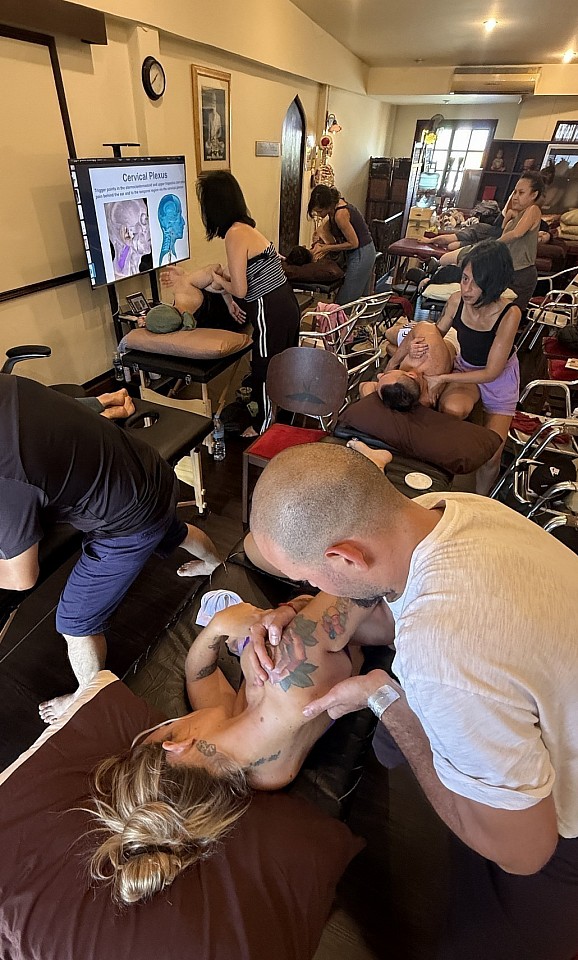
Orthopedic Massage Course for Spine Mobility and Breathing
True clinical efficacy exists at the intersection of precise anatomical knowledge and tactile intelligence. Throughout my career in sports medicine, I have observed a distinct separation between therapists who follow a routine and those who understand the physiological narrative of the body. The latter group engages in a dialogue with the neuromuscular system to resolve pain and restore function.
This distinction is the core of what we teach at RSM International Academy in our Orthopedic Massage Course and other courses. The fundamentals of orthopedic massage are about developing the critical thinking skills needed to identify the root cause of dysfunction and the manual skills necessary to address it. For professionals grounded in physiotherapy, athletic training, or medical practice, this training bridges the gap between theoretical pathology and practical resolution.
Moving Beyond Protocol to Clinical Reasoning
In standard massage therapy, students often learn protocols designed for general relaxation. While valuable for stress reduction, these protocols often fail when applied to specific musculoskeletal pathologies. A sports medicine approach requires a shift from protocol-based treatment to clinical reasoning.
When a client presents with a restriction in the glenohumeral joint, a standard approach might involve general petrissage. However, an orthopedic perspective demands we look deeper. Orthopedic massage is defined by an investigative process that treats soft tissue pain through a multidisciplinary lens. The training focuses on understanding the specific mechanism of injury and selecting the appropriate intervention to facilitate healing.
This requires a rigorous education in functional anatomy. At RSM, we emphasize that you cannot treat what you cannot visualize. When your hands touch the posterior shoulder, you must mentally strip away the layers to visualize the fiber direction of the infraspinatus and the mobility of the scapula. This anatomical visualization allows for precision, ensuring force is applied effectively.
The Critical Role of Assessment
One of the most significant deficits in general manual therapy education is the lack of structured assessment. Without an objective baseline, treatment becomes a guessing game. In our curriculum, assessment is the foundation upon which the entire treatment plan is built.
We utilize a systematic approach to client assessment that mirrors the rigor found in orthopedic medicine. This generally follows a structured progression:
- History: Understanding the mechanism of injury and aggravating factors.
- Observation: Analyzing posture, gait, and guarding patterns.
- Active and Passive Range of Motion: Differentiating between contractile and inert tissue issues.
- Resisted Tests: Isolating specific muscle groups to identify weakness.
- Palpation: The precise tactile evaluation of tissue texture and tone.
By adhering to this protocol, the therapist gathers the data needed to construct a valid clinical hypothesis. This turns a massage session into a targeted medical intervention.
Understanding Orthopedic Conditions in a Sports Context
The application of these skills becomes most apparent when treating common orthopedic conditions. In sports medicine, we deal with tissues pushed to their physiological limits. The remodeling of scar tissue and the restoration of elasticity require specific mechanical inputs.
Consider a chronic hamstring strain. A basic understanding might suggest stretching. However, in an orthopedic context, we know that an injured hamstring often develops dense scar tissue. Stretching a compromised muscle without addressing these adhesions can lead to micro-tearing. Proper orthopedic medical massage training teaches the practitioner to identify the stage of healing. Is the injury acute or chronic? The answer dictates the technique.
In the chronic phase, we might use cross-fiber friction or instrument-assisted tools to break down cross-links in collagen fibers. This specificity applies to tendinopathies and nerve entrapments. We view the body as a tensegrity structure where tension in one area affects the whole. Treating the rhomboids alone for shoulder pain is often futile; the anterior structures must be released to restore balance.
Why Learn Advanced Palpation?
The primary tool of any manual therapist is their hands. To learn orthopedic massage is to refine one’s tactile literacy. Palpation involves distinguishing between the hypertonicity of a muscle in spasm and the fibrotic density of chronic scar tissue. It involves sensing the “end feel” of a joint.
I often tell students that their hands must act as both sensors and effectors. As sensors, they detect changes in tissue compliance. As effectors, they deliver precise mechanical force. The feedback loop is continuous. As the tissue responds, the pressure must adjust instantly. In our education modules, we spend considerable time on this nuance. Finding the therapeutic window is an art form grounded in neurological science.
Integrating Massage into a Multidisciplinary Practice
Many professionals come to RSM to add manual skills to an existing medical or athletic practice. Physiotherapists may find that while their exercise prescription is excellent, their manual release skills are lacking. Orthopedic massage integrates seamlessly into these environments, serving as a preparatory phase for rehabilitation.
By using manual massage techniques to restore range of motion, we create a window of opportunity for corrective exercise. For example, in adhesive capsulitis, precise mobilization of the scapula can significantly improve the efficacy of subsequent physical therapy. This integration is why massage certification in the orthopedic realm is highly valued. It signifies a practitioner who understands the continuum of care.
We must also recognize that soft tissue includes fascia, tendons, ligaments, and nerves. Conventional massage school curriculums often focus heavily on the muscle belly, yet the junctions are where mechanical failure often occurs. We examine fascial planes and neural dynamics, ensuring nerves can slide and glide between tissues.
Ultimately, the goal of this therapy is to restore the athlete or patient to their highest level of performance. Training is not a one-time event but a continuous process of refinement. By mastering these fundamentals, you elevate your practice from a service to a solution, becoming capable of resolving complex conditions through intelligent manual therapy.
Mastering Myofascial Release For Neck Pain
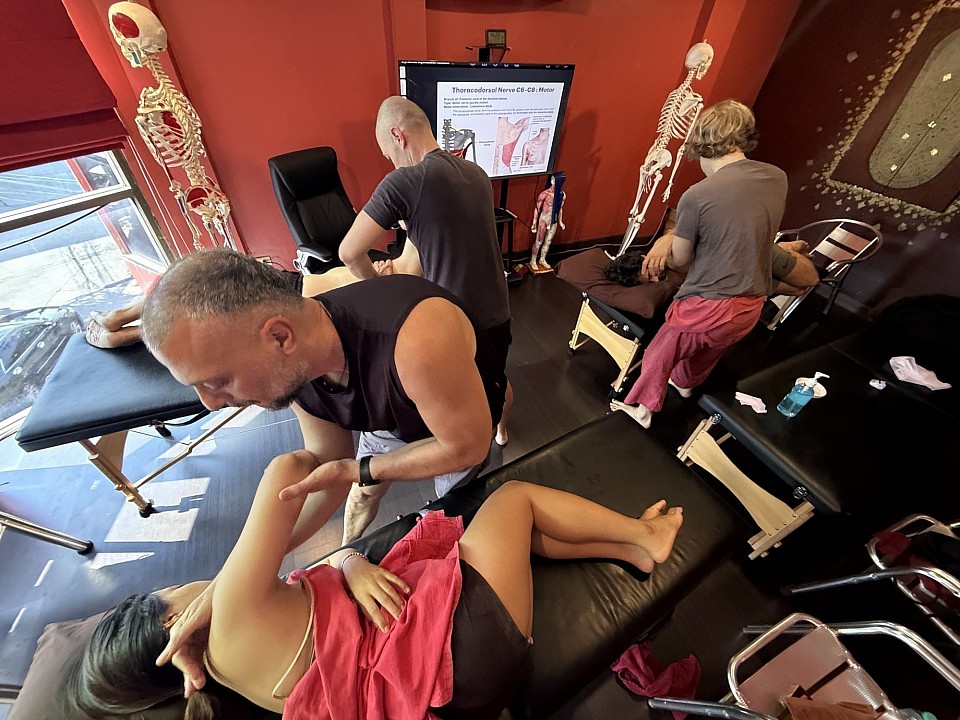
Dynamic Myofascial Release Course
The human cervical spine is a marvel of engineering, supporting the weight of the cranium while protecting vital vascular and neurological pathways. Yet, in modern clinical practice, it is frequently the site of chronic dysfunction. At RSM International Academy in Chiang Mai, we approach the neck not merely as a column of vertebrae but as a complex tensegrity structure governed by fascial dynamics. Understanding myofascial release is essential for any therapist aiming to resolve, rather than temporarily soothe, cervical issues. My goal when teaching RSM’s Myofascial Release Course is for students to learn clinical efficacy using sports medicine principles.
The Role of Fascial Structures in Neck Mobility
To treat the neck effectively, we must understand the medium through which we work. Fascia is a continuous, viscoelastic sensory organ enveloping every muscle fiber. In the cervical region, the deep cervical fascia creates distinct compartments allowing structures to slide against one another. When trauma or repetitive strain occurs, these fascial tissues dehydrate and adhere, inhibiting the gliding potential between layers.
Anatomically, the neck is a crowded intersection. If the investing layer of the deep fascia becomes rigid, the muscles within – such as the sternocleidomastoid (SCM) or scalenes – cannot expand efficiently. This creates a compressive force impacting vertebral joints. Therefore, effective myofascial release therapy must address these connective tissue layers. We must melt the casing to free the contents.
Identifying Pain and Trigger Point Referral
A complaint of pain in the neck is frequently a liar; the location of the sensation rarely indicates the source. Differentiating between local tissue damage and referred symptoms is vital. Myofascial pain syndrome, characterized by hyperirritable spots within a taut band of skeletal muscle, is a primary driver of complaints.
Trigger points are ischemic zones where muscle fibers lock into a contracted state. A trigger point in the lower trapezius often refers pain upward to the mastoid process and side of the head. When we palpate, we search for specific nodules that reproduce symptoms. The application of myofascial release serves to rehydrate the tissue. By applying sustained, directional pressure, we engage mechanoreceptors which signal the central nervous system to lower muscle tone. This process requires patience; the tissue melts only when the nervous system feels safe enough to release protective tension.
Protocols for the Suboccipital Muscles
The transition from the cervical spine to the occiput is critical for health. The suboccipital muscles are highly dense with muscle spindles, making them essential for proprioception. Because they stabilize the cranium, they are prone to extreme tension, often compressing the greater occipital nerve and causing pain.
We emphasize a specific protocol for this region. The therapist cradles the occiput, using the weight of the client’s head to apply traction while using precise finger pressure. The goal is to separate the rectus capitis from the underlying atlas and axis. Furthermore, treating the head requires addressing the back. The myofascial lines are continuous; a restriction in the thoracic spine can exert a downward pull on the occiput. Checking the back for continuity constraints is a standard part of our assessment.
Bridging Massage and Physical Therapy
There is often an unnecessary divide between the spa therapist and the clinical provider. At RSM, we utilize techniques grounded in the same physiological principles as physical therapy. We rely on thixotropy – the property of gels to become less viscous when agitated. By applying mechanical stress through massage, we alter the viscosity of the fascia.
Integrating physical assessment tools allows us to measure progress objectively. We encourage students to test range of motion before and after the session. In a clinic setting, this data transforms the session from a subjective experience to a measurable intervention, enhancing the management of musculoskeletal conditions.
Guidance on Self-Myofascial Release
Sustainability is a core tenet of our philosophy. We must teach clients self-myofascial release to maintain the length of their tissues. However, the neck is delicate. We advise against using a rigid foam roller directly on the cervical vertebrae due to the risk of compression. Instead, we recommend softer tools, like two tennis balls taped together, to cradle the spinous processes.
For tight muscles like the upper trapezius, a handheld cane or ball against a wall is effective. The goal of self-myofascial release is to provide a daily input of safety to the nervous system, preventing the re-accumulation of density.
Advanced Physical Application
The ultimate goal is to improve the client’s quality of life. Chronic tension creates a sympathetic dominance, keeping the brain on high alert. By releasing this tension, we help downregulate the entire system.
- Assessment: Observe posture and identify textural changes in the fascia.
- Treatment: Apply direct release to superficial layers before diving deep.
- Integration: Connect the neck work to the shoulders and back.
- Re-assessment: Check the range of motion.
When we treat the neck, we treat the primary conduit between the brain and the body. It requires a detailed knowledge of anatomy and a respect for the complexity of the human form. Mastering these release techniques elevates your practice from routine maintenance to corrective care. We see the results every day; clients find relief because we treat the architecture rather than chasing the symptom. This is the standard of physical medicine we strive for at RSM International Academy.
The Art of Ending a Massage Session Professionally
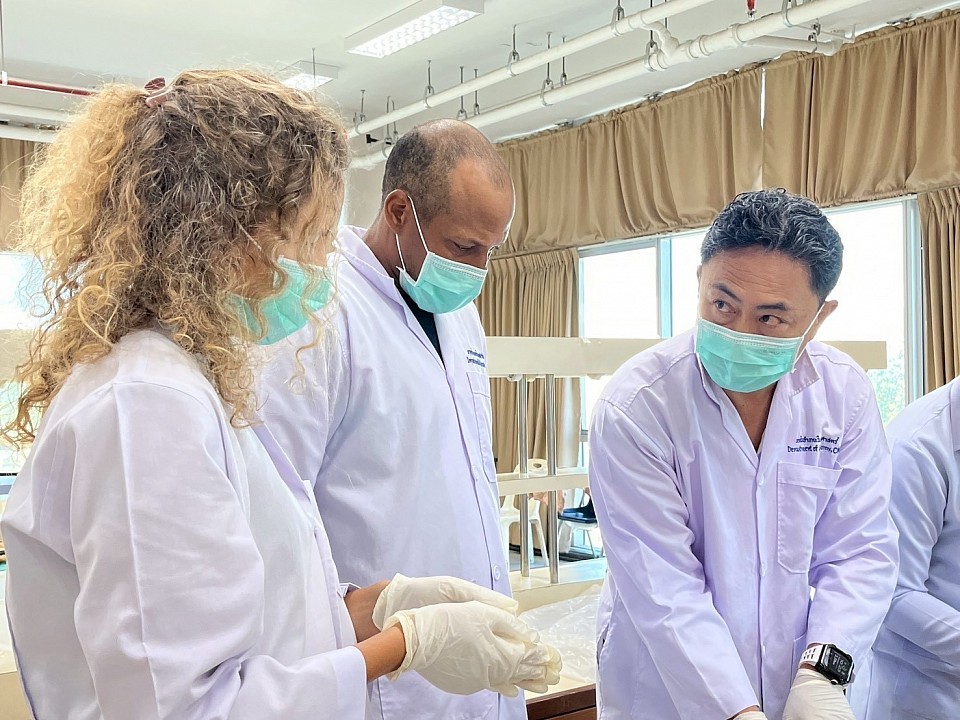
Faculty of medicine chiang mai university
The final moments of a massage are as significant as the first touch. They are the therapist’s last opportunity to reinforce the therapeutic value of the work performed, ensure the client feels cared for, and solidify the professional container that makes effective therapy possible. Students attending RSM’s massage workshops here in Chiang Mai learn that the conclusion of a massage is not an afterthought; it is an integral part of the treatment protocol. How therapists close their sessions can determine whether a client leaves feeling complete and respected or abrupt and unsettled. It influences their perception of the massage and their willingness to rebook. This conclusion is a structured transition from a state of deep relaxation back to full awareness, a process that requires skill, empathy, and clear communication.
The Foundation: Consistent Closing Rituals
A consistent closing is the bedrock of a professional practice. For our students, many of whom come from fields like physiotherapy and sports medicine, the concept of standardized protocols is already familiar. We extend this principle to the art of massage. Developing a predictable sequence for ending a massage helps to gently guide clients back from a state of deep relaxation without jarring their nervous system. This is not about rigid scripting, but about creating a familiar, comforting pathway that signals the session end respectfully.
The process might begin with a shift in technique, moving from specific work to broader, calming strokes. Long, integrating effleurage strokes can signal that the focused part of the massage is complete. The key is consistency; when clients know what to expect, they can relax more deeply, trusting the transition will be smooth. I often tell my students to think of the final five minutes as a distinct phase of the therapy where we shift from active manipulation to gentle integration. After the final touch, therapists should speak in a calm, low tone. Simple phrases work best, such as, “We have completed our work for today. Please take your time getting up,” allowing the client to process the end of the massage without feeling rushed. This clear communication upholds the professional boundaries that define the therapeutic relationship.
Clear Boundaries and Communication at the Massage Session End
The conclusion of the hands-on work is not the end of the professional encounter. The moments when the client is off the table are equally important for maintaining the integrity of the therapeutic relationship. Professional boundaries are the limits that protect both the client and the therapist, ensuring a safe and respectful environment. These boundaries are communicated through actions as much as words. Once the massage is over, it is essential to give clients genuine privacy and time by stepping out of the room. Rushing them undermines the relaxation they just achieved.
When the client emerges, the therapist should be ready to offer water and engage in a brief, focused post-session conversation. This is not the time for casual chatter; the dialogue should remain centered on the client’s care. This post-massage interaction is the ideal time to provide relevant aftercare advice specific to the session and the client’s needs. This could include suggestions for hydration, gentle movement, or heat application. Providing this guidance demonstrates a continued commitment to the client’s well-being and reinforces the therapist’s role as a knowledgeable healthcare professional. These interactions solidify the client’s trust and underscore the value of the services provided during their therapy.
Post-Session Professionalism and Client Care
The final element of ending a massage session professionally involves handling the administrative aspects of the appointment smoothly and without pressure. The transition from aftercare advice to payment and rebooking should feel natural. It is helpful to have a separate, comfortable area for these transactions, away from the treatment room, to maintain the sanctuary-like feel of the therapy space for all clients.
When discussing future sessions, the focus should remain on the client’s therapeutic goals. Instead of a generic question, a more specific approach is effective. For example, “Based on the tension we addressed today, I would recommend another session in two to three weeks to build on this progress.” This frames rebooking as a part of the client’s ongoing care plan. The final farewell is as important as the initial greeting. A sincere “Thank you for coming in” provides a warm and professional closing. The client should leave feeling that their entire experience, from start to finish, was managed with expertise and genuine care. This consistent level of professionalism is what builds a successful practice, turning first-time clients into long-term patrons who value the high standard of therapy they receive from their trusted therapists.
Shiatsu Massage for Chronic Headaches: A Sports Medicine Perspective
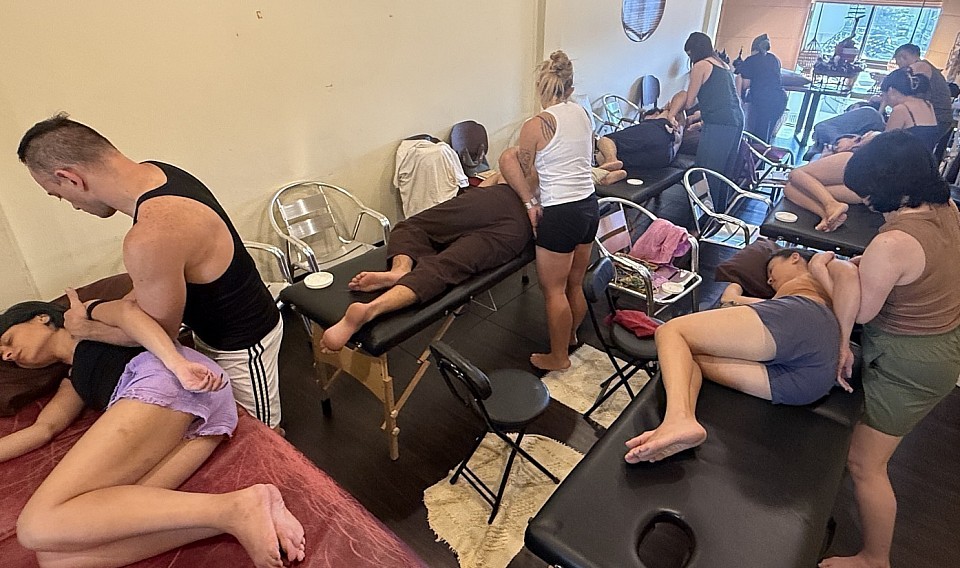
Deep Shiatsu Massage Course
The cervical spine is a masterpiece of engineering, yet it remains one of the most vulnerable intersections in the human body. At RSM International Academy, we view the neck as a neurological superhighway where structural integrity dictates physiological function. When that integrity is compromised, the result is often debilitating pain. For the therapist, understanding the etiology of cephalalgia is the first step toward effective treatment. While pharmacological interventions address symptoms, manual therapies like shiatsu address the architecture of the sufferer.
In the Deep Shiatsu Massage Course at RSM International Academy I teach that traditional Japanese techniques need not be at odds with modern sports medicine. When we perform shiatsu massage for headaches, we are engaging with the autonomic nervous system, releasing myofascial restrictions, and altering the patient’s pain perception thresholds.
The Physiology of Tension Headaches and Migraine
To treat a condition effectively, one must respect its complexity. Chronic head pain is rarely generated by a single factor, but rather a convergence of vascular, neurological, and musculoskeletal dysfunctions.
In the context of tension headaches, we see a direct correlation between sustained muscular contraction and pain signaling. While the upper trapezius and levator scapulae are frequently implicated, the true culprits often lie deeper. The suboccipital triangle – consisting of the rectus capitis posterior major and minor, and the obliquus capitis superior and inferior – plays a disproportionate role.
These muscles are densely packed with muscle spindles. When tension accumulates here due to poor posture or stress, the resulting ischemia creates a feedback loop. This hyper-contraction compresses the greater occipital nerve, leading to the classic “ram’s horn” pain distribution.
Migraines, conversely, present a more complex vascular pathology involving the trigeminovascular system. While massage cannot “cure” a genetic predisposition to migraine, it can significantly raise the threshold for trigger activation. By reducing the baseline of sympathetic arousal, we help manage the frequency and intensity of migraine headaches.
Differentiating Approaches in Massage
At RSM, we emphasize that where the client feels pain is rarely where the problem originates. A therapist utilizing shiatsu must think three-dimensionally. Trigger points in the sternocleidomastoid (SCM), for instance, often refer pain to the occiput or eye, mimicking sinus pathology. If a massage protocol focuses solely on the temples, the treatment will fail.
Shiatsu excels here by identifying Jitsu (excessive tension) and Kyo (weakness). By applying perpendicular, static pressure, we create an ischemic compression that forces local blood flow changes. Upon release, reactive hyperemia flushes the tissue with oxygenated blood. This static pressure stimulates mechanoreceptors which, according to Gate Control Theory, flood the spinal cord with non-nociceptive input, effectively “closing the gate” to pain signals.
For migraine headaches, particularly during the prodrome or postdrome phases, our focus shifts from mechanical disruption to parasympathetic activation. We utilize distal points to down-regulate the sympathetic “fight or flight” response that often fuels vascular instability.
Shiatsu Protocols for Suboccipital Relief
In sports medicine, efficiency is paramount. Shiatsu utilizes body weight rather than muscular force, allowing the therapist to penetrate deep muscle layers without triggering defensive guarding.
When treating chronic cephalalgia, we utilize specific anatomical landmarks. For example, the point Feng Chi (Gallbladder 20) is located directly over the suboccipital muscles. Pressing this point applies direct therapy to the rectus capitis posterior minor, which has a connective tissue bridge to the dura mater. Releasing tension here can mechanically reduce dural drag, offering profound relief.
At RSM, we teach a specific sequence for addressing this region:
- Palpation: Identify the spinous process of C2 and move laterally into the lamina groove.
- Engagement: Apply static pressure anteriorly and superiorly toward the orbit of the eye.
- Sustainment: Hold the pressure until you feel the fascial “melt,” indicating a reduction in tone.
- Micro-movements: Apply precise, microscopic friction to separate the muscle bellies from the atlas (C1).
This massage application is intense but vital. For patients who have suffered for years, the sensation is often described as a “good hurt,” recognizing that the source of their agony is finally being addressed.
The Role of the Therapist in Wellness
Therapy is a partnership. The benefits of manual treatment are amplified when the patient understands the mechanism of their recovery. Chronic pain creates a neurological “smudging” where the brain loses the ability to accurately map the affected area. By providing high-quality sensory input through massage therapy, we sharpen the cortical map.
I have observed that students who master shiatsu develop a distinct advantage. Because shiatsu relies on the practitioner’s centered posture (Hara), the quality of touch is grounded. This is crucial for headache relief. A frantic touch will only induce further distress.
We must also recognize limitations. Sudden, severe headaches or those accompanied by neurological deficits require medical attention, not massage. Knowing when not to treat is what separates a technician from a clinician.
Integrating Shiatsu with Western Science
The divide between “Eastern” and “Western” medicine is often semantic. Whether we call it blocking Qi or resolving ischemia, the biological result of well-executed massage is measurable: improved range of motion and decreased subjective pain scores.
The most effective treatment plans combine the holistic view of shiatsu with anatomical precision. We look at the wellness of the entire organism. Is the patient hydrated? Is their ergonomics contributing to the strain? But primarily, we use our hands to alter the physical state of the soft tissues.
Shiatsu helps by treating the body as a tensegrity structure. Tension in the hamstrings can exert a pull that travels up the superficial back line of fascia, terminating at the brow ridge. Addressing these distal meridians treats the global pattern sustaining the local pain.
In conclusion, shiatsu offers a powerful framework for health because it refuses to isolate the head from the rest of the body. By applying anatomical knowledge to this ancient art, we elevate massage to a vital component of healthcare. The relief we provide is not magic; it is the logical outcome of applying the right pressure, at the right time, with the right intent.
Orthopedic Massage for Athletes: A Clinical Approach
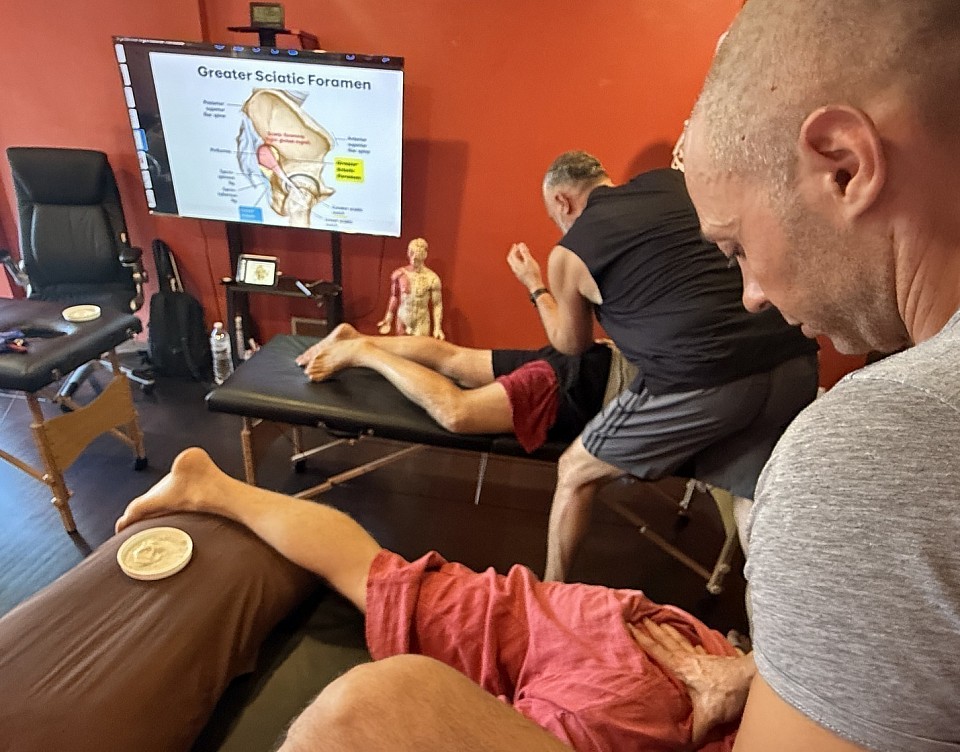
Orthopedic Massage Course
The human body, when pushed to the limits of elite competition, operates on a razor-thin margin between peak output and catastrophic failure. At RSM International Academy, we treat the athlete not merely as a patient seeking relaxation, but as a high-performance biomechanical system. The application of manual therapy in this context differs radically from general wellness treatments; it requires a deep understanding of anatomy, force transmission, and the physiological costs of high-level exertion.
In RSM’s Sports Massage and Orthopedic Massage Courses, I teach that successful outcomes depend on accurate assessment rather than generic routines. When an athlete presents with pain, the symptom is rarely the root cause. It is usually the endpoint of a kinetic chain dysfunction. We teach our students to look beyond the immediate site of discomfort and analyze the structural imbalances contributing to the issue. This analytical mindset is what separates a technician from a clinician.
The Physiology of Athletic Performance
To understand the necessity of specialized bodywork, one must recognize the physiological demands placed on the athlete. Vigorous activity creates micro-trauma in muscle fibers. While necessary for adaptation, this damage often leads to adhesions if left unmanaged.
Athletic performance relies on the ability of the musculoskeletal system to generate force efficiently. When a muscle is overworked, it tends to shorten and lose its elastic potential. This creates a functional deficit. The athlete may still compete, but efficiency drops and energy expenditure rises. Over time, this subtle drag on performance accumulates, leading to overuse syndromes.
We focus on the neurological relationship between muscle function and the central nervous system. Muscles are recruited in patterns. If a prime mover is inhibited due to fatigue, the body recruits synergist muscles to perform the movement. This compensatory pattern is efficient for survival but disastrous for biomechanics. Our role is to identify these compensations and restore optimal firing patterns.
Beyond Standard Sports Massages
There is a distinct difference between clinical therapy and the generic sports massages found in spas. The latter often focus on a general flush of the system to induce relaxation. While valid for parasympathetic regulation, this is insufficient for resolving mechanical pathologies.
In a clinical setting, massage is a diagnostic tool. We do not simply apply a routine. We palpate to assess soft tissue texture, temperature, and mobility. We look for fibrotic changes in the fascia and hypertonicity in specific motor units.
Our approach integrates orthopedic massage to address specific dysfunctions. We work with the understanding that the site of pain is often not the site of the problem. A knee issue in a runner might originate from a hip restriction. By treating the system rather than just the symptom, we achieve lasting results.
Treating Sports Injuries and Muscle Tension
The management of sports injuries requires a phased approach. In the acute stage, our primary concern is managing inflammation and preventing disorganized scar tissue. We frequently treat tendinopathies and ligament sprains by addressing the surrounding musculature to ensure stability during healing.
In cases involving post-surgical rehabilitation, the stakes are higher. Once a surgeon has repaired a fracture or tear, the body reacts with protective rigidity. Precise tissue therapy is essential here to ensure that surgical success translates into functional recovery. We must respect healing timelines; aggressive manipulation too early can be detrimental, while waiting too long results in stiffness.
We also focus heavily on muscle tension. Muscles do not just “get tight” arbitrarily; they are governed by the nervous system. To improve flexibility effectively, we must address the neural governor of muscle length. Static stretching is often ineffective because it triggers a protective reflex. We utilize techniques that engage Golgi tendon organs to inhibit resistance, creating a window to lengthen the tissue without fighting the athlete’s reflexes.
Advanced Massage Techniques for Restoration
In our curriculum, we emphasize that technique is secondary to assessment. However, the execution must be flawless. We employ a variety of massage techniques depending on the tissue status.
The following modalities are central to our approach:
- Deep Transverse Friction: Used for tendonitis and ligamentous injuries. Applying force perpendicular to the fiber direction prevents cross-linkages in scar tissue.
- Trigger Point Therapy: Compressing hyperirritable spots creates an ischemic reaction, followed by reactive hyperemia to flush metabolic waste.
- Myofascial Release: Involves slow, sustained pressure into restrictions to eliminate pain and restore motion.
- Active Release: We combine pressure with patient movement to break down adhesions between muscle layers.
We advise students to use these tools selectively. The selection of services must match the physiological need. A heavy friction massage is inappropriate immediately before an event, whereas light effleurage will not resolve a chronic strain.
Optimizing Recovery and Health
Recovery is the limiting factor in training. An athlete can only train as hard as they can recover. By accelerating the clearance of metabolic byproducts and lowering resting muscle tone, massage therapy allows the athlete to return to high-intensity training sooner.
Research supports the efficacy of therapy in reducing cortisol levels while increasing dopamine. This systemic effect is vital. High-level competition places immense stress on the athlete, which manifests physically. By downregulating the sympathetic nervous system, we facilitate a state of rest and repair.
We also examine the concept of regional interdependence – the idea that impairments in a remote anatomical region may contribute to the primary complaint. A pitcher with elbow pain may actually have a thoracic spine limitation. If the spine cannot rotate, the arm must compensate, overloading the elbow. We treat the spine to save the elbow.
At RSM, we hold that integrating Western medical science with skilled manual therapy provides the most robust framework for athlete care. We encourage medical professionals to view the hands as diagnostic instruments. The ability to palpate muscles and tissue texture offers data that scans sometimes miss.
We are committed to elevating the standard of sports healthcare. Whether you are a physiotherapist refining your skills or a therapist entering the clinical realm, the focus must remain on function. We do not just treat muscles; we treat movement. Through rigorous study and precise application, we help athletes reclaim their health and achieve their full potential. This is the standard of care we advocate for at RSM International Academy.
How to Improve Massage Techniques: An Integrated Sports Medicine Approach
Sports Massage School In Chiang Mai
At RSM International Academy, we often see a specific trajectory in the careers of bodywork professionals. A student arrives - perhaps a physiotherapist, a yoga instructor, or an experienced massage therapist - with a solid foundation. They know their anatomy, they have logged many hours, and their clients are generally happy. Yet, they feel a plateau. They sense that “improvement” is no longer about adding more movements to their repertoire, but about deepening the quality of the contact they already make.
To truly elevate your practice, you must shift your focus from choreography to clinical intent. At our massage school in Chiang Mai, we teach that the difference between a good session and a transformative one lies in the subtle interplay of biomechanics, nervous system regulation, and precise anatomical visualization.
Here is how to deconstruct your current habits and rebuild them with a sports medicine perspective.
Leveraging Body Weight in Therapy Techniques
The first sign of an elite practitioner is not what they do with their hands, but how they organize their body behind them. Many therapists, even those with years of experience, rely too heavily on the intrinsic strength of their upper body to generate force. This “muscling through” approach leads to therapist burnout and, paradoxically, feels less effective to the client.
When you generate pressure using your own muscle contraction (i.e., pushing with your triceps or pecs), the quality of touch tends to be rigid. The client’s body detects this rigidity as a threat - a “fight or flight” stimulus - and their tissues unconsciously guard against it.
To refine your therapy techniques, you must master the art of “stacking.” This means aligning your joints - shoulder over elbow, elbow over wrist, wrist over contact point - so that your skeletal structure transfers force, rather than your muscles generating it. When you lean your body weight into a client through a stacked kinetic chain, the pressure feels immense yet soft. It feels safe. This allows you to work deeper without triggering a guarding response, preserving your hands for a decades-long career rather than burning out in five years.
Precision in Soft Tissue Manipulation
A common mistake in intermediate practice is treating the body as a single, homogenized unit. A therapist might say they are working on “the back” or “the leg.” In our advanced training, we demand a higher resolution of thinking. You are not treating “a leg”; you are treating the interface between the vastus lateralis and the iliotibial band, or the specific adhesion where the infraspinatus glues to the scapula.
Improving your soft tissue work requires 3D anatomical visualization. When you place your hands on a client, you should essentially “see” through the skin. Is your vector of force perpendicular to the muscle fibers (for separation) or parallel (for lengthening)?
Consider the neck. Many therapists glide generally over the cervical paraspinals. A superior approach involves visualizing the laminar groove. By sinking your fingers specifically into this groove and applying a rotation to the head, you can pin the semispinalis capitis while stretching the splenius. This level of specificity turns a “relaxing rub” into a corrective procedure that restores range of motion.
Furthermore, we must address the mechanism of change. For decades, the industry relied on the concept of “thixotropy” - the idea that friction turns cellular “gel” into “sol” (liquid). While the sensation of tissue melting is real, modern sports medicine suggests the mechanism is largely neurophysiological. We are stimulating mechanoreceptors to tell the brain to lower the tone of that muscle. Understanding this keeps you humble; you are not forcing the tissue to change; you are persuading the nervous system to let go.
Rethinking the Approach to Deep Tissue
“Deep tissue” is perhaps the most misunderstood term in our industry. Clients often ask for it, equating pain with effectiveness. However, deep does not mean hard. Deep is a destination, not a force.
If you attempt to reach deep structures by simply increasing the pounds per square inch of pressure, you will bruise the surface layers and cause the client to wince. The pain caused by this aggression is counterproductive. The brain perceives it as an attack, flooding the system with sympathetic stress signals - cortisol and adrenaline - which is the exact opposite of the recovery state we want to induce.
To truly access deep layers, you must slow down. The muscles of the body are arranged in layers, like an onion. You cannot force your way through the outer layers (like the trapezius) to get to the deeper ones (like the rhomboids or multifidus). You must wait for the outer layer to melt.
Try this exercise: Apply moderate pressure and wait. Do not slide. Just wait. After 10 to 30 seconds, you will feel the superficial tissue yield. Only then do you sink to the next level. This “sinking” technique allows you to work at maximum depth with minimum discomfort. It transforms deep tissue from a battle of wills into a surgical strike on tension.
Myofascial Release and Nervous System Regulation
Fascia is the connective architecture that holds us together, enveloping every muscle, nerve, and vessel. Unlike muscle, which responds well to rhythmic kneading, fascia responds best to slow, sustained shearing forces.
Incorporating myofascial release requires you to engage the tissue barrier and hold it until you feel a release. But let’s look at the science of why this works. We are targeting specific nerve endings, particularly the Ruffini corpuscles. These mechanoreceptors are sensitive to tangential load (stretch) and are known to lower sympathetic nervous system activity.
When you rush a myofascial stroke, you fail to engage these receptors. By slowing down your stroke to a glacial pace, you are doing two things: you are mechanically unsticking fascial layers (hyaluronic acid lubrication), and you are neurologically sedating the client.
This is where the massage therapist becomes a regulator of the client’s autonomic nervous system. If a client arrives in a high-stress state, rapid movements will only agitate them further. Slow, shearing contact tells their brain that they are safe, allowing for profound recovery.
Integrating Tissue Massage into Rehabilitation
At RSM, we view massage not just as relaxation, but as a vital component of rehabilitation. This is where the “Sports Medicine” in our name comes into play. A purely relaxation-focused therapist treats the body passively. An elite therapist treats the body actively.
To improve your tissue massage outcomes, begin integrating movement. Passive Release Techniques (PRT) or Active Release Techniques (ART) are game-changers. For example, instead of just rubbing a tight calf muscle, pin the gastroc muscle belly with your thumb and ask the client to dorsiflex their ankle.
This active engagement forces the muscle to slide under your compression. It breaks down adhesions much faster than static pressure because the movement comes from within. It also re-educates the neuromuscular pathway, teaching the brain how to fire that muscle without recruiting the surrounding tension.
The Role of Palpation and Assessment
The most underutilized tool in a therapist’s kit is assessment. Too often, we skip straight to the treatment. But how can you measure improvement if you haven’t established a baseline?
Visual assessment must happen the moment the client walks in. Watch how they take off their shoes. Do they favor one leg? Do they grimace when they rotate their torso? These micro-movements give you clues that palpation alone might miss.
During the session, your hands are constantly assessing. This is “dynamic palpation.” You are listening for texture, temperature, and tone. Is the tissue boggy (indicating edema)? Is it ropy (indicating chronic fibrosis)? Is it hot (indicating acute inflammation)?
If you find a cold, ropy area in the lumbar region, your strategy should differ immediately from how you treat a hot, boggy ankle sprain. Experience teaches you to alter your pressure and speed based on this real-time feedback. You are not just delivering a service; you are having a non-verbal dialogue with the client’s physiology.
Mastering Breath and Focus
Finally, we must discuss the intangible element: the therapist’s state of mind. You cannot facilitate healing if you are dysregulated.
Breathing is the bridge. When you encounter a stubborn knot or a guarding response in a client, check your own breath. Are you holding it? If you are tense, your hands will be tense. By consciously slowing your exhalation, you lower your own heart rate. Through a process called co-regulation, the client’s nervous system will often mirror yours.
This is the hidden layer of massage training that books rarely discuss. The energy you bring to the table matters. Intentionality - focusing 100% of your mental energy on the square inch of tissue you are treating - creates a sensation of “presence” that clients can feel. It is what separates a technician from a healer.
The Path to Mastery
There is no secret handshake that makes one an expert. It is the relentless pursuit of the basics: understanding the body as a machine, respecting the muscles and fascia as living tissues, and honoring the clients who trust us with their well-being. By integrating these sports medicine principles - mechanics, anatomy, and nervous system regulation - you move beyond simple relaxation and into the realm of true therapeutic change.
We invite you to continue exploring the depth of this work. The potential for massage therapy to resolve pain and restore function is limitless, provided you are willing to look deeper than the skin.
Shiatsu Massage for Carpal Tunnel: A Sports Medicine Approach
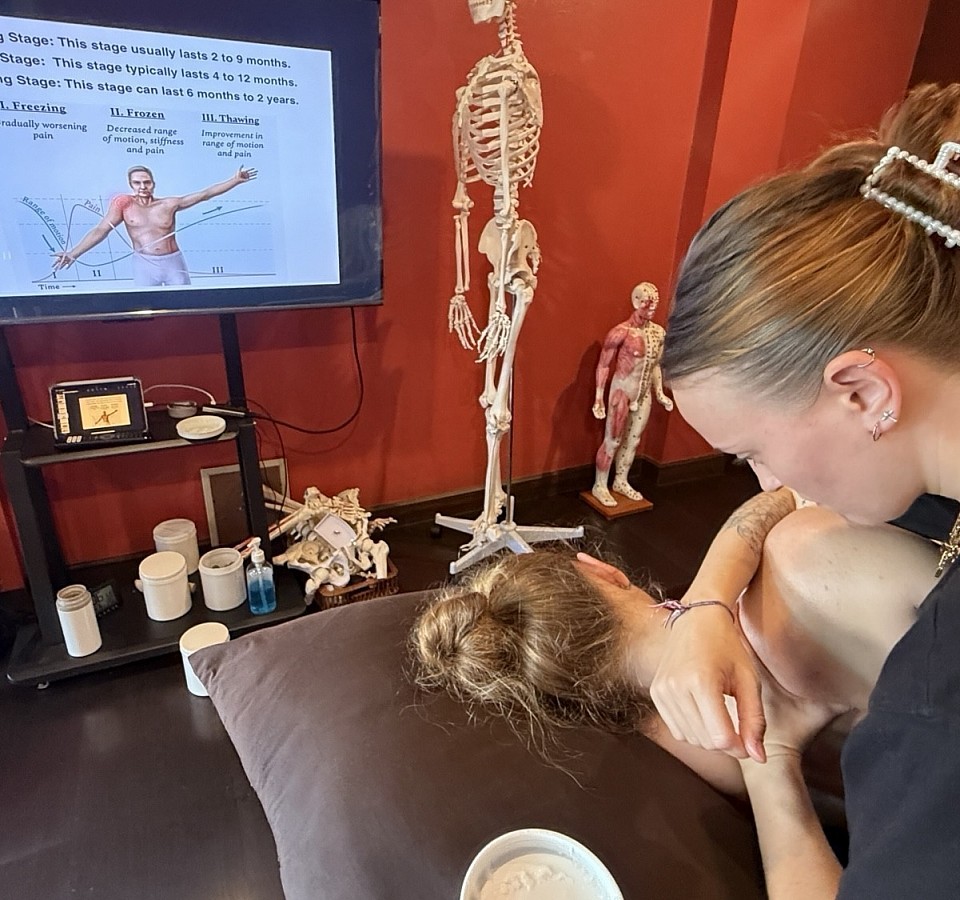
Deep Shiatsu Massage Course Chiang mai
While conventional medicine often prioritizes surgical intervention for median nerve compression, we have found that a disciplined application of Japanese bodywork offers a compelling, non-invasive alternative. RSM’s Deep Shiatsu Massage Course offers students a chance to learn these techniques within the framework of a sports medicine approach.
Understanding the Anatomy of Carpal Tunnel Syndrome
To treat any condition effectively, we must visualize the architecture of the injury. The carpal tunnel is a crowded, narrow passageway on the palmar side of the wrist, housing nine flexor tendons and the median nerve. Carpal tunnel syndrome occurs when internal pressure increases, disrupting the nerve’s blood supply and causing ischemia.
In a sports medicine context, we recognize that this pressure is rarely spontaneous. It typically results from inflammation in the flexor tendons (tenosynovitis) caused by repetitive overuse, or structural misalignment. Our goal with manual therapy is to reduce this internal pressure without compromising the structural integrity of the hand.
Identifying CTS Symptoms and Functional Limitations
Diagnosis begins with listening to the patient’s sensory experience. The median nerve innervates the thumb, index finger, middle finger, and half of the ring finger. A hallmark of cts symptoms is that the little finger remains unaffected. If numbness encompasses the entire hand, we must investigate the cervical spine or thoracic outlet rather than the wrist alone.
When function is compromised, simple tasks like gripping a steering wheel or holding a pen become difficult. If left untreated, the condition progresses from sensory disturbance to motor weakness, specifically showing atrophy in the thenar eminence (the thumb pad).
Why Shiatsu Massage Offers Targeted Tunnel Relief
Shiatsu is often mischaracterized in the West. Traditional Shiatsu is a rigorous manual therapy rooted in anatomy, sharing a lineage with Chinese acupressure but possessing a distinct methodology. Shiatsu bodywork sessions use perpendicular pressure and joint mobilization to effect structural change.
It is somewhat similar to trigger point therapy but operates within the framework of meridian lines. The Pericardium meridian runs down the center of the inner arm, aligning perfectly with the median nerve. We utilize shiatsu massage to treat the hypertonic muscles upstream that control the tendons passing through the tunnel. By releasing the forearm muscles, we indirectly reduce tension within the wrist, offering tunnel relief by addressing the cause rather than the symptom.
Specific Massage Techniques for the Forearm and Hand
Applying massage techniques for nerve entrapment requires precision. Indiscriminate rubbing over an inflamed wrist can worsen inflammation. Instead, we focus on the “bellies” of the flexor muscles in the proximal forearm.
We apply sustained, static pressure using the thumb pads. This induces reactive hyperemia; when pressure is released, fresh blood rushes into the tissue, flushing out metabolic waste.
Key Points of Focus
We emphasize specific points that correlate with anatomical structures and energetic gateways:
- P3 (Quze): Located at the elbow crease. Releasing tension here affects the length of the flexor muscles.
- P6 (Neiguan): Located two finger-widths proximal to the wrist crease. This is critical for calming the median nerve.
- P7 (Daling): Located in the center of the wrist crease. We use light distraction here to open the joint space.
Deep tissue massage directly over the carpal tunnel is contraindicated during acute inflammation. However, circular kneading of the thenar eminence is essential to relieve compression on the distal branch of the nerve.
Beyond the Wrist: Distal and Proximal Factors in Tunnel Syndrome
At RSM, we view the body as an integrated unit. Tunnel syndrome is rarely an isolated event. We frequently observe “Double Crush Syndrome,” where a nerve compressed at the neck (cervical radiculopathy) or chest (thoracic outlet) becomes more susceptible to compression at the wrist.
Therefore, shiatsu therapy must include work on the scalene muscles and pectoralis minor. By freeing the nerve pathway at the source, we improve the overall health of the nervous system.
Integrating Shiatsu Therapy into Sports Medicine
Integrating Shiatsu into a broader sports medicine protocol allows for robust recovery. While ultrasound or splinting are common tunnel treatments, they often lack hands-on structural correction.
The method we teach involves assessing posture. We use Shiatsu to correct forward-rolling shoulders and short forearm fascia. This approach also sedates the sympathetic nervous system, shifting the patient from a “fight or flight” state into a parasympathetic state where healing can occur.
Restoring Mobility and Preventing Recurrence
The goal is ensuring the long-term health of the client. Restoring mobility involves re-educating muscles. Once acute pain subsides, we introduce eccentric strengthening for wrist extensors and nerve flossing exercises to glide the median nerve through its sheath.
We advise clients on ergonomics, but emphasize that regular maintenance massage is vital to prevent fascial density accumulation. For the professional therapist, understanding carpal tunnel requires looking past the pain to the median nerve’s entire journey.
Contraindications and Safety Protocols
If a patient presents with significant muscle atrophy despite conservative treatment, referral to a specialist is necessary, as this may indicate severe nerve damage. Additionally, we must differentiate mechanical compression from swelling caused by systemic issues like thyroid dysfunction. If the wrist is hot and red, we avoid local pressure and focus entirely on proximal work.
A Multi-Dimensional Solution
Managing median nerve compression involves addressing posture, work habits, and anatomy. By utilizing the static pressure of Shiatsu combined with the diagnostic rigor of sports medicine, we address the soft tissue restrictions creating the compression.
For our students, the takeaway is clear: do not chase the pain. The wrist is merely the victim; the culprit likely lies in the neck or forearm. Through this holistic lens, we provide a truly effective solution for cts.
Overcoming Common Challenges in Massage Training
Sports Medicine Massage Courses
Students arriving at RSM’s massage school here in Thailand often possess a wealth of prior knowledge. We welcome physiotherapists, yoga instructors, and medical professionals experienced in studying the human form. Yet, regardless of their academic background or clinical tenure, nearly every student encounters specific, recurring hurdles when they step up to the table. These hurdles are not merely about memorizing a sequence or learning a new technique; they are fundamental shifts in how a practitioner relates to the human body, the client, and the profession itself.
We have observed that the transition from theoretical knowledge to tactile mastery is rarely linear. It requires a dismantling of ego and a reconstruction of sensory perception. In my years of practice in sports medicine and education, I have identified distinct areas where students struggle most. Addressing these friction points is essential for anyone looking to evolve from a competent technician into a true master of the craft.
Recognizing the Disconnect Between Anatomy and Palpation
The first hurdle is the chasm between intellectual anatomy and functional palpation. Most students can identify the quadratus lumborum on a diagram, knowing its origin and insertion. However, locating that same muscle on a living, breathing client who is guarding against pain is an entirely different reality.
In a textbook, muscles are distinct entities with clear borders. In practice, the body is a continuous, fluid matrix. A common error we see is the “poking” phenomenon, where a student presses deeply in search of a specific anatomical landmark, bypassing the superficial layers entirely. This approach fails to recognize the tone and texture of the tissue.
True palpation requires listening with the hands. It involves recognizing the subtle resistance of the fascia before engaging the muscle belly. When a student rushes this process, they miss the diagnostic information the body is offering. We teach that you cannot force the body to reveal its secrets; you must wait for the tissue to welcome you. To truly overcome this, students must learn to trust their hands over their intellect. A muscle hypertonic due to repetitive strain feels vastly different from one guarding an acute injury. Distinguishing between these states changes the entire treatment plan.
Mastering Pressure and Body Mechanics in Massage
Once a student locates the target tissue, the next obstacle is the application of force. The concept of “deep tissue” is frequently misunderstood. Many equate depth with brute force, leading to a practice that is unsustainable for the therapist and potentially damaging to the client.
Effective pressure is a product of leverage, not muscle power. We see students trying to generate force using their triceps and shoulders, leading to rapid fatigue. This is where self-care massage principles must apply to the therapist’s own mechanics. If you are not stacking your joints and using your body weight, your career lifespan will be short.
We emphasize that depth is a neurological event. If you apply heavy pressure to a muscle not ready to receive it, the client’s nervous system reacts with a guarding reflex. Mastering pressure means learning to sink slowly, hooking the tissue, and allowing the client’s breath to facilitate the release. Furthermore, a massage therapist is an athlete, and the session is the event. We teach a “ground-up” approach where power is generated from the feet. If a therapist cannot maintain their own vessel through proper mechanics, they cannot serve others effectively.
Navigating Client Intake and Assessment Protocols
In many entry-level massage schools, the focus is heavily weighted toward executing a routine. Consequently, a significant challenge facing advanced students is developing robust clinical reasoning. They may know how to treat, but often struggle with why they are treating a specific area. This disconnect usually stems from a rushed client intake process.
A comprehensive assessment is the foundation of effective treatment. Students often feel pressure to get the client on the table immediately. However, skipping orthopedic testing or a detailed history is a critical error. Without a baseline, you cannot measure progress, and you risk treating symptoms rather than causes. We train students to view the intake as the first stage of treatment – the moment to establish trust and solve the clinical puzzle.
Key Components of an Advanced Assessment:
- Visual Observation: How does the client walk? Is one shoulder elevated? Observation begins immediately.
- History Taking: Asking open-ended questions like “Describe the pain” allows the client to use their own adjectives, giving clues about the tissue involved.
- Active Range of Motion (AROM): Asking the client to move the joint tests willingness to move and muscular coordination.
- Passive Range of Motion (PROM): Moving the joint for them tests non-contractile tissue and antagonist muscle tone.
- Resisted Tests: Pushing against resistance isolates specific muscles to test for strength and pain generation.
By systematically going through these steps, the therapist builds a clinical picture, reducing guesswork.
Interpreting Client Feedback and Subjective Pain
Communication within the therapeutic space is fraught with ambiguity. A client might say, “That hurts,” but the quality of that pain is subjective. Is it the “good pain” of a trigger point releasing, or the sharp, warning pain of nerve impingement? Learning to interpret client feedback accurately is a skill that takes years to refine.
Students often struggle to find the balance between listening to the client and trusting their own findings. A client may request deep pressure in an inflamed area where it is contraindicated, or claim an area is “fine” when palpation reveals hypertonicity. Handling this requires emotional intelligence. Clients often try to be “good patients,” enduring pain they believe is necessary.
It is the therapist’s job to break down these barriers. We teach students to ask specific questions like, “On a scale of 1 to 10, where is the pressure?” rather than a vague “Is that okay?”. This demands specific answers. Furthermore, realizing that pain is a biopsychosocial phenomenon influenced by stress and belief systems allows the therapist to be truly “client-centered,” adapting techniques to the individual’s nervous system.
The Professional Reality for the Modern Massage Therapist
Beyond the table, the logistical realities of the profession present difficulties. Many talented practitioners leave the field due to a lack of business acumen or professional protection. Understanding the scope of practice and the necessity of liability coverage is often glossed over.
The modern massage therapist operates in a litigious society. Liability insurance is not a luxury; it is a fundamental component of professional practice, protecting against allegations of malpractice or accidents. Students often view this as a burden, but we frame it as a necessary boundary for peace of mind.
Additionally, variation in regulations can be baffling. While our academy is in Thailand, our students practice globally. Navigating licensure requirements and adhering to strict codes of ethics are constant challenges. A therapist must be a master of their regulatory environment just as much as they are a master of anatomy.
Ethical Dilemmas and Boundary Management
The intimate nature of massage therapy inherently blurs lines. Working with bodies in states of vulnerability creates fertile ground for ethical dilemmas. The challenge lies in maintaining a compassionate connection without crossing professional boundaries.
Transference (a client’s emotional attachment) and counter-transference (a therapist’s need to “fix”) are real phenomena. We challenge students to maintain “neutral compassion” – caring for the client’s well-being while remaining emotionally detached from the outcome. Situations involving power dynamics also arise, such as clients pushing for services outside the scope of practice. Learning to say “no” firmly but kindly is a skill. These are not just business decisions; they are ethical imperatives that protect the sanctity of the therapeutic relationship.
The Vital Role of Continuing Education
The final challenge is the trap of stagnation. The field of sports medicine and massage therapy is evolving rapidly. New research on fascia and pain science is constantly rewriting what we thought we knew. A therapist relying solely on initial training will be obsolete within a decade.
Continuing education is the antidote to burnout. However, selecting the right education is a challenge. We guide students to look for education that challenges critical thinking. Growth requires humility – the willingness to admit that past practices might have been incorrect. Whether dissecting a cadaver or studying neurobiology, the commitment to lifelong learning separates the average therapist from the elite practitioner.
Integration into Broader Healthcare Systems
The historical isolation of massage therapy from standard healthcare is ending, but integration presents a learning curve. Doctors and physiotherapists speak a specific clinical language. For a massage therapist to work effectively in this ecosystem, they must be fluent in it.
This means understanding pathology, pharmacology, and surgical procedures. If a client is post-ACL reconstruction, the therapist must know the rehabilitation protocol. At RSM, we bridge this gap by enforcing a medical standard of education. We encourage students to write case reports and communicate with other providers. This collaborative approach improves patient outcomes and elevates the status of the massage therapist to a healthcare partner.
The Path Forward
The challenges we have outlined – from the physical demands of pressure and palpation to the intellectual rigor of assessment and the professional requirements of insurance and ethics – are substantial. However, they are not insurmountable. They are the crucibles in which a novice is forged into an expert.
At RSM International Academy, we highlight these difficulties because confronting them prepares students for a successful career. The goal is not just to produce therapists who can give a good massage, but to produce clinicians who can think, assess, adapt, and heal. This is the standard the industry needs, and it is the standard we strive to uphold.
Shiatsu Massage for Athletes Recovery: A Clinical Approach
Deep Shiatsu Massage and Sports Medicine
Defining Recovery in High-Performance Athletics
In the demanding world of high-performance sports, the physiological adaptation that leads to increased strength and speed occurs during the rest periods that follow. At RSM International Academy, we view recovery as an active physiological process. Athletes require more than just sleep; they need neurological restoration to repair micro-trauma and re-establish homeostasis.
Conventional athletic care often prioritizes aggressive manipulation. The logic suggests that deep, forceful rubbing is required to “break down” adhesions. However, true restoration requires a shift in the autonomic state. If the nervous system remains in a sympathetic “fight or flight” mode, tissue repair is inhibited. This is where the precision of shiatsu massage offers a distinct advantage over standard Western modalities. Recovery cannot effectively occur until the body shifts into a parasympathetic state. Standard massage can sometimes fail to achieve this if the pressure is too erratic or causes pain.
Mechanics of Massage Pressure
The fundamental difference lies in the quality of the pressure applied during the massage. Standard Western techniques often utilize sliding motions like effleurage. While this increases superficial blood flow, it can trigger a defensive guarding response if applied aggressively to sensitized tissue.
In contrast, the approach we teach in RSM’s Shiatsu Massage Course utilizes static, perpendicular pressure. We direct force straight into the core of the muscle and hold it. This technique minimizes friction on the skin and reduces the likelihood of triggering the muscle spindle stretch reflex. By entering at a 90-degree angle and maintaining steady compression, we engage the Golgi tendon organs to inhibit muscle contraction. The result is a profound relaxation of hypertonic structures without the trauma often associated with “digging.”
This perpendicular mechanic also influences fluid dynamics. When we compress a specific point during a massage, we temporarily restrict blood flow. Upon release, a rush of fresh, oxygenated blood floods the vasculature. This “pump” mechanism is highly effective for flushing out metabolic byproducts that accumulate during exercise.
Why Athletes Require Parasympathetic Modulation
Many forms of deep manipulation can inadvertently keep the athlete in a sympathetic state because of the pain associated with the treatment. If a client is clenching their jaw during a session, their body is defending itself, not healing. This counteracts the intended benefit of the therapy.
Our methodology prioritizes the induction of a parasympathetic state. By applying consistent, predictable pressure, we signal to the brain that the threat has passed. This neurological shift is necessary for the systemic reduction of cortisol. Without this shift, the mechanical effects of the massage are limited by the stress response. The application of shiatsu allows us to access deep layers of the anatomy without eliciting pain. For athletes, whose bodies are their livelihoods, this distinction is paramount.
Comparing Sports Massage and Japanese Modalities
Professionals trained in physical therapy often ask how this differs from the sports massage they learned in Western curriculums. Western sports massage tends to be compartmentalized. If a runner has a hamstring issue, the treatment focuses heavily on the hamstrings.
The Eastern perspective, which aligns closely with the anatomy trains theory, views the body as a continuous interconnected web. We do not treat a hamstring in isolation. We treat the entire posterior chain, often utilizing the Bladder meridian. This holistic view is central to effective massage therapy.
Clinically, this means that tightness in the foot can contribute to pathology in the spine. By addressing the entire line of tension rather than just the site of pain, we achieve more durable results. The techniques we teach allow the therapist to identify these distal connections. Furthermore, Japanese styles of bodywork emphasize the “Hara” or center. The massage originates from the therapist’s core, providing a grounded stability that allows for consistent pressure throughout a long session.
Addressing Muscle Recovery and Post-workout Protocols
Timing is a critical variable. The type of massage an athlete receives must correlate with their training schedule. For post-workout recovery, the goal is distinct. Immediately following high-intensity exertion, the structures are inflamed. Aggressive friction can exacerbate inflammation.
We advocate for a compressive approach for post-workout massage:
- Sedation: Calming nerves that are firing rapidly.
- Circulation: Assisting venous return without damaging capillary beds.
- Realignment: Gently restoring range of motion.
We must also consider muscle soreness, specifically Delayed Onset Muscle Soreness (DOMS). While massage cannot completely prevent DOMS, it can significantly alleviate the associated discomfort. By improving the pliability of the fascia, we reduce the sensation of restriction. Effective muscle recovery depends on this pliability.
The Role of Massage Therapy in Long-Term Care
Longevity in athletics is determined by the ability to avoid chronic conditions. Regular massage therapy serves as a diagnostic tool. Through tactile feedback, a skilled therapist can detect hypertonicity before it becomes symptomatic. Addressing this early prevents the compensatory patterns that lead to full-blown sports injury.
We emphasize to our students that they are managing the athlete’s capacity to perform. By keeping the soft tissue pliable and ensuring the nervous system can reset, we extend the athlete’s career. Sports recovery is an ongoing process.
Techniques for Specific Anatomical Structures
We must differentiate between structure types.
- Muscle Belly: We use broader pressure with the palm or elbow. The intent of the massage is to flush fluid and reduce tone.
- Tendinous Junctions: These areas are denser. We use the thumb to apply specific, pin-point pressure. Shiatsu massage excels here because of the stability of the thumb pressure.
- Fascia: Traditional shiatsu is compressive, but we integrate stretches that open fascial planes. This body massage technique restores sliding surfaces between muscles.
The depth of pressure is not about force, but how much the body invites you in. A deep touch that is resisted is less effective than a moderate touch that is accepted. We teach students to “sink” rather than “push.”
Practical Implementation for Therapists
For professionals incorporating this into their practice, start with the quality of touch. Many therapists are habituated to constant motion. In shiatsu, the power is in the pause.
We teach the discipline of stillness. Lean into the point. Wait. Feel the structure yield. That moment of yielding is where the recovery happens. This static pressure is the hallmark of effective shiatsu massage.
It is also vital to consider body mechanics. Applying deep pressure requires leverage. We teach students to stack their joints to prevent injury to themselves. The sustainability of the therapist’s career is just as important as the athlete’s.
By mastering these static compression techniques, a therapist adds a powerful tool to their arsenal. It allows them to treat sensitive, inflamed athletes who might not tolerate friction. Athletes massage requires adaptability. Ultimately, the goal is to optimize the biological machine. The body must cycle between stress and rest. Our role is to facilitate that rest with the highest degree of efficiency through the art and science of massage.
A Guide to Incorporating Stretching in Massage Routines
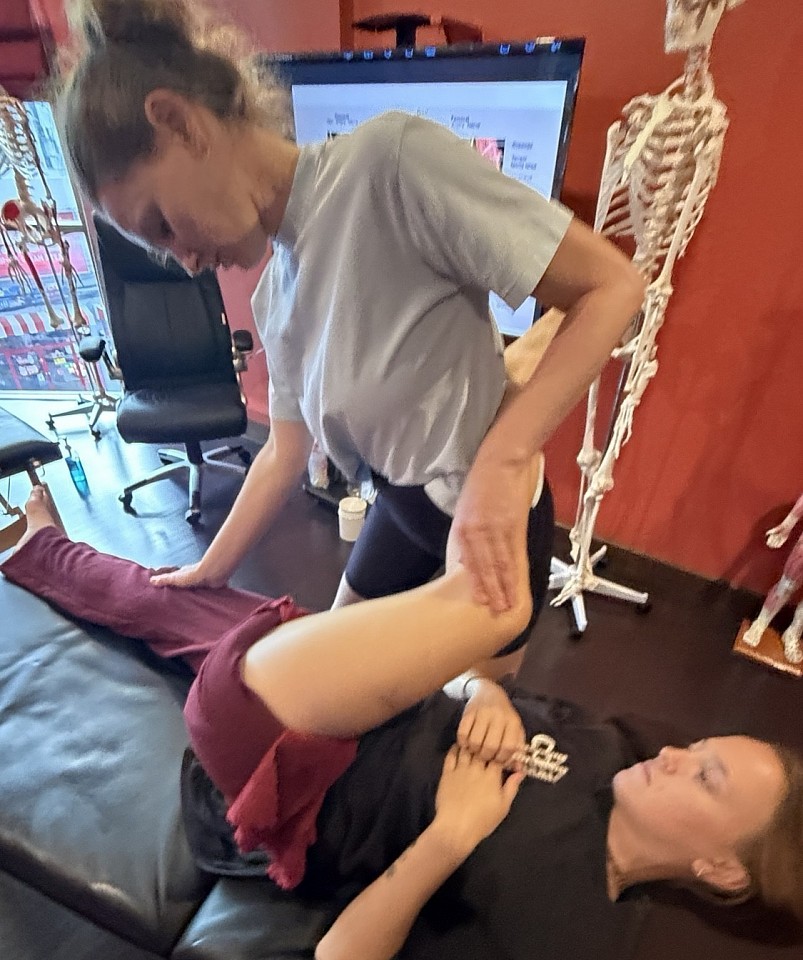
Dynamic Myofascial Release Course with Stretching
The human body functions as a complex kinetic chain and so, in RSM’s Remedial Massage Course, students learn that effective treatment requires looking beyond the immediate site of pain to address the entire system. Soft tissue manipulation addresses muscle tone, but without restoring range of motion, the treatment is incomplete. To achieve lasting results, we must understand how specific movement protocols interact with manual therapy.
Understanding the Physiology of Stretching
Before applying any technique, a practitioner must grasp the neurological process within the tissue. We are not simply pulling a muscle like a rubber band; we are communicating with the nervous system. When we introduce a stretching movement, muscle spindles detect the change in length. If the movement is too aggressive, the spindle triggers a protective contraction.
In our curriculum, we emphasize that massage prepares the nervous system for this input. By reducing hypertonicity and quieting neural “noise,” we create a window where tissue is receptive to lengthening. This is not about force; it is about respecting physiological barriers to reset the muscle’s resting tone.
The Role of Massage Therapists in Mobility
Massage therapists act as a primary defense against chronic immobility. We often see clients before surgeons or after physical therapy, placing a responsibility on us to improve mobility. We approach this by first addressing the fascia. If connective tissue is dehydrated or adhered, force will not yield a healthy range of motion.
Once tissue quality improves through manual work, integrating stretching is the logical next step. We view flexibility as a dynamic capability controlled by the central nervous system. By combining manual pressure with elongation, we retrain the brain to accept a new range of motion as safe, which is far more effective than forcing a position the body perceives as a threat.
Enhancing Flexibility Through Soft Tissue Release
The synergy between manipulation and elongation is vital. Tight muscles suffer from restricted blood flow and hypoxia, which perpetuates tension. Manual therapy acts as a pump, flushing oxygenated blood into the area. Evidence indicates that massage can further improve circulation when applied prior to mobilization.
Warm, vascularized tissue behaves plastically rather than elastically, meaning changes are more likely to last. We advocate for a protocol where tissue is warmed manually before leverage is applied. This approach aids in preventing injury and ensures the client feels supported. It transforms a potentially difficult maneuver into a therapeutic experience.
Advanced Strategies in Massage Therapy
Moving beyond basic holds requires understanding biomechanics. We often utilize techniques like Proprioceptive Neuromuscular Facilitation (PNF), which involves engaging the client. We ask them to contract a muscle against resistance before relaxing into a deeper range. This combination utilizes reciprocal inhibition to “trick” the nervous system into allowing greater length.
This is a powerful tool in massage therapy. A massage stretch must never feel precarious; stabilization is critical. We also consider anatomy trains. A restriction in the foot can limit the spine, so a massage routine must address global restrictions before locking in gains with targeted elongation.
Combining Stretch Techniques for Optimal Results
The choice of modality depends on the client’s condition and prior physical exertion. We categorize interventions to ensure safety:
- Static Stretch: Holding a position for 15 to 60 seconds to reset resting length post-treatment.
- Dynamic Mobilization: Rhythmic movements to warm tissue and assess barriers.
- Active Isolated Stretching: The client moves the limb to the end range with a gentle therapist assist.
- PNF: Contraction and relaxation cycles for maximum lengthening.
Using the correct modality is vital. Light stretching may suit a recovery session, while combining stretching with deep tissue work requires careful timing to avoid damaging fatigued muscles.
Impact on Recovery and Wellness
The goal of your massage therapy regimen is to facilitate the body’s healing. Restoring length reduces mechanical load on joints, often resolving pain misinterpreted as structural. This approach helps muscles recover more quickly by normalizing the length-tension relationship.
Furthermore, stretching enhances proprioception, giving your clients better body awareness. This is a critical component of wellness and care, empowering them to maintain their health.
To excel, one must view the session as a fluid dialogue. If your muscles resist, we listen and adapt. Integrating these methods can significantly enhance your services. By mastering both massage and elongation, we provide functional rehabilitation that truly changes lives.
Understanding the Benefits of Orthopedic Massage Therapy
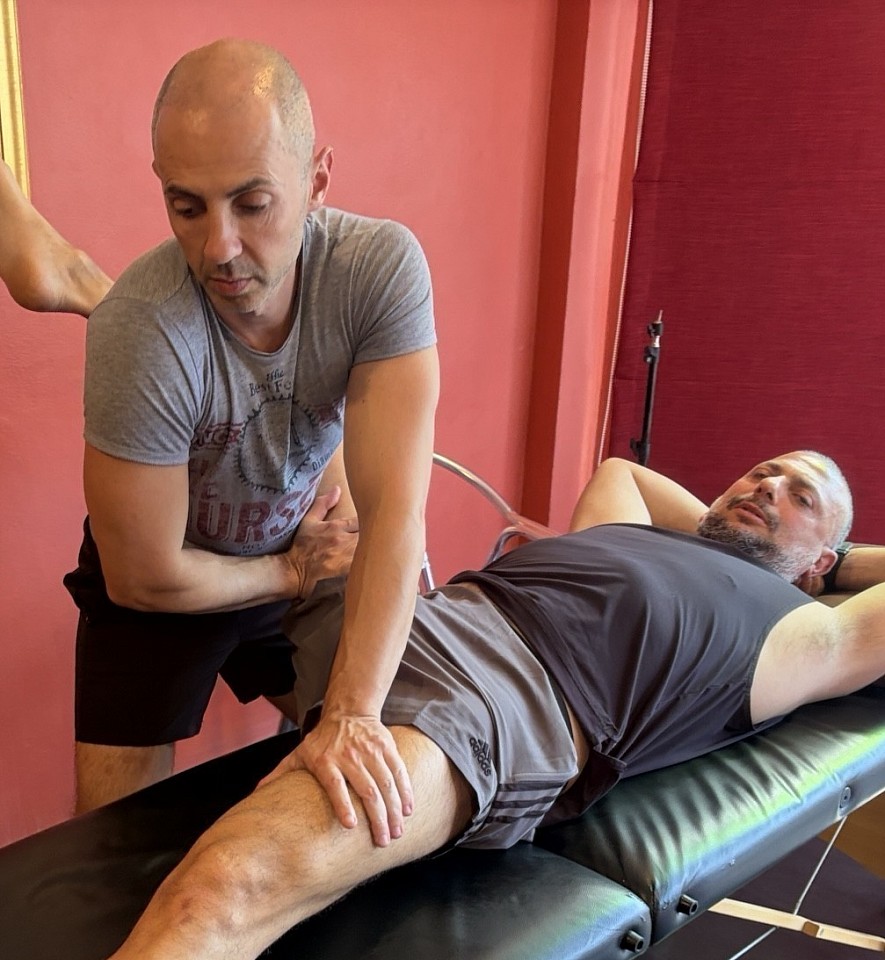
Orthopedic Massage Course Chiang Mai
Many practitioners in the field of bodywork develop an intuitive sense of touch, yet intuition alone cannot solve complex musculoskeletal puzzles. In RSM’s Orthopedic Massage Course, I emphasize that effective treatment lies at the intersection of precise anatomical knowledge and skilled manual manipulation. When we move beyond general relaxation and begin to address specific pathology, we enter the realm of clinical efficacy.
We must recognize that the human body is an architectural system where a restriction in one area inevitably alters function in another. By understanding the physiological responses of soft tissue to specific manipulation, we transform massage from a luxury into a vital component of medical healthcare.
Defining the Approach: What is Orthopedic Massage?
It is a common misconception that orthopedic massage is a singular technique. Rather, it is a multidisciplinary system of assessment and treatment designed to address orthopedic conditions that affect the soft tissues and joints.
In my experience working with sports medicine professionals, the differentiator is assessment. We do not guess; we test. Before applying any therapy, we must identify the specific tissues causing dysfunction. This approach utilizes a variety of modalities to treat specific injuries or chronic restrictions.
The primary goal is to restore structural balance. When muscles shorten due to trauma or repetitive strain, they pull joints out of alignment. Orthopedic massage seeks to lengthen these tissues and restore normal mechanics, facilitating a physiological change that supports long-term health.
Massage Therapy as a Tool for Injury Rehabilitation
When a patient suffers an injury, the body initiates an inflammatory response followed by a repair phase, often laying down scar tissue haphazardly. While this patches the breach, it lacks the elasticity of healthy tissue.
Targeted manual manipulation helps align these collagen fibers to promote healing that is functional rather than restrictive. Effective injury rehabilitation requires us to manage the tension between protecting the injured area and encouraging movement. We achieve this through specific physiological impacts:
- Circulatory Enhancement: Improving circulation ensures metabolic waste is flushed while fresh blood promotes regeneration.
- Adhesion Breaking: Friction techniques break down rigid tissue to prevent adhesions.
- Neurological Reset: Techniques like PNF help reset resting tone, allowing for muscle relaxation without brute force.
By addressing the tissue at a cellular level, we support recovery times that are shorter and more complete.
Addressing Chronic Pain and Musculoskeletal Dysfunctions
Chronic pain is perhaps the most pervasive challenge in modern healthcare. Unlike acute pain, chronic pain is often a result of central sensitization or mechanical dysfunction. Many patients come to us after traditional interventions fail to provide lasting relief.
Orthopedic massage excels here because it hunts for the root cause. By treating the source of the tension, we can manage pain more effectively than pharmacological masking. When we separate stuck fascial layers through myofascial release, we down-regulate the sympathetic nervous system. This leads to profound tension release and, subsequently, reduced pain signals.
This approach effectively corrects imbalances that lead to wear and tear. If a pectoral group is chronically short, treating the strained back muscles alone is futile. We must release the anterior restriction to allow posterior structures to neutralize, providing pain relief that is sustainable.
The Physiology of Relief and Restoration
The sensation of relief a client feels is backed by concrete physiological changes. Manual therapy mechanically creates heat and hydration in the connective tissue. We also see marked improvements in movement. A restriction in soft tissue is the primary limiting factor in a joint’s range of motion. By restoring elasticity, it improves flexibility and allows the joint to move freely.
Restoring this range is critical. Limited motion leads to compensatory patterns and secondary injuries. Therefore, the work we do to improve mobility is preventative medicine.
Integration into Clinical Therapy
At RSM, we view the therapist as a vital member of the medical team. For sports massage therapists, understanding these principles provides a framework for the safe treatment of complex musculoskeletal conditions.
We are manipulating the structural interface of the human body to support overall healing. Whether the goal is pain relief or recovery from surgery, the application of informed principles ensures that every stroke contributes to improved function. By adhering to these standards, we do not just treat conditions; we empower patients to inhabit their bodies with greater ease.
Advanced Myofascial Release for Athletes
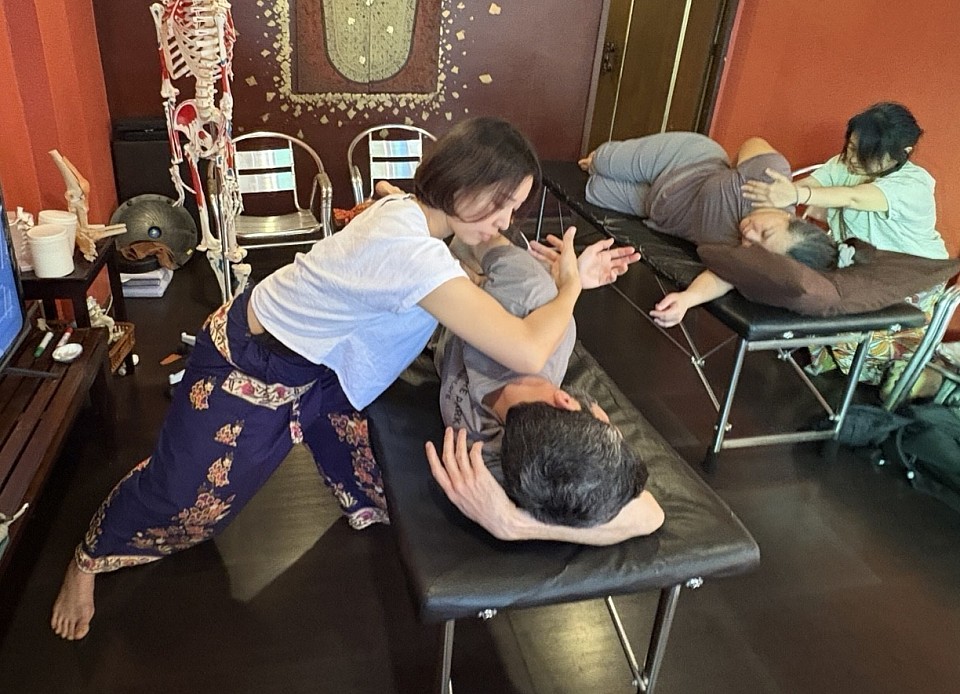
Dynamic myofascial Release with Neuro Dynamics
The Role of the Myofascial System in Performance
In the high-stakes environment of professional sports, the difference between a podium finish and an injury often lies in the subtle mechanics of the body. At RSM International Academy, we have observed that while muscle strength and cardiovascular endurance receive the bulk of training attention, the structural integrity of the connective tissue network often dictates the actual output of that power. This network is the fascia.
Anatomically, fascia is a continuous, viscoelastic sensory organ that communicates tension and position across the entire body. When we discuss the myofascial complex, we refer to the inseparable nature of muscle tissue and its accompanying connective web. For athletes, maintaining the glide and hydration of these tissues is paramount.
Restrictions within this system do not stay local. A densification of fascia in the calf can alter the biomechanics of the knee, hip, and eventually the lumbar spine. This is the concept of tensegrity in biological structures. In RSM’s Myofascial Release Course, we approach manual therapy from a sports medicine perspective, viewing the body not as a collection of parts, but as an integrated functional unit.
Mechanisms of Myofascial Release and Muscle Recovery
The application of myofascial release (MFR) involves applying sustained pressure into the soft tissue restrictions to eliminate pain and restore motion. The goal is to alter the viscosity of the ground substance – the fluid component of the fascia – allowing it to transition from a more solid, gel-like state to a fluid state.
This mechanical input does more than physically stretch the tissue. It stimulates mechanoreceptors, specifically Ruffini and Pacini corpuscles, which lower sympathetic nervous system tone and encourage global muscle relaxation. This neurological component is often overlooked, yet it is where MFR can be used most effectively to facilitate recovery.
By reducing the tension in the fascial network, we allow for improved vascular and lymphatic circulation. This clearance of metabolic waste products is vital for muscle recovery following intense exertion. Without addressing these restrictions, the muscle remains in a shortened, hypertonic state, unable to generate maximum force or recover fully before the next training session.
Does MFR Have Acute Positive Effects on Range of Motion?
One of the most immediate demands in a sports setting is the restoration of mobility. A restricted athlete is an inefficient athlete. Clinical observation and research suggest that myofascial release can have acute positive effects on range of motion.
When a therapist applies specific shear force and pressure to adhesions or trigger points, the immediate result is often a measurable increase in joint flexibility without the performance deficits sometimes associated with static stretching. Static stretching can temporarily reduce power output, whereas MFR appears to maintain muscle contractility while still helping to increase mobility.
This distinction is critical for the timing of treatment. We must understand that increasing flexibility through fascial manipulation is different from lengthening a sarcomere. We are improving the sliding surface between structures, allowing the muscle to function without internal friction.
Integrating Therapy into Athletic Training
The integration of manual therapy into an athletic program requires strategic timing. We cannot simply apply deep tissue work indiscriminately. The training cycle dictates the intensity and focus of the session.
During a heavy loading phase, the focus shifts to maintenance and creating space for the tissue to adapt. Here, the direct impact of therapy is preventive. We look for asymmetry and early signs of overuse. In contrast, during a tapering or competition phase, the work becomes lighter and more focused on neural calibration.
- Pre-Event: Techniques should be rhythmic and stimulating to prepare the tissue without inducing soreness or excessive relaxation.
- Post-Event: The focus is on flushing metabolic waste and down-regulating the nervous system to kickstart the recovery process.
Successful coaching staffs understand that fitness is not just about loading; it is about the capacity to recover from that load. Therefore, the manual therapist is not an adjunct to the team; they are a central pillar of the performance strategy.
Self-Myofascial Release (SMR) and Foam Rolling
While skilled manual therapy is irreplaceable, daily maintenance is equally important. SMR seems to provide a practical solution for athletes when a therapist is not available. This typically involves the use of tools like foam rollers or lacrosse balls.
Foam rolling has become a ubiquitous practice in gyms and clinics. While it lacks the specificity and tactile feedback of a human hand, it allows the athlete to address global tension patterns. The pressure exerted during SMR compresses the tissue, momentarily restricting blood flow, which is followed by a rush of nutrient-rich blood when the pressure is released.
However, we must educate clients on the limitations of this modality. Rolling quickly over an area does little to change tissue structure. Slow, sustained pressure is required to engage the nervous system and effect change in the myofascial tissues. It acts as a bridge between professional sessions, maintaining the gains achieved in the clinic.
Addressing Sports Injuries and Pain Management
When prevention fails and sports injuries occur, the role of fascial therapy changes from maintenance to rehabilitation. Scar tissue formation is a natural part of the healing process, but disorganized collagen fibers can lead to chronic dysfunction.
We use specific release techniques to guide the remodeling of scar tissue, ensuring that the new collagen lays down in alignment with the lines of stress. This is crucial to prevent the recurrence of injury. Furthermore, MFR is a potent tool to treat pain. By desensitizing the area and removing the mechanical tension that triggers nociceptors, we can significantly lower the athlete’s pain perception.
This approach aligns with modern physical therapy protocols that prioritize active recovery and movement over passive rest. A specific recovery method chosen by a clinician should always aim to restore function, not just mask symptoms.
Establishing a Standard in Sports Medicine
At RSM International Academy, we believe that understanding the myofascial network is the missing link for many practitioners. Whether you are a physiotherapist, a massage therapist, or involved in physical performance coaching, the ability to palpate and treat fascial restrictions distinguishes a good practitioner from a great one.
The myofascial system is the environment in which our musculoskeletal system lives. To treat the muscle without respecting the fascia is to treat the symptom while ignoring the context. Through rigorous study and precise application of these techniques, we can elevate the standard of care for athletes worldwide, ensuring they perform at their peak and recover with resilience.
