RSM Blog: Sports Medicine and Massage Insights
Improving Session Flow in Massage
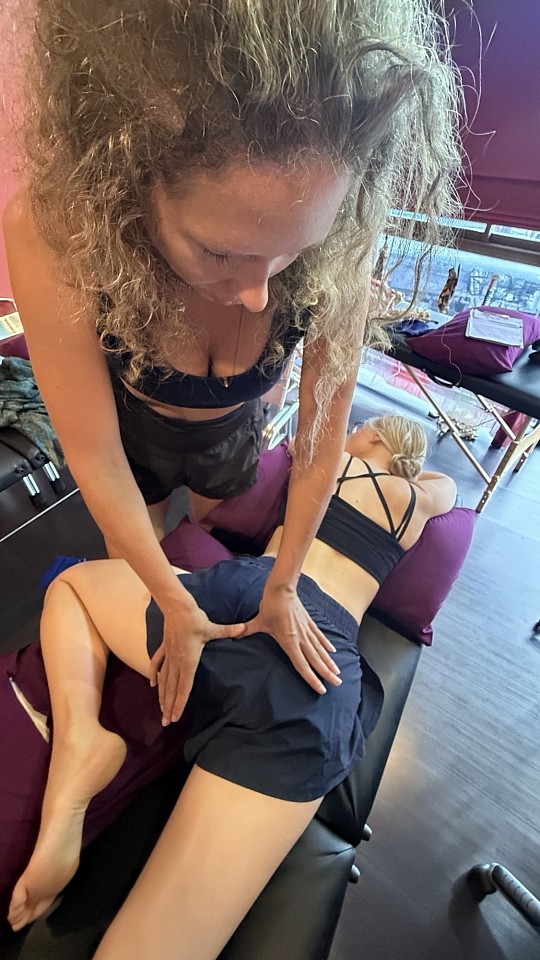
Deep Tissue massage course
The interaction between a massage therapist and the client is a rhythmic communication that extends far beyond the mere application of pressure. When we discuss flow within a clinical setting, we are describing the transition between techniques, the continuity of physical contact, and the logical progression through anatomical layers. For those of us operating at the intersection of sports medicine and manual therapy, flow is a neurological necessity rather than an aesthetic preference. At RSM International Academy, we view the massage as a singular, cohesive narrative where every movement informs the next, ensuring the sensory framework remains receptive rather than reactive.
A therapist who masters this cadence understands that human physiology is highly sensitive to abrupt changes in stimulus. When a hand is lifted too quickly or a stroke ends without a clear transition, proprioceptive awareness is momentarily disrupted. This interruption often triggers a minor sympathetic response, leading to guarding that complicates accessing deeper structural pathologies. By refining how we move from one region to another, we maintain a state of parasympathetic dominance, allowing for effective interventions in myofascial and neuromuscular tissues. This precision is essential for anyone interested in improving session flow in massage.
The Rhythm of Clinical Efficacy in Massage
The efficacy of manual therapy depends heavily on the state of the autonomic nervous system. When a practitioner maintains a consistent, predictable rhythm, the brain maps the touch as a safe, therapeutic input. This neurological mapping is the cornerstone of successful pain management and recovery. If the flow is fragmented, the brain remains in a state of hyper-vigilance, scanning for the next unpredictable sensation. We have observed that client sessions characterized by a lack of continuity result in lower satisfaction and slower clinical outcomes, particularly in sports-related injury rehabilitation.
Rhythm and pressure must be modulated in tandem with the breathing patterns of the client. This synchronization allows manual intervention to sink into the tissues during the exhalation phase, when the structure is naturally inclined to release tension. By treating the massage session as a dialogue with the client's physiology, we navigate the delicate balance between intensity and relaxation. This approach is particularly vital when addressing chronic conditions where the brain has developed high sensitivity to nociceptive signals. A smooth, intentional flow dampens these signals, creating a window for structural change.
How Client Intake Shapes the Structural Narrative
Enhancing session continuity begins long before the client lies on the table. A comprehensive client intake serves as the blueprint for the entire treatment. By gathering detailed information regarding injury history, lifestyle factors, and specific physiological goals, we construct a map of the session flow before the first point of contact. This preparation allows the therapist to move through the treatment with purpose and direction, rather than pausing to reassess the plan mid-session. This foresight is a critical aspect of practice management that directly influences clinical success.
During the intake, I look for the primary drivers of discomfort, which are frequently distant from the site of reported symptoms. Understanding these connections allows for a logical progression through the kinetic chain. For example, a client presenting with lumbar discomfort may require initial work on the hip flexors and thoracic spine. If these transitions are planned during the initial interview, the manual application feels like a deliberate exploration of structural integrity. This foresight prevents the jerky, "stop-and-start" feeling that characterizes less experienced treatments.
Proprioceptive Continuity and the Human Body
Maintaining contact as you transition between muscle groups is a fundamental skill separating the technician from the artist. When working on the posterior chain, movement from the gastroc-soleus complex to the hamstrings should be seamless. The hands act as a bridge, maintaining a constant sensory connection to the body while navigating the popliteal fossa. This continuous contact provides a sense of security essential when the objective is affecting deeper layers of fascia. Such tactile continuity is the foundation of a superior client experience.
In sports medicine, we must also consider the directional flow of lymphatic and circulatory systems. Moving distally to proximally not only supports metabolic clearance but provides a logical framework for manual strokes. When the therapist’s movements mirror natural pathways of the circulatory network, the treatment feels intuitive. This synergy between anatomical knowledge and manual execution ensures the massage is not a collection of disjointed techniques, but a systemic intervention aimed at restoring global function.
The Strategic Importance of Client Scheduling
The logistical aspects of a career in manual therapy often dictate clinical outcomes more than practitioners realize. If we view client care as a holistic endeavor, we must include the environment and timing of the intervention. A therapist who is constantly overbooked will struggle to find the space required for deep palpation and precise adjustment. Therefore, professional training must emphasize the link between business habits and the quality of touch provided. When the practitioner is not stressed by time constraints, the massage unfolds at a pace matching the tissue's needs.
The ability to maintain high-level flow depends on the therapist’s physical state. Proper client scheduling is an essential component of professional practice. If a practitioner is rushed or fatigued, the quality of movement suffers. Transitions become less precise, pressure becomes inconsistent, and overall flow is compromised. We encourage students to build buffers into their schedules, allowing for adequate rest and cognitive resetting between appointments. This self-care directly impacts the work; a well-rested therapist is attuned to subtle shifts in tissue density and non-verbal cues.
Technical Mastery of Professional Massage
To achieve higher levels of clinical success, one must integrate nuanced manual interventions where the logic of the session dictates the choice of massage techniques. Initial superficial work prepares tissues by increasing local temperature and blood flow, facilitating the application of deeper, specific pressure. This tiered approach is the foundation of our Deep Tissue Massage Course, where we emphasize melting into tissue layers rather than forcing through them.
When we discuss deep work, we refer to the specificity of contact and the ability to engage deep fascia and periosteum without triggering a pain response. This requires a profound understanding of how the body reacts to sustained compression. By using slow, myofascial releases and trigger point therapy within a flowing sequence, the therapist addresses chronic adhesions while keeping the client relaxed. The transition from broad, warming strokes to localized, deep interventions should be almost imperceptible.
To refine this technical flow, consider these specific elements:
- Rhythmic Oscillation: Incorporating gentle shaking or rocking between deeper strokes resets the neurological framework and prevents guarding.
- Vector Consistency: Maintaining a consistent angle of pressure when moving along a muscle fiber prevents the "skipping" sensation that occurs when a therapist loses their line of force.
- Transitioning via the Kinetic Chain: Following anatomical links, such as moving from the gluteus medius to the tensor fasciae latae, ensures the treatment follows a logical functional path.
- Body Flow Integration: Coordinating your own footwork with the length of your strokes allows for a more efficient use of energy and smoother transitions across large surface areas.
Refining the Massage Session through Positional Logic
I have found that the most effective way to improve flow is to cultivate a deep sense of spatial awareness. This involves knowing where your hands are on the client and how your entire frame is positioned in relation to the table. Efficient body mechanics allow the therapist to move around the table with minimal disruption to manual contact. This "dance" around the client is a silent but powerful component of session flow. When the therapist moves with ease, the client feels held and supported, a prerequisite for deep healing to occur.
In a clinical practice, the ability to adapt flow to specific needs is paramount. A client recovering from surgery requires a different cadence compared to an athlete preparing for competition. The former may need slow, meditative transitions to avoid overloading a sensitized physiology, while the latter might benefit from a more invigorated, yet fluid, pace to stimulate neuromuscular activation. The common denominator is intentionality. Every stroke in the massage is a deliberate step toward a defined therapeutic goal.
Establishing a clear understanding of goals and intended sensations before work begins reduces the need for frequent verbal interruptions. Client communication plays a vital role in flow, but once the client is on the table, focus shifts to tactile dialogue. If verbal feedback is required, it should be sought without breaking the rhythmic immersion. We teach students to use their hands to "ask" tissues for permission – a subtle skill involving monitoring tissue resistance and adjusting pressure accordingly.
The evolution of manual therapy is moving toward a systemic approach. We are no longer simply treating isolated muscles; we are treating a complex, interconnected system of fascia, nerves, and metabolic processes. To do this effectively, our manual work must reflect complexity through continuity. Improving the flow of a massage is not about being "smooth" for the sake of relaxation; it is about providing the brain with a coherent, therapeutic map of the body.
When a massage is executed with high-level flow, it becomes a form of somatic education. Clients learn to recognize areas of tension and ease, beginning to understand how different parts of their structure relate to one another. This increased awareness is a vital part of the healing process, empowering them to make better choices in movement and posture. At RSM, we believe the mastery of flow is one of the most significant contributions a therapist can make to their client’s health. By prioritizing flow, we respect the intelligence of the human body and align ourselves with its natural processes. This is the essence of high-quality manual therapy.
Advanced Methods for Learning to Palpate Trigger Points
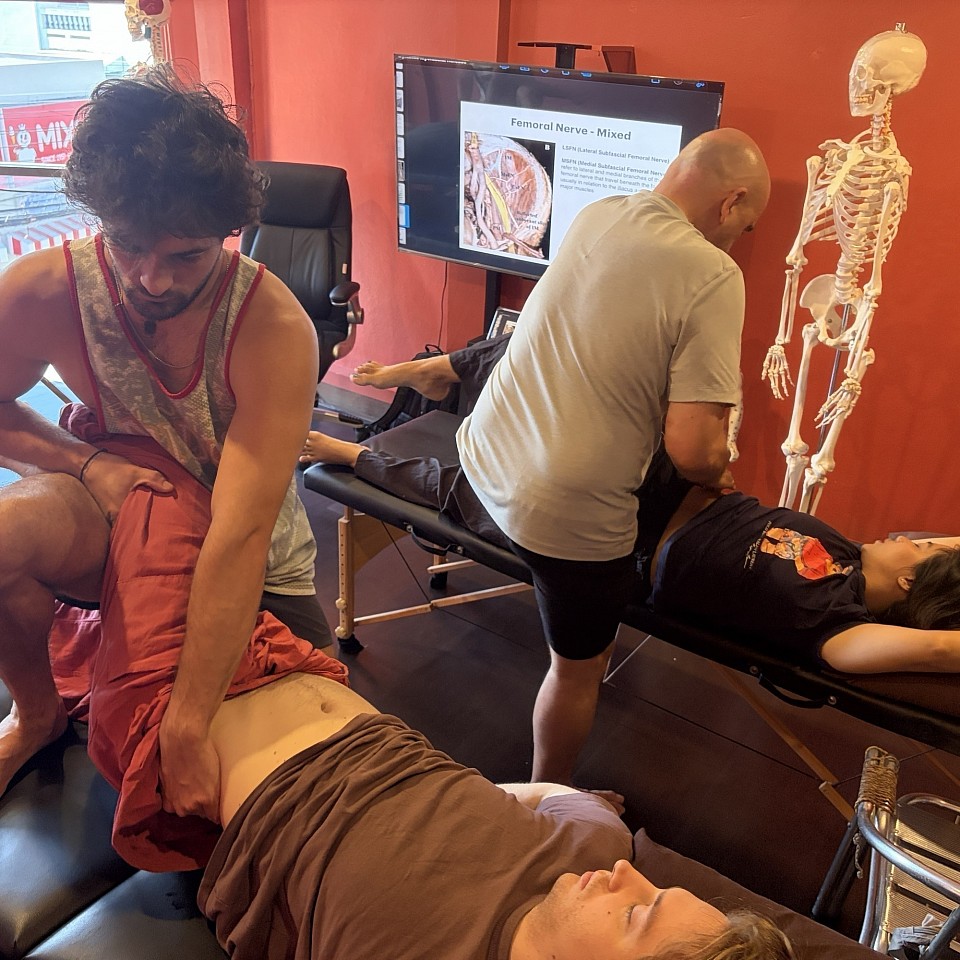
Trigger point therapy course
The human hand remains a sophisticated diagnostic instrument which often outperforms imaging when pathology is functional rather than structural. In the context of sports medicine and advanced manual therapy, the ability to discern the subtle nuances of soft tissue is the boundary between a general practitioner and a specialist. When we discuss the mechanical and neurological landscape of a patient, we are looking for the specific, hyperirritable nodules that characterize the myofascial system. Identifying these sites requires more than a casual application of force; it demands a deep understanding of the physiological state of the sarcomere and the sensory feedback loops of the nervous system.
At RSM International Academy, our approach to sports massage is grounded in the reality that a clinical diagnosis is only as good as the clinician’s tactile accuracy. My experience in sports medicine has taught me that many practitioners can find a knot, yet few can distinguish the clinical significance of what they are touching. The skill of palpation is a sensory refinement that allows the therapist to interpret resistance, temperature, and the specific density of a taut band. This is not a mystical process; it is the application of biomechanical knowledge through the fingertips.
Identifying the Taut Band and the Trigger Point
To understand the tactile feedback of a trigger, one must first visualize the microscopic environment of the motor endplate. The current scientific consensus suggests these sites are localized areas of sustained contraction within a muscle, representing a localized failure in the calcium reuptake mechanism. When you palpate a patient, you are looking for the physical manifestation of this metabolic crisis. The hallmark of a myofascial trigger point is the taut band. This is a group of muscle fibers that feel like a tight cord or a guitar string amidst the surrounding soft tissue. Finding this band is the first step in the diagnostic sequence.
When I teach students in Chiang Mai, I emphasize that the taut band is the container for the trigger itself. You do not simply press into the muscle; you must strum across the fibers to feel the abrupt change in tension. This transverse palpation is essential because it provides the necessary contrast between healthy, compliant tissue and the dysfunctional, contracted fibers of the myofascial unit. A trigger point is a specific, focal nodule within that taut band. It is the epicenter of the tension. When pressure is applied to this nodule, the patient usually reports a distinct sensation that differs from generalized muscle soreness. This is a refined pressure pain that often produces a predictable pattern of referred pain. This referral is what makes the study of these points so critical for clinicians; a therapist who only treats the site of the patient’s complaint will often miss the actual source of the dysfunction.
Evaluating the Active Trigger and Latent Trigger
In a clinical setting, we categorize these sites based on their symptomatic behavior. The distinction between a latent trigger and an active trigger is vital for determining the priority of treatment. An active trigger is a source of spontaneous pain; the patient feels it during movement or even at rest. It is the primary driver of the patient’s current symptom profile and is typically very sensitive to palpation. A latent trigger, conversely, does not cause spontaneous pain. It may remain quiet for years, only revealing its presence when a clinician applies direct pressure.
However, just because it is quiet does not mean it is benign. Latent points contribute to restricted range of motion, muscle weakness, and altered movement patterns. From a sports medicine perspective, these are the hidden saboteurs of athletic performance. They change the recruitment order of muscle groups, leading to compensatory patterns that eventually result in injury elsewhere in the kinetic chain. When you learn to palpate these different states, you begin to see the muscle not as a single unit, but as a complex system of active and dormant zones. The tactile sensation of an active nodule is often more reactive. There is frequently a higher degree of local edema or a change in skin temperature over the site. Myofascial trigger points in an active state are often associated with a lower pain threshold, meaning the patient will recoil or exhibit a jump sign with relatively little pressure.
The Local Twitch Response in Manual Therapy
One of the most objective signs available to the manual therapist is the local twitch response. This is an involuntary contraction of the fibers within the taut band when the trigger point is provoked, usually through a snapping palpation or a dry needling technique. It is a spinal cord reflex that confirms you have accurately located the site of the lesion. For the clinician, the twitch is a moment of diagnostic clarity. It provides immediate feedback that the manual intervention is interacting with the correct tissue. While not every palpation will elicit a local twitch, its presence is a gold standard in the identification of myofascial pain syndromes.
This response is a reminder that we are not just dealing with muscle tension but with a nervous system that is protecting a localized area of metabolic distress. Developing the sensitivity to feel this twitch under your fingers requires a light but firm touch. If you use too much pressure, you may dampen the muscle’s ability to contract; if you use too little, you will not provoke the reflex. It is a delicate balance. In our Trigger Point Therapy Course, we focus heavily on this refinement of touch, ensuring that students can not only find the points but also interpret the muscle’s neurological response to their treatment.
Diagnostic Reliability of a Trigger Point in Clinical Practice
The reliability of manual palpation has been a subject of debate in medical literature for decades. However, studies involving experienced clinicians show that when standardized criteria are used, the inter-rater reliability for identifying a trigger point is high. The key is the systematic application of pressure and the recognition of specific clinical markers. By adhering to a rigorous set of criteria, you move away from generalized massage and toward a targeted, medical approach to soft tissue therapy. This shift is what differentiates the RSM method from traditional relaxation massage. We are interested in the clinical resolution of myofascial pain, which requires a precise understanding of the anatomy and a disciplined approach to manual assessment.
To ensure accuracy in your practice, you should look for the following criteria:
- A palpable taut band within the muscle.
- An exquisitely tender nodule within that band.
- The reproduction of the patient’s familiar pain (referred pain).
- A localized twitch response upon provocation.
- A predictable restriction in the range of motion for the affected muscle.
By using these indicators, the practitioner creates a reproducible framework for treatment. This diagnostic weight is essential when working with medical professionals or within a sports medicine team, where clear communication and objective findings are the standard of care.
Pressure and Release in Trigger Point Therapy
The actual treatment of these points is a continuation of the palpation process. Once the nodule is identified, the application of manual pressure serves both a diagnostic and a therapeutic purpose. This is often called ischemic compression, though the modern understanding suggests it is more about the mechanical stretching of the sarcomeres and the desensitization of local nociceptors rather than just blood flow. The amount of pressure required is a common point of confusion. Many therapists believe that more pressure is always better, but this can often trigger a defensive guarding response from the patient.
The goal of trigger point therapy is to provide enough stimulus to encourage the muscle to release its sustained contraction without causing so much pain that the patient’s nervous system goes into a state of high arousal. I often tell my students that we are listening with our hands. As you maintain pressure on a trigger, you should feel a gradual softening of the tissue. This release is the sensation of the taut band losing its hypertonicity. If the tissue does not change under your hand, your pressure may be too high, or you may not be on the actual nodule. It is a constant dialogue between the therapist’s hands and the patient’s physiological state.
Integrating Palpation into Sports Medicine
Finding a trigger point is rarely the end of the story. In sports medicine, we must ask why that point developed in the first place. Is it a result of chronic postural strain? Is it an acute overload from a specific athletic movement? Or is it a secondary manifestation of a joint dysfunction? Effective treatment involves addressing the trigger but also correcting the underlying mechanics that allowed it to form. For example, a trigger in the infraspinatus is often a result of poor scapular stability. If you treat the muscle without addressing the scapular rhythm, the pain will inevitably return.
This integrated perspective is what we champion at RSM. We use palpation to identify the immediate source of pain, but we use our knowledge of sports medicine to solve the larger biomechanical puzzle. The mastery of palpation is a lifelong pursuit. Every patient presents a new map of tension and sensitivity. The ability to navigate this map with precision is what makes manual therapy an art as much as a science. It requires patience, a deep knowledge of anatomy, and a commitment to the subtle feedback that only the human body can provide. When we palpate the muscle, we are interacting with a localized milieu of biochemicals. Research using microdialysis has shown that within an active trigger, there are elevated levels of bradykinin, substance P, and various cytokines. These substances sensitize the local nerves, which explains why the pressure pain is so intense even with light contact.
By applying targeted pressure, we are essentially milking the area, encouraging the clearance of these inflammatory byproducts and allowing fresh, oxygenated blood to return to the sarcomeres. The taut band is effectively a zone of local ischemia; by resolving the contraction, we restore the metabolic balance of the tissue. This understanding changes the way we approach the patient. We are not just breaking up adhesions, a term that is often used loosely and inaccurately in the massage world. Instead, we are facilitating a physiological shift in the muscle’s environment.
Beyond technical benefits, precise palpation builds trust. When you find the exact spot that has been causing a patient’s headache or sciatica and you reproduce their referred pain, you are demonstrating a profound understanding of their condition. In the sports medicine world, athletes know when something feels off even if it doesn't show up on an MRI. When a clinician can palpate the specific myofascial trigger points that are causing a loss of power, it validates the athlete’s experience and provides a concrete target for therapy. This synergy between expert touch and clinical knowledge is the hallmark of elite practice. By honing your ability to palpate the myofascial system, you are equipping yourself with the means to resolve pain, restore function, and help your patients achieve their full physical potential. This is the essence of the work we do at RSM International Academy, and it is a path of constant discovery and professional growth.
Defining Sports Massage Ethics and Professionalism in High-Performance Care
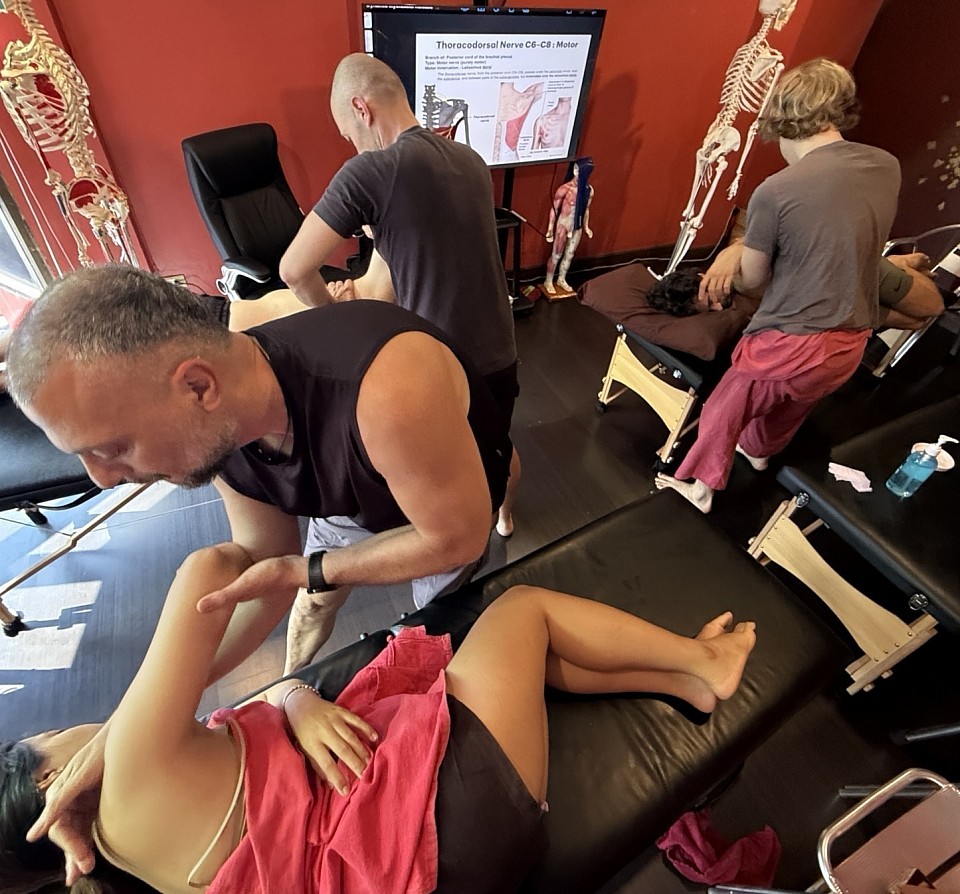
Sports massage course
The Foundation of Ethical Massage
The interaction between a clinician and an athlete is a profound exchange of trust. When a patient enters a treatment room, disrobes, and allows another person to manipulate their soft tissue, they surrender a significant degree of autonomy. In high-level sports medicine, where the goal is rapid recovery or performance optimization, the line between therapeutic necessity and aggressive intervention often blurs. This is where the true rigor of our work is defined. It is not merely about anatomical knowledge; it is about the framework of safety we build around the treatment.
At RSM International Academy, I emphasize that manual skills are useless without a compass to guide their application. This compass is not just a list of rules from a therapy association; it is an internalized understanding of power dynamics. The massage therapist holds the power of knowledge and physical positioning. The person on the table holds the vulnerability of pain. Acknowledging this asymmetry is the first step toward a clinical mindset.
We must move beyond the rudimentary definition of "right and wrong." In a sophisticated massage practice, we are not simply avoiding gross misconduct. We are navigating the nuances of informed consent, the physiological ethics of pain, and the psychological impact of our words. When we treat the body, we treat the nervous system, and the nervous system records everything—safety, danger, respect, and violation.
Navigating Ethical Dilemmas in Pain Management
A pervasive issue in our field is the normalization of pain. In the sports world, the "no pain, no gain" ethos is entrenched. However, transferring this mentality to the treatment table presents significant ethical dilemmas.
Many practitioners assume deep tissue work must be painful to be effective. From a sports medicine perspective, this is ethically questionable. When we inflict pain that causes the patient to brace or guard, we trigger a sympathetic nervous system response, essentially fighting the body we are trying to heal.
The ethical choice is to prioritize the nervous system's safety over the therapist’s ego or the patient's expectation of intensity. It requires confidence to tell a high-performance athlete that lighter, precise engagement is more effective than brute force. We have an ethical obligation to educate clients that therapeutic discomfort is distinct from injurious pain.
This distinction is central to our teaching. We explore how postural alignment and biomechanics resolve issues without resorting to aggressive techniques that might satisfy a bias but harm the tissue. A therapist who equates intensity with value fails their ethical principle of non-maleficence.
Furthermore, pain management leads to the issue of scope. We are soft tissue specialists, not orthopedists. Keeping a client for weeks of ineffective treatment when they require imaging is a failure of professional integrity.
Dual Relationships in the Athletic Environment
The boundaries in a standard clinic are clear: the patient arrives, receives treatment, and leaves. In sports, however, the environment is fluid. Therapists travel with teams and treat patients in hotel rooms. These scenarios create fertile ground for dual relationships.
A dual relationship occurs when a professional role overlaps with a social or business role. In competitive sports, the emotional barrier between therapist and athlete creates risk. The therapist may become a confidant or friend. While rapport is essential, the loss of professional distance compromises clinical judgment.
If an athlete asks for a treatment modification that is contraindicated because they "trust you" and "need to play," a friend might acquiesce. A professional will refuse. The ethical integrity of the treatment plan must never be influenced by the social dynamic.
We must also consider dependency. Athletes can become psychologically reliant on a specific therapist. Fostering this dependency for financial gain is a violation of ethics. Our goal is the athlete's independence. We treat to empower, not to create a lifelong subscriber to our services.
Professionalism as a Therapeutic Mechanism in Massage Therapy
Professionalism is often viewed as external behaviors: uniforms, hygiene, or records. I view this concept as a therapeutic mechanism. The context effect is a powerful component of manual medicine.
When a patient enters a space that is clean and clinically sound, anxiety decreases. When the therapist explains the treatment plan with authority, the patient's nervous system downregulates. This state of parasympathetic dominance allows the massage to be effective. Conversely, a chaotic environment or lack of boundaries triggers vigilance.
Therefore, elements like massage insurance, detailed SOAP notes, and privacy laws are signals of safety. They tell the patient they are in a controlled medical environment. This extends to financial transparency; ethical massage demands clear communication regarding costs and policies. Ambiguity creates stress, and stress is the antagonist of healing.
The Role of the Instructor and Continuing Education
The landscape of sports medicine evolves constantly. What was best practice a decade ago may now be obsolete. Therefore, the refusal to update one's knowledge is a form of negligence.
A massage therapist relying solely on initial training does a service to their clients. Anatomy remains the same, but our understanding of fascia and pain science advances. Engaging with a reputable resource or mentor is mandatory for maintaining a high standard.
At RSM, experienced practitioners often return to study because they realize their foundational training did not equip them for complex cases. They seek advanced courses to deepen clinical reasoning. This intellectual curiosity is the hallmark of an ethical practitioner. It admits that we do not know everything and are willing to invest to serve patients better.
We also address the role of the instructor. Educators have a responsibility to teach massage therapy as a critical thinking process. Teaching students to memorize a sequence without understanding the "why" sets them up for failure. When a therapist does not understand the mechanism of their treatment, they cannot obtain true informed consent.
The Unspoken Contract
The contract between therapist and patient is written in the language of the body. It is a contract of safety. Whether working with an Olympic sprinter or a weekend warrior, the principles remain constant. We respect the anatomy, the autonomy of the individual, and the limits of our scope.
By adhering to a rigorous code of ethics, we elevate the profession. We move massage away from luxury and into evidence-informed healthcare. This is the standard we strive for in Chiang Mai.
The journey to becoming a master therapist is about refining character and judgment. It is about understanding that every time we place our hands on a patient, we make an ethical statement. Let that statement be one of competence and integrity.
For those looking to deepen their understanding of these clinical frameworks and master the structural intricacies of the human body, we invite you to join the Sports Massage Course at RSM International Academy. It is there that we translate these philosophies into tangible, therapeutic skills.
The Best Textbooks for Orthopedic Massage Students
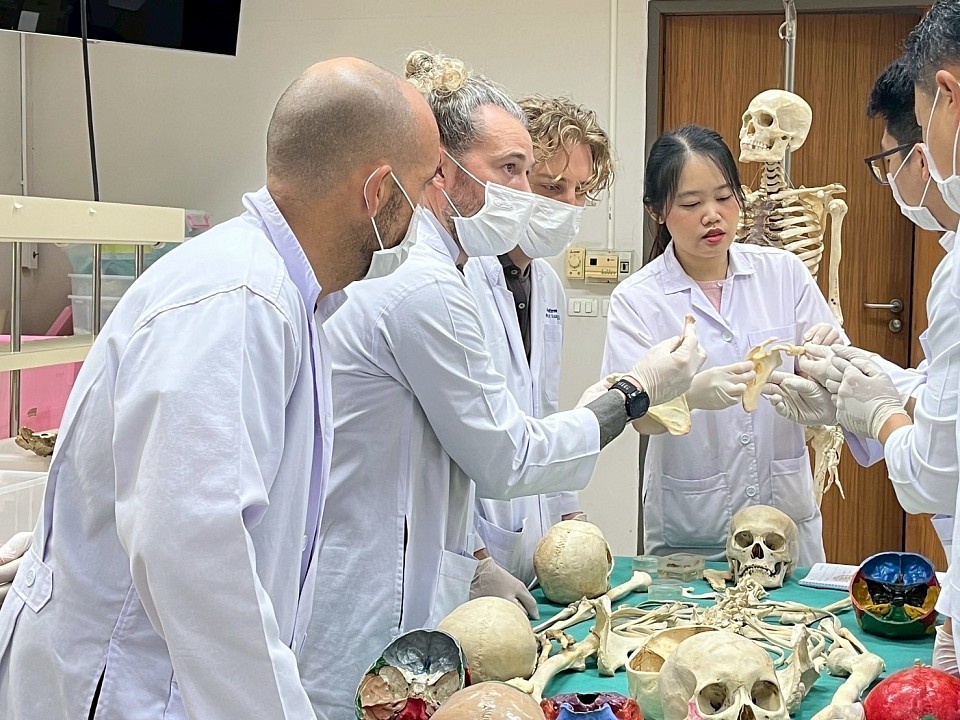
Orthopedic massage course
There is a distinct threshold in the career of a manual therapist where intuition ceases to be sufficient. In the early stages of training, we rely heavily on touch, flow, and generalized routines. We learn to follow muscles and hunt for tension. Yet, as we encounter complex musculoskeletal pathologies – frozen shoulders that refuse to thaw or chronic lower back pain that defies standard release work – we realize that "rubbing it where it hurts" is a strategy with a low ceiling.
To ascend to the level of a clinical expert, one requires a different caliber of resources. We must move from general relaxation to specific, outcome-based intervention. This transition demands a rigorous engagement with the literature of our field. It requires a library that serves not merely as a collection of manuals, but as a map for navigating the intricate biological machine that is the human body.
At RSM International Academy, we emphasize that hands-on skill is useless without the theoretical architecture to support it. A therapist who knows how to stroke a muscle but not why it is dysfunctional is merely a technician. A therapist who understands the biomechanics, pathology, and anatomical interplay is a clinician. The following is a curated analysis of the essential literature for this field. These are not light reads; they are dense, rigorous texts that bridge the gap between medical theory and manual practice.
Essential Resources for Massage Therapists
The market is saturated with resources promising to teach "advanced" methods in a weekend. Most of these are reductive, offering sequences rather than understanding. True mastery comes from synthesizing three distinct pillars of knowledge: detailed structural anatomy, accurate orthopedic assessment, and precise manual manipulation.
If you are looking to deepen your practice, your bookshelf must reflect this synthesis. We are not looking for texts that simplify; we are looking for texts that clarify complexity without diluting it. The volumes discussed here are those I return to constantly in my own clinical practice and teaching in Chiang Mai. They represent the gold standard for anyone serious about the science of restoration.
Anatomical Knowledge: The Foundation
Anatomy is the language of our profession. Without fluency in this language, we are illiterate in our own hands. However, medical anatomy texts designed for surgeons often fail the practitioner. We do not need to know the cellular structure of the liver; we need functional, palpable anatomical knowledge.
Trail Guide to the Body (Andrew Biel)
While this recommendation may seem ubiquitous, its value cannot be overstated. Trail Guide to the Body is the primary text for palpatory literacy. Andrew Biel does not simply list origins and insertions; he provides a navigational system for the landscape of the body.
For massage students, the utility of this text lies in its emphasis on "bony landmarks." You cannot manipulate the supraspinatus accurately if you cannot confidently locate the spine of the scapula. Biel’s text forces the therapist to think in layers. It requires you to find the hard tissue first, then navigate the soft tissue relative to those fixed points.
Atlas of Human Anatomy (Frank H. Netter)
If Biel provides the map for the surface, Frank Netter provides the depth. Netter’s Atlas of Human Anatomy is widely regarded as the masterpiece of medical illustration. For the manual therapist, Netter offers a visualization of the body’s interior that is unparalleled in its aesthetic and accuracy.
Why is a medical atlas necessary? Because we are working on a three-dimensional object packed with nerves, vessels, and organs. When treating the anterior neck, knowing the location of the scalenes is insufficient; you must visualize their proximity to the brachial plexus. Netter’s plates show these relationships with terrifying beauty. Studying Netter changes your intent. When you visualize the density of the lumbar plexus weaving through the psoas major, your deep tissue work becomes more respectful and precise.
The Definitive List for Clinical Massage
This is the dividing line between a spa therapist and an orthopedic practitioner. In a spa setting, the client dictates the session. In an orthopedic setting, the assessment dictates the session. You cannot treat what you cannot assess. If you do not know how to differentiate between a contractile injury and an inert tissue injury, you are guessing.
Orthopedic Physical Assessment (David J. Magee)
This is the definitive text on assessment. It is dense, academic, and absolutely essential. Magee’s text is standard reading for physical therapists, but it is frequently ignored by our community. This is a mistake.
The value of Magee for the practitioner lies in his systematic approach to differential diagnosis. The text breaks down every joint in the body and provides a battery of special tests to isolate specific pathologies. Consider the shoulder: is the pain bursitis, a supraspinatus tear, or bicipital tendinitis? Magee details the tests – Neer’s, Hawkins-Kennedy, Speed’s – that allow you to form a hypothesis. Even if you cannot legally diagnose in your jurisdiction, understanding these tests allows you to communicate effectively with doctors and know when not to treat.
Clinical Massage Therapy (Rattray & Ludwig)
For those looking for a direct bridge between pathology and manual technique, Fiona Rattray and Linda Ludwig’s Clinical Massage Therapy: Understanding, Assessing and Treating Over 70 Conditions is the industry standard.
Unlike Magee, which focuses on testing, Rattray focuses on the treatment plan. This text is organized by condition: Tendinitis, Bursitis, Frozen Shoulder, etc. For each condition, it outlines the anatomy, the assessment, and a step-by-step treatment protocol. This massage book teaches the student how to structure a therapeutic session. It answers practical questions: How do I position the client for a gluteal strain? What hydrotherapy is appropriate? It serves as a bridge, translating abstract concepts of pathology into concrete manual actions.
Advanced Therapy Books for Soft Tissue
Once you understand the anatomy and have assessed the condition, you need the technical facility to intervene. Standard effleurage is rarely sufficient for resolving chronic orthopedic issues. You need tools that address specific tissue dysfunctions.
Myofascial Pain and Dysfunction: The Trigger Point Manual (Travell, Simons & Simons)
This is the magnum opus of soft tissue literature. Janet Travell and David Simons revolutionized our understanding of pain by introducing the Western medical world to the concept of referred pain patterns arising from myofascial trigger points.
This two-volume set is encyclopedic. It maps the referred pain pattern of practically every muscle in the body. If a client complains of a headache behind their eye, Travell and Simons allow you to trace that pain back to a trigger point in the upper trapezius. Reading this text is a lesson in patience and detail. Among therapy books, this stands alone as the bible for pain referral patterns, describing the etiology of trigger points and how mechanical stress creates these dysfunctional nodes.
Deep Tissue Massage (Art Riggs)
While many authors discuss theory, Art Riggs discusses the mechanics of touch. Deep Tissue Massage: A Visual Guide to Techniques is exceptional because it focuses on the biomechanics of the therapist.
Orthopedic work is physically demanding. Without proper leverage and tool selection, a therapist will burn out. Riggs teaches how to use bodyweight to engage tissue obliquely, hooking into the fascia rather than compressing it against the bone. His approach aligns closely with the values we hold at RSM. We believe that depth is not about force; it is about access. Riggs explains how to melt through superficial layers to access deep rotators without causing defensive guarding.
Refining Massage Techniques Through Biomechanics
The body is not a static statue; it is a kinetic machine. Muscles do not function in isolation; they function in chains. To treat an injury, you must understand the movement patterns that created it. To truly refine your massage techniques, you must look at the physics of movement.
Anatomy Trains (Thomas Myers)
Thomas Myers’ Anatomy Trains challenged the isolationist view of anatomy. Standard texts show muscles as individual units; Myers demonstrates that the fascial network links these muscles into continuous longitudinal meridians.
This concept is vital for solving complex orthopedic puzzles. A pain in the plantar fascia may be mechanically linked to tension in the suboccipitals via the Superficial Back Line. This text encourages systemic thinking. When you treat a client with chronic neck pain, Myers prompts you to look at their pelvic tilt and arch support.
Kinesiology of the Musculoskeletal System (Donald Neumann)
If you wish to understand the physics of human movement, Neumann is the final word. This text is heavily used in Doctor of Physical Therapy programs, breaking down the forces, fulcrums, and levers at play in every joint.
Why should a manual therapist read a physics text? Because orthopedic issues are almost always issues of load management. If a client has patellofemoral pain, it is often because the vectors of pull from the quadriceps are imbalanced. Neumann explains these vectors. Understanding the "screw-home mechanism" of the knee or the scapulohumeral rhythm of the shoulder allows you to restore function, not just reduce pain.
Bridging Theory and Massage Therapy Practice
Building a library is an investment in your clinical reasoning. These volumes are expensive, dense, and heavy. They are not designed to be read once and shelved. They are reference tools that should sit on your desk, dog-eared and highlighted.
I recommend starting with the trifecta: Biel for surface anatomy, Magee for assessment, and Rattray for clinical protocols. These three cover the essential bases of practice. As you encounter more complex cases, expand into the specialized worlds of Travell, Myers, and Neumann. Do not be intimidated by the academic weight of these texts. Read them in sections. When you have a client with tennis elbow, read the chapter in Magee on elbow assessment and the chapter in Rattray on lateral epicondylitis. Apply what you read the next day. This immediate practical application is how information becomes wisdom.
However, reading is passive; massage therapy is active. The danger of book learning is that it can remain abstract. You can memorize the origin of the psoas, but feeling the difference between the psoas and the iliacus requires educated fingers. You can memorize the symptoms of a labral tear, but distinguishing that end-feel in a live joint requires guided experience.
The best use of a massage book is as a companion to high-level hands-on training. In our classroom, we often see massage students who have read the material but lack the tactile sensitivity to apply it. Conversely, we see talented manual therapists who lack the vocabulary to explain what they are doing. The goal is to merge these two worlds.
At RSM International Academy, we design our curriculum to bring these texts to life. We take the structural realities described by Netter and Biel and translate them into palpable experiences. We take the assessment protocols of Magee and refine the therapist’s sensitivity so they can detect the subtle resistance of a pathological barrier. Whether you are an LMT looking to upgrade your skills or a new student, the synthesis of text and touch is vital.
If you are serious about mastering these concepts, you need an environment where you can test them under the guidance of experienced clinicians. Self-study provides the map, but mentorship provides the compass. You will gain a level of confidence that only comes from verified competence. For those ready to translate their reading into clinical reality, we invite you to our Orthopedic Massage Course, where we systematically break apart these theories and reconstruct them into tangible skills.
The journey to expertise is long, but it is cumulative. Every chapter read, every muscle palpated, and every test performed adds a layer to your understanding. Build your library, but more importantly, build your capacity to think. The insights you derive from these authors are the giants upon whose shoulders we stand. They invite us to look deeper, touch with more intelligence, and treat with the precision that our clients deserve. Ultimately, the quality of your therapy is limited by the quality of your understanding. When you elevate your inputs, you elevate your outcomes. That is the definition of professional practice.
Defining the Standard in Myofascial Release Practitioner Training
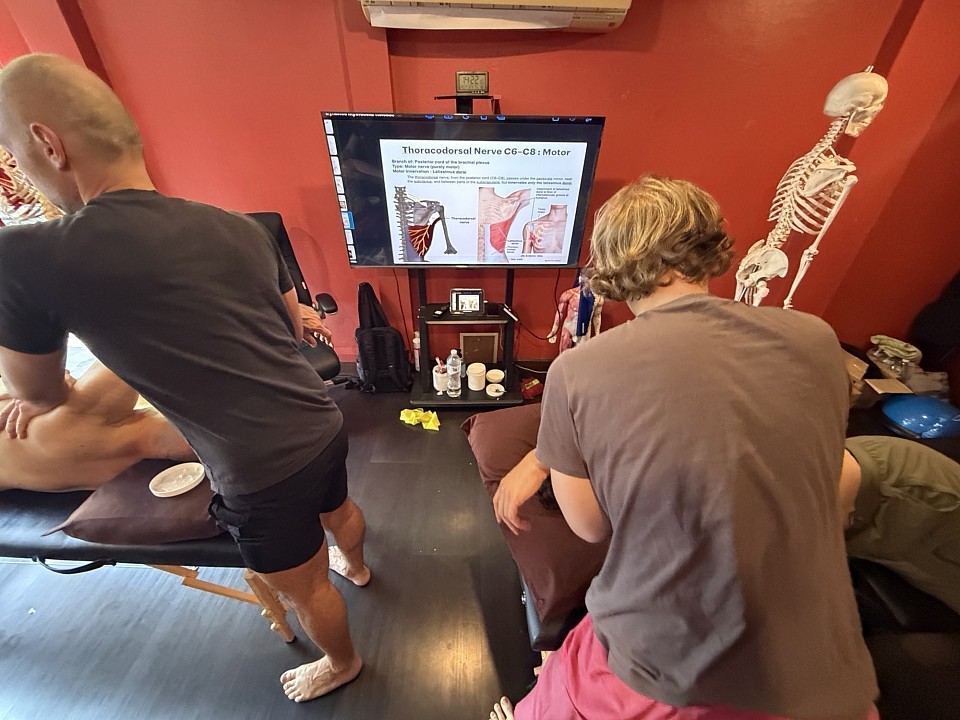
Dynamic Myofascial release course
The human body is often taught as a collection of independent levers, but in the living athlete, function is continuous. When a pitcher throws a baseball, force is not generated by a single muscle but transmitted through a vast, tension-dependent network. This network, the fascial system, has moved from the periphery of medical footnotes to the center of modern sports medicine. For the serious clinician, understanding how to manipulate this tissue is no longer optional; it is the defining skill of advanced rehabilitation.
At RSM International Academy, we view the body through this lens of continuity. As a sports medicine specialist, I have observed that pain frequently lies far from the source of dysfunction. A restriction in the plantar fascia can manifest as migraines; a scarred rotator cuff can destabilize the contralateral hip. Conventional massage often fails because it treats the symptom rather than the systemic architecture. To treat the athlete, or any patient in chronic pain, we must engage the fascia not merely as wrapping paper, but as a sensory organ in its own right.
The Science Behind Myofascial Release Training
Fascia is thixotropic; it changes viscosity under heat and shear force. However, teaching a therapist to exploit this property requires a fundamental re-education of the hands. In our training, we emphasize that fascia is densely populated with mechanoreceptors that communicate directly with the autonomic nervous system. If a therapist applies rapid, heavy pressure, the system often responds with a protective reflex, tightening the tissue further.
True myofascial release involves engaging the tissue barrier with a specific vector and waiting for a neurological response. We treat the fascial layers as a piezoelectric network where mechanical pressure converts into electrical signals that prompt cellular remodeling. Standard effleurage or petrissage techniques often slide over the skin; effective work must hook into the collagenous matrix and slowly shear it to restore elasticity.
Effective therapy relies on understanding that fascia exists in planes. We do not simply press down; we assess the glide of the superficial fascia against the deep fascia. If these layers are adhered, muscle activation becomes metabolically expensive. Our curriculum enables the clinician to visualize these three-dimensional adhesions and apply force that respects the biotensegrity of the structure.
Myofascial Release Therapy Training in Sports Medicine
In a clinical setting, an athlete’s return to play depends on the restoration of full range of motion. Consequently, myofascial release therapy training cannot be separated from functional assessment. We do not teach a "routine" because a routine implies that every body requires the same sequence. Instead, we teach an algorithm of assessment and treatment.
When I founded RSM, my intention was to bridge the gap between intuitive touch and the rigorous protocols of Western sports medicine. We analyze movement patterns to identify where the "suit" is too tight. A therapist trained in our methods will look for restrictions in the hip flexors or the iliotibial band that are altering patellar tracking, rather than simply rubbing a painful knee.
We prioritize specific learning outcomes for high-level rehabilitation:
- Differentiation: Distinguishing between neural tension, muscular hypertonicity, and fascial restriction.
- Vector Analysis: Applying force in the correct direction to unglue cross-linked collagen fibers.
- Autonomic Regulation: Using slow, sustained pressure to downregulate the sympathetic nervous system.
- Kinetic Integration: Re-integrating the released tissue into functional movement patterns immediately after treatment.
Why the Method Defines the Outcome
The efficacy of a method is determined by its reproducibility and clinical results. We frequently encounter students who have taken short seminars where they learned to "rip" the fascia. This aggressive approach is often counterproductive. The body remembers trauma. If the practitioner inflicts pain, the nervous system records this as a threat.
Our approach advocates for a "melting" sensation where the practitioner sinks into the tissue and applies tangential force. The programs we offer are designed to slow the practitioner down. We teach that the release is a collaborative event between the therapist's hands and the patient's nervous system. You cannot force a release; you can only create the conditions for it to occur. This nuance separates a technician from a true clinician. By understanding the distinct properties of the superficial versus deep fascia, our students tailor their approach to the specific pathology.
Integrating Fascial Anatomy in Our School
The environment in which one learns creates the foundation for practice. At our school, we utilize a pedagogy that combines theoretical study with immediate tactile application. When we discuss the thoracolumbar fascia, we palpate the distinct layers, identifying where the latissimus dorsi transfers load across the sacroiliac joint.
This detail is necessary because the fascial web is ubiquitous. It surrounds every muscle fiber and bundle. When these layers become glued down due to inflammation or trauma, the result is friction. Our teachers are active practitioners who bring case studies from their own clinics into the classroom.
We emphasize that learning this modality is often a process of unlearning bad habits. Many therapists prioritize biomechanics in a way that blunts sensitivity. We teach how to maintain safe body mechanics while keeping the hands soft and receptive. If the hands are rigid, they cannot detect the subtle release of the hyaluronic acid within the layers.
Advanced Release Training for the Modern Therapist
The term "trigger point" is frequently used interchangeably with fascial restriction, yet they are distinct. A trigger point is a hyperirritable spot within a muscle, whereas a fascial restriction is a hardening of the connective tissue matrix. Release training at RSM elucidates these differences.
Ischemic compression might resolve a trigger point, but adhesions require shear. They require the therapist to engage the tissue and lengthen it. We train students to hunt for the specific texture of densification. This palpation skill is the bedrock of manual therapy.
We incorporate specific modules including:
- Scar Tissue Mobilization: Addressing multidirectional restrictions from scarring.
- Structural Balancing: Aligning the skeletal structure by releasing soft tissue.
- Proprioceptive Refinement: Enhancing body awareness through targeted touch.
Practitioner Training: Developing the Palpatory Sense
The ultimate goal of practitioner training is the cultivation of "intelligent hands." MRI and ultrasound cannot show pain or the texture of a restriction. The hands remain the most sensitive tool for assessing soft tissue. At RSM, we dedicate significant hours to blind palpation drills, where students identify structures without visual cues.
Becoming certified is about demonstrating the capacity to think critically. We challenge students to ask "why." Is the pelvic tilt structural, or is it maintained by a shortened psoas? This investigative mindset transforms massage from a luxury into a medical necessity. It allows the therapist to speak the same language as the orthopedist.
The Future of Therapeutic Integration
The medical community increasingly recognizes that chronic pain often results from fascial dysfunction. The demand for highly skilled therapists who can navigate this network is rising. We are moving toward an era of systems thinking.
For those ready to deepen their understanding, the Dynamic Myofascial Release Course at RSM provides the rigorous education necessary to excel. We offer a path to mastery that respects the complexity of the human organism.
By integrating sports medicine principles with myofascial work, we empower therapists to achieve lasting results. It requires comprehensive knowledge, disciplined practice, and a willingness to learn. Our students leave Chiang Mai with a new paradigm for healing, equipped to handle complex cases. Whether you are treating elite athletes or the elderly, the principles remain the same: respect the tissue and apply force with intelligence.
If you are a specialized professional looking to elevate your practice, we invite you to join us. The skills you acquire here will serve as the foundation for the rest of your career.
Sports Massage Contraindications Overview: A Clinical Perspective
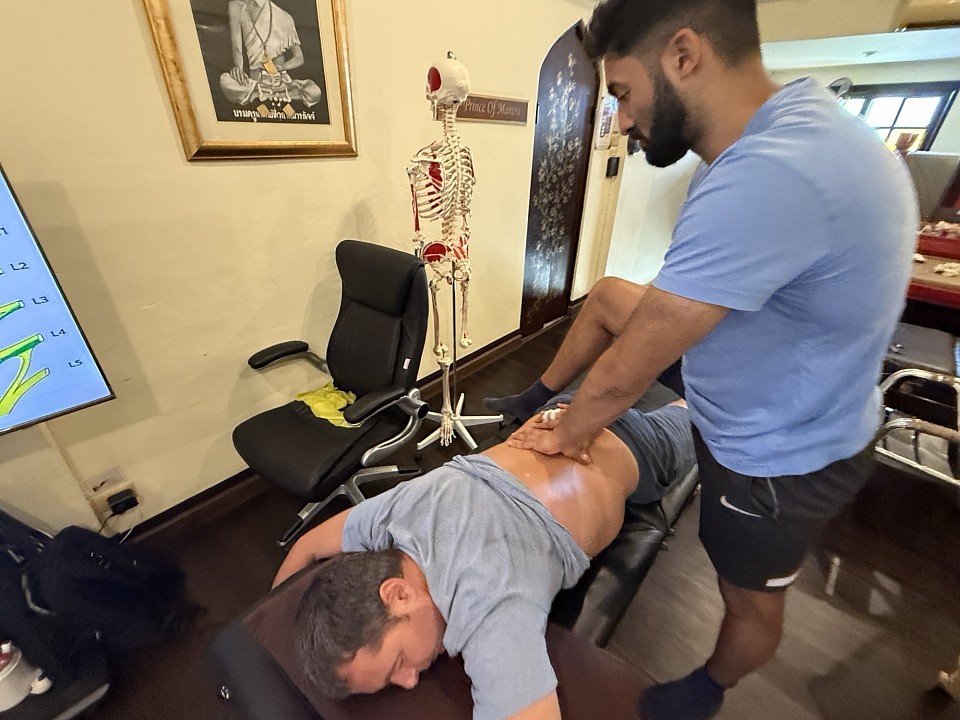
Sports massage course
The distinction between a technician and a clinician often lies in the ability to say "no." In the high-performance environment of sports medicine, where athletes are conditioned to push through barriers, the therapist serves as the final line of defense against catastrophic injury. At RSM International Academy, we teach that the most effective treatment is sometimes the decision to withhold it entirely.
Safety in a clinical setting is often reduced to a checklist mentality. We memorize lists of conditions and categorize them as red lights. This approach is insufficient for the elite practitioner, but to work at the highest level of sports massage, one must understand the physiological mechanisms that convert a therapeutic stimulus into a harmful stressor. We must view contraindications not merely as rules, but as an interplay between pathology, anatomy, and the hemodynamic changes induced by our hands.
This analysis moves beyond rudimentary instructions. We will examine the physiological effects of soft tissue manipulation on compromised systems to ensure our intervention facilitates recovery rather than precipitating a crisis.
Defining the Scope of Massage Precaution
The concept of "do no harm" is the bedrock of medical intervention, yet in manual therapy, the definition of harm is nuanced. Massage is, by definition, a mechanical stressor. We apply compressive, tensile, and shear forces to tissues to elicit a biological response. When the body’s homeostatic mechanisms are intact, this stress results in positive adaptation, such as improved fluid dynamics and reduced pain. When homeostasis is compromised, that same mechanical stress can overwhelm the system.
A sophisticated understanding of pathology allows us to accurately categorize risks. We are not simply looking for labels on a medical history form; we are assessing the current physiological stability of the client. This assessment dictates whether a condition presents an absolute barrier or merely requires a modification of technique.
In my experience treating competitive athletes, the pressure to treat is immense. A player with a low-grade fever or questionable calf pain will often downplay symptoms. Here, the authority of the therapist is tested. You must possess the confidence to explain the physiological risk: why increasing lymphatic flow during a viral infection is detrimental, or why deep tissue work near a potential thrombus could be fatal. This confidence stems only from a deep comprehension of massage precaution protocols.
Systemic Contraindications and Hemodynamics
The most dangerous scenarios in manual therapy often involve conditions not visible on the surface. Systemic contraindications affect the body as a whole, meaning local manipulation can have global consequences. The primary mechanism of concern is fluid dynamics. Massage significantly alters venous return and lymphatic flow. In a healthy individual, this is a benefit. In a client with compromised organ function, it creates a load the body cannot manage.
Consider the client presenting with a fever. The metabolic rate is elevated, and the heart is beating faster to circulate white blood cells. If we apply a full-body massage, we mechanically push blood returning to the heart, increasing preload. We force fluid into the lymphatic system, imposing an additional hemodynamic burden on a cardiovascular system already under stress.
Conditions such as kidney failure, liver dysfunction, or unmanaged congestive heart failure fall into this category. In these states, the organs responsible for filtering blood and managing fluid volume are failing. Increasing circulation through massage therapy pushes more fluid toward these failing organs than they can process. The result is not relaxation; it is a potential medical emergency involving pulmonary edema or toxic overload.
The Absolute Risk of Vascular Pathologies
Vascular pathologies represent the most critical absolute contraindication. The prevalence of Deep Vein Thrombosis (DVT) in the athletic population is higher than many realize. Athletes travel frequently and suffer from dehydration and trauma – the perfect triad for clot formation.
A clot, or thrombus, usually forms in the deep veins of the lower leg. It may present as deep, aching pain, warmth, or swelling. The danger of massage here is mechanical. Deep stroking or compressive techniques can dislodge the thrombus, turning it into an embolus which may lodge in the lungs.
If a client presents with unexplained calf pain, particularly after travel or surgery, the correct course of action is immediate referral for imaging. No form of therapy is safe in the affected limb until a vascular specialist clears the patient. The risk of dislodging blood clots outweighs any potential benefit of muscle release.
Similarly, we must consider clients on anticoagulant medication or those with hemophilia. While not always an absolute contraindication for light touch, deep sports massage creates micro-trauma. In an anticoagulated patient, this can lead to massive internal bleeding. The integrity of the vascular walls and clotting mechanism must be intact for rigorous soft tissue work to be safe.
Navigating Relative Contraindications in Elite Sport
While absolute contraindications are binary, relative contraindications require the judgment of an expert clinician. These are situations where treatment is possible but must be modified significantly.
High blood pressure (hypertension) is a prime example. Uncontrolled hypertension is a risk, but managed hypertension is common. The precaution relates to the autonomic nervous system. Certain painful techniques can trigger a sympathetic response, spiking blood pressure. The therapist must avoid prolonged deep tissue work that elicits pain and avoid abdominal massage which can mechanically increase aortic pressure.
Pregnancy requires similar adaptability. While not a disease, physiological changes in the second and third trimesters alter ligament laxity due to relaxin secretion. Aggressive stretching or deep work on the lower back requires caution because the structural integrity of the pelvic girdle is changing. We modify positioning, avoiding prone or flat supine positions to prevent compression of the vena cava, and moderate pressure to respect the changing physiology.
Local Contraindications and Site-Specific Caution
A local contraindication refers to a specific area that must be avoided while the rest of the body can be treated. Acute inflammation is the most common restriction. In the first 24 to 72 hours following a trauma such as a muscle tear, the body is in the inflammatory phase. Aggressive massage at this stage disrupts the fibrin clot and increases bleeding, potentially leading to Myositis Ossificans (bone formation within the muscle).
We must also exercise caution with injection sites. Athletes frequently receive corticosteroids for inflammation. Steroids have a catabolic effect on collagen, temporarily weakening the tendon or ligament. Deep friction over a recent injection site can rupture the weakened tissue. A general rule is to avoid the site for at least 10 to 14 days.
Anatomical awareness guides us around vulnerable structures. For instance, deep pressure in the popliteal fossa can compress the artery or tibial nerve. Similarly, when treating the arm, one must be aware of the ulnar nerve as it passes the elbow. Direct compression here causes immediate paresthesia and can damage the nerve structure.
Dermatological Risks and Medication
The skin is the interface for our treatment. Bacterial infections like Staphylococcus aureus or fungal infections like ringworm are rampant in contact sports. Massaging over an active infection spreads the pathogen (autoinoculation) and puts the therapist at risk. In these cases, the contraindication is absolute until the infection resolves.
Furthermore, therapists must be cognizant of pharmacology. Painkillers and muscle relaxants mask feedback. Pain is a protective mechanism; if a client is medicated, their sensory loop is dampened. They may not feel tissue damage until the medication wears off. When a client is medicated, we must downgrade intensity and rely on palpable tissue resistance rather than client feedback.
Clinical Reasoning: The Final Filter
The list of potential massage contraindications is extensive, but memorizing it is not enough. The superior clinician applies a filter of logic to every interaction. We ask three fundamental questions: Is tissue stability compromised? Is fluid dynamics stability compromised? Is sensation compromised?
At RSM International Academy, we emphasize that the intake interview is an investigation. A client mentioning "shortness of breath" might be in early cardiac distress. A client with "leg pain" might have a DVT. The ability to discern the difference separates a massage therapist from a movement specialist.
Ultimately, the study of contraindications is the study of physiology. There is no checklist that covers every variable. In moments of ambiguity, the default is safety. Referring a client to a doctor because you suspect a systemic issue establishes you as a serious healthcare provider.
RSM's Sports Massage Course moves beyond textbooks into the reality of high-level therapeutic practice, ensuring your hands are as safe as they are skilled. The nuances of pathology and advanced palpation are core components of our curriculum. We invite you to deepen your understanding and truly master the decision-making process behind safe and effective treatment.
Strategies for Helping Clients Manage Muscle Soreness
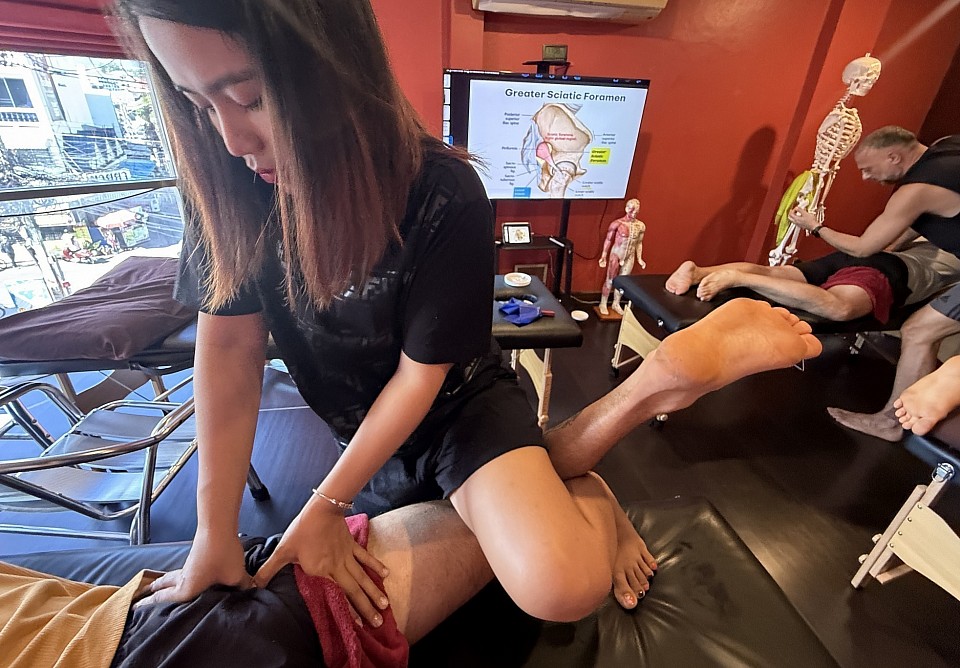
Deep Tissue Massage Course for Posture Correction
Every manual therapist recognizes the specific gait of a client dealing with the aftermath of an intense session. They move tentatively, guarding their limbs as they lower themselves onto the treatment table. While this discomfort often signals athletic progress, it can hinder performance if left unmanaged.
In RSM’s Deep Tissue Massage Course, I teach that our role extends beyond tissue manipulation. We are partners in our clients’ physical longevity. To intervene effectively, we must look past the simplified notion of “rubbing out knots” and appreciate the complex biological responses involved in muscle recovery.
The Physiology of DOMS and Exercise Stress
To treat the issue, we must understand the source. Many clients attribute post-activity pain to “lactic acid,” a myth we must gently correct. Lactic acid clears shortly after a workout. The stiffness peaking 24 to 72 hours later is Delayed-Onset Muscle Soreness, or DOMS.
This condition results from microscopic tears in the muscle fibers caused by eccentric loading. This structural damage triggers an inflammatory response, where immune cells release substances that sensitize nerve endings. When a client winces days after a heavy squat session, we are witnessing an acute inflammatory event. If this exercise-induced muscle stress is excessive, the risk of injury rises.
The Role of Massage in Recovery
Research suggests that massage influences recovery not by mechanically flushing waste, but by modulating the nervous system and local tissue environment. Specific techniques can reduce the production of cytokines, which drive inflammation. Furthermore, mechanical pressure stimulates mitochondria, aiding cellular repair.
However, timing is critical. Deep tissue work on acutely inflamed tissue can aggravate symptoms. I advise students to assess tissue quality first. In the acute phase of muscle soreness, lighter, rhythmic techniques often yield better results by stimulating the parasympathetic nervous system, shifting the body into a state where healing occurs.
Heat Therapy and Cold Exposure
Temperature manipulation is a standard component of sports medicine, yet its application requires nuance. Cold water immersion is popular among elite athletes immediately post-competition to constrict blood vessels and reduce metabolic activity. For a client needing to perform again quickly, this is effective.
Conversely, heat therapy is generally superior once the initial acute phase passes. Heat increases blood flow, bringing oxygen and nutrients required for repair while relaxing tight tissues. For general muscle pain not accompanied by acute injury, heat provides better comfort and mobility.
Implementing Active Recovery and Stretch Techniques
Rest should not imply stagnation. We encourage active recovery, which involves low-intensity movement to increase circulation without straining repairing tissues.
Effective active recovery methods include:
- Walking or light cycling to stimulate blood flow.
- Gentle yoga flows focusing on mobility.
- Swimming to utilize water compression.
Regarding the stretch component, distinction is vital. Static stretching before a heavy lift can reduce power, but gentle static stretching post-exercise helps reset resting muscle length. It is crucial that clients do not force a stretch into a painful range when DOMS is present.
Integrating Foam Rolling and Systemic Health
Foam rolling serves as a valuable adjunct to professional treatment. The pressure stimulates mechanoreceptors in the fascia, lowering muscle tone and improving the perception of pain. I recommend it as a maintenance tool, empowering the client to take ownership of their health.
However, no manual therapy compensates for poor health habits. Sleep is the most potent recovery tool available. During deep sleep, the body releases growth hormones essential for repair. Nutrition is equally pivotal; the body needs protein to rebuild fibers and hydration to clear metabolic byproducts. As a healthcare provider, checking these factors is part of holistic care.
The Responsibility of the Provider
Our responsibility extends beyond the treatment room. We must act as a filter for the information clients encounter. When a client understands that their sore muscles are a biological response to exercise and not necessarily an injury, their anxiety decreases.
Whether recommending a specific protocol or correcting workout habits, our goal is to keep them moving. By combining skilled manual therapy with education, we empower our clients to push their limits safely. Effective care blends clinical precision with the wisdom to guide the body’s natural healing process.
How Massage Reduces Muscle Inflammation
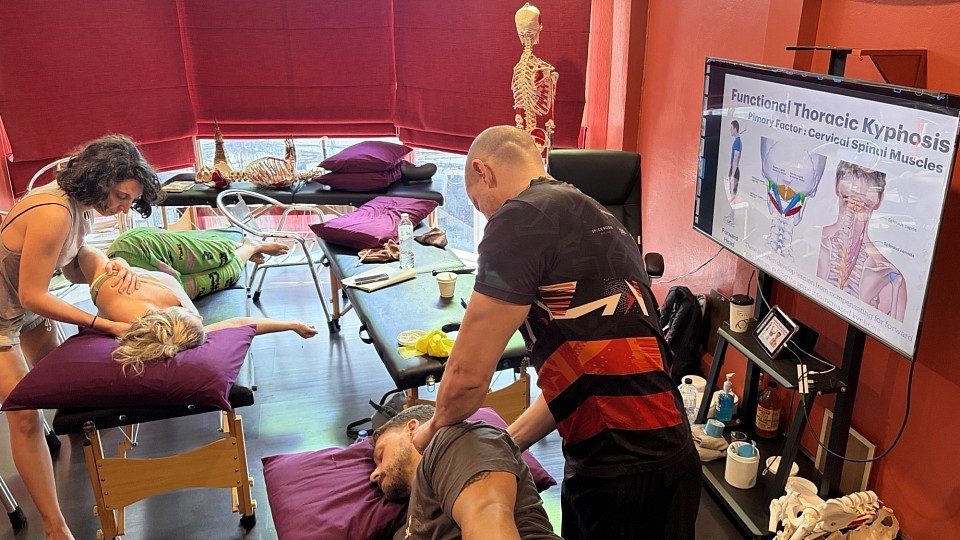
Deep Tissue massage course
The trajectory of modern sports medicine has been defined by a migration from the macroscopic to the microscopic, and from the clinical observation of a limping athlete to the molecular reality unfolding beneath the skin. For decades, manual therapy relied on effective empiricism: we knew touch could soothe, but the dialogue between a therapist’s hands and a patient’s gene expression remained theoretical. In the Deep Tissue Massage Course at RSM International Academy, students learn to view the body not as a collection of parts to be “fixed,” but as a self-regulating system where mechanical input serves as a primary biological signal.
When we apply pressure to soft tissue, we are engaging in mechanotransduction. This is the biological translation by which cells convert mechanical stimuli into chemical activity. In the crucible of an acute injury or the microtrauma of training, the body initiates a cascade of signals. Understanding the syntax of this cellular conversation is what distinguishes a technician from a master of the craft.
Mechanobiology and the Cellular Response to Massage
To grasp how manual intervention reshapes the internal environment, one must look to the extracellular matrix. When a therapist applies targeted pressure, tension is transmitted through the fascia to integrins studding the cell surface. These integrins function as structural bridges, relaying physical stretch across the membrane to the cytoskeleton and the nucleus.
Studies involving post-exercise muscle biopsies have demonstrated that manual work radically alters the signaling pathways governing the inflammatory response. We are not simply “massaging” a leg; we are effectively downregulating the pro-inflammatory cytokines that drive systemic distress. By providing the precise mechanical signal, we also encourage mitochondrial biogenesis (the creation of the cell’s energy powerhouses) providing the metabolic fuel necessary for fibers to reconstruct themselves.
Signaling Pathways that Reduce Inflammation
The alleviation of pain is specific and elegant. Manual intervention has been shown to dampen the production of cytokines such as tumor necrosis factor-alpha and interleukin-6. These molecules are the primary architects of the heat and sensitivity that characterize an injury. While inflammation is a necessary prologue to healing, a prolonged response becomes maladaptive.
Massage therapy functions with a logic similar to pharmacological anti-inflammatories but without the systemic side effects. Research indicates that mechanical stress activates the focal adhesion kinase (FAK) signaling pathway. This activation precipitates a decrease in nuclear factor kappa-beta (NF-kB) activity – the cellular “master switch” for inflammation. When we dampen this switch, we quiet the chemical storm within the tissue, allowing the body to pivot from defense to reconstruction.
Lymphatic System Dynamics and Metabolic Waste
If cellular signaling manages the chemistry of recovery, the lymphatic system represents the logistics. This network removes large molecular waste and cellular detritus that the venous system cannot handle. Unlike the circulatory system, the movement of lymph is passive, dependent on muscular contraction and external pressure.
This requires a two-pronged approach. First, we facilitate the manual clearance of the interstitial space, moving stagnant fluid toward lymph nodes. Second, we aim for the reduction of hydrostatic pressure. As excess fluid is evacuated, the pressure on nociceptors (pain receptors) abates, granting immediate relief.
In cases of lymphedema, manual lymphatic techniques are a cornerstone of treatment. I often tell my students in Chiang Mai that the lymphatic system is the “forgotten highway” of sports medicine. A congested interstitial space creates a hypoxic environment that retards healing; by prioritizing drainage, we optimize the environment for repair.
Beyond Pain Relief: Modulating the Neuroendocrine Axis
Pain is a subjective experience curated by the central nervous system. Beyond local cellular changes, therapeutic massage triggers a systemic shift in the neuroendocrine axis, marked by a decrease in cortisol and a concurrent rise in serotonin and dopamine. These shifts lower the systemic “threat level” perceived by the brain.
When the nervous system is in a state of high arousal, the brain maintains a protective guarding reflex. Techniques such as myofascial release interrupt this loop. The sustained shearing of fascia transmits inhibitory signals to the spinal cord, shifting the body from a sympathetic (fight or flight) dominance to a parasympathetic (rest and digest) state – a prerequisite for structural healing.
Clinical Applications of Manual Therapy for Muscle Pain
In clinical practice, the selection of technique must be governed by the chronology of tissue healing. Deep tissue work might be contraindicated during the acute phase, whereas the remodeling phase requires aggressive intervention to ensure collagen fibers align correctly.
- Acute Phase: Focus on manual lymphatic drainage to reduce swelling.
- Sub-acute Phase: Integrate gentle myofascial work to maintain tissue extensibility.
- Chronic Phase: Employ deeper interventions to address adhesions and optimize structural integrity.
Integrating Sports Medicine and Advanced Massage Practice
At RSM International Academy, our philosophy is anchored in the conviction that massage is a legitimate branch of sports medicine. We must move beyond the “spa” mentality to embrace an evidence-based engagement with the human body.
The ability to reduce inflammation through touch is a measurable, biological reality. We provide the mechanical input that signals safety to the organism, clearing pathways for nutrients to arrive and waste to depart. By understanding how we influence the body at a cellular level, we bridge the gap between elite sports science and the art of manual therapy. Through the precise application of pressure, we do not just alter how a person feels; we fundamentally alter how their body functions.
Exploring the Mechanisms of Sports Massage and Flexibility Improvement
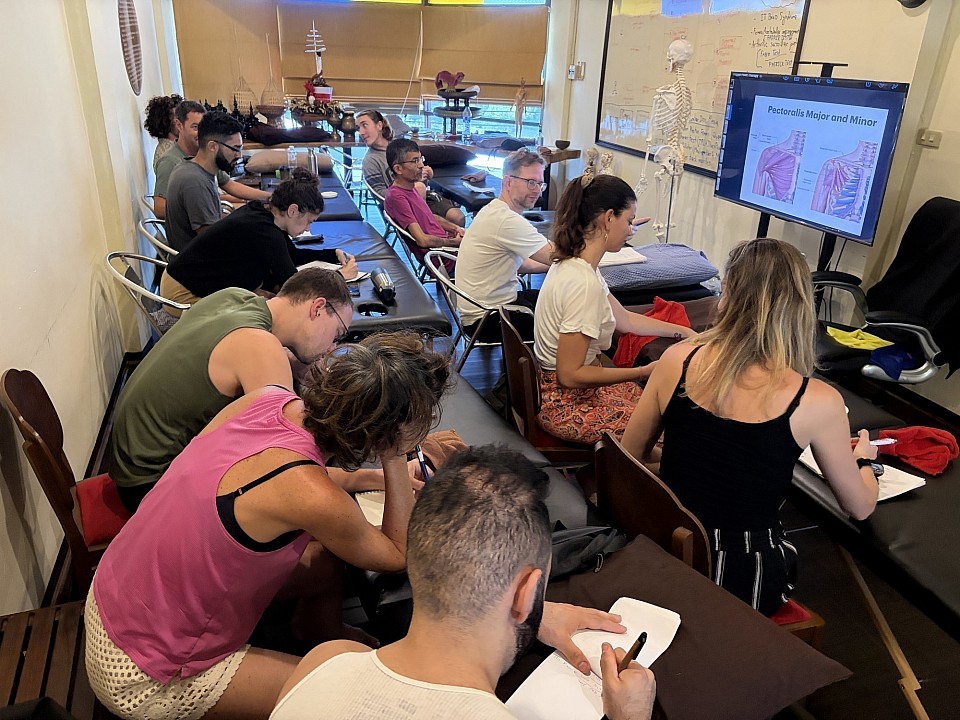
Dynamic Myofascial Release Course
A pervasive, reductionist view persists in athletics that the body is a machine of pulleys and levers. In this model, a tight muscle is a shortened rubber band requiring mechanical force to lengthen. However, those working with living tissue know this view is flawed. Flexibility is not merely a property of tissue length; it is a complex negotiation between the nervous system and the body’s architecture.
While teaching RSM’s Sports Massage Course, I remind students – many of whom are accomplished physiotherapists or experienced bodyworkers – that we are not carpenters. We communicate with a nervous system that governs tension, and the ability of massage to influence flexibility involves neural modulation as much as the physical manipulation of tissue.
The Physiological Effects of Massage on Tissue Elasticity
To impact range of motion, we must look beyond the muscle belly to the extracellular matrix and the thixotropic nature of fascia. Thixotropy is the property of gels becoming less viscous when agitated. The ground substance of our fascia, primarily hyaluronic acid, behaves this way. When sedentary or chronically contracted, fascial layers become viscous, losing their ability to slide.
This lack of sliding often manifests as “stiffness.” When we apply skilled massage, mechanical energy transforms this gel state back into a sol (liquid) state, immediately improving sliding potential between muscle fascicles. The effects are often instant; patients feel lighter and looser.
True tissue elasticity also depends on the collagen matrix’s health. Chronic inflammation leads to fascial densification. Here, sports massage differentiates itself from relaxation. We apply direction-specific shear forces to align collagen fibers and break down pathological cross-links restricting movement.
Redefining Range of Motion and Neural Tolerance
We must also address the stretch reflex. Muscle spindles, the guardians of muscle length, are set to a specific sensitivity by the central nervous system (CNS). When a muscle stretches rapidly, the spindle fires, causing reflexive contraction to prevent tearing.
Often, limited flexibility is a neurological setting, not a structural limitation. The brain deems a specific range unsafe. By applying deep, rhythmic pressure through therapeutic massage, we lower the firing rate of gamma motor neurons, essentially convincing the CNS it is safe to let go.
I teach that increasing this stretch tolerance is often more valuable than mechanically lengthening tissue. When we perform muscle stretching on anesthetized patients, they often exhibit normal range, proving the restriction is active tone, not passive length. Thus, massage therapy acts as a neurological reset, dampening overactive signals keeping muscles tight.
Sports Massage as a Catalyst for Mobility
Distinguishing between general mobility and functional flexibility is vital. Mobility implies controlling a limb through its full range, whereas flexibility often refers only to passive range. A hyper-flexible athlete lacking control risks injury, while a rigid athlete absorbs excessive impact.
Sports massage occupies a vital middle ground. Through targeted massage techniques like soft tissue release (STR), we isolate restrictions compromising the kinetic chain. Consider a runner with back pain. A general approach might suggest stretching the hamstrings. However, detailed assessment often reveals hamstrings are only tight because the pelvis is anteriorly rotated due to tight hip flexors.
Aggressively stretching the hamstrings here is counterproductive; they are “locked long” stabilizing the pelvis. The remedial massage therapist treats the true culprit; perhaps a glued-down rectus femoris. Once the antagonist releases, the pelvis neutralizes, and hamstring tightness vanishes. This precision defines high-level therapy.
Integration with Rehabilitation and Injury Prevention
In rehabilitation, restoring flexibility requires perfect timing. Following acute injury, the body lays down scar tissue, a necessary but disorganized patch. If untreated, it forms a rigid barrier within elastic muscle.
This creates a mechanical weak point where re-injury occurs. We use friction techniques to encourage new collagen to align with stress lines, ensuring the repair possesses the same tissue extensibility as surrounding muscle.
Furthermore, we must consider the psychological aspect of rehabilitation. Pain causes guarding, which alters movement patterns and leads to compensatory injuries. By breaking this pain-tension cycle through massage, we allow the patient to return to normal movement, the most effective prevention strategy.
The Role of Massage Therapy in Training Cycles
For athletes, training volume often outpaces recovery. “Maintenance” is critical here, not for fixing problems, but for preventing micro-trauma accumulation.
Massage therapy periodization should mirror training cycles. During hypertrophy phases, muscles break down and shorten. Regular soft tissue work maintains suppleness, preserving full range of motion.
Conversely, pre-event massage has a different purpose. We avoid inducing excessive laxity before performances requiring explosive power, as muscle tension stores elastic energy. Pre-event work is stimulatory, increasing blood flow without dramatically increasing flexibility.
Bridging Physiotherapy and Soft Tissue Work
Physiotherapy often leans toward exercise prescription, sometimes leaving manual therapy behind. At RSM, we view these as complementary. A patient cannot perform corrective exercises if joint flexibility is restricted by adhesions.
Physiotherapy provides strengthening strategies; massage provides the permissive environment. If a joint capsule is restricted, voluntary effort cannot force correct movement. Mobilizing soft tissues surrounding the joint creates the window for effective rehabilitation.
We must also address the “deep tissue” fallacy: that pain equals progress. Excessive pain causes tensing; the opposite of our goal. The art lies in sinking into tissue to the resistance barrier and waiting for the body to invite you in, rather than forcing the door open.
Practical Applications for Increasing Flexibility
Increasing flexibility is a multi-faceted process involving:
- Thermal preparation: Warming tissue to change viscoelastic properties.
- Mechanical disruption: Breaking adhesions through friction or stripping.
- Neuromodulation: Utilizing Golgi tendon organ responses (PNF techniques).
- Movement integration: Actively moving the limb through the new range to map it in the motor cortex.
Passive flexibility without active integration is useless. Releasing a tight pectoral requires immediate retraction movement to teach the brain the new range is safe.
The Misunderstanding of Muscle Tightness
“Tightness” is a sensation, not always a mechanical reality. It can stem from neural tension, ischemia, or guarding. Treating neural tension with aggressive stretching massage can worsen conditions; stretching a hamstring with an irritated sciatic nerve causes flare-ups.
This highlights the importance of assessment before attempts at improving flexibility. Is the restriction articular, muscular, fascial, or neural? Sports massage effectively treats muscular and fascial restrictions but is contraindicated for acute neural inflammation.
Therapists must palpate with intention, feeling for texture and hydration. Dehydrated muscles feel like jerky; healthy ones like raw steak. Hydration is key to flexibility, and tissue manipulation encourages fluid exchange vital for restoring “slide and glide” capacity.
Dynamic Stretching and Active Release
Sports medicine has shifted from static to dynamic stretching, aligning with sports massage principles. We are moving toward active engagement. Techniques involving movement during compression are often superior to static pressure.
Pinning a muscle in a shortened position while the client actively lengthens it creates powerful shearing forces. This “pin and stretch” method separates adhered fascial layers more effectively than passive stretching and engages the nervous system.
These techniques result in increased functional range. Patients leave not just looser, but more body-aware, understanding the link between their muscles and mobility.
The Long-Term Effects of Consistent Therapy
While one session offers temporary relief, lasting structural change requires consistency. Connective tissue remodels slowly; changing collagen architecture takes weeks of input.
Regular massage therapy signals the body that full range is required. Over time, this reduces cumulative stiffness often accepted as aging. We see older athletes moving fluidly because they prioritize soft tissue health.
Additionally, reducing sympathetic drive is crucial. High stress equals high tone. Shifting the autonomic nervous system toward a parasympathetic state lowers global resting tone. You cannot force a relaxed muscle on a stressed body; systemic relaxation is a prerequisite for local flexibility gains.
A Holistic Approach to Performance
Ultimately, integrating sports massage into flexibility programs optimizes performance. Whether running marathons or moving pain-free, we are optimizing the human machine’s mechanical and neurological function.
We must move beyond “tight equals stretch.” By understanding the interplay of fascia, neural tone, and joint mechanics, we provide treatments yielding profound results. The path to improved flexibility is not forced; it is a process of removing barriers so the body can return to its natural, unrestricted state.
Unlocking Massage Therapy Benefits for Elderly Clients Through Clinical Precision
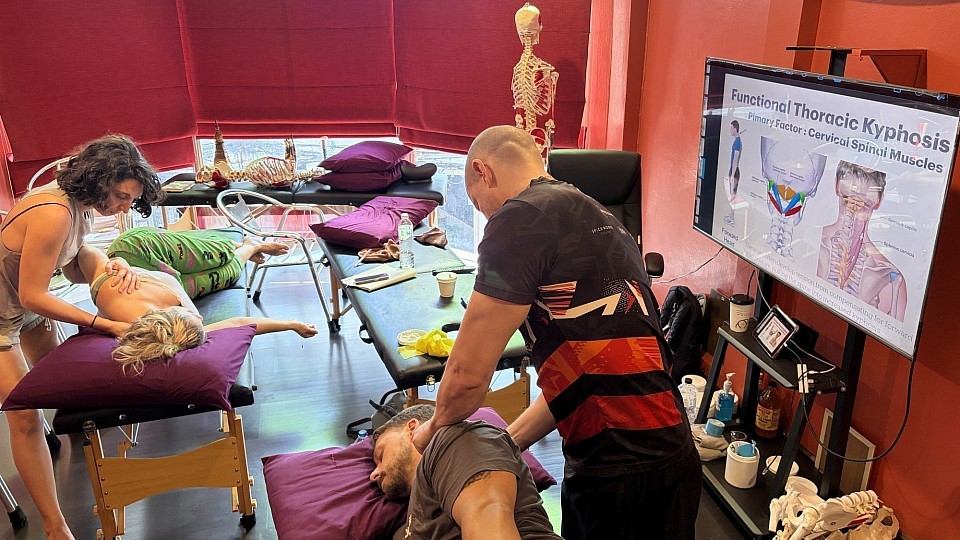
Remedial Massage Course
When we discuss the aging body in the context of sports medicine and rehabilitation, we are not merely discussing a body that has existed for a longer duration. We are discussing a distinct physiological landscape. In the Remedial Massage Course at RSM International Academy, we teach that the geriatric client presents a specific phenotype; a shift in fluid dynamics, proprioception, and tissue compliance that require a sophisticated adaptation of technique.
To the uninitiated, treating older populations often implies a simple reduction in force. This is a misunderstanding of the clinical reality. While safety is paramount, the goal is not just to “be gentle,” but to be precise. The benefits of manual intervention for this demographic are profound, yet they are often obscured by a lack of understanding regarding the underlying mechanisms.
We must look beyond the relaxation response and examine the anatomical and neurological cascades that occur when skilled touch meets the aging physiology.
The Physiology of Aging and the Need for Massage Therapy
Aging is, in many respects, a process of gradual dehydration and densification. Sarcopenia – the involuntary loss of skeletal muscle mass and strength – is not simply a reduction in bulk; it is a loss of motor units and a decrease in the quality of the remaining muscle tissue. Concurrently, fascia and connective tissue lose their elasticity, becoming more fibrotic.
For the massage therapist working with geriatric populations, the primary objective shifts from deep structural realignment to fluid mobilization and mechanotransduction. Massage acts as a form of “mechanotherapy.” When we apply compressive force and shearing loads to the tissue, we are not just squishing muscle; we are stimulating the extracellular matrix.
Research indicates that this mechanical signaling can influence mitochondrial activity within muscle cells. For older adults fighting the tide of atrophy, massage therapy serves as a critical adjunct to movement. It signals the tissue to maintain hydration and elasticity, preventing the “stiffening” that so often precipitates falls and immobility. By maintaining the compliance of the soft tissue, we preserve the functional range of motion necessary for independent living.
Mitigating Chronic Pain and Mobility Restrictions in Seniors
Pain is the great inhibitor. In seniors, chronic pain, often stemming from osteoarthritis (OA), creates a vicious cycle. Pain leads to inactivity, inactivity leads to further stiffness and muscle weakness, which in turn destabilizes the joints and causes more pain.
We often observe clients who have resigned themselves to a life of limited movement, believing it to be an inevitable consequence of age. However, the application of targeted therapy can interrupt this cycle. The mechanism here is twofold:
- Fluid Dynamics and Joint Environment: OA joints are often congested. Manual techniques that encourage venous return and lymphatic drainage reduce the intra-articular pressure that contributes to pain. By flushing the metabolic waste products from the tissue surrounding the joint, we create a more favorable chemical environment for the nociceptors (pain receptors).
- Neuromodulation: The “Gate Control Theory” of pain is well known, but in the elderly context, it is vital. The sensory input from massage – pressure, warmth, and proprioceptive data – travels faster to the spinal cord than pain signals. By flooding the nervous system with non-noxious input, we effectively “close the gate” to the dull, aching pain of arthritis.
This is not a cure for degeneration, but it is a powerful tool for management. It allows the body a window of relief, during which movement becomes possible again.
Beyond the Musculoskeletal: Immune System and Nervous System Response
One of the most compelling areas of modern research concerns the interaction between manual treatment and the immune system. As we age, our immune resilience declines. The elderly are more susceptible to infection and slower to recover from inflammatory events.
The link between high cortisol (stress hormone) levels and suppressed immune function is well-established. Massage has been shown to consistently lower salivary cortisol levels. By shifting the autonomic nervous system from a sympathetic (fight or flight) state to a parasympathetic (rest and digest) state, we remove the “brakes” from the immune system.
Furthermore, recent clinical perspectives suggest that the mechanical assist to the lymphatic system is crucial. In younger bodies, muscle contraction drives lymph flow. In elderly individuals who are sedentary, this pump mechanism is compromised. The massage therapist acts as an external pump, manually assisting the transport of lymphocytes and the clearance of toxins. This support for the immune system is a subtle but vital layer of care that extends the benefit of the session far beyond the treatment room.
Touch as a Vital Component of Emotional Health
There is a neurobiological starvation occurring in the geriatric population known as “skin hunger.” We must understand the specific neural pathways involved here. Human skin, particularly hairy skin (like that on the arms and back), contains specific nerve fibers called C-tactile afferents.
Unlike nerves that tell you “where” you are being touched, C-tactile afferents transmit the emotional quality of the touch directly to the insular cortex – the part of the brain involved in emotion and homeostasis. These fibers are tuned to respond specifically to slow, gentle massage.
For clients who may live alone or in facilities where touch is purely instrumental (e.g., being helped out of bed, being washed), the lack of affective touch can lead to depressive states and anxiety. The benefits of stimulating these pathways are chemical: it triggers the release of oxytocin, which counteracts cortisol and promotes a sense of safety and belonging. At RSM, we teach that this is not “fluff”; it is neurobiology. Addressing the emotional wellbeing of the client is inseparable from treating their physical health.
Adapting Massage Techniques for Fragility and Benefit
The practical application of geriatric massage requires a recalibration of the therapist’s “toolset.” The skin of an older client is thinner (dermatoporosis), and the vasculature is more fragile. Deep tissue work that might benefit a 30-year-old athlete could cause bruising or injury in a 75-year-old.
However, “gentle” does not mean “ineffective.” We advocate for broad, compressive strokes that engage the tissue without pinching or dragging. We focus on:
- Pacing: Slower strokes tend to be less alarming to a sensitized nervous system.
Positioning: Many seniors cannot lie flat on a table for an hour. Sidelying positions or seated variations are often necessary to accommodate kyphosis or respiratory issues. - Joint Replacement Awareness: Understanding the range-of-motion limitations after hip or knee replacements is non-negotiable.
The Role of the Massage Therapist in Geriatric Care
The massage therapist occupying a role in geriatric care is often the most consistent point of contact in a client’s wellness routine. While doctors see patients for fifteen minutes every few months, a therapist may spend an hour with them every week.
This places us in a unique position of responsibility. We are often the first to notice changes in tissue quality, the appearance of new edemas, or alterations in gait and movement. We become sentinels of health.
It is time we view massage for the elderly not as a luxury or a mere kindness, but as a clinical intervention that addresses the specific physiological deficits of aging. It preserves mobility, supports immunity, modulates pain, and feeds the nervous system the connection it desperately craves.
At RSM International Academy, we believe that providing treatment to this demographic is among the most technically demanding and rewarding work a therapist can do. It requires an expert understanding of anatomy, a gentle hand, and a profound respect for the resilience of the human body.
Continuing Education for Myofascial Release: What Skilled Therapists Actually Need
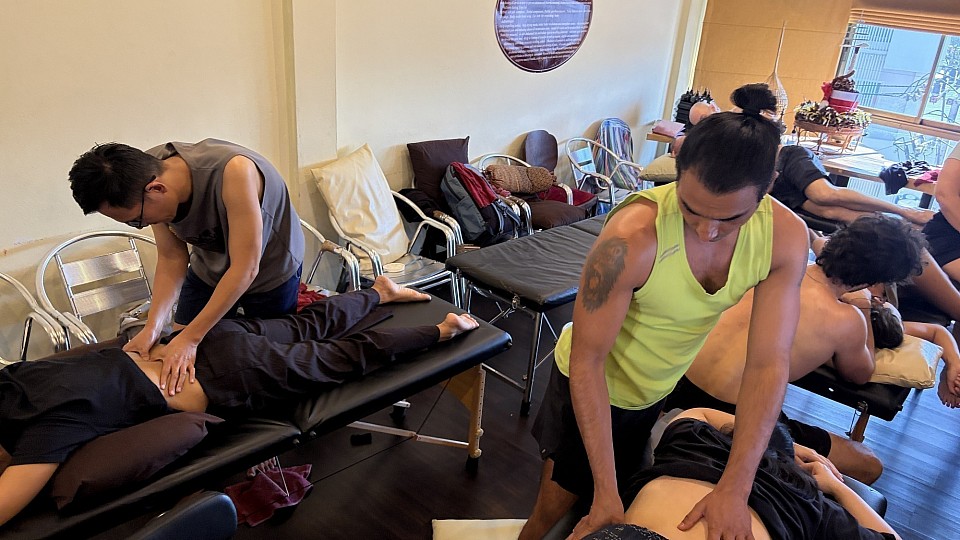
Functional Anatomy and Manual Therapy Training
Most therapists remember the first time myofascial release actually worked under their hands. Not the textbook version, where you apply sustained pressure and wait. The version where you felt the tissue respond, where the patient’s breathing changed, and something shifted in a way that validated years of training. That moment tends to raise a difficult question: what am I still missing?
Connective tissue science has accelerated in the last decade, and much of what was taught in entry-level programs even five years ago has been revised or outright replaced. For practitioners working in massage therapy, physiotherapy, sports medicine, or any of the manual disciplines, staying current is no longer optional. It is the difference between competent practice and truly effective treatment.
Beyond Anatomy Trains: Why the Science Keeps Evolving
For much of the twentieth century, the connective tissue system was treated as passive packing material. That paradigm has shifted dramatically. Research from investigators such as Robert Schleip and Carla Stecco has demonstrated that this tissue is a sensory organ in its own right, densely innervated and capable of independent contraction. The concept of myofascial meridians, developed by Thomas Myers, reveals how restrictions in one region can produce symptoms in areas that seem entirely unrelated, and that treatment following these lines of pull produces different, often superior, outcomes.
Recent work on mechanotransduction has pushed the science further still. Manual input appears to modulate fibroblast behavior, influence local inflammatory processes, and activate mechanoreceptors that alter motor tone through central nervous system pathways. These findings reframe myofascial release not as a mechanical intervention but as a neurophysiological one. A weekend seminar on release techniques rarely addresses these mechanisms, which is precisely why deeper continuing education matters.
What Effective Continuing Education Should Include
Not all professional development is created equal. At RSM International Academy, we built our Myofascial Release Course on a sports medicine foundation that connects technique to physiology. Effective advanced training should include:
- Assessment protocols that distinguish fascial restriction from muscular guarding, joint dysfunction, and neural tension
- Techniques grounded in current research, not inherited tradition
- Hands-on practice with skilled supervision and immediate feedback
- Integration across multiple systems (connective tissue, muscular, neural, articular)
- Training in pelvic and trunk stabilization patterns that influence whole-body tension distribution
The best programs treat technique as a vehicle for clinical reasoning, not as an end in itself. A practitioner who has memorized twelve release methods but cannot identify when to use each one has not received adequate education.
The Limits of Self-Paced Online Learning
The rise of online professional development has made it easier than ever to accumulate CEU credits. An online CEU course on connective tissue science can efficiently update a practitioner’s understanding of current research, and platforms exist to satisfy requirements for organizations like AMTA and similar credentialing bodies.
The limitation is obvious to anyone who has tried to learn manual therapy through a screen. Myofascial release is a skill that lives in the hands. The quality of touch, the ability to sense tissue resistance, the subtle adjustments in pressure and angle that distinguish effective treatment from mechanical repetition: these cannot be transmitted through video. They require a teacher’s hands on your hands, correcting in real time. Any serious program should acknowledge this honestly.
How Sports Medicine Principles Elevate Manual Therapy
Many massage practitioners and bodyworkers learn techniques in isolation, divorced from the broader clinical context that determines whether those methods will actually help a given patient. Sports medicine provides that context: functional movement, load management, tissue healing timelines, and return-to-activity criteria.
Consider a runner with lateral knee pain. A practitioner trained only in release methods might work the iliotibial band directly. A practitioner with sports medicine training recognizes that the ITB has minimal capacity for elongation, that the relevant dysfunction is more likely in the gluteal muscles and lateral hip stabilizers, and that the treatment plan must account for training load and gait mechanics. The therapy becomes precise rather than general. At RSM, we structure our certificate series around this kind of integrated thinking, connecting hands-on work to functional outcomes rather than adding isolated methods to a practitioner’s repertoire.
Choosing the Right Program
The market for training seminars in manual practice is crowded. When evaluating options, examine the instructor’s active clinical background, assess the program’s relationship to current research (a program still teaching the outdated “thixotropy” model may not be worth the investment), and consider the learning environment. Small group sizes, individualized feedback, and structured progression from assessment through treatment are markers of quality. The strongest programs teach myofascial release within a broader clinical framework that includes differential diagnosis, treatment planning, and outcome measurement, rather than as a standalone modality.
Building a Career on a Solid Foundation
The practitioners who thrive long-term share a common trait: they never stop refining their understanding. This is especially true for myofascial release, which sits at the intersection of manual skill, anatomical knowledge, and clinical reasoning. The tissue responds differently in every patient, influenced by hydration, stress, previous injury, and habitual movement patterns. That complexity is refined through guided practice, repeated clinical exposure, and honest self-assessment.
For those considering their next step, I would encourage looking beyond convenience. Travel to train with instructors who challenge you. Seek out environments where you are surrounded by other serious practitioners, because peer learning in a skilled cohort accelerates development in ways that solo study cannot match. We built RSM International Academy in Chiang Mai with this philosophy at its core: sports medicine science, intensive hands-on training, and a standard designed for practitioners ready to work at a higher level.
How Deep Tissue Massage Relieves Pain: Mechanisms & Therapeutics
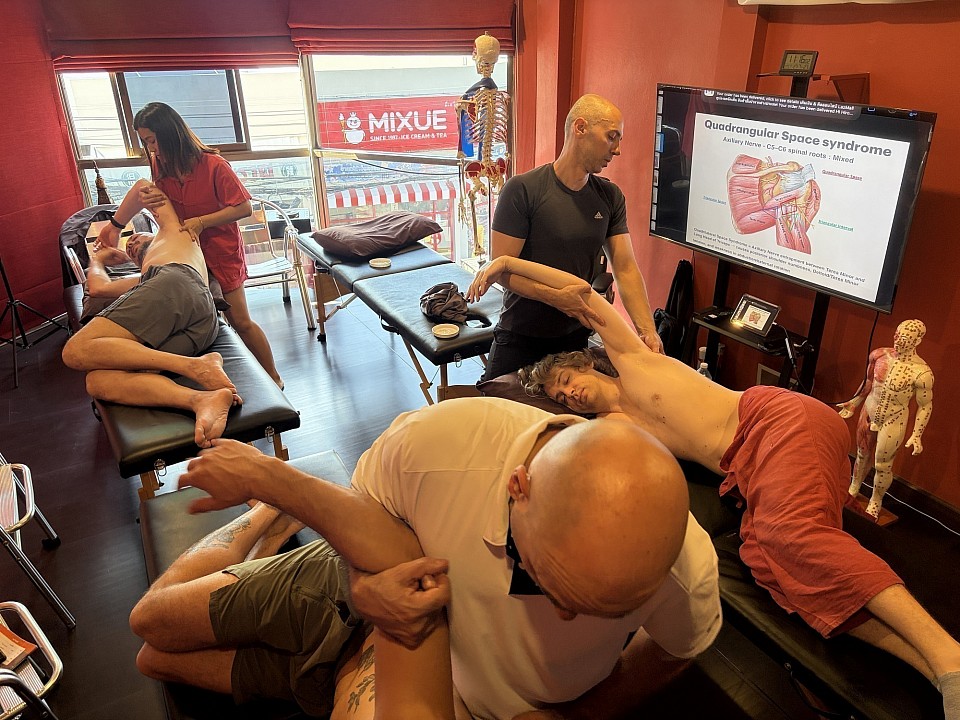
Deep Tissue Massage Course for Posture Improvement
At RSM International Academy, students often arrive with a focus on learning the "moves." They want to know which thumb pressure releases a hamstring or which angle works best for the glutes. But technique without understanding is merely mechanics, and so in RSM’s Deep Tissue Massage Course, students learn that to truly heal they must understand the why.
When we treat a patient suffering from chronic discomfort, we are engaging with a complex biological system. The relief they feel is the result of specific physiological mechanisms – mechanical, neurological, and metabolic. To operate at the level of elite sports medicine, we must deconstruct these mechanisms.
The Neurology of Pain Relief
To understand the efficacy of our work, we must first look at the nervous system. The sensation of hurt is a complex output generated by the brain based on incoming data.
One of the primary mechanisms through which deep tissue work operates is the Gate Control Theory. The spinal cord contains a neurological “gate” that either blocks signals or allows them to continue to the brain. When we apply skilled, deep tissue pressure, we stimulate large mechanoreceptors (A-beta fibers). This sensory influx effectively “closes the gate,” inhibiting the transmission of nociceptive signals. Deep tissue massage helps modulate this input, essentially hacking the nervous system to down-regulate the alarm bells ringing in the brain.
Furthermore, relief is often mediated by the release of endogenous opioids. Sustained, therapeutic massage pressure can stimulate the body to release serotonin and endorphins. This chemical shift acts as a descending inhibitor, dampening the “volume” of the signals before they even register in the patient’s conscious awareness.
Deep Tissue and the Metabolic Environment
In clinical practice, the most common complaint involves “knots.” While clients use this term colloquially, they are usually describing myofascial trigger points – hyper-irritable spots within a taut band of skeletal muscle.
Physiologically, these are areas where specific muscle fibers have become locked in a contracted state. This constant contraction creates a local energy crisis. The sustained muscle tension compresses local capillaries, restricting blood flow (ischemia) and preventing oxygen from reaching the tissue. Without oxygen, the muscle cannot produce the ATP required to release the contraction.
Deep tissue techniques are uniquely suited to break this cycle. By applying ischemic compression, we initially restrict blood flow further. When we release that pressure, a fresh surge of oxygenated blood floods the area. This process is vital for increasing circulation locally, flushing out metabolic waste products like lactic acid. This supplies the ATP needed for the muscle fibers to disconnect and relax, effectively helping to reduce knots.
Remodeling Scar Tissue and Adhesions
When connective tissue is damaged, whether through acute injury or repetitive strain, the body repairs it by laying down collagen. However, this new collagen is often laid down haphazardly, creating cross-links that bind deep muscle layers together. We refer to this as adhesion or scar tissue, which can limit range of motion and entrap nerves.
There is a misconception that massage “breaks” this tissue. In reality, deep tissue works via mechanotransduction. The mechanical force we apply – specifically slow, deep friction – creates a shear force against the collagen fibers. This stimulation triggers biological responses in the fibroblasts, encouraging the body to reabsorb disorganized collagen and lay down new fibers in better alignment. This restores the elastic potential of the tendons, fascia, and muscle bellies.
Massage as a Catalyst for Physical Recovery
Beyond localized mechanics, we must consider the autonomic nervous system. Chronic pain keeps the body in a state of sympathetic dominance; the “fight or flight” mode. In this state, cortisol spikes, and the body maintains tight muscles as a protective mechanism.
Deep tissue massage offers a powerful switch. Research suggests that rhythmic, confident pressure shifts the organism into a parasympathetic state; the “rest and digest” mode. In this state, systemic inflammation is down-regulated and stress hormones decrease. This shift is vital for physical recovery. No amount of focal work will last if the patient remains in a high-stress, inflammatory state. By addressing the nervous system, massage therapy creates the internal environment necessary for healing.
Sports Performance and Strength
In the context of sports, tissue massage is about maximizing potential. Deep tissue massage aims to normalize muscle tone. A muscle that is chronically short cannot generate peak force; it is mechanically disadvantaged. By releasing tension and restoring resting muscle length, we improve the length-tension relationship, allowing for greater force production and strength.
Furthermore, recovery is the bottleneck of high performance. Deep tissue accelerates the recovery process by acting as an external pump, moving lymph fluid and clearing chemical byproducts of exertion. We observe that athletes who integrate regular deep tissue work experience fewer injuries, likely due to the maintenance of tissue elasticity.
Specificity in Massage Technique
It is important to note that “deep” does not simply mean “hard.” This is the most common error we correct at RSM. Effective deep tissue is about engaging the deep muscle layers, not forcing them. If a therapist applies too much force too quickly, the patient’s body will instinctively guard against the intrusion.
Effective massage technique requires a slow, listening touch. We must sink through the superficial fascia and engage the deeper structures that stabilize the joints and maintain posture. This requires a sophisticated understanding of anatomy and patience.
We also distinguish between “good pain” (a feeling of sweet release) and “bad pain” (sharp, shooting sensations). Deep tissue massage offers the most benefit when it stays in the realm of “good pain,” allowing the patient to relax into the table.
The RSM Philosophy
At RSM, we view massage as a pillar of a broader medical plan. Our approach to therapeutic massage is grounded in evidence but delivered with art.
The aims of our curriculum are precise:
- Reduce knots through metabolic balance.
- Restore length to shortened fibers.
- Remodel restrictive scar tissue.
- Facilitate a systemic shift toward recovery.
Whether working with elite professionals seeking performance gains or a client with chronic pain, the physiology remains the same. The relief they experience is not magic; it is the predictable result of applying anatomy and physiology principles with skilled hands.
When we understand the mechanism – when we know why – our intent changes. That is the essence of true sports medicine, and it is the standard we strive for at RSM. By combining physical skill with intellectual rigor, we see distinct improvement in health outcomes that lasts far beyond the session itself.
The Synergy of Sports Massage and Athletic Training in Elite Performance
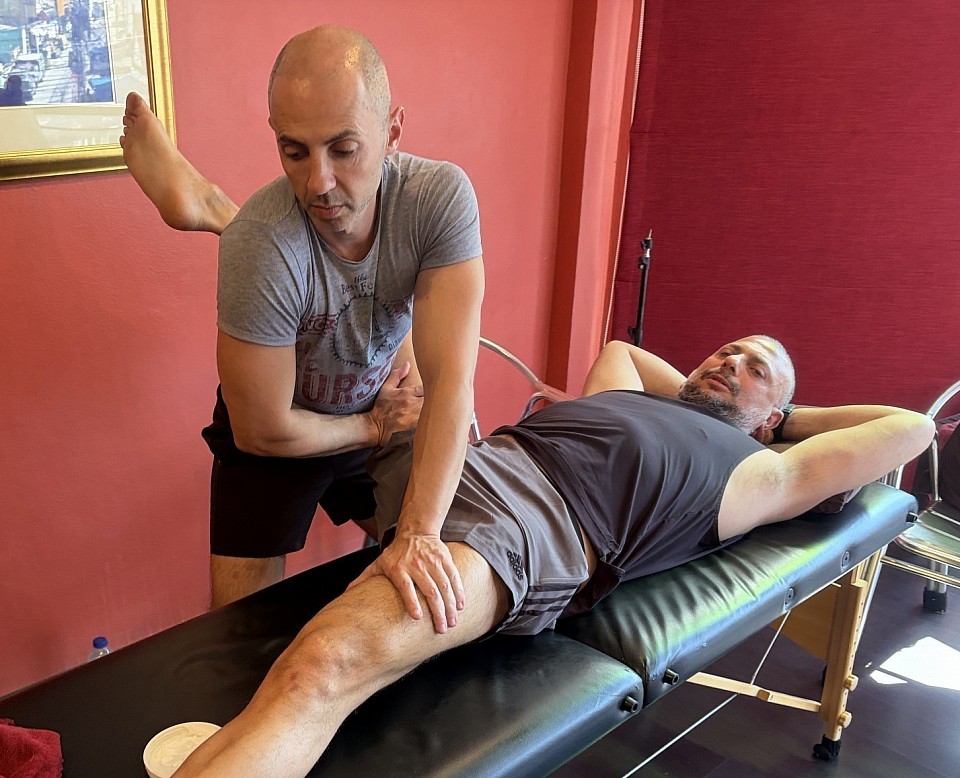
Sports Massage Course
The modern approach to high-performance sports medicine recognizes that mechanical conditioning alone is insufficient for reaching the upper limits of human potential. In RSM’s Sports Massage Course, students learn that the care of an athlete requires a multidisciplinary integration of skills. We teach that the boundary between conditioning the body and treating the body is porous; effective protocols must address both. This is where the intersection of manual therapy and physical conditioning becomes critical.
In my experience working with professional teams, I have observed that the most successful outcomes occur when recovery strategies are treated with the same rigor as active workout sessions. The physiological demands placed on the body during high-intensity exertion create a debt that must be repaid. Here, the specific application of clinical techniques becomes a primary driver of sustained success.
The Intersection of Clinical Massage Therapy and Conditioning
The relationship between the person on the treatment table and the regimen they follow on the field is inextricable. While athletic training focuses on building capacity—strength, endurance, and speed—it simultaneously generates micro-trauma within the soft tissue. This is a necessary biological trigger for growth. However, without intervention, this trauma can accumulate, leading to adhesion formation and eventual pathology.
This is where massage therapy functions as more than a palliative measure; it becomes a critical component of the training cycle. We instruct our students to view the body not merely as a collection of muscles to be relaxed, but as a kinetic chain. A massage therapist with a deep understanding of sports medicine can identify biomechanical irregularities before they manifest as injuries.
Professionals in physiotherapy understand that physical limitations often stem from soft tissue restrictions rather than a lack of strength. When a muscle is hypertonic, it cannot generate maximum force. By integrating manual manipulation directly into the regimen, we ensure that the structural foundation of the body remains capable of handling increasing loads.
Physiological Impacts on Muscle Function and Physical Recovery
Intense exertion produces metabolic byproducts, including lactate and hydrogen ions, which contribute to fatigue. Sports massage accelerates recovery by mechanically assisting venous return and lymphatic drainage. When we apply compressive strokes, we effectively act as an external pump for the vascular system. This increases blood flow, delivering oxygen essential for repair while flushing out metabolic waste. This is vital for the athlete who must perform multiple times within a short window.
Beyond the circulatory benefits, massage stimulates mechanoreceptors to lower sympathetic tone and increase parasympathetic activity. This shift is crucial because repair processes occur predominantly in the parasympathetic state. If a competitor remains in a state of high neural arousal due to pain or stress, their ability to recover is physiologically blunted.
Optimizing Athletic Training Cycles
At RSM, we emphasize periodization. Just as a strength coach periodizes lifting volumes, a therapist must periodize their treatments.
- Macrocycle Maintenance: During the preparatory phase, deep tissue work breaks down scar tissue and realigns collagen fibers. This prepares the muscle architecture for heavy loading.
- Mesocycle Recovery: As volume increases, sports massages aim to maintain range of motion without inducing soreness that might interfere with practice.
- Microcycle Acute Care: Before an event, techniques become lighter to upregulate the nervous system rather than sedate it.
By aligning treatment with the training schedule, sports massage therapists enhance athletic performance by enabling athletes to train harder and more frequently with lower risk.
Advanced Massage Techniques for Sport Performance
The application of technique at an elite level requires precision. At RSM, we teach specialized modalities tailored to the unique demands of different sports. Targeted massage involves isolating specific muscle groups that are prone to overuse. For a pitcher, this might involve the rotator cuff; for a cyclist, the hip flexors.
We utilize myofascial release to address the connective tissue surrounding the muscle. Fascia can become rigid, acting like a straitjacket that restricts movement. By applying sustained pressure, we restore the glide potential between tissue layers. Trigger point therapy is another essential tool. Hyperirritable spots within skeletal muscle can cause referred pain and motor dysfunction. Releasing these points restores normal muscle function and alleviates the inhibition that often accompanies chronic tightness.
Addressing Sports Injuries and Pain Management
Despite preventative measures, sports injuries are a reality. When pathology is present, the role of the therapist shifts to rehabilitation. In the acute stage, lymphatic drainage techniques are effective for reducing edema. As the tissue heals, scar tissue forms. We use cross-fiber friction to align these fibers along the line of stress, ensuring the healed tissue can withstand tensile loads. This is clinical massage guided by the stages of tissue healing.
Chronic pain often involves central sensitization. By providing non-noxious sensory input through massage therapy, we modulate the pain signals reaching the brain. This “gate control” allows the patient to move with less apprehension, breaking the pain-tension cycle.
Preparation for High-Level Competition
The psychological state of a competitor is as important as their physical readiness. Pre-event massage techniques serve a dual purpose: priming the muscles and focusing the mind. Unlike the slow strokes used for recovery, pre-event work is brisk and rhythmic. The goal is to increase local circulation and tissue temperature without relaxing muscle tone to the point of lethargy.
We advise students to keep these sessions short to wake up proprioceptors. Enhanced proprioception reduces the risk of missteps. For the athlete preparing for competition, this ritual provides grounding. Post-event treatment operates oppositely. The objective here is to speed recovery by calming the nervous system. We caution against deep work immediately following extreme exertion, as micro-tears can be aggravated. Instead, broad flushing strokes facilitate venous return.
Elevating the Standard of the Massage Therapist
The expectations placed on massage therapists are higher than ever. It is no longer sufficient to merely “rub” where it hurts. The modern practitioner must understand anatomy, physiology, and biomechanics. At RSM, our students learn to assess, not just treat. They learn to recognize when a release technique is indicated and when it is contraindicated.
The integration of massage therapy into the athletic ecosystem is a necessity for longevity in sport. We manage tension, optimize function, and facilitate the body’s innate ability to heal. By bridging the gap between training and treatment, we provide a comprehensive care model. Athletes experience fewer injuries, recover faster, and sustain peak sport performance levels for longer durations. This is the standard we set at RSM International Academy.
Contraindications for Trigger Point Massage
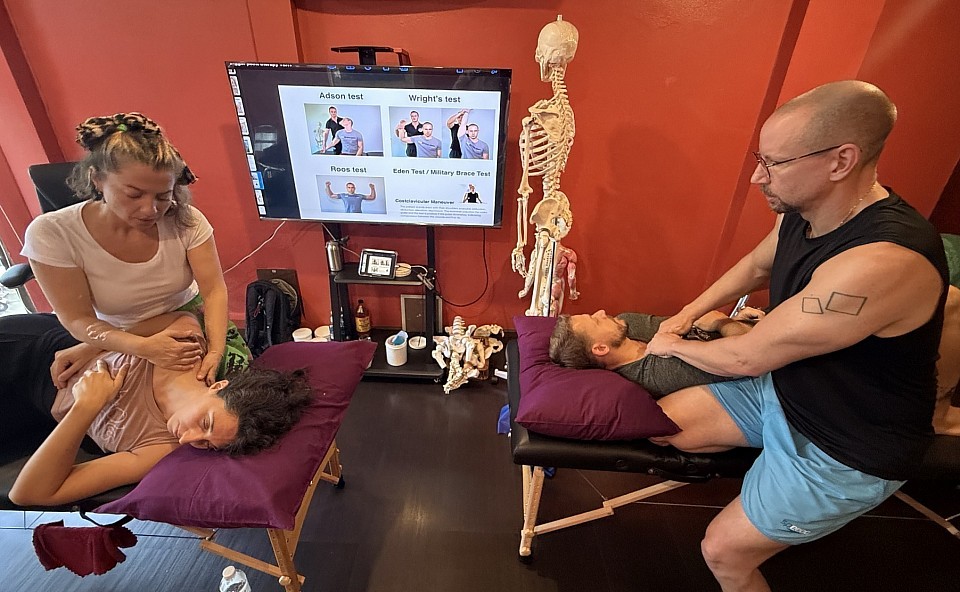
Trigger Point Massage
In my years specializing in sports medicine, the most profound lessons have sometimes centered not on mastering a new technique, but on understanding with absolute clarity when not to apply one. The desire to alleviate pain is a powerful motivator, but it must be guided by a deep respect for the body’s limits and a clear understanding of pathology. A technique as specific as trigger point release demands this level of clinical judgment. Applying pressure to a myofascial trigger point can restore mobility and resolve chronic pain, but applying that same pressure in the wrong context can cause significant harm. A key aim of RSM’s Trigger Point Therapy Course is to cultivate therapists who possess both exceptional manual skills and the critical thinking to know when the best treatment is no treatment at all.
Understanding the Myofascial Trigger Point
To understand the contraindications, we must first be precise about the target. A myofascial trigger point is a specific, hyperirritable locus within a taut band of skeletal muscle. It is a point of localized metabolic crisis, which causes both local tenderness and the referred pain patterns characteristic of a myofascial pain syndrome. The goal of our treatment is to interrupt this dysfunctional cycle. Because this intervention is so specific, understanding its contraindications is vital.
The framework for safe practice begins with distinguishing between systemic and local contraindications. Systemic (or absolute) contraindications are conditions affecting the whole body, where massage should be avoided entirely. A systemic infection with fever is a prime example; the treatment could worsen the patient’s condition.
Local contraindications apply to a specific area. A patient might have an acute muscle strain in their calf, making direct work on that point harmful. However, treating a chronic trigger in their shoulder during the same session could be perfectly safe. The rule is to avoid the compromised area. A critical local contraindication is an acute injury. For the first 48-72 hours after a muscle strain, or as long as acute inflammation persists (pain, swelling, heat), direct deep tissue work is contraindicated. Applying pressure to that muscle will disrupt the healing process.
Key Contraindications for a Trigger Point Treatment Session
Beyond general rules, trigger point therapy has specific contraindications related to its use of deep, sustained pressure. These require a detailed understanding of certain medical conditions.
Absolute Contraindications for Point Therapy
Certain conditions present a significant risk, making trigger point therapy entirely inappropriate.
- Deep Vein Thrombosis (DVT) and Blood Clots: This is the most critical contraindication. A DVT is a blood clot in a deep vein, often in the leg. The deep pressure used in trigger point therapy could dislodge the clot, leading to a life-threatening pulmonary embolism. Any patient with a known or suspected DVT must be cleared by a medical professional before treatment.
- Anticoagulant Medication: Patients on blood thinners like Warfarin are at high risk of bleeding and severe bruising. The intense pressure of trigger point work can rupture small blood vessels, leading to a significant hematoma. Without a doctor’s clearance, the classic ischemic compression technique presents an unacceptable risk.
- Severe Osteoporosis: In patients with fragile bones, the firm pressure required to release a deep trigger point could cause a fracture. This is a devastating outcome and represents a clear failure of clinical judgment.
- Malignancy and Infection: Trigger point therapy should never be performed over a known or suspected cancerous tumor due to the theoretical risk of promoting metastasis. Likewise, working over open wounds, skin infections, or areas of cellulitis can spread the infection and delay healing. The integrity of the skin barrier must be respected.
Relative Contraindications and Conditions for a Cautious Approach
Relative contraindications are warnings to proceed with caution and modify the treatment. This is where a therapist’s experience and communication skills are paramount.
- Fibromyalgia: This complex syndrome involves widespread pain and heightened sensitivity at specific tender points. While gentle myofascial release may help some patients, the intense pressure of classic trigger point therapy can easily cause a flare-up of pain and other symptoms. This is often not a condition for a novice therapist. The presence of severe fibromyalgia is a relative contraindication for trigger point injections and should be approached with similar caution in manual therapy.
- Pregnancy: While massage can be beneficial during pregnancy, deep trigger point work requires modification. In the first trimester, deep work is generally avoided. Throughout the pregnancy, deep pressure on the abdomen, low back, and certain acupressure points on the legs and ankles is contraindicated.
- Rheumatoid Arthritis and Inflammatory Conditions: During an acute flare-up of an inflammatory condition, deep manual therapy can worsen the pain. Between flare-ups, however, gentle work to address compensatory muscle tension and associated trigger points may be beneficial. The patient’s current state dictates the appropriateness of the treatment.
- Recent Surgery: A surgical site is a local contraindication until fully healed. A therapist must also consider that patients may be on pain medication that alters their sensation or anticoagulants to prevent clots, both of which impact the safety of a trigger point session.
Awareness of Clinical Pain Management and Injections
In a medical setting, another common intervention is a trigger point injection, which uses a needle to mechanically disrupt the trigger. Understanding the contraindications for injections is useful for manual therapists, as they often mirror our own. Relative contraindications for injections include anticoagulation therapy and severe fibromyalgia syndrome, reinforcing the need for caution in our manual treatment of patients with these conditions.
Patients may also seek manual therapy for post-injection soreness. Common side effects of injections include temporary pain or bruising at the site. A manual therapy session should not be performed on a point that is still sore or bruised from recent injections. This awareness allows the therapist to make more informed decisions when a patient presents with a history of injections as part of their pain management plan.
Safe and Professional Practice During the Session
A safe treatment is built on thorough assessment and clear communication. The technical skill of treating a trigger point is only part of our responsibility.
Every session must begin with a comprehensive health history and interview. This is the most critical safety check. The assessment should be ongoing, including visual and palpatory evaluation of the tissue. A skilled therapist must recognize when a patient’s pain pattern is atypical or when symptoms suggest a more serious underlying condition that requires medical referral.
There will be times when the most ethical action is to refuse or postpone treatment. This can be a difficult conversation, but it is essential for upholding our duty of care. We must explain our reasoning clearly and professionally. For example: “Based on the medication you are taking, deep trigger point work could cause significant bruising. The safest approach today is a more gentle massage, or we can wait for clearance from your doctor.”
This is not a failure. It is the fulfillment of our primary duty: first, do no harm. By upholding these standards, we build trust and reinforce our position as knowledgeable healthcare professionals. This commitment to safety, grounded in a comprehensive understanding of the contraindications for every treatment we offer, is the true measure of an elite therapist.
