RSM Blog: Sports Medicine and Massage Insights
The Role of Fascia in Orthopedic Massage: A Clinical Overview
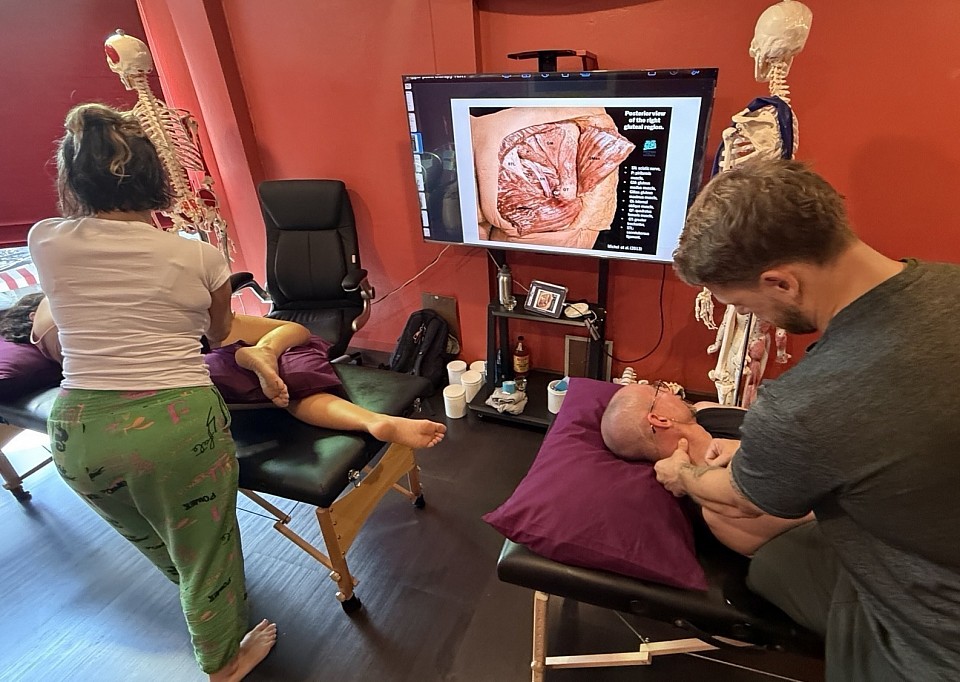
Orthopedic Massage Course for breathing and spine mobility
Beyond Muscle: The Fascia Network
Many therapists mistakenly view fascia as merely inert packing material that separates muscles, overlooking its critical role in the broader kinetic chain. They treat the body as a series of isolated levers – biceps flex the elbow, hamstrings flex the knee – and assume that pain is always local to the injury. However, this reductionist view fails to account for the reality of bio-tensegrity. In my experience, ignoring the connective tissue web that links these levers leads to treatment plateaus, where skeletal muscle releases are temporary because the surrounding fascial tension remains unaddressed. Overcoming these plateaus requires the clinical strategies we apply in RSM's Orthopedic Massage Course.
Fascia is the ubiquitous biological fabric that holds us together. While early anatomy texts often discarded this material, modern sports medicine recognizes it as a critical component of biomechanics. This connective tissue forms a continuous web enveloping every bone, nerve, and vessel. Fascia fibers are composed of collagen and elastin, designed to stretch and recoil. However, trauma or inflammation can cause these fibers to disorganize. As a result, fascial layers adhere to one another, restricting the sliding mechanism required for healthy motion.
The Role of Force Transmission and Myofascial Mechanics
To treat orthopedic conditions effectively, a therapist must understand how energy moves through the body. Standard anatomical models often depict muscles as independent pulleys. This is a simplification. In reality, force transmission occurs significantly through the fascial network.
When a muscle contracts, it transmits a significant portion of its energy laterally into the surrounding envelopes. This is known as myofascial force transmission. If the fascial system is healthy, this force distributes evenly. Conversely, if there are fascial restrictions, the load transfer becomes dysfunctional. A restriction in the lumbar fascia can inhibit the glutes, forcing the lower back to compensate. Consequently, this mechanical inefficiency leads to chronic pain. By understanding these connections, we see why treating the site of pain is often insufficient.
Integrating Massage Therapy for Structural Correction
Recognizing the interconnected nature of the body changes how we approach treatment. in orthopedic massage, our goal is the restoration of functional capacity. Massage therapy serves as a mechanical input that physically manipulates the tissue matrix.
When we apply specific fascia massage techniques, we use shear force to melt the ground substance; the fluid component of fascia. Heat and pressure make this substance more fluid, restoring the glide between layers. As the tissue becomes pliable, the tension on pain-sensitive structures decreases. This differs from standard massage. Muscle kneading focuses on blood flow, whereas fascial work requires a slower, deeper engagement to release the tissue barrier.
Advanced Myofascial Approaches
Advanced practitioners integrate myofascial release strategies to address complex patterns. Myofascial pain often presents as referred pain: discomfort felt distally from the source. Trigger points within the tissue cause the fascia to shorten, creating a pull that distorts posture.
Myofascial release therapy aims to disengage these holding patterns. By applying sustained pressure, we encourage the tissue to elongate. This reduces the tension on the skeletal framework, allowing joints to return to neutral alignment so movement becomes efficient again. We often combine this with active motion. For instance, pinning a restricted area while the client moves forces the fascial tissues to slide against the muscle, breaking down adhesions more effectively than passive pressure.
The Role of Therapy in Recovery
The recovery process for athletes relies heavily on the health of their fascia. Many overuse injuries are issues of the fascial system, not just the muscle. Physical therapy protocols often include strengthening exercises. However, strengthening a dysfunction reinforces it. If we load a tissue that is adhered, we create a stronger compensation pattern.
Therefore, manual therapy plays a prerequisite role in rehabilitation. We must restore tissue quality first. Once the myofascial lines are clear, strengthening exercises become effective. At RSM International Academy, we teach that myofascial release is fundamental. Whether for athletic recovery or pain management, acknowledging the continuity of the fascia allows us to deliver more precise and effective therapy.
Common Trigger Points in the Body: A Sports Medicine Perspective
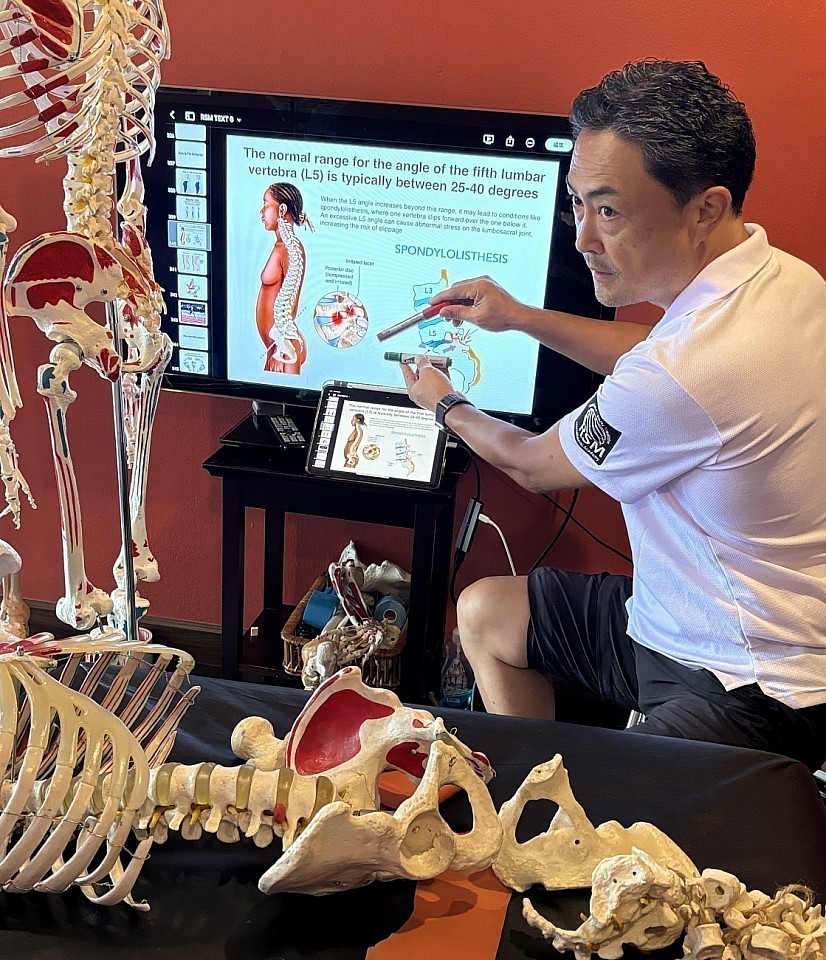
Trigger Point Therapy Course for Pain Relief
The Physiology of a Trigger Point
At RSM International Academy, we emphasize that one of the most critical distinctions a sports medicine therapist must make is between the site of symptoms and the actual source of dysfunction. Frequently, this source is a trigger point: a localized physiological crisis occurring deep within the muscle fibers.
A myofascial trigger point is clinically defined as a hyperirritable spot located within a taut band of skeletal muscle. Under microscopic analysis, this phenomenon represents a metabolic deadlock. The sarcomeres, the contractile units of the tissue, become locked in a state of sustained contraction. This continuous engagement consumes energy and creates mechanical compression on local capillaries. Consequently, the area suffers from ischemia (oxygen deprivation) and an accumulation of metabolic waste products. This acidic chemical environment sensitizes nociceptors, creating the intense tenderness identified during palpation.
When we strum this taut band perpendicularly, we often elicit a local twitch response. This transient contraction is a spinal reflex, confirming that we have located the precise epicenter of the pathology. However, as we teach in RSM's Trigger Point Therapy Course, not all points behave the same way. We must differentiate between the active trigger and the latent trigger.
Active vs. Latent Trigger Points
An active trigger is the immediate cause of a patient’s complaint. It produces pain spontaneously, during movement, or at rest. It is the primary reason clients seek treatment. In contrast, a latent trigger does not produce spontaneous pain; it is only tender when compressed.
While a latent trigger may appear less urgent, it is often the silent architect of restricted range of motion and muscle weakness. If left unaddressed, mechanical stress or fatigue can easily convert a latent point into a painful trigger, precipitating an acute myofascial pain syndrome.
Referred Pain and Key Locations
The most confounding aspect of myofascial pain for patients is the displacement of symptoms. Referred pain occurs because nociceptive signals from the trigger converge on the same spinal neurons as signals from other bodily regions. The brain, unable to isolate the exact source, projects the sensation to a predictable somatic reference zone. Understanding these maps is essential for effective massage and rehabilitation.
Upper Body: The Neck and Trapezius
In modern clinical practice, upper body tension is ubiquitous due to poor posture and ergonomic stressors. The Upper Trapezius is the most frequent site for tender points. A trigger here typically refers pain up the posterolateral aspect of the neck and into the temple, causing tension headaches.
Similarly, the Sternocleidomastoid (SCM) is a critical, yet often overlooked, structure. Located in the anterior neck, trigger points in the SCM can refer pain deep into the ear, across the cheek, or above the eye. Because these symptoms mimic sinus issues or ear infections, the muscular origin is frequently missed.
Lower Body: The Back and Pelvis
In the lower body, the Quadratus Lumborum (QL) is a primary villain in low back pain. This stabilizer connects the pelvis to the lumbar spine. When an active trigger develops in the QL, it refers pain to the sacroiliac joint and the lower buttock. Crucially, this can create a “fake” hip pain or a functional leg length discrepancy, altering the kinetic chain and leading to compensatory injuries in the knees or ankles.
Deeper in the hip, the Gluteus Minimus acts as a mimic for sciatica. Its referred pain travels down the leg, closely resembling nerve root compression. Unlike true sciatica, however, there are no neurological deficits. In complex cases of myofascial pelvic pain, therapists must also evaluate the deep rotators and pelvic floor, as tension here can manifest as groin or coccyx discomfort.
Treatment Strategies for Myofascial Pain
Resolving myofascial trigger points requires a strategy that goes beyond simple pressure. The goal of treatment is to unlock the sarcomeres and restore perfusion to the starved tissue.
Manual release techniques, such as ischemic compression and deep tissue massage, are foundational. By applying sustained pressure to the spot, we temporarily occlude blood flow. Upon release, fresh, oxygenated blood floods the area, flushing out inflammatory chemicals. This must be followed by stretching to reset the resting length of the muscle.
In cases where chronic issues resist manual therapy, injection therapy may be necessary. Trigger point injections (or dry needling) involve inserting a needle directly into the taut band. This mechanical disruption destroys the dysfunctional motor endplate activity, allowing the muscle to reset.
Ultimately, successful therapy requires identifying perpetuating factors. Whether the cause is skeletal asymmetry, nutritional deficiency, or ergonomic stress, the treatment must address the root. By mapping locations and understanding the mechanism of referred symptoms, we move beyond symptom management and towards true structural correction.
Choosing the Best Textbooks for Massage Therapy
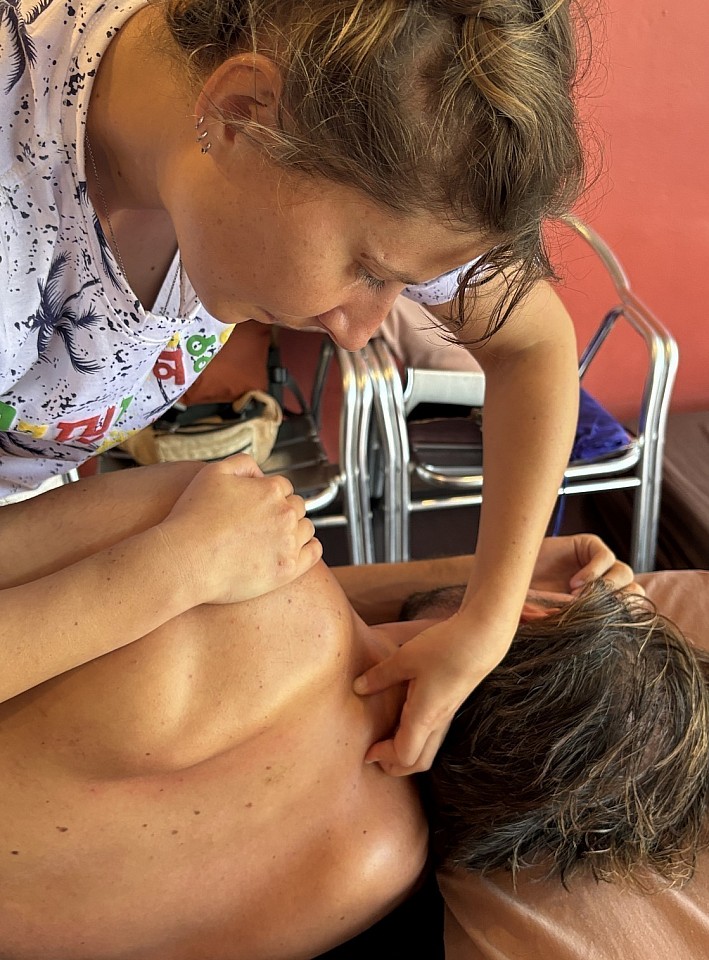
Sports Massage Course
At RSM we aim to raise the level of massage therapists, and one of the ways we do this is to remember that hands do not heal what the mind does not understand. In my years of clinical practice and teaching sports medicine-based modalities, I have observed that a therapist’s effectiveness is directly proportional to their theoretical grasp of the human machine. When a student relies solely on intuition without anatomical precision, their results hit a ceiling. However, when they ground their practice in evidence-based literature, they gain the ability to troubleshoot complex kinetic chain dysfunctions.
Building a library of books is not merely an academic exercise; it is the construction of a diagnostic toolkit. The right resources bridge the gap between abstract theory and practical application. This transition is the core focus of our Remedial Massage Course. These materials transform a two-dimensional image of a muscle into a three-dimensional understanding of tension, torque, and force transmission. Below, I outline the essential reading materials that have defined my curriculum and clinical approach.
Foundational Anatomy for Massage Therapy
Before a student can treat dysfunction, they must master structure. Anatomy is the map; without it, you are navigating blind. Many generic programs rush this phase, leading to graduates who can perform a sequence but cannot locate a specific attachment site. This lack of precision results in generic rubbing rather than targeted therapy.
Trail Guide to the Body by Andrew Biel remains the gold standard student resource for surface palpation. Its value lies not in dense medical jargon, but in its navigational logic. Biel treats the body as a landscape to be explored, providing specific landmarks that allow manual therapists to orient themselves with absolute certainty.
When I teach palpation, I emphasize that locating a muscle belly is insufficient. One must distinguish the fiber direction, the exact musculotendinous junction, and the subtle texture changes that indicate hypertonicity. Biel’s guide excels here because it forces the reader to visualize structures through the skin. This visualization leads to better tactile sensitivity. If you cannot visualize the deep external rotators underneath the gluteus maximus, you cannot effectively treat piriformis syndrome. You are simply guessing depth. Learning to palpate with this level of specificity allows you to differentiate between a taut band of muscle and a nerve entrapment.
A Guide to Clinical Massage Techniques
Once structure is understood, the focus shifts to pathology and treatment. Clinical massage requires a deviation from relaxation protocols. It demands a systematic approach to restoring function. For this, Clinical Massage Therapy: Understanding, Assessing and Treating Over 70 Conditions by Rattray and Ludwig is indispensable.
This text aligns closely with the sports medicine philosophy we uphold at RSM. It does not view massage as a vague holistic remedy but as a mechanical intervention for specific physiological problems. The authors structure the information by condition – whiplash, tendinitis, frozen shoulder – rather than just body part. This causal approach is critical. For instance, when treating lateral epicondylitis (tennis elbow), simply rubbing the elbow is rarely effective. The book explains how proximal restriction in the shoulder or cervical spine often contributes to the distal symptom.
By studying this text, therapists learn to design treatment plans based on the stage of healing. Treating an acute injury with deep friction can exacerbate inflammation; conversely, treating chronic fibrosis with light effleurage accomplishes nothing. Rattray and Ludwig provide the insights necessary to match the intensity of the technique to the pathology of the tissue. This reduces the risk of over-treating a sensitive area or under-treating a stubborn adhesion.
The Definitive Book on Fascial Lines
Standard anatomy texts often present muscles as isolated units (biceps, triceps, quadriceps) separated by clear boundaries. In reality, the body functions as a continuous tensegrity network. Thomas Myers’ Anatomy Trains revolutionized how we perceive movement. It moves beyond single-muscle theory and introduces the concept of myofascial meridians.
For the sports medicine therapist, this functional anatomy perspective is vital. I frequently see clients presenting with plantar fasciitis who have failed to respond to local foot treatments. Using the logic found in Myers’ work, we can trace the Superficial Back Line and often find the root tension in the hamstrings or the suboccipital region. When the therapist releases the calf and hamstring, the tension on the plantar fascia drops.
This text helps learners see the “ghost in the machine.” It explains why a forward head posture creates tension in the lower back and how a rotation in the pelvis affects the arch of the foot. Integrating these concepts allows you to treat the pattern, not just the pain. Reading this text requires patience, as the concepts challenge traditional education, but the clinical payoff is significant. It turns a localized treatment into a structural integration session.
Understanding Pain and Dysfunction
Pain is rarely where the problem is. This is a mantra I repeat constantly. The most sophisticated resource for understanding referred pain patterns is Myofascial Pain and Dysfunction: The Trigger Point Manual by Travell and Simons. This two-volume set is arguably the most important work in the history of soft tissue therapy.
Travell and Simons mapped the referred pain patterns of skeletal muscles with rigorous detail. They demonstrated that a headache above the eye often originates from the sternocleidomastoid, and that “sciatica” is frequently a referral from the gluteus minimus. Without this knowledge, a practitioner chases symptoms. They rub the temple for the headache or the leg for the sciatica, achieving only temporary relief because the generator of the signal remains untouched.
Mastering this material elevates a therapist from a relaxation provider to a pain management specialist. It provides the causal link between a hidden knot in muscle A and the debilitating symptom in area B. While the text is dense, it serves as an ultimate reference. When a client presents with a symptom that defies logic, checking the referral maps in this book usually provides the answer.
Moving Beyond the Basic Therapy Curriculum
To truly enhance your practice, you must eventually step outside the realm of pure massage texts and venture into orthopedic assessment. Massage therapists who wish to work with athletes must speak the language of physical therapists and osteopaths. Orthopedic Physical Assessment by David Magee is a cornerstone for this transition.
While not strictly a massage book, it teaches the special tests required to rule out structural damage. If a client presents with shoulder pain, how do you know if it is a rotator cuff tear or simple supraspinatus tendonitis? Magee’s text provides the testing protocols. Knowing when not to treat is just as important as knowing how to treat. If a client tests positive for a structural tear, the responsible action is referral, not massage. This diagnostic capability builds immense trust with clients and other medical professionals.
This level of applied anatomy fosters critical thinking. It moves the practitioner away from routine sequences and toward hypothesis-driven treatment. You assess, you treat, you re-assess. If the movement marker does not improve, you adjust your strategy. This cycle of clinical reasoning is what we strive to instill at RSM, and these texts provide the intellectual foundation for that process.
Essential Reading List
To summarize, building a library is an investment in your career longevity. The following resources provide a comprehensive blend of technique, anatomy, and pathology:
- Trail Guide to the Body (Andrew Biel): The non-negotiable prerequisite for surface anatomy and palpation skills.
- Clinical Massage Therapy (Rattray & Ludwig): The blueprint for treating specific pathologies and understanding the stages of healing.
- Anatomy Trains (Thomas Myers): The key to understanding fascial lines and kinetic chain relationships.
- Myofascial Pain and Dysfunction (Travell & Simons): The encyclopedic guide to trigger points and referred pain patterns.
- Orthopedic Physical Assessment (David Magee): The bridge between soft tissue therapy and medical diagnosis.
These volumes do not sit on a shelf to look impressive; they are working documents. A ragged, highlighted, and coffee-stained book indicates a therapist who is constantly refining their understanding. As specific protocols evolve, the underlying anatomy remains constant. Therefore, a deep investment in these texts ensures that your practice remains built on solid ground, regardless of passing trends in the wellness industry.
By integrating the logic from these texts, connecting the kinetic chain, respecting referral patterns, and understanding tissue pathology, we elevate the profession. We move from being technicians who follow a routine to clinicians who solve problems. That is the standard we aim for, and it begins with what you read.
An Introduction to Orthopedic Assessment Skills
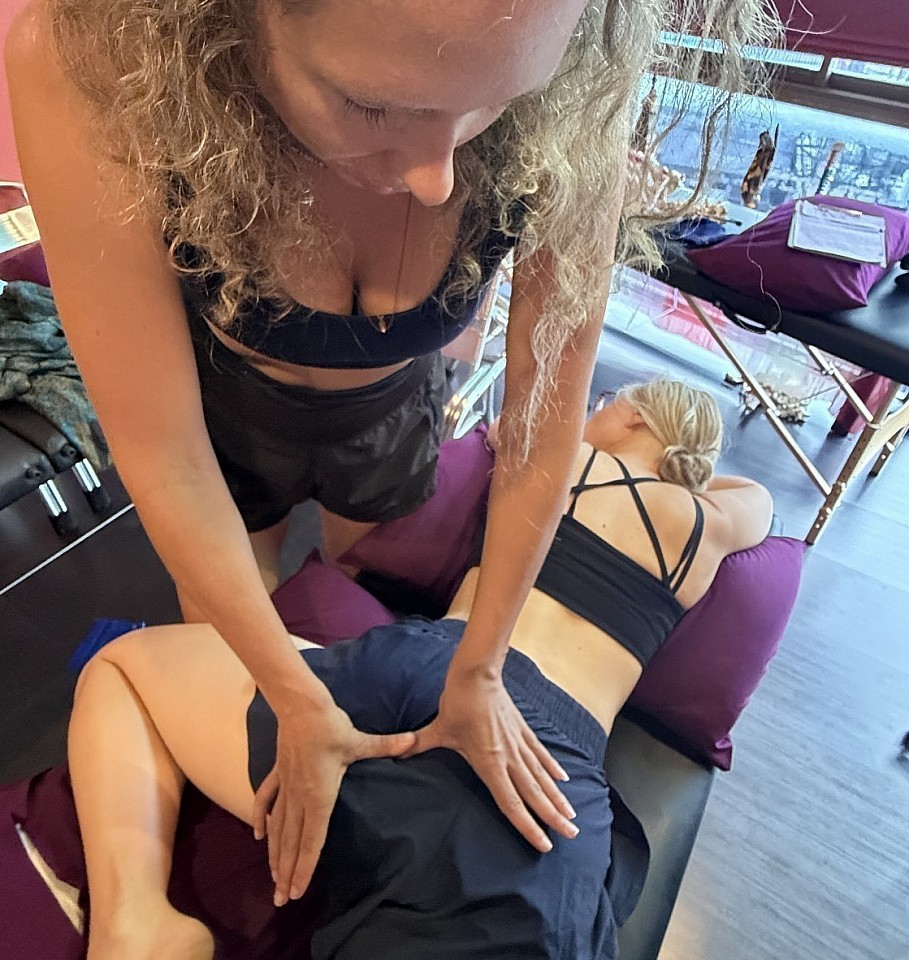
Orthopedic Massage Course for Spine Mobility
In the specialized field of sports medicine-based massage, the distinction between a relaxation therapist and a clinical practitioner is defined by the accuracy of their evaluation. If we fail to understand the biomechanical cause of a client’s complaint, we are merely chasing symptoms rather than resolving the root dysfunction. This limited approach leads to temporary relief and often allows the underlying issue to worsen.
To evolve from a technician into a clinician, one must adopt a rigorous mindset. We must view the body not just as tissues to be manipulated, but as a complex, interconnected musculoskeletal system where every pain pattern tells a logical story. This article outlines the fundamental framework required to master this transition. These principles are what students put into practice throughout RSM's Orthopedic Massage Course.
Decoding the Orthopaedic History
True clinical competency begins before the client ever reaches the treatment table. It starts with the subjective interview, which is the most critical tool in our diagnostic arsenal. Collecting a comprehensive orthopaedic history allows us to narrow down the differential diagnosis significantly.
We must ask targeted questions to understand the mechanism of injury. Did the pain start suddenly after a specific movement, or was it an insidious onset over months? These details provide vital clues about the tissues involved. For instance, deep, aching sensations often originate from a bone or joint capsule, whereas sharp, shooting sensations typically implicate nerve entrapment.
This investigation into the clinical presentation guides our expectations. By listening to how the symptoms behave, whether they improve with movement or worsen with rest, we can predict the underlying physiology and mechanical faults we will encounter.
Navigating Anatomy and the History Physical
Once the history is established, we move to the physical examination. This transition relies on the “history physical” connection, the bridge between what the client reports and what the therapist detects. To cross this bridge effectively, a deep working knowledge of anatomy is non-negotiable.
Palpation is a primary skill here, but it must be performed with specific intent. We are not just searching for “knots”; we are assessing palpation length and tissue texture. For example, if a muscle feels short and tight, we must determine if this is true adaptive shortening or a protective spasm due to instability elsewhere. We trace nerve pathways and identify trigger points that reproduce the “familiar pain.” This reproduction confirms that we have located the source of the problem.
Assessment of Joint Function
A key component of the physical exam is evaluating joint mechanics. We assess both active and passive range of motion (ROM) to isolate the limiting factor.
- Active ROM: Tests the ability of the muscle to generate force and the client’s willingness to move.
- Passive ROM: Tests the integrity of the inert structures: ligaments and the joints themselves.
If a client has full passive range but limited active range, the issue is likely muscular weakness or neurological inhibition. Conversely, if both active and passive ranges are restricted, we suspect a capsular pattern or bony obstruction. During these assessments, we watch closely for deviations in joint movement, such as a hitch during knee flexion or winging of the scapula. These subtle cues reveal the breakdown in kinetic chain function.
Special Tests and Strength Testing
When basic motion and palpation do not provide a definitive answer, we utilize special tests. These are specific maneuvers designed to stress particular tissues to see if they elicit a positive sign.
For instance, to assess cervical radiculopathy, we might employ a compression test like Spurling’s Maneuver. By applying a controlled axial load, we narrow the neural foramen. If this action reproduces the arm pain, it indicates nerve root irritation. Similarly, strength testing helps us distinguish between tendon pathology and neurological weakness. A single test is rarely diagnostic on its own. However, when we combine a positive special test with specific history findings, our confidence in the assessment increases. This data triangulation separates a medical grade assessment from a simple guess.
Identifying Red Flags: Fractures and Surgery
A crucial aspect of orthopedic assessment is knowing when not to treat. As sports therapists, we operate within a specific scope, and it is our responsibility to identify “red flags” that require immediate referral.
We must be vigilant for signs of fractures, systemic disease, or conditions that require surgery. If a client presents with unremitting night pain, unexplained weight loss, or severe deformity following trauma, manual therapy is contraindicated. In these cases, the correct treatment is a referral for imaging or a consultation with a specialist. Recognizing these limits protects the client and defines the professional boundaries of our practice.
The Path to Mastery
Developing high-level assessment skills requires a commitment to logic and precision. By mastering the H.O.P.S. protocol (History, Observation, Palpation, Special Tests) and understanding the biomechanics of compression and tension, you elevate your practice. The goal is to identify the length and tension relationships that drive dysfunction. This rigorous approach ensures that we do not just treat pain temporarily, but help restore function permanently.
Essential Anatomy for Massage Therapists: The Clinical Foundation

Functional Anatomy and Sports Medicine
For a massage therapist, deep anatomical fluency determines the difference between a simple relaxation session and an intervention that resolves chronic pain. When I observe students in our Trigger Point Therapy Course initially grappling with musculoskeletal structures, I often notice a tendency to view muscles in isolation. However, the body functions as an interconnected kinetic chain.
Effective treatment requires seeing these connections. A pain signal in the knee often originates from hip dysfunction. Similarly, numbness in the fingers frequently begins with entrapment in the cervical spine. Mastering this logic allows a massage therapist to treat causes rather than just symptoms. This level of knowledge separates the elite practitioner from the hobbyist.
Defining the Standard for Massage Therapists
In sports medicine, precision is non-negotiable. A general understanding of where a muscle starts and ends fails to account for the complex interplay of fascia, nerve pathways, and biomechanical levers. Massage therapists who wish to excel must adopt a three-dimensional view of the body.
For instance, consider the anatomical position. This standard reference point is critical for describing location and movement. Without it, clinical notes become ambiguous, and communication with other healthcare professionals breaks down. If a therapist cannot accurately describe a lesion relative to the midline, their professional credibility diminishes. Consequently, anatomy becomes the bridge between intuitive touch and medical science.
The Layered Reality of Muscle Anatomy
When palpating the body, the first challenge is distinguishing between superficial and deep layers. The deltoid muscle, for example, forms the rounded contour of the shoulder and is a powerful mover. Because it is superficial, it is easily accessible. However, treating the deltoid alone rarely solves shoulder pathology. The true drivers of dysfunction often lie beneath it in the rotator cuff. Ignoring these deep layers leads to incomplete treatment.
To break the cycle of recurring pain, one must understand muscle anatomy as a system of layers. Consider the sternocleidomastoid muscle (SCM) in the anterior neck. This prominent muscle is a frequent source of trigger points that mimic tension headaches. Because the SCM overlays the major vessels of the neck, deep work here requires extreme caution. A skilled practitioner knows exactly how to manipulate the muscle belly safely, a technique that relies entirely on a detailed mental map of the cervical region.
Precision Treatment and Client Outcomes
The upper extremity offers a clear example of how detailed anatomical knowledge improves clinical outcomes. Many clients present with lateral or medial elbow pain. A basic massage therapy approach might involve rubbing the painful spot. A sports medicine approach, however, traces the pain to its mechanical origin.
Pain at the lateral epicondyle typically stems from the extensor group of the forearm. Overuse of the extensor digitorum creates constant traction on the common extensor tendon. Friction massage at the attachment site helps, but releasing the muscle bellies in the forearm provides lasting relief.
Conversely, pain at the medial epicondyle involves the flexor group. Here, the flexor carpi radialis and ulnaris are the usual suspects. Tightness in these muscles pulls on the medial humerus, causing inflammation. We must also look at the brachioradialis muscle. This muscle acts as a bridge between the upper arm and the forearm. Because of its leverage, it often harbors significant tension.
This detailed breakdown of the upper limb demonstrates why specific training is vital. If you can explain to a client that their elbow pain is a result of wrist mechanics, you build immense trust.
Why a Sports Medicine Program Demands More
At RSM, our curriculum integrates functional anatomy with clinical technique. A standard massage therapy course might ask you to name the quadriceps. Our approach asks you to analyze how those muscles affect pelvic tilt and lumbar stability.
This depth of understanding transforms the way you work. You stop chasing pain and start correcting dysfunction. For aspiring therapists, investing in a rigorous education is the most important career decision they will make. Schools that gloss over these complexities do their graduates a disservice.
- Assessment: Identifying bony landmarks.
- Hypothesis: Connecting pain to specific structures.
- Treatment: Applying precise techniques.
I believe the future of our industry lies in this level of integration. To succeed, you must be willing to study the flexor carpi, the extensor digitorum, and the medial epicondyle not just as words, but as tangible structures. Expanding your anatomical knowledge expands your potential to help others. This is the essence of a successful career in sports medicine.
The Value of Sports Massage for Amateur Athletes
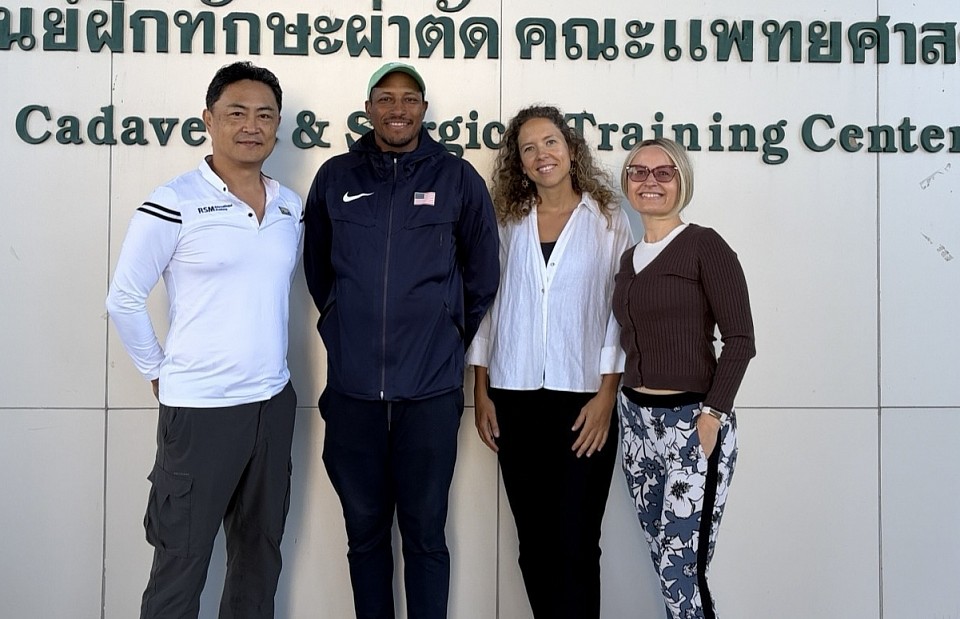
USA Paralympic national team coach
In my time at RSM International Academy, one critical difference I’ve observed between professional and amateur athletes is that professionals treat recovery as a mandatory component of their job. Amateurs, on the other hand, often view it as optional. This mindset creates a dangerous physiological gap. The amateur athlete pushes their body with high intensity while managing work and family, yet rarely affords their musculoskeletal system the downtime required to repair. As a result, cumulative load leads to chronic restriction, altered biomechanics, and eventually, injury.
Defining the Scope of Sports Massage
It is a common misconception that sports massage is simply a vigorous spa treatment. In RSM's Sports Massage Course, I teach students that massage is a mechanical intervention designed to manipulate soft tissue to achieve specific physiological outcomes. Unlike relaxation modalities, the goal is to restore functional tissue length and optimize the sliding surfaces between fascial layers.
When we treat an athlete, we view the body as a kinetic chain. A restriction in the calf muscles, for instance, reduces ankle dorsiflexion. This limitation forces the knee to compensate during movement, altering the load on the patellar tendon. Consequently, therapy applied to the calf is a strategic maneuver to protect the knee. This clinical reasoning defines sports massage therapy; we identify the root cause of dysfunction rather than merely chasing symptoms.
The benefits of this approach are tangible. By targeting muscles shortened by repetitive strain, we restore range of motion. This allows the athlete to train with proper mechanics, reducing the risk of compensatory patterns that lead to acute failure.
Addressing Muscle Tension and Hypoxia
To understand the efficacy of massage, one must understand muscle tension at a microscopic level. When an athlete trains to failure, ATP (adenosine triphosphate) depletion can cause myosin heads to lock onto actin filaments, forming a “rigor complex.” When these complexes accumulate, they manifest as palpable knots. This tension compresses local capillaries, restricting blood flow and creating a hypoxic (low oxygen) environment.
Sports massage interventions mechanically disrupt this cycle. By applying direct compression, the therapist forces a local hyperemia – an influx of fresh, oxygenated blood – into the tissue. This flush brings the nutrients necessary to break the chemical bond, allowing the muscle fibers to relax. Pain signals are subsequently dampened as metabolic byproducts are cleared by the lymphatic system.
There is often confusion regarding deep-tissue massage versus sports specific work. While deep-tissue massage focuses on accessing sub-layers of musculature to release chronic holding patterns, sports massage is outcome-specific. Tissue massage in a sports context varies based on the training cycle. During heavy training blocks, we use myofascial release to unglue adherent layers. Conversely, pre-event techniques are stimulating to prime the nervous system.
The Strategic Value of Maintenance Massage
For the amateur, consistency is the hardest variable to master. Maintenance massage serves as a scheduled audit of the body. Regular sessions allow the therapist to detect muscular imbalances before they evolve into debilitating injuries.
We frequently see runners develop plantar fasciitis. Often, the precursor, tightness in the gastrocnemius and soleus, was present for months. A consistent maintenance massage schedule identifies this hypertonicity early. By releasing the calf muscles and improving the flexibility of the posterior chain, we relieve tension on the plantar fascia before inflammation sets in.
This preventative approach is where massage yields the highest return. It is far easier to reduce tension in an overworked muscle than to rehabilitate a torn one. Injuries derail training progress, leading to deconditioning. Regular therapy keeps the tissue compliant and resilient, capable of handling progressive overload.
Enhancing Recovery and Sports Performance
The timing of massage relative to training is critical. Post-workout massage focuses on shifting the body from a sympathetic (fight or flight) state to a parasympathetic (rest and digest) state. After high-intensity sports activity, the body is flooded with cortisol. Until these levels drop, deep restorative processes cannot begin.
Massage facilitates this neurological shift. The rhythmic application of pressure lowers heart rate and accelerates the clearance of metabolic waste. While massage cannot “cure” Delayed Onset Muscle Soreness (DOMS), it significantly reduces the perception of pain, improving mobility during the healing phase.
Ultimately, the goal is to improve performance. Massage achieves this by increasing the compliance of the musculotendinous unit. A compliant muscle stores and releases elastic energy more efficiently than a stiff one, translating to better power production. Furthermore, specific sports massage techniques aid proprioception. When fascia is restricted, sensory feedback to the brain is dulled. By freeing these restrictions, we enhance the athlete’s awareness of joint position and technique.
Key Benefits of Pre and Post-Workout Massage
- Accelerated Recovery: Massage therapy speeds up the clearance of metabolic waste and reduces the duration of DOMS, allowing for more frequent high-quality training.
- Injury Prevention: Regular assessment identifies and corrects muscular imbalances and soft tissue restrictions before they result in acute injury.
- Functional Flexibility: Massage restores normal muscle length and fascial glide, ensuring functional range of motion is maintained under load.
- Psychological Focus: Therapy reduces sympathetic nervous system dominance, lowering anxiety and promoting a mindset conducive to high-level performance.
At RSM International Academy, we teach that sports massage is a dialogue with the nervous system. Whether preparing for a marathon or simply trying to stay active, integrating massage into the routine is a decision that pays dividends in longevity. Sports massage for amateur athletes is not a luxury; it is a fundamental pillar of athletic health.
Case Studies in Remedial Massage: Unlocking Clinical Insights
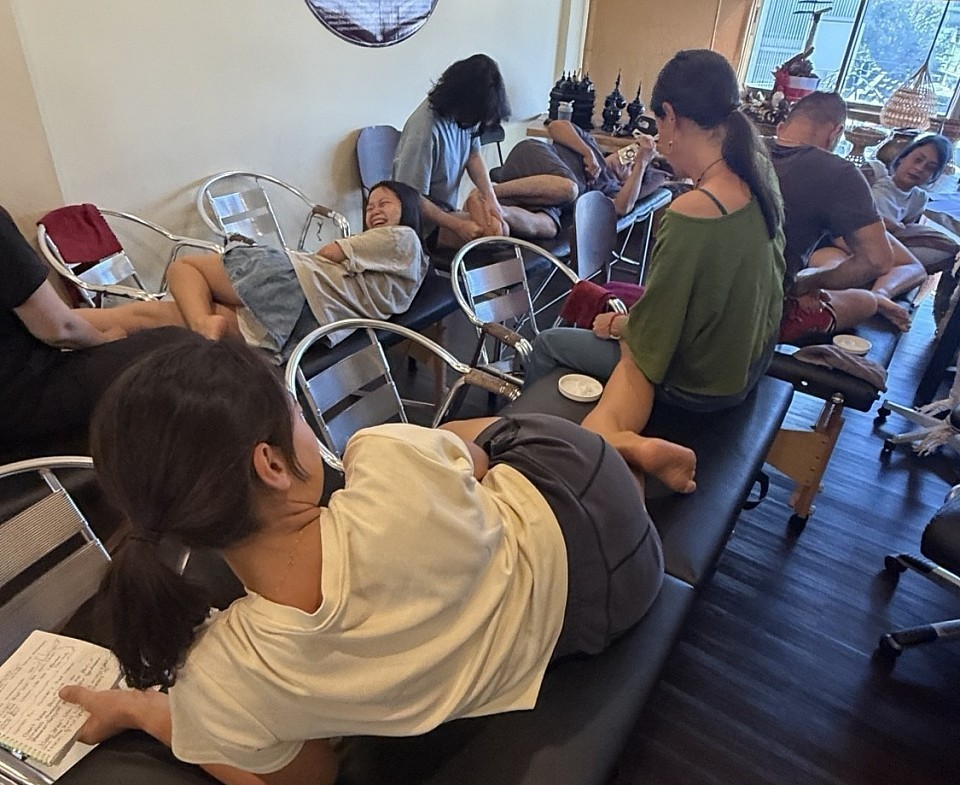
Sports medicine massage course
The Value of Documented Therapy in Clinical Practice
I teach students in RSM's Remedial Massage Course that the human body rarely follows the neat, color-coded diagrams in anatomy textbooks. While theory provides a framework, clinical reality is often messy, governed by trauma history and neurological compensation. This complexity is why analyzing case studies in remedial massage is essential for any serious practitioner.
By reviewing specific cases, we move beyond generic techniques and understand the causal mechanisms driving rehabilitation. A detailed case report offers a roadmap for critical thinking. When we examine how a specific therapy protocol resolves a long-standing issue, we see the links between localized pain and systemic dysfunction. The following examples illustrate how targeted massage treatments can intervene in the cycle of chronic dysfunction and restore movement.
Case Study 1: Chronic Low-Back Pain Mechanisms
Low back pain is the most common complaint in the clinic, yet the label often obscures the underlying pathology. A 2016 report in the International Journal of Therapeutic Massage & Bodywork examines how remedial massage interacts with complex spinal conditions [1]. The client was a 63-year-old male with a formidable history: osteoarthritis, scoliosis, spinal stenosis, and degenerative disc disease.
Assessment of the Client and Symptoms
The symptoms were compounded by the body’s protective mechanisms. When the spine is unstable due to degeneration, muscles like the erector spinae and quadratus lumborum become hypertonic to splint the area. This protective tension compresses vertebral joints further, creating a cycle of ischemia.
Deep Tissue Massage and Trigger Point Protocols
The treatment involved four sessions utilizing deep tissue massage and neuromuscular therapy. The therapist focused on reducing hypertonicity in the lumbar region and addressing compensatory tension in the glutes. At RSM, we emphasize this layering: by achieving release in the superficial fascia and deeper paraspinal muscles, the therapist reduced the compressive load on the discs.
The results were significant. The client reported improved metrics on the Oswestry Low Back Pain Scale, reduced medication use, and a return to cycling. This validates a core RSM philosophy: even with structural pathology, a significant portion of the pain level is driven by soft tissue guarding. When massage therapy alleviates this “splinting,” functional movement returns.
Case 2: Post-Surgical Knee Rehabilitation
The knee acts as a hinge caught between the hip and ankle, making it vulnerable to kinetic chain dysfunction. A 2008 study by Zalta analyzes Patellofemoral Pain Syndrome (PFPS) following ACL reconstruction [2]. This is a common scenario in rehabilitation massage, where surgery is only the first step.
In this case, the patient developed secondary retropatellar pain. This occurred because the vastus medialis oblique (VMO) became inhibited post-surgery, while the tensor fasciae latae (TFL) and IT band became hypertonic to stabilize the knee. This imbalance pulled the patella laterally, causing friction and pain.
The treatment utilized myofascial release, trigger point therapy, and cross-fiber friction. Crucially, the therapist addressed the lateral thigh. By releasing adhesions between the IT band and lateral vastus, the lateral pull on the patella was reduced. We teach this as “balancing the guy wires”—you must release the tight antagonist to allow proper mechanics.
The effects were clear: reduced hamstring contracture, improved patellar tracking, and decreased pain. This demonstrates that massage is a primary intervention for correcting the soft-tissue imbalances that surgery creates.
Case 3: Resolving Subacromial Impingement
Shoulder pain is notoriously complex. A randomized case series by Barra-López et al. (2016) shifts the focus from the typical culprit (supraspinatus) to the Teres Major [3]. This study case offers a blueprint for addressing overhead mobility restrictions.
The researchers investigated patients with Subacromial Impingement Syndrome (SIS). At RSM, we look for muscular imbalances causing the humerus to ride up into the acromion. The Teres Major, an internal rotator, often harbors latent trigger points. When this muscle is short, it prevents the humerus from externally rotating and elevating cleanly, jamming the shoulder joint.
The intervention involved “Functional Massage” on the Teres Major—combining compression with passive mobilization. This active-passive method communicates directly with muscle spindles to reset resting tone. By releasing the Teres Major, the therapists removed the “brakes” on shoulder elevation.
The results showed statistically significant improvements in pain intensity and active range of motion. This confirms that a restriction in the posterior axilla can be the primary driver of anterior shoulder pain. For our students, this highlights the importance of treating the functional antagonist rather than just the site of pain.
Integrating Research into Daily Sessions
Transitioning from a case study to a real-world clinic requires viewing every session as an experiment: assess, hypothesize, treat, re-assess. When I read research, I look for the logic. In the back pain case, it was “release the splinting.” In the knee case, “correct the tracking.” In the shoulder case, “release the antagonist.”
These principles are universal. Whether treating an athlete or an office worker, the body compensates for instability with tension. As therapists, we must identify these patterns. At RSM International Academy, we teach the clinical reasoning found in these cases so our graduates can provide treatments that are truly remedial.
Ultimately, the goal of massage therapy is to restore the body’s capacity for efficient movement. The literature confirms what we see daily: when you treat the root cause with precision, the results are transformative.
References
1)Allen, L. (2016). Case Study: The Use of Massage Therapy to Relieve Chronic Low-Back Pain. International Journal of Therapeutic Massage & Bodywork, 9(3), 27–30. https://pmc.ncbi.nlm.nih.gov/articles/PMC5017818/
2)Zalta, J. (2008). Orthopedic Massage Protocol for Post ACL Reconstruction Patellofemoral Pain Syndrome. International Journal of Therapeutic Massage & Bodywork, 1(2), 11–21. https://ijtmb.org/index.php/ijtmb/article/view/22
3)Barra-López, M. E., et al. (2016). Functional Massage of the Teres Major Muscle in Patients with Subacromial Impingement Syndrome. A Randomized Controlled Case Series Study. International Journal of Medical and Pharmaceutical Case Reports, 8(1), 1-10. https://journalijmpcr.com/index.php/IJMPCR/article/view/72
The Science of Myofascial Release for Runners
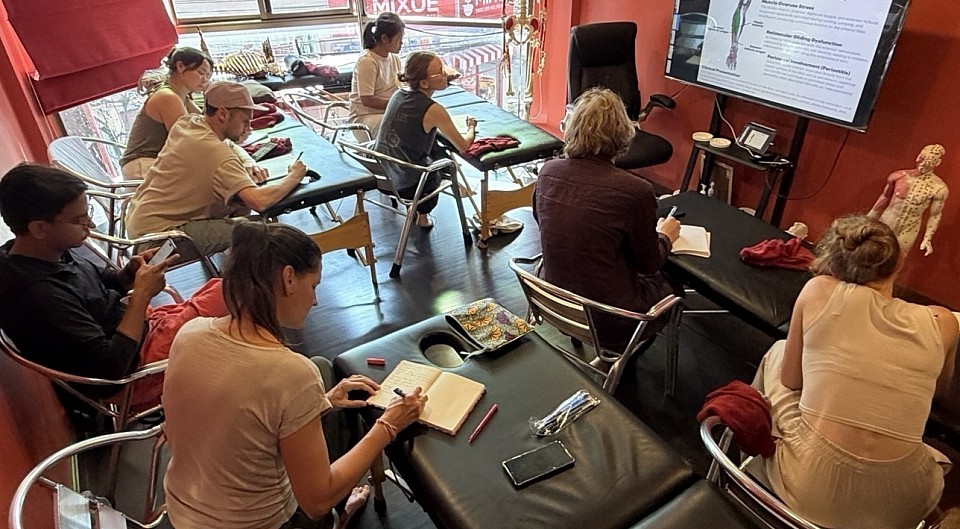
Clinical Palpation and Functional Anatomy
Understanding the Fascia Network in Running
I often remind athletes, and students in our Myofascial Release Course, that biomechanics relies on more than just muscular strength. In the context of running, the efficiency of movement is largely dictated by the fascia. This viscoelastic web envelops every structure in the human body, acting as a kinetic energy storage system. When a foot strikes the ground, the fascial system absorbs impact and releases it to propel the athlete forward, a mechanism known as the catapult effect.
However, this system is prone to densification. Repetitive motion causes specific layers of connective tissue to glide repeatedly over one another. Over time, friction generates heat and alters the viscosity of the hyaluronic acid between these layers. Consequently, the fluid becomes adhesive, and the sliding surfaces bind together. This loss of glide restricts range of motion and alters neuromuscular coordination. When the fascia cannot slide, load distribution becomes uneven, leading to focal stress points and eventual tissue failure.
Why Foam Rolling Is Often Misunderstood
To address these restrictions, many runners utilize a foam roller. Unfortunately, the application is frequently incorrect. I often observe athletes rolling rapidly over high-tension areas like the IT band, assuming that high intensity equates to therapeutic release. This approach ignores physiological reality.
Fascia is thixotropic; it changes from a gel-like state to a fluid state only under sustained pressure and heat. Rapid foam rolling stimulates mechanoreceptors that react to quick pressure changes, providing temporary sensation but no structural change. To achieve true myofascial release, one must engage the Ruffini endings, which respond to slow, tangential forces.
Therefore, effective usage requires deliberate slowness. The objective is to create a shearing force that restores the sliding ability between tissue layers. Furthermore, the density of the foam is critical. Using a tool that is too hard triggers a protective guarding response in the muscles. A softer foam allows the tissue to yield, permitting pressure to penetrate deeper without triggering defensive tightening.
Myofascial Therapy and Biomechanical Efficiency
In our clinical approach, therapy is based on the kinetic chain. We never view calf muscles in isolation. A limitation in ankle dorsiflexion, often caused by soleus tightness, arrests the forward progression of the tibia. This mechanical blockage forces the body to compensate, typically resulting in excessive foot pronation or femoral internal rotation. This rotation places immense strain on the knee and hip. Thus, treating knee pain often requires releasing the deep posterior compartment of the lower leg.
We also examine the relationship between the diaphragm and the psoas. Heavy breathing during training creates tension in the diaphragm, which translates to the lumbar spine. A tight psoas inhibits the gluteus maximus. When the primary hip extensor is inhibited, the hamstrings must overwork, leading to strain. Effective release techniques interrupt these patterns. By restoring glide in the anterior hip capsule, we allow the glutes to fire correctly, restoring the structural integrity of the gait.
Integrating Recovery Strategies and Ball Massage
Recovery is an active physiological process, not just rest. The goal of myofascial recovery is to improve fluid dynamics. Connective tissue relies on hydration, but it lacks a pump like the heart. It relies on movement and compression to circulate fluid.
When tissues are compressed and released, a “sponge effect” occurs. Metabolic waste is squeezed out, and upon release, nutrient-dense fluid rushes in. This rehydration is essential for maintaining elasticity. To assist this, we often utilize ball massage. A smaller ball provides the focal pressure necessary to navigate the complex anatomy of the hip rotators or the intrinsic muscles of the foot. Accessing trigger points within the piriformis requires a precision that a cylinder cannot provide.
The Training and Therapy Connection
The separation between training and therapy is artificial. Every training impulse remodels the fascial architecture. If an athlete runs with restriction, they reinforce dysfunctional patterns. The fascia thickens along the lines of stress, effectively “casting” the body in misalignment.
Therefore, myofascial release is a prerequisite for effective training. It ensures that muscles and joints possess the requisite mobility to perform correctly. My approach prioritizes the restoration of the “sliding system.” When the deep fascia of the thigh slides independently of the quadriceps, the knee tracks correctly.
Ultimately, longevity depends on managing cumulative stress. While muscles recover quickly due to high blood supply, connective tissues have a slower metabolic rate. By prioritizing the health of these tissues through intelligent technique and consistent care, runners bridge the gap between metabolic capacity and structural resilience.
Exploring Massage Therapy Career Options
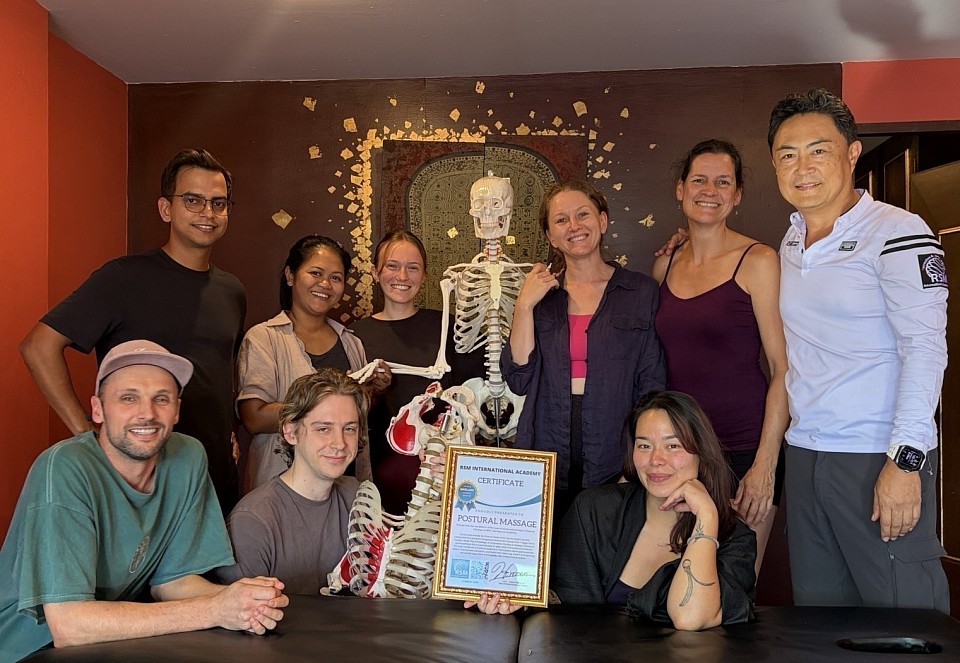
Sports Medicine Massage Courses in Chiang Mai
Founding RSM International Academy, our massage school here in Thailand, was a direct response to the gap I observed between standard training and the rigorous demands of elite sports medicine. In my time teaching students and treating high-performance athletes, I've learned that a sustainable career in this field requires far more than memorizing routines; it demands a clinical mindset rooted in anatomy. To students exploring massage as a profession, I emphasize that success comes from understanding the "why" behind every touch. This is why RSM's curriculum is designed to transform students into problem-solvers, bridging the gap between basic service and therapeutic healthcare.
Defining the Scope of Massage Therapy
Many perceive this field through the lens of stress reduction. While valid, the true potential of massage therapy lies in restoring functional movement. Massage is a mechanical input that triggers a neurological response. When we apply pressure, we communicate with mechanoreceptors to downregulate the sympathetic nervous system.
A massage therapist who understands the interplay between agonist and antagonist muscles can effectively treat conditions like plantar fasciitis. For instance, limited ankle dorsiflexion often forces internal tibial rotation, causing valgus stress at the knee. A practitioner trained in sports medicine addresses the soleus restrictions that ignited this chain reaction. This is the essence of advanced massage therapy, where the focus shifts from symptom management to root-cause resolution.
Clinical Medical Massage and Rehabilitation
The integration of manual therapy into standard healthcare settings is accelerating. Medical massage differs from spa-based treatments as it focuses on outcome-based protocols. In this environment, massage therapists work alongside doctors and healthcare professionals to manage post-operative recovery.
Working in a clinic requires understanding the pathophysiology of tissue repair. During scar tissue formation, collagen fibers align randomly. Without mechanical stress, this restricts range of motion. A skilled massage therapist applies cross-fiber friction to realign these fibers, restoring elasticity. This level of education transforms the practitioner into a vital member of the rehabilitation team.
Massage in Elite Sports Performance
In sports medicine, the massage career focus shifts to performance enhancement and injury prevention. Athletes subject their bodies to extreme loads. Massage therapy serves to flush metabolic waste and maintain range of motion.
The kinetic chain is paramount here. A restriction in a pitcher’s hip flexors prevents full extension, forcing the athlete to over-rotate the shoulder. Consequently, the shoulder bears the injury, though the dysfunction lies in the hip. By releasing the psoas, the massage therapist allows the glutes to fire correctly, protecting the upper body. To excel here, one must understand how a specific massage modality influences global movement patterns.
Therapy in Wellness and Holistic Health
The wellness sector remains a significant avenue for employment. However, technical knowledge elevates the client experience. Modern clients understand that stress manifests physically; cortisol accumulation leads to sympathetic dominance and muscle tension.
Therapy in this environment aims to induce a parasympathetic state. Rhythmic techniques stimulate the vagus nerve, lowering blood pressure. Consequently, massage becomes a preventative health measure. Practitioners who can articulate why stress causes neck tension build higher retention rates, bridging the gap between luxury and health management.
Exploring Massage Education and Training
Entering this profession requires careful consideration of education and programs. A credible massage school instills a clinical thought process. When evaluating massage schools, prospective students should scrutinize the curriculum. Does it cover functional anatomy and kinesiology?
At RSM, we believe massage training must be supported by theoretical depth. The admissions process looks for genuine curiosity about the body. Choosing the right therapy school is the first step in ensuring longevity.
Key factors for selecting a training path include:
- Curriculum Depth: Comprehensive massage therapy instruction must go beyond basic strokes.
- Instructor Expertise: Look for faculty with real-world clinical experience.
- Hands-on Hours: Massage is a manual skill requiring extensive palpation practice.
Different regions and state regulations dictate licensure. It is crucial to research the legal prerequisites to become a licensed massage practitioner. Some jurisdictions require minimal hours, while others demand board certification. However, the most successful massage therapists exceed these standards, constantly updating their knowledge.
Professional Associations and Business
Once qualified, joining a reputable therapy association provides insurance and credibility. Whether you operate as an independent contractor or within a facility, these organizations support professional growth.
For those with an entrepreneurial spirit, opening a private practice offers autonomy. A private massage therapist must manage marketing and massage services. The most effective strategy is clinical efficacy. Building a sustainable massage career involves defining a niche. Positioning oneself as a specialist, for example in post-operative rehab or sports recovery, attracts a specific clientele.
The Future of the Profession
The perception of massage is shifting from luxury to integrative healthcare. As research validates the physiological effects of soft tissue manipulation, the demand for skilled massage therapists grows. We are moving toward a science-based approach that respects tissue tolerance.
Various therapy careers are emerging in corporate wellness and oncology. A career in this field offers diverse opportunities, but they hinge on competence. Whether in a hospital or a treatment suite, your value is determined by your ability to assess and treat. At RSM, we prepare students to meet these challenges. The journey of a massage therapist is one of constant discovery, exploring the complexities of the human form to optimize function through skilled touch.
The Science of Muscle Recovery with Sports Massage
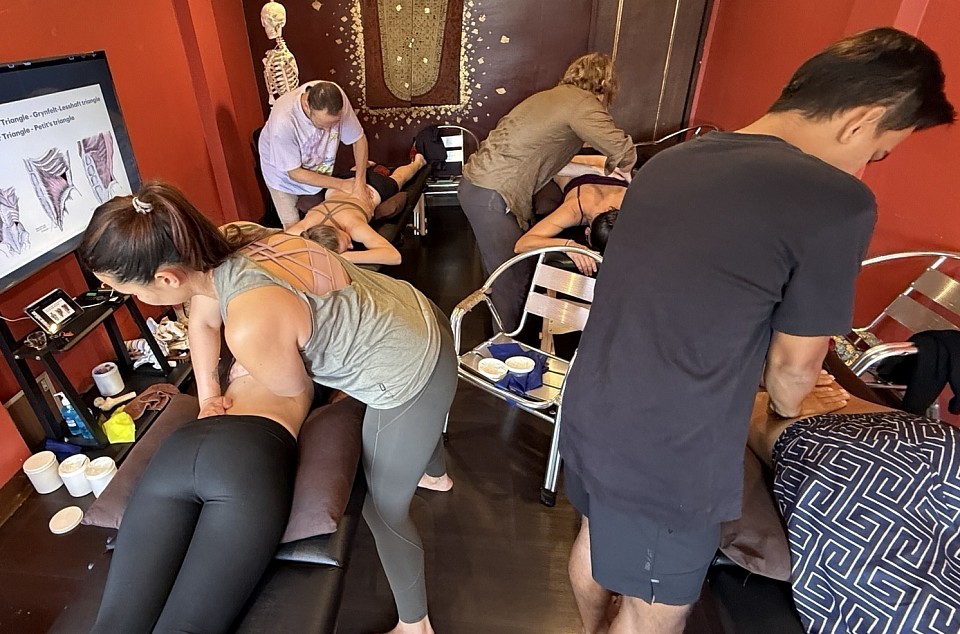
Deep Tissue Massage for posture correction
The Physiological Mechanics of Damage and Repair
I emphasize to students in RSM's Sports Massage Course that recovery is a biological necessity, not a luxury. When an athlete trains, they are technically injuring themselves. High-intensity load causes micro-trauma to the myofibrils, specifically damaging the sarcomeres. This damage is the catalyst for growth, but without intervention, it does not resolve efficiently.
The pain felt days after exertion, known as Delayed Onset Muscle Soreness (DOMS), is often wrongly blamed on lactic acid. In reality, lactic acid clears within an hour. The pain is actually an inflammatory response to micro-trauma. The body releases chemical irritants that sensitize nociceptors, leading to swelling and a hypoxic environment. If we do not address this, the body lays down disorganized collagen, creating adhesions that limit flexibility. The goal of therapy is to mechanically intervene in this cycle, restoring homeostasis and preventing chronic fibrosis.
How Sports Massage Influences the Recovery Process
Manual therapy initiates specific mechanical and neural responses. Clinically, we apply compressive forces to create a pumping effect. This mimics the muscle pump mechanism, vital for venous return and lymphatic drainage. By manipulating the soft tissue, we force stagnant metabolic waste out of the interstitial spaces and into the lymph vessels.
Once waste is evacuated, oxygenated blood perfuses the area, shifting the cellular environment from catabolic to anabolic. Neurologically, sports massage stimulates the parasympathetic nervous system. Intense training creates high sympathetic tone (fight or flight), which inhibits repair. Through rhythmic stimulation, we increase vagal tone, lower cortisol, and allow the body to prioritize regeneration. In my experience, athletes receiving regular massages show a faster return to baseline heart rate variability.
Differentiating Deep Tissue and Sports-Specific Approaches
A common misconception is that effective therapy must be painful. Novice therapists often believe they must use maximum force, but this is a flaw in logic. While deep tissue work accesses lower anatomical layers, it is often inappropriate for immediate recovery.
Deep tissue techniques focus on separating fibers to release chronic tension. However, if applied immediately after a marathon, deep tissue can be detrimental. The tissue is already inflamed; aggressive manipulation exacerbates trauma and triggers “protective tension.”
In contrast, a sports massage approach adapts to the timeline. A post-event massage focuses on flushing and sedation, not structural remodeling. We aim to facilitate fluid exchange and down-regulate the nervous system. Understanding this distinction, and knowing when to use broad strokes versus deep friction, is what defines a true sports medicine specialist.
Essential Massage Techniques for Recovery
To manage muscle soreness and expedite healing, a therapist must use massage techniques with specific intent.
Effleurage involves long, gliding strokes following the direction of venous return. This is critical for moving lymph, which relies on external pressure to navigate the lymphatic valves. Effleurage reduces edema and clears inflammatory byproducts.
Petrissage involves kneading and lifting the belly of the muscle. This creates a vacuum effect: compression forces blood out, and release draws fresh blood in. This “milking” action reduces congestion and resets muscle spindles, reducing hypertonic resting tone.
For localized restrictions, we use friction. This applies pressure across the grain to break down adhesions between fascial layers, restoring glide and mobility.
Post-Workout Massage Timing and Frequency
Timing is critical. A post-workout massage delivered 30 minutes after training impacts the physiology differently than one delivered 48 hours later.
I recommend a specific window for post-workout recovery: 2 to 6 hours post-exertion. During this time, the system transitions from performance to recovery. A circulatory-focused session here clears metabolic waste before it settles.
If the athlete waits 24 to 48 hours, DOMS has likely set in. The focus then shifts to alleviate muscle tension developed as compensation for soreness. For example, a runner with sore calves may alter their gait, causing hip tightness. At this stage, we address both the primary pain and the compensatory pattern.
Consistency yields the best results. While a single session offers relief, regular treatment creates cumulative benefits. For professional athletes, we schedule two to three short sessions per week. For amateurs, one session every week or two is sufficient to maintain tissue elasticity.
Adaptation: The Aging Client vs. The Youth Competitor
At RSM, we treat the human frame, not just the sport. A 16-year-old gymnast and a 50-year-old triathlete have vastly different needs.
Youth athletes possess hydrated fascia and compliant muscles. For them, massage serves as education for body awareness and injury prevention. We focus on maintaining flexibility and correcting biomechanics.
Conversely, aging competitors face sarcopenia and reduced collagen elasticity. Their recovery times lengthen as vascular efficiency drops. For these clients, therapy is a requirement. We use heat and gradual warming strokes to mobilize stiff areas without forcing through the restrictions. We pay close attention to tendon attachments, which are prone to tendinopathy in masters sports.
Integrating Recovery Sports Protocols at RSM International Academy
We do not view recovery sports protocols in isolation. We teach students to analyze the kinetic chain. When a client presents with hamstring tightness, an RSM graduate looks at pelvic tilt and ankle mobility.
We utilize comprehensive assessments. If an athlete has restricted ankle dorsiflexion, impact forces transfer up to the knee and hip. Massage on the hip fails if the ankle remains immobile. Therefore, our protocols include mobilizing peripheral joints to ensure the entire system functions efficiently.
We also integrate active recovery. We may use Proprioceptive Neuromuscular Facilitation (PNF), asking the client to contract against resistance. This recruits the nervous system, teaching the brain to accept a new range of motion. Massage opens a window of opportunity where tissue is pliable; active protocols utilize that window for long-term correction.
The Role of Fascia and Psychology
We must understand fascia – the tension-transmitting network enveloping every fiber. Overtraining dehydrates fascia, causing layers to adhere. This friction acts like a parking brake on performance. Sports massage restores the fluid state of fascia (thixotropy), reducing the energy cost of movement.
Psychologically, recovery is equally vital. High-level training creates cognitive load. Massage therapy releases oxytocin and serotonin, combating mental fatigue. Furthermore, it improves proprioception. By identifying areas of tension the client was unaware of, we empower them to adjust their form, preventing future injury.
The Future of Recovery Modalities
Sports medicine is moving away from “no pain, no gain” toward a science-based understanding of physiology. Research validates that manual therapy reduces inflammatory cytokines and promotes mitochondrial biogenesis, helping muscles adapt to training at a cellular level.
While tools like percussion guns are popular, they cannot replace skilled hands. A machine cannot palpate texture or adjust to autonomic responses. At RSM, we combine these technologies with the art of palpation.
Whether for a gold medalist or a weekend warrior, the principles remain: respect the anatomy and facilitate healing. By viewing recovery through this clinical lens, we elevate the standard of care, moving beyond relaxation into true physiological restoration. This is the core philosophy of our academy.
Remedial Massage vs Relaxation Massage: What Students Need to Know
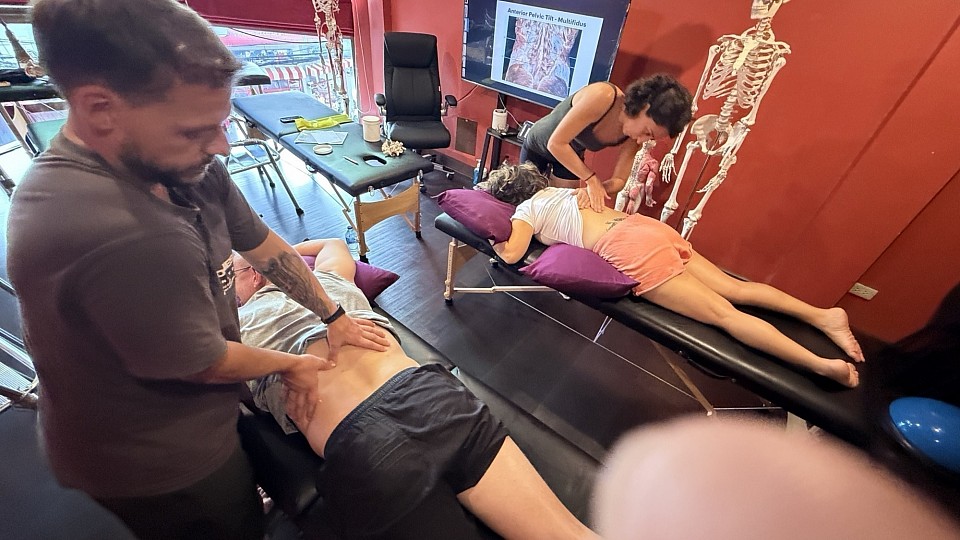
Remedial Massage Course
Defining the Scope of a Remedial Massage Treatment
Massage therapy terminology often creates confusion. A common misconception is that the difference in modalities lies in pressure; people assume one is “hard” and another is “soft.” This is factually incorrect. The distinction is not about force. It is about intention, assessment, and the physiological outcome we aim to achieve.
When I established the Remedial Massage Course at RSM in Chiang Mai, my goal was to bridge the gap between spa-style treatments and clinical sports medicine. Remedial massage is strictly outcome-based. It requires a specific assessment of the musculoskeletal system to identify dysfunction. Conversely, relaxation massage focuses on global systemic downregulation. Both have value, but they operate on different physiological mechanisms.
A remedial approach begins before the client even lies on the table. We observe their gait and posture. For instance, if a client presents with chronic lower back pain, a remedial therapist does not simply rub the lumbar area. We look for the root cause. Often, tight hip flexors inhibit the gluteal muscles, forcing the lower back to overwork. By treating the hips rather than just the back, we resolve the biomechanical error. This clinical reasoning is the hallmark of remedial massage.
The Goals of Relaxation Massage and Nervous System Regulation
While remedial work targets specific tissues, relaxation massage targets the nervous system. In modern society, the “fight or flight” response is chronically overactive. This state floods the bloodstream with stress hormones. Over time, this leads to systemic inflammation and poor sleep.
The primary objective here is to stimulate the parasympathetic nervous system. We use long, rhythmic strokes to signal safety to the brain. As a result, the heart rate slows, and the body shifts into a “rest and digest” state. This is not merely a luxury. By inducing this state of deep rest, relaxation therapies allow the body to prioritize cellular repair. At RSM, we teach students that this prepares the body for healing, but it does not correct structural misalignments. That is where the distinction becomes critical for a massage therapist.
How a Massage Therapist Addresses Pain and Dysfunction
Pain is a complex signal. It does not always originate where it is felt. This phenomenon, known as referred pain, confuses many novice therapists. A skilled therapist must understand neuroanatomy to trace these signals back to their source.
Consider a client complaining of a headache behind the eye. A relaxation approach might soothe the scalp for temporary relief. However, a remedial assessment might reveal that the pain originates from a trigger point in the neck. The pain behind the eye is merely a satellite referral pattern. To stop the headache, the massage therapist must deactivate the trigger point in the neck. We emphasize this at RSM because understanding the “why” is as important as the “how.”
Distinct Remedial Strategies for the Body
Remedial therapy utilizes techniques such as deep tissue massage and myofascial release. These modalities apply force to specific tissue barriers. The goal is to create a local inflammatory response or to manually separate stuck fibers.
I often explain to my students that remedial work is about restoring range of motion. If a shoulder joint is adhesive, we physically alter the tissue state. This can be uncomfortable for the client. It requires active participation, such as breathing through the pressure or moving a limb during the treatment. Unlike the passive nature of a relaxation session, remedial sessions are dynamic. We do not treat the whole body; we treat the problem.
Physiology and Techniques in Manual Therapy
The body responds to touch through mechanotransduction, converting mechanical stimulus into chemical activity. In a relaxation context, the stimulus is gentle and rhythmic. This lowers muscle tonus globally. Gentle traction elongates superficial fascia, allowing hydration to return to the tissues.
However, this approach rarely fixes chronic fibrosis (scar tissue). Gentle strokes glide over adhesions without breaking them. To remodel tissue structure, we need different techniques that apply load and shear force. This is where we transition from relaxation concepts to remedial strategies.
Misconceptions About Pressure in Remedial Massage
There is a dangerous myth that remedial massage must be excruciatingly painful to be effective. This is false. Excessive pain causes “guarding.” If a client tenses up against the therapist’s hand, the treatment fails. The muscle becomes harder, not softer.
Effective remedial work operates at the “therapeutic edge.” This is the boundary where the client feels the work being done but can still breathe deeply. Similarly, relaxation massage does not have to be feather-light. A firm, broad pressure can be incredibly relaxing if the rhythm is slow. Speed and intent define the category, not just pressure.
Integrating Modalities in Massage Therapy
While we separate these definitions for clarity, in practice, they often overlap. A session might begin with relaxation techniques to warm the tissue, transition to remedial work to address a specific knot, and conclude with flushing strokes.
This integration is why massage therapy is an art form. It requires intuition backed by science. At RSM, we provide the scientific scaffold: anatomy, physiology, and biomechanics. We also incorporate hydrotherapy concepts; heat softens fascia before deep work, while cold reduces inflammation.
We must also consider the lymphatic system. Relaxation strokes encourage lymphatic flow, reducing swelling. Remedial pressure, if too deep, can collapse lymphatic vessels. Therefore, if a client has significant swelling, we prioritize gentle drainage over deep tissue work.
Your Path at RSM
Whether your interest lies in the soothing rhythm of relaxation or the problem-solving nature of remedial work, the foundation is the same: a deep respect for the human body. At RSM International Academy, we provide the knowledge base for you to excel in either direction.
Graduates of RSM find themselves equipped for diverse career paths, from spa environments to medical clinics. Those who excel in relaxation focus on ambiance and flow. Those who lean towards remedial work focus on measurable progress and often prescribe exercise to support the treatment.
By understanding the mechanics of remedial intervention and the physiology of relaxation, you become more than a masseur. You become a facilitator of wellness. If you seek to resolve a biomechanical fault or chronic pain, remedial is your solution. If you seek to escape stress, relaxation is your care. At RSM, we teach you to master both.
Analyzing the Effects of Myofascial Release on Flexibility
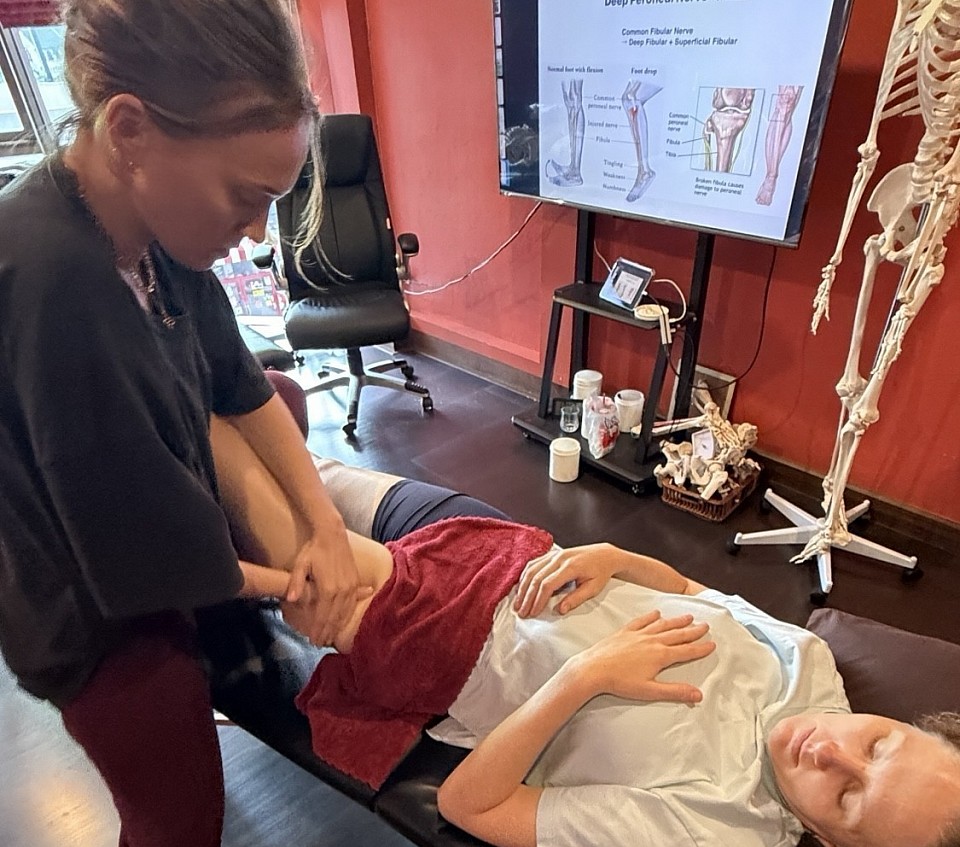
Dynamic Myofascial Release Course
The Science of Myofascial Gliding and Tissue Mechanics
In RSM's Myofascial Release Course, we challenge conventional therapy: muscle length is rarely the primary limiting factor in movement. When a client struggles with range of motion, the industry standard is to prescribe static stretching. However, in my experience, the restriction is frequently a loss of myofascial gliding between muscle compartments, not a shortening of the sarcomeres.
The fascial system is a continuous, viscoelastic transmission system. Under healthy conditions, fascial layers slide over one another with minimal friction, lubricated by hyaluronic acid. When this hyaluronan becomes viscous due to lack of movement or inflammation, the layers adhere. This prevents the deep fascia from gliding independently of the muscle.
As a result, the restriction a client feels is a loss of shear plane mobility. Applying force to lengthen the fibers without addressing these stuck interfaces is ineffective; it forces the tissue to stretch at its weakest point. Myofascial release targets these densified areas by applying shearing force. This mechanical input generates heat, reducing the viscosity of the ground substance and restoring the slide. This mechanism is the foundation of true mobility.
Differentiating Muscle Stiffness from Densification
A major hurdle in treatment is the client’s vocabulary. Clients often complain of general muscle stiffness, assuming their tissues are “tight” from exertion. Clinically, we must distinguish between hypertonicity and fascial densification.
Hypertonicity is neurological; an upregulation of neural drive keeping the muscle contracted. Densification, conversely, is a structural change where collagen fibers become crowded and the ground substance turns to glue. Treating densification with relaxation techniques yields poor results. You cannot “relax” a densified tissue; you must mechanically separate it.
If a therapist misinterprets muscle stiffness as a need for relaxation rather than mechanical separation, the relief will be temporary. At RSM, we teach students to palpate the difference. Myofascial release is superior here because it provides the specific shear forces needed to break down hyaluronan aggregation, whereas standard massage often glides over the surface.
The Neurological Impact on Flexibility
While mechanics are crucial, the nervous system acts as the ultimate governor of flexibility. The brain regulates how far a joint will move via mechanoreceptors. When a therapist applies rapid force, muscle spindles detect a threat and trigger a reflexive contraction, the myotatic reflex.
Myofascial therapies operate differently. They stimulate interstitial receptors and Ruffini endings, which are sensitive to slow, tangential shear. When stimulated, they downregulate sympathetic tone, communicating safety to the central nervous system. This allows the brain to lower global muscle tone and grant access to a greater range of motion.
Therefore, the effects of our therapy are dual-layered: we mechanically break up cross-links and neurologically reset the resting tension. If we do not address this neural input, any muscle flexibility gains will be short-lived.
Manual Therapy vs. Self-Myofascial Release
The fitness industry has popularized self-myofascial release (SMR) tools like foam rollers. While useful, it is vital to understand their limitations compared to skilled bodywork.
Foam rolling primarily applies compressive force. This helps hydrate tissue through a “sponge effect” and provides novel sensory input. However, compression is poor at resolving sliding restrictions. To separate adhered layers, you need shear force in motion parallel to the fibers. A foam roller cannot easily hook the skin to create this shear.
Specific release technique requires the tactile sensitivity to anchor a fascial septum while the client moves. This “pin and stretch” mechanic creates the necessary separation to break densifications. While we encourage clients to use SMR for maintenance, effective myofascial release requires angles of pressure and specificity that a floor tool simply cannot replicate.
Integrating Therapies with Active Loading
A common failure in massage is passivity. At RSM, we believe therapies must be integrated with movement. Once we restore the potential for gliding, the neuromuscular system must utilize that range immediately to retain it.
We employ a “Release, then Load” strategy. After releasing a restriction, the client should perform eccentric stretching exercises or loading drills. This signals fibroblasts to lay down new collagen along the lines of stress, preventing chaotic re-adhesion.
This integration is critical for performance. An athlete needs compliant, reactive tissues, not just loose ones. We also look at the trunk. If the core lacks strength or stability, the brain will tighten the hips to compensate. By combining release work with movement therapies that challenge balance and motor control, we ensure the brain trusts the new range of motion.
Conclusion: The RSM Clinical Standard
Our curriculum differs from standard schools because we view the body as a tensegrity structure. Whether addressing hamstring flexibility or shoulder dysfunction, our students analyze the chain of causality.
By combining detailed anatomy with precise mfr technique, we produce therapists who are clinical problem solvers. We move beyond simple “rubbing” to interact with the living matrix of the fascia. This understanding of gliding mechanics and neural control allows us to achieve lasting results, defining the standard of care at RSM International Academy.
Key Mechanisms of Action
- Hyaluronic Acid Liquefaction: Heat and friction from myofascial release reduce the viscosity of hyaluronan, allowing fascial layers to slide.
- Neurological Reset: Stimulation of Ruffini endings lowers sympathetic tone, reducing the acute effects of muscle guarding.
- Mechanical Separation: Shearing forces break down collagen cross-links in densified tissue, distinct from treating muscle stiffness.
Case Studies in Orthopedic Massage Therapy
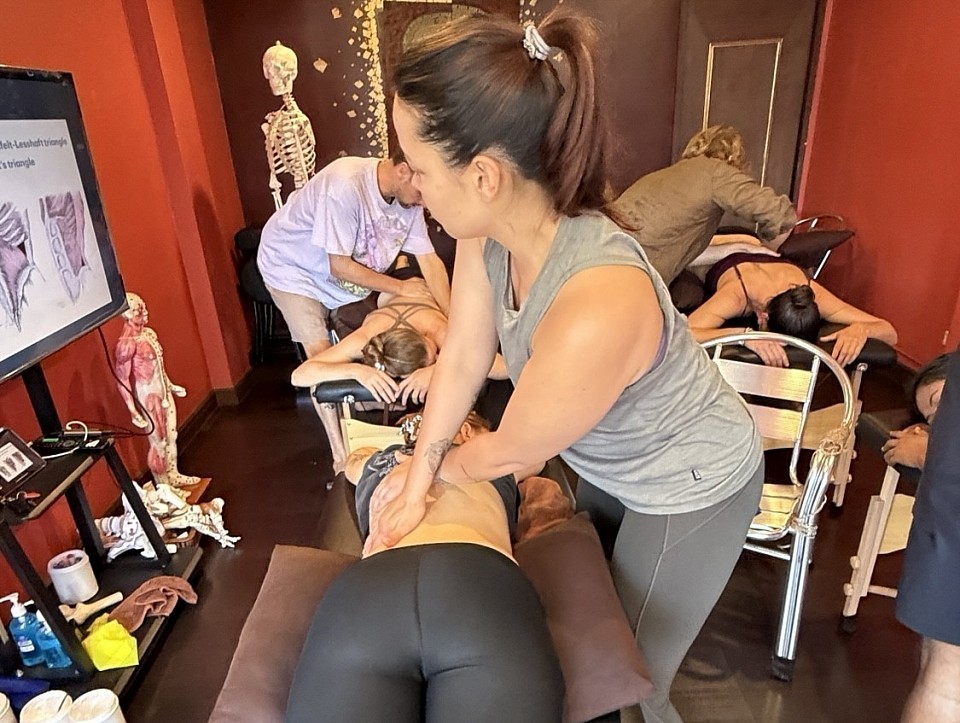
Orthopedic Massage Course
The Difference Between Relief and Resolution
In the field of bodywork, there is a distinct line between relaxation and remediation. Clients suffering from complex musculoskeletal issues do not need a generic rub; they require a calculated, anatomical intervention. At RSM International Academy, we emphasize that successful outcomes rely on clinical reasoning, not just intuition. To understand the true potential of our trade, we must look at the evidence.
I frequently tell students in our Orthopedic Massage Course that pain is deceptive. Where it hurts is rarely where the problem originates. When we examine published clinical reports, we see this principle confirmed repeatedly. By analyzing specific patient scenarios, we can better understand the mechanisms of recovery and the necessity of a global treatment approach.
Treating Chronic Low Back Pain in the Clinic
Lower back pain is perhaps the most common complaint in any orthopedic setting. However, it is rarely simple. A compelling case study published in 2016 details the treatment of a 63-year-old male presenting with a “perfect storm” of pathologies: osteoarthritis, scoliosis, spinal stenosis, and degenerative disc disease [1].
This complexity mirrors what we see in practice. A client rarely presents with just “tight muscles.” They present with structural degradation and compensatory tension. In this scenario, the patient’s goal was to reduce his reliance on Percocet. The massage therapist administered four massage treatments over a 20-day period. The protocol was not a standardized routine but a focused intervention addressing the lumbar region and compensating structures.
The Results:
- Improvement was noted in 9 out of 10 measurements on the Oswestry disability index.
- The patient reported a significant decrease in pain level.
- Functionally, he regained the ability to ride his bicycle.
This case highlights a critical concept: even when structural issues like stenosis are permanent, the soft tissue component is modifiable. The chronic low-back stiffness was exacerbating the structural pain. By releasing the hypertonic muscles supporting the distorted spine, the therapist reduced the compressive load [1].
Massage Therapy for Patellofemoral Pain and Results
The knee is a slave to the hip and the foot. When I assess knee pain, I rarely look at the knee first. I look at the muscles and fascia around the femur and the tibia. A 2008 report illustrates this chain reaction perfectly, following a patient suffering from Patellofemoral Pain Syndrome (PFPS) after an ACL reconstruction [2].
Post-surgical cases are challenging because the tissue is dealing with trauma, scar tissue, and atrophy simultaneously. This patient developed a flexion contracture in the hamstrings and significant weakness in the quadriceps. Mechanically, the tight hamstrings prevented full extension, while the weak quadriceps failed to track the patella correctly. This led to grinding pain behind the kneecap.
The massage protocol utilized in this report involved lymphatic drainage, myofascial release to lengthen the hamstring contracture, and cross-fiber friction on the retinaculum [2]. The outcome was definitive. The patient experienced a measurable decrease in pain and an increase in range of motion. By lengthening the posterior chain, the therapist allowed the knee to extend fully, reducing the pressure on the patellofemoral joint.
Targeted Treatment for Shoulder Impingement
Shoulder pain, particularly Subacromial Impingement Syndrome, is notoriously difficult to resolve. Traditional physical therapy often focuses heavily on strengthening the rotator cuff. While strength is vital, it cannot overcome a joint that is being pulled out of centration by tight internal rotators.
A randomized controlled study investigated the role of the Teres Major muscle in shoulder impingement [3]. The research compared patients receiving standard exercises against a group receiving exercises plus manual therapy sessions targeting the Teres Major.
The Teres Major attaches to the scapula and humerus. When it is short, it prevents the scapula from upwardly rotating during arm elevation, causing the humerus to jam into the acromion. The findings were significant: the group receiving manual treatment on the Teres Major showed statistically better improvement in Range of Motion and pain reduction [3]. This supports the RSM philosophy: you cannot strengthen a dysfunction. You must restore the scapulohumeral rhythm first.
The Role of the Massage Therapist in Orthopedics
These reports confirm that our role extends far beyond stress reduction. We are mechanics of the human frame. Whether dealing with back issues or chronic joint restrictions, the efficacy of the intervention depends on the accuracy of the assessment.
To achieve these kinds of results, a therapist must adopt a rigorous approach.
- Assessment: Identify the “Driver” of the pain (e.g., the Teres Major causing the impingement).
- Differentiation: Distinguish between a joint problem and a soft tissue problem.
- Execution: Apply the correct technique to the specific structure.
At RSM, we are dedicated to elevating the standard of therapeutic massage. We do not teach students to memorize routines; we teach them to think like clinicians. If you are ready to move beyond basic relaxation and enter the world of orthopedic therapy, the evidence suggests that the path lies in advanced education and clinical application. The symptoms may vary, but the solution is always found in the details.
References
1)Allen, L. (2016). Case Study: The Use of Massage Therapy to Relieve Chronic Low-Back Pain. International Journal of Therapeutic Massage & Bodywork, 9(3), 27–30. https://pmc.ncbi.nlm.nih.gov/articles/PMC5017818/
2)Zalta, J. (2008). Orthopedic Massage Protocol for Post ACL Reconstruction Patellofemoral Pain Syndrome. International Journal of Therapeutic Massage & Bodywork, 1(2), 11–21. https://ijtmb.org/index.php/ijtmb/article/view/22
3)Barra-López, M.E., et al. (2016). Functional Massage of the Teres Major Muscle in Patients With Subacromial Impingement Syndrome: A Randomized Controlled Case Series Study. International Journal of Medical and Pharmaceutical Case Reports, 8(1), 1–10. https://journalijmpcr.com/index.php/IJMPCR/article/view/72
A Clinical Approach to Massage Training in Thailand
Sports medicine massage course
Thailand is universally recognized as a sanctuary for wellness. Every year, thousands travel here to learn from the country’s rich therapeutic heritage. While most arrive seeking traditional cultural modalities, there is a rising demand for clinical massage training. RSM International Academy, our massage school in Thailand, offers a science-based alternative for those prioritizing sports medicine over cultural relaxation.
Distinctions From Traditional Thai Massage
We cannot discuss bodywork in this region without respecting Thai massage. This modality, based on energy lines and assisted stretches, is central to Thai culture. However, RSM does not teach Thai massage. Our curriculum is distinct, and anchored entirely in sports medicine and functional anatomy.
In many Thai schools, students memorize sequences to clear energy blockages. In contrast, our training relies on causal logic. We might trace a tension headache not to an energy line, but to scapular dyskinesis. If the Lower Trapezius fails to stabilize the scapula, the Levator Scapulae compensates, referring pain to the head. We do not just press a point; we rehabilitate the firing pattern. This distinction is vital. Students seeking “Nuad Thai“ should attend a traditional Thai school. Those wanting to treat orthopedic conditions will find their home at RSM.
Our Philosophy as a Specialist Training Center
As a specialized training center, we operate with the rigour of a clinic. Founded by Hironori Ikeda, MSc Sports Medicine, the academy integrates medical diagnosis with manual therapy.
In my role as founder, I often meet therapists who lack the confidence to treat complex pain. They know how to massage, but not why the tissue reacts. Massage education must answer the “why.” When a client presents with lateral knee pain, a superficial rub is insufficient. I teach my students to look at the kinetic chain:
- Is pelvic anterior tilt internally rotating the femur?
- Is foot pronation driving tibial rotation?
This analysis transforms a simple massage into a remedial treatment. If you treat the knee without addressing the hip mechanics, the tension returns. This is why standard Thai massage techniques often fail to resolve chronic biomechanical issues.
The Standard of Clinical Training
The courses at RSM, from Deep Tissue Massage and Myofascial Release to Remedial and Sports Massage, bridge the gap between relaxation and physiotherapy. Training here requires understanding the body as a tensegrity structure.
Consider the “Deep Front Line.” In a Thai context, abdominal work releases “wind.” In our courses, we treat the psoas to correct lumbar hyper-lordosis. If the psoas is hypertonic, it inhibits the gluteus maximus, causing back pain. By releasing the psoas and firing the glutes, we fix the structure.
Teachers at RSM are clinicians who demonstrate these mechanisms daily. Living in Thai society offers a beautiful backdrop, but our classroom standards are international. If your goal is to work in a medical team or with athletes, you need more than a traditional certificate. You need a massage school that teaches you to solve problems. That is the RSM standard.
