RSM Blog: Sports Medicine and Massage Insights
Choosing a Sports Massage Specialization for Your Career

Sports Medicine Massage Course
Why Massage Therapy Requires Focus
I founded RSM International Academy with a distinct mission: to elevate the standard of manual therapy education. The human musculoskeletal system is too complex for a generalized approach to be effective in treating chronic pain or injury. Consequently, massage therapy must be viewed as a discipline rooted in functional anatomy and biomechanics.
Many aspiring therapists fall into the trap of becoming generalists. Without a clear focus, a therapist often struggles to provide the targeted relief that clients with specific pathologies require. To truly succeed and make a tangible impact on a client’s health, one must choose a path. The decision to select a distinct area of expertise is the defining moment in a professional journey. At RSM, we believe that choosing to specialize is not optional; it is essential for clinical efficacy.
The Role of Sports Massage in Modern Health
The landscape of wellness is shifting. The demand for sports massage has expanded significantly, moving beyond the exclusive domain of elite competitors. Today, general populations suffering from postural deviations, “tech neck,” and repetitive strain injuries turn to sports specialists for solutions. This evolution has solidified sports massage as a fundamental component of modern health maintenance for everyone, not just athletes.
In the Sports Massage Course at RSM, students learn that sports massage is about understanding the kinetic chain. Pain in the lower back, for instance, is often a result of tightness in the hamstrings rather than a local issue. A therapist with general training might only treat the symptom. In contrast, a therapist with specialized training in sports modalities will assess the global mechanics of the body. This level of clinical reasoning distinguishes a true professional from a hobbyist.
How to Specialize in Clinical Rehabilitation
Once you recognize the baseline value of massage, the next logical step is to specialize in clinical rehabilitation. This sector requires a rigorous understanding of pathology. Clinical settings demand that massage therapists possess the ability to communicate effectively with medical professionals, such as physiotherapists and orthopedic surgeons.
Specifically, we differentiate between routine maintenance massage and Remedial Massage. Remedial work focuses on resolving specific dysfunctions, such as Frozen Shoulder or Sciatica. To succeed in this niche, one must master detailed palpation skills. You must be able to distinguish between hypertonic muscle tissue and fibrotic adhesions. This sensitivity is difficult to learn from a textbook; it requires extensive hands-on training under expert supervision. As a result, massage therapists who master these clinical skills become indispensable, often securing a more stable and lucrative career.
Defining Your Path in Sports Therapy
There is a distinct difference between sports massage and sports therapy. While sports massage often focuses on pre-event preparation and post-event recovery, sports therapy encompasses a broader spectrum of injury management. For students deciding on their future, it is vital to understand where your passion lies.
Therapeutic massage serves as the foundation for both, but the application differs. In a sports therapy context, you might integrate massage with Proprioceptive Neuromuscular Facilitation (PNF) stretching or corrective exercise protocols. My background in sports medicine influences how we teach these concepts. We emphasize that massage is a tool for correction. If a client suffers from medial tibial stress syndrome, a sports therapy approach involves releasing the deep posterior compartment while simultaneously addressing gait mechanics.
The Importance of Advanced Massage Techniques
To execute these treatments effectively, a therapist must command a repertoire of advanced massage techniques. Standard Swedish strokes are insufficient for breaking down scar tissue or releasing deep fascial restrictions. Therefore, we prioritize modalities like Deep Tissue Massage, Trigger Point Therapy, and Dynamic Myofascial Release.
Deep Tissue Massage, when taught correctly, is not about applying brute force. It is about sinking through superficial layers to access deeper musculature safely. Without precise anatomical knowledge, deep pressure can be harmful. This is why training at RSM includes rigorous study of functional anatomy. Uniquely, we offer students the opportunity to participate in Cadaver Clinical Palpation training in collaboration with the Faculty of Medicine at Chiang Mai University. Seeing the texture of muscles and fascia in a cadaver lab transforms abstract concepts into reality, allowing for a level of medical massage precision that is rare in the industry.
Advancing Your Career Through Training
Building a sustainable career in this industry requires a commitment to lifelong learning. The initial diploma is merely the entry ticket. At RSM, we limit our class sizes to a maximum of seven students to ensure individual attention. In a large massage school, bad habits can easily go unnoticed. In our intimate setting, we correct posture and technique immediately.
Furthermore, credibility is paramount. While a certification board sets the minimum standards, elite training exceeds them. Clients are becoming increasingly educated; they seek massage therapists who can explain the physiological “why” behind the treatment. When graduates can articulate how massage aids venous return or reduces cortisol, they build trust. This trust is the currency of a successful career.
RSM International’s Approach to Massage Education
- Evidence-Based Curriculum: Every technique is grounded in sports medicine principles, focusing on clinical reasoning rather than rote routines.
- Anatomical Precision: Our unique cadaver labs ensure students understand exactly what lies beneath their hands.
- Holistic Integration: We combine massage with posture correction and movement therapy.
- Mentorship: I personally oversee the development of our students, ensuring they leave as confident practitioners.
Final Thoughts on Your Professional Journey
Deciding to focus your energy on a specific modality is the most powerful step you can take. Whether you are drawn to the intensity of sports performance or the intricacies of clinical sports rehabilitation, the key is to seek out training that challenges you. Do not settle for a superficial education. By investing in fully qualified and accredited specialized education, you are securing a future where you can make a profound difference in the lives of your clients. At RSM International Academy in Chiang Mai, we are dedicated to helping you achieve that standard of excellence.
The Role of Massage in Rehabilitation and Recovery
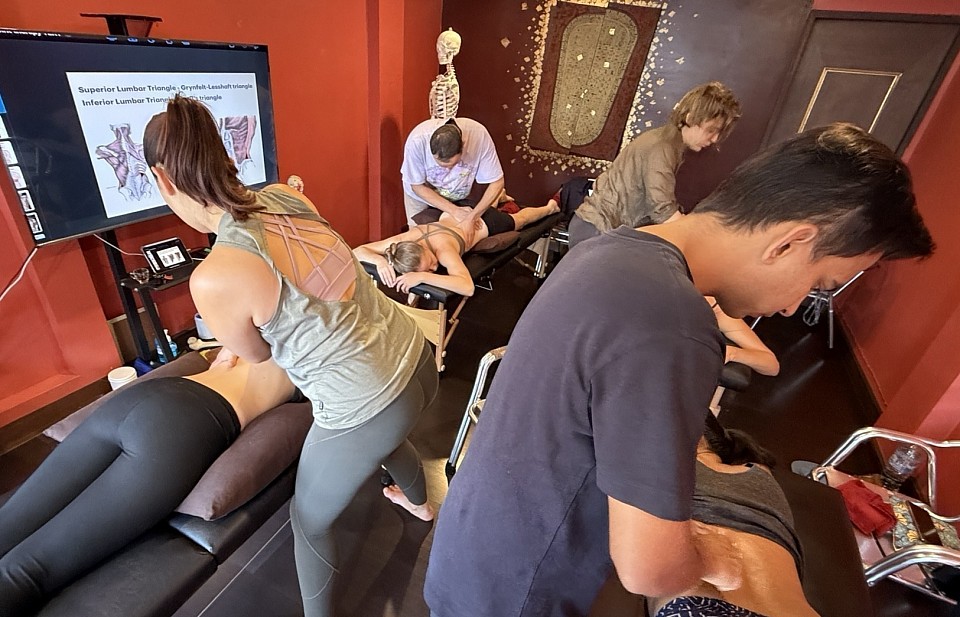
Remedial Massage Course for rehabilitation
At RSM International Academy, we approach bodywork through a strictly clinical lens. While the general public often views massage as a luxury, within sports medicine, it is a critical instrument for restoring function. While teaching RSM’s Remedial Massage Course in Chiang Mai, my objective is to bridge the gap between relaxation and therapeutic necessity. And an understanding of anatomy is key to transforming manual therapy into a potent catalyst for healing.
The Science Behind Massage Therapy and Rehabilitation
Physical trauma disrupts the body’s natural equilibrium. When injuries occur, inflammation protects the area but often leads to stiffness. Massage therapy acts as an external modulator of this process. It does not simply soothe; it mechanically alters the environment of injured tissues.
Massage therapy improves blood flow to the affected area. This circulation delivers oxygen vital for repair while flushing out metabolic waste. As a result, the biological timeline for tissue repair accelerates. Massage therapy can help reduce swelling by manually encouraging the movement of lymph fluid. Therapists use lymphatic drainage techniques to reduce fluid buildup, allowing patients to regain mobility sooner than they would with rest alone.
Accelerating Recovery and Managing Pain
Pain is the primary barrier to effective physical therapy. When a patient hurts, they guard the injury, causing compensatory patterns. Massage therapy is beneficial here because it creates a neurological distraction.
Manual manipulation stimulates mechanoreceptors in the muscles. This input can override pain signals sent to the brain. Consequently, the relief experienced allows for more aggressive physical rehabilitation. We also must address scar tissue. When tissue injuries heal, collagen fibers often form disorganized adhesions. Myofascial release helps realign these fibers. This leads to a functional scar that moves with the muscle. A massage intervention helped numerous patients in our practice avoid long-term stiffness by keeping tissue pliable during the remodeling phase.
Sports Massage in Modern Athletic Care
Athletes operate at the limits of human capability. For them, injury treatment is a race against time. Sports massage differs from standard therapeutic massage by targeting specific muscle groups to prevent repetitive strain.
In high-performance settings, massage therapy provides a competitive edge. It maintains optimal muscle length. Studies suggest that targeted soft tissue work can significantly increase vertical jump and power by reducing internal resistance. Sports medicine professionals rely on these techniques to manage micro-trauma. Recovery massage scheduled between sessions flushes out lactate. Conversely, ignoring this maintenance often leads to overuse injuries.
The Impact on Post-Surgical Patients
Surgery is a controlled trauma. The post-operative phase requires a nuanced approach. The rehabilitation process often involves immobility, causing atrophy. Benefits for surgical patients include:
- Improved Circulation: Speeds up wound healing by enhancing oxygen delivery.
- Adhesion Prevention: Prevents deep internal scarring that restricts movement.
- Pain Management: Triggers endorphin release to reduce reliance on painkillers.
Care during this stage must be coordinated with the surgeon. However, appropriate superficial work can stimulate flow without risking structural integrity.
A Holistic Approach to Injury Treatment
At our academy, a holistic approach means treating the entire kinematic chain. An injury in the knee often stems from hip instability. Treating only the knee is insufficient. Massage therapy allows the therapist to palpate tissue changes across the physical structure to identify the root cause. This leads to a treatment plan that fixes the dysfunction, not just the symptom.
The psychological aspect of recovery is equally significant. Physical trauma causes mental stress, keeping the body in a “fight or flight” state. Massage shifts the body into a parasympathetic state. This leads to an environment conducive to repair.
Whether for exercise recovery or post-operative care, the mechanical support provided by expert hands is irreplaceable. By managing pain, ensuring tissue alignment, and optimizing performance, massage remains a cornerstone of modern rehabilitation.
Myofascial Pain Syndrome Explained from a Sports Medicine Perspective
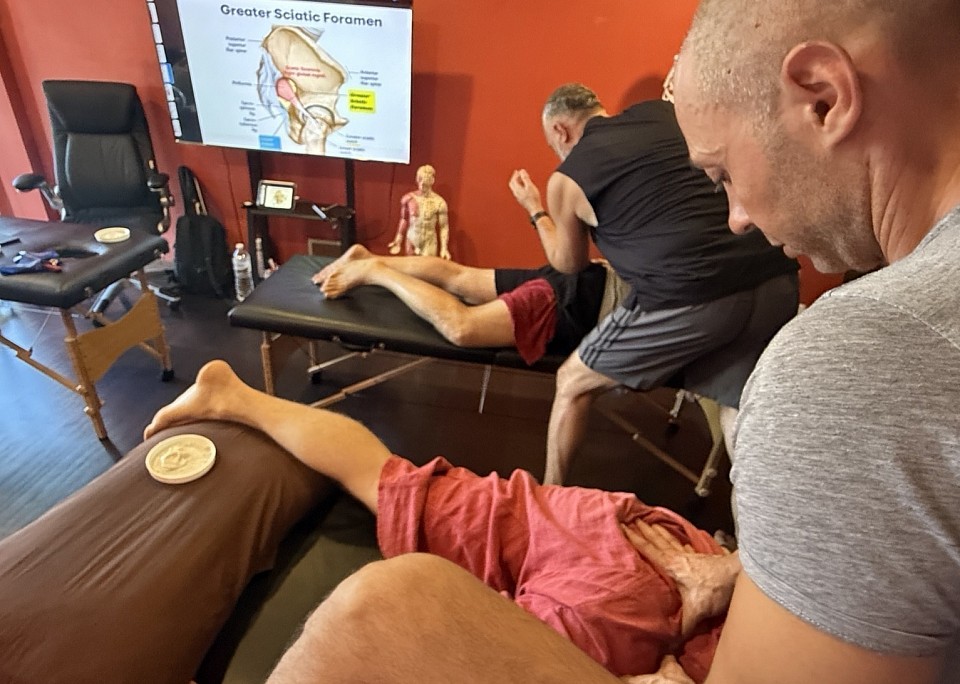
Dynamic Myofascial Release Course
Pain is rarely a simple signal. In my years practicing sports medicine and training therapists at RSM International Academy, I have observed that the site of the pain is frequently not the source of the problem. Patients often arrive pointing to a throbbing shoulder or a burning lower back, convinced they have torn a ligament or damaged a disc. Often, the reality is less structural and more functional. They are dealing with a complex neuromuscular condition. Specifically, they are experiencing myofascial pain syndrome.
This condition is ubiquitous yet frequently misunderstood. It manifests as a deep, aching sensation that persists despite rest and standard interventions. Myofascial pain syndrome is defined by the presence of hypersensitive spots within the muscle, technically termed trigger points. In RSM’s Dynamic Myofascial Release Course, we teach that to understand this pathology, we must look beyond surface-level symptoms and examine the functional mechanics of skeletal muscle.
Defining Myofascial Pain Syndrome
Precision in diagnosis leads to precision in treatment. Myofascial pain syndrome (MPS) is a chronic pain disorder affecting the musculoskeletal system. It differs significantly from the temporary soreness one might feel after a heavy gym session. While delayed onset muscle soreness resolves within days, MPS persists. It is characterized by localized areas of deep tenderness and stiffness that can severely restrict range of motion.
The condition centers on the fascia and the muscle fibers themselves. When these tissues face repetitive stress or trauma, they develop specific hyperirritable spots located within a taut band of muscle. These spots are physiological contractures where muscle fibers have locked into a shortened state.
This contraction restricts local blood flow, creating a localized area of ischemia. Consequently, the tissue starves of oxygen and nutrients, leading to a metabolic crisis. This distress releases chemical substances that sensitize pain receptors, creating a self-perpetuating cycle of myofascial pain.
The Mechanism of Trigger Points
The engine driving this pain syndrome is the trigger point. At RSM International Academy, we teach that effective treatment relies on palpable identification. A trigger point is not a metaphorical “knot.” It is a physical reality. When you palpate the muscle belly, you feel a distinct, rope-like texture – the taut band.
Pressing on this nodule often elicits a “jump sign,” an involuntary reflex where the patient flinches due to the intense sensitivity. The formation of these points occurs at the microscopic level. The sliding filaments within the muscle fiber get stuck in a contracted position, often due to an excessive release of acetylcholine.
The result is a segment of muscle that works continuously, even during sleep. This constant contraction depletes adenosine triphosphate (ATP), the energy molecule required for muscle relaxation. Without ATP, the fibers cannot uncouple, and the metabolic waste accumulates. This chemical soup irritates the surrounding nerves, causing ongoing discomfort.
Understanding Referred Pain
A defining characteristic of MPS that confuses both the patient and the inexperienced doctor is referred pain. This phenomenon occurs when pain is perceived in a part of the body separate from its actual source. The brain misinterprets nociceptive signals, projecting the sensation along shared neural pathways.
For instance, a trigger point in the upper trapezius frequently sends pain signals into the temple, mimicking a tension headache. Similarly, trigger points in the glutes can radiate down the leg, masquerading as sciatica. If a therapist treats only the area where the patient feels pain, the treatment will fail. We must trace the symptoms back to the primary generator.
Recognizing these patterns is a fundamental skill.
- Sternocleidomastoid: Refers to the eye and ear.
- Infraspinatus: Refers deep into the shoulder joint.
- Quadratus Lumborum: Refers to the hip.
Diagnosis and Clinical Assessment
Diagnosing MPS requires a hands-on approach. Standard imaging studies like MRIs or X-rays do not reveal trigger points, often leading to frustration for patients who are told their scans are normal despite their agony.
A skilled clinician relies on palpation to identify the following:
- A tender spot within a taut band.
- Reproduction of the patient’s familiar pain.
- A local twitch response when the band is snapped.
This assessment distinguishes MPS from fibromyalgia. Fibromyalgia is a systemic condition with widespread sensitivity, whereas myofascial pain is regional and originates from specific, palpable nodules.
Treatments for Myofascial Pain
At our center, we advocate for a multimodal approach. Effective treatment requires a combination of manual therapy, mechanical intervention, and movement correction.
Manual Therapy: Techniques like ischemic compression are the cornerstone of care. By applying sustained pressure to the trigger point, we temporarily halt blood flow. Upon release, fresh, oxygenated blood rushes into the tissue, flushing out inflammatory metabolites. Myofascial release further aids in unsticking the connective tissue layers, restoring the slide-and-glide potential of the fascia.
Dry Needling: For deep or stubborn points, dry needling is a powerful modality. This involves inserting a thin needle directly into the trigger point to elicit a twitch response. This reflex rapidly depolarizes the muscle fiber, effectively hitting the “reset button” on the dysfunctional tissue. While the sensation can be intense, the relief from chronic myofascial tightness is often immediate.
Chronic Pain and Sensitization
If left untreated, this condition can become a long-term pain condition. The constant bombardment of pain signals sensitizes the central nervous system. The threshold for feeling pain lowers, meaning stimuli that should be harmless become painful.
This is why we emphasize early intervention. We must interrupt the cycle before it alters neural architecture. A longer-lasting muscle pain requires a comprehensive strategy that addresses not just the tissue, but the nervous system’s interpretation of danger.
The Role of Posture and Biomechanics
Treating the symptom without addressing the cause is futile. Poor ergonomics and repetitive strain are leading contributors to myofascial trigger points. Sitting with a forward head posture places immense strain on the neck muscles, forcing them into a state of semi-contraction.
We analyze the patient’s movement patterns. If the shoulders are rounded or the pelvis is tilted, we must correct these structural deviations. We prescribe corrective exercises to lengthen shortened muscles and strengthen weak ones. This restores balance to the kinetic chain. For example, treating back pain often requires releasing tight chest muscles that are pulling the posture forward.
Patient Education and Self-Care
Information is a vital component of recovery. When a patient understands that their pain stems from a solvable mechanical issue rather than permanent damage, anxiety decreases. We empower patients with self-care tools.
Self-Myofascial Release: Using foam rollers or lacrosse balls allows patients to apply pressure to trigger points at home.
Stretching: Gentle elongation prevents the taut band from reforming.
Heat: Applying heat improves blood flow and relaxes the muscle before stretching.
Consistency is key. A single appointment at a clinic provides relief, but daily maintenance ensures long-term resolution.
Final Thoughts on Management
Myofascial pain syndrome is not a life sentence; it is a functional puzzle. With the right combination of hands-on skill, anatomical knowledge, and patient cooperation, it is highly treatable.
For therapists, mastering the diagnosis and treatment of myofascial pain transforms you from a technician into a true clinician. For patients, understanding the mechanism of your pain is the first step toward reclaiming your movement. At RSM International Academy, we believe that identifying the source, rather than chasing the symptom, is the essence of elite sports medicine.
Exploring Career Paths After Sports Massage Certification
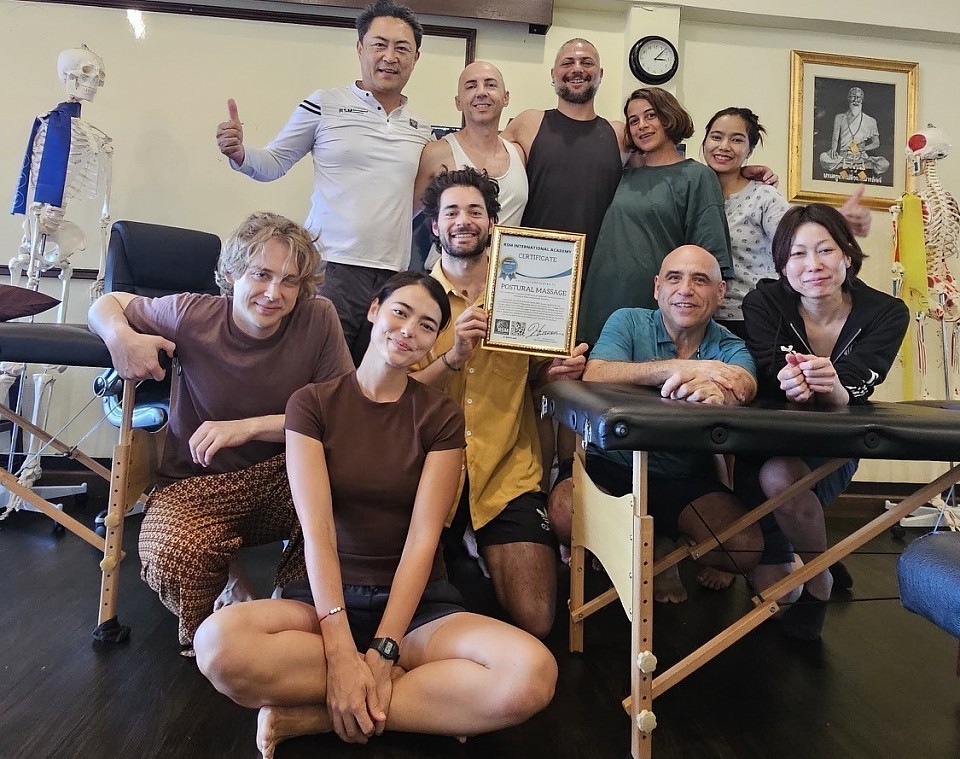
Sports Massage certification chiang mai
The perception of manual therapy has shifted drastically. At RSM International Academy in Chiang Mai, we witness this evolution daily. Students arrive not merely to learn a routine, but to master the mechanics of the human body. The industry no longer limits practitioners to luxury spas. Instead, a rigorous education in sports massage opens doors to high-level performance and clinical rehabilitation.
We founded this school on evidence-based practice. My background in sports medicine dictates the curriculum of RSM’s Sports Massage Course and, consequently, where our graduates go. When you master physiological responses to manipulation, you possess a skill set in high demand across the healthcare spectrum.
The Evolving Role of Massage Therapists
The modern practitioner is a clinician first. While stress reduction is valid, the current market demands functional improvement. Massage therapists are expected to solve problems, such as range-of-motion limitations or chronic pain patterns.
Addressing these issues requires deep pathophysiology knowledge. We teach students to assess tissue quality and apply targeted force to elicit healing. This technical proficiency separates a generalist from a specialist. A specialist does not just rub muscles; they manipulate the neuromuscular system.
This shift changes your professional trajectory. You provide a necessary health service. As a result, the venues where you can apply your trade expand. If you can reduce recovery time for an athlete or alleviate back pain for an office worker, you will find ample work.
Opportunities in Hospitals and Clinical Settings
One of the most rapidly growing sectors is the medical field. Hospitals and medical centers increasingly hire manual therapists to work alongside orthopedic surgeons and pain management specialists. Doctors recognize the value of soft tissue mobilization in post-operative recovery.
In a hospital setting, the work is precise. You might treat a patient recovering from a knee replacement, managing edema without disrupting the surgical site. This requires advanced knowledge of lymphatic drainage and contraindications. The reward is significant: you operate as a vital part of a care team, directly contributing to patient outcomes.
Integration with Physical Therapy
Closely related to hospital work is the collaboration within physical therapy clinics. Physiotherapists often focus on exercise prescription and joint mobilization but lack the time for extensive soft tissue work. This creates a perfect symbiosis.
In this model, the massage therapist handles soft tissue preparation. You release hypertonic muscles that prevent patients from performing corrective exercises. Once the tissue is pliable, the physical therapist takes over. This collaborative approach often yields faster results. Working here exposes you to conditions like rotator cuff tendinopathy and plantar fasciitis, acting as a form of daily continuing education.
The Reality of Sports Massage in Athletics
For many, the dream is working with elite athletes. While this is the core of RSM’s curriculum, the reality of sports differs from the glamour portrayed in media. It is fast-paced and demands exceptional problem-solving.
When working with a team, you are part of a performance unit. The coach needs the player on the field; the trainer needs the athlete to hit metrics. Your job is ensuring the soft tissue health to make that happen.
Pre-event massage must stimulate the nervous system without reducing muscle tone. Post-event work focuses on flushing metabolic waste. Between events, you handle maintenance, breaking down adhesions from repetitive strain. High-level fitness facilities demand therapists who understand biomechanics. If treating a runner, you must understand the impact forces on the posterior chain. We train you to think like a mechanic for the human engine.
Building Success in Private Therapy Clinics
Entrepreneurship represents a significant avenue. Opening your own clinic allows you to define your philosophy. However, running therapy clinics requires business acumen and a clear market position.
In a private setting, you have the freedom to specialize. Specialization builds reputation. Whether focusing on runners or neck pathology, becoming the “go-to” person creates a stable client base.
At RSM, we view practice as a healthcare service. Your intake process should be thorough, and your documentation clinical. Clients return because you explained the source of their pain and resolved it, not just because the environment was relaxing. Successful private practitioners often build referral networks with chiropractors and osteopaths, establishing trust through consistent clinical results.
Defining Your Career Options
The versatility of a sports massage certification means you are not locked into a single trajectory. Career options abound for those dedicated to their craft.
Some graduates combine manual skills with other disciplines, becoming personal trainers or yoga instructors. This hybrid model attracts clients wanting a single point of contact for health and fitness. Others move into education, teaching the next generation. Schools always seek experienced instructors who can articulate complex concepts.
Corporate wellness is another emerging field. Companies hire therapists to provide on-site treatments and ergonomic assessments to reduce costs associated with repetitive strain injuries. This role combines manual therapy with employee education.
How the Work Defines the Professional
Regardless of the setting, this work is physically and mentally demanding. It is a labor of intention. You must listen to the tissue with your hands.
A successful massage therapist protects their greatest asset: their body. Biomechanics are crucial. If you cannot generate force using your core, your career will be short. At RSM, we drill body mechanics relentlessly. Learning to work from your center allows you to treat multiple clients without burnout.
The Importance of Education
The barrier to entry in this industry varies, but the barrier to success is uniform: quality education. A weekend workshop does not prepare you to rehabilitate a torn hamstring.
We emphasize a deep dive into anatomy and kinesiology. You need to know where nerves run to avoid compression. This knowledge gives you confidence. When a client asks about their pain, you provide a physiological explanation. Continuing education is mandatory; to stay relevant, you must stay informed about the latest research in fascia and pain science.
Evaluating the Market
The demand for massage services grows as the population ages and remains active. “Weekend warriors” – amateur athletes in triathlons or CrossFit – treat their bodies like machines. They view massage not as a luxury, but as maintenance.
This shift in consumer behavior drives employment prospects. Furthermore, the medical community’s search for non-pharmacological pain management places massage therapy in a strong position. Insurance providers are increasingly recognizing this value.
Summary of Potential Environments
- Clinical Settings: Aiding post-operative recovery alongside surgeons.
- Rehabilitation: Partnering with physical therapists for functional restoration.
- Professional Athletics: Serving on performance teams to prevent injury.
- Private Practice: specialized business focusing on specific pathologies.
- Corporate Wellness: On-site care to improve employee health.
- Education: Teaching through accredited massage school programs.
The landscape of massage therapy is vast, and the path you choose should align with your temperament and your passion. However, all these paths require the same fuel: excellence in practice and a dedication to the science of the human body.
Common Shiatsu Massage Misconceptions: An Evidence-Based Perspective
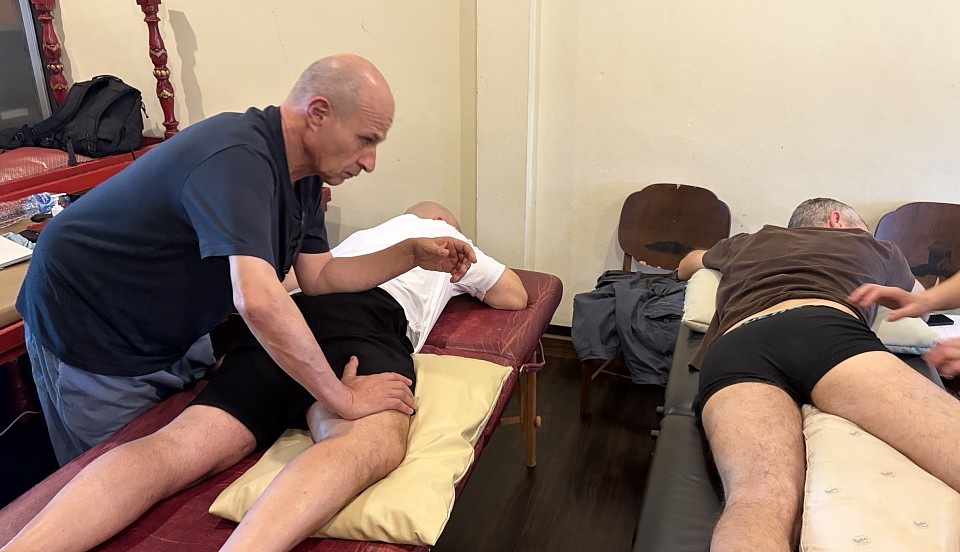
Deep Shiatsu Massage Course
Patients often arrive at our clinic with rigid expectations. They anticipate either a gentle, oil-based spa experience or a punishing session of “deep tissue” work. These expectations stem from a fundamental lack of understanding regarding the physiological aims of clinical manual therapy. In RSM’s Deep Shiatsu Massage Course, we address these inaccuracies. We teach that sports medicine requires precision, not just intensity or relaxation.
To appreciate the true clinical value of this modality, we must dismantle the prevailing myths. Treating Shiatsu as purely recreational undermines its potential to treat orthopedic conditions. I aim to clarify these points using my experience in sports medicine and the anatomical realities of the human frame.
Defining Shiatsu Therapy Within Sports Medicine
Shiatsu is often misclassified alongside general wellness treatments. The term literally translates to “finger pressure,” but the technique is far more sophisticated. It involves using thumbs, palms, and elbows to apply perpendicular pressure to specific points. While traditional texts reference energy channels, modern sports medicine interprets these as neuroanatomical points and trigger points.
Shiatsu therapy is a calculated manipulation of soft tissue. In our curriculum, we emphasize that the practitioner engages with the fascia and the nervous system. Shiatsu is not a passive routine; it is a diagnostic tool. A skilled practitioner reads tissue texture and tension to assess the athlete’s condition. Shiatsu needs to be viewed as a communicative loop between the therapist and the patient’s nervous system. When we strip away esoteric language, we find a potent tool for rehabilitation.
Myth: Effective Treatment Must Be Painful
The “no pain, no gain” mentality plagues the recovery world. Many believe that if a treatment doesn’t hurt, it isn’t working. This is a dangerous fallacy. There is a vast difference between “good pain”—a sensation of release—and the “bad pain” that triggers a defensive response.
Shiatsu is generally not painful when performed correctly. Inflicting sharp pain activates the sympathetic nervous system. As a result, muscles contract to protect the area. If a therapist fights this guarding response, they risk damaging the tissue.
Pressure must be modulated to bypass this defense. Shiatsu practitioners sink their weight gradually, allowing the parasympathetic nervous system to engage. This signals the muscles to relax, allowing for deeper access without trauma. Deep tissue massage is often requested with the assumption of aggressive force, but true depth requires patience. If a patient winces, the treatment is failing.
Myth: Massages Are All the Same
The public often groups all manual therapies together, ignoring mechanical differences. Swedish massage relies on gliding strokes using oil to affect fluid dynamics. Massages are all distinct in their mechanics. Shiatsu styles differ fundamentally because they are typically performed without oil on a fully clothed client.
This absence of lubrication is clinically significant. Without the glide of oil, the therapist can anchor the tissue. This allows for specific shearing forces that are impossible on slippery skin. Shiatsu effects are structural. By fixing a point and applying static pressure, we can mechanically lengthen short fibers.
The Physical Benefits for the Body
Another limiting belief is that manual therapy is for relaxation only. While stress reduction is valuable, clinical massage offers much more. We must shift our perspective to functional restoration.
Massage can help balance the autonomic nervous system, but the effects on the muscles are equally profound. Benefits of consistent Shiatsu include improved joint mobility and the breakdown of scar tissue. Massage therapy acts as a vital component of medical recovery plans. At RSM, we view the body as a kinetic chain. Shiatsu allows us to trace lines of tension to treat the root cause of pain.
Wellness is about maintaining a functional physiological state. Conditions like tension headaches often have somatic origins. By regulating muscle tension, Shiatsu addresses these dysfunctions. It is a form of complementary medicine that works alongside orthopedic care.
Choosing the Right Massage Therapist
Treatment effectiveness depends entirely on the provider’s skill. Shiatsu needs to be administered by someone who understands anatomy. Massage therapists are not interchangeable. A practitioner with superficial training lacks the diagnostic acumen of a sports medicine specialist.
At our clinic, we emphasize that hands-on skill must be backed by theory. If a therapist cannot explain the anatomy they are treating, the effectiveness is compromised. Therapists must also possess the physical conditioning to deliver consistent pressure.
Patients should verify the credentials of their practitioners. Alternative medicine is a broad field, so finding a specialist who understands Western anatomy is essential. Massage myths persist because patients receive substandard care. By understanding what Shiatsu truly is, patients can make informed decisions for their recovery.
The Sports Medicine Based Massage Therapy School in Thailand
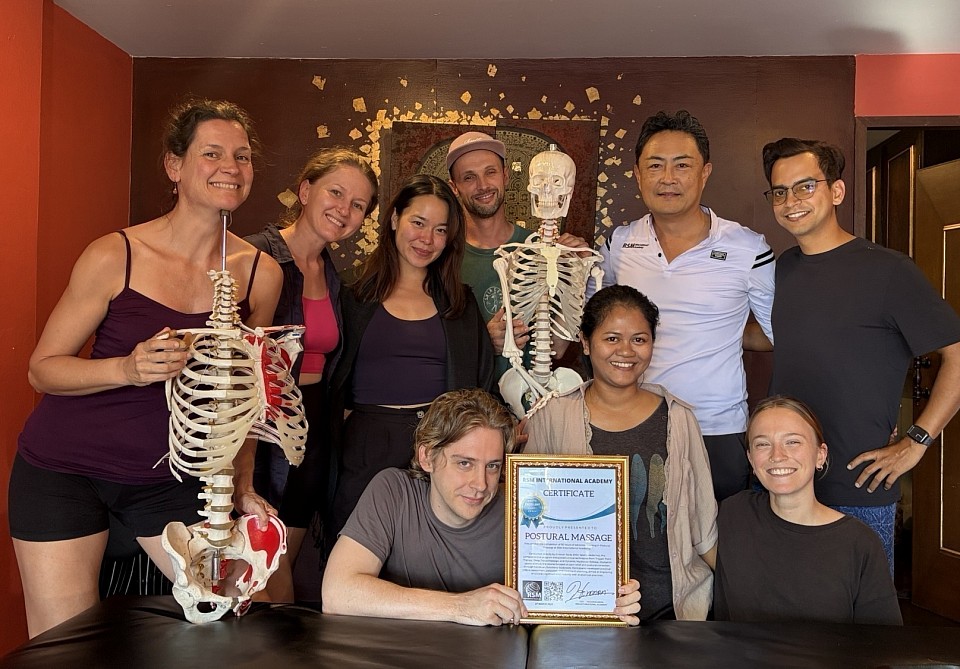
Sports medicine Massage School chiang mai
RSM International Academy is a sports medicine-based massage school located in Chiang Mai, and is distinct from the traditional Thai massage education found elsewhere in Thailand. Our curriculum is rigorous, evidence-based, and designed for health professionals who demand precision in their practice.
Distinguishing Our Approach from a Traditional Thai Massage School
The landscape of bodywork education is vast. A standard traditional Thai massage school generally focuses on energy lines, known locally as “Sen,” and passive stretching sequences. These methods have historical value and cultural significance. However, they often lack the anatomical specificity required to treat chronic pain or complex musculoskeletal disorders effectively.
RSM operates differently. We integrate clinical palpation, functional anatomy, and sports medicine principles into every aspect of our training. Led by Hironori Ikeda, MSc in Sports Medicine, our academy bridges the gap between theoretical medical knowledge and hands-on manual therapy. We do not teach a set routine to be memorized and repeated blindly. Instead, we teach students how to assess the body, identify dysfunctions, and apply the correct technique to restore mobility.
This approach appeals to physiotherapists, sports trainers, and serious massage therapists who require more than just a sequence of movements. Students come here to understand the “why” behind every stroke. Consequently, the learning process at RSM is intensive and logically structured, ensuring that every participant leaves with a higher level of competence than when they arrived.
Core Courses Designed for Clinical Application
Our curriculum is built around three core pillars: Trigger Point Therapy, Deep Tissue Massage, and Dynamic Myofascial Release. These courses are not isolated modules but interconnected systems of pain management.
The Trigger Point Therapy course equips practitioners with the ability to locate active and latent trigger points. Muscle tension often refers pain to distant areas of the body, creating diagnostic confusion for less experienced therapists. By mastering clinical palpation, our students learn to trace pain to its source rather than merely treating the symptoms.
Following this, the Deep Tissue massage course addresses postural correction. Many clients suffer from conditions like anterior pelvic tilt or thoracic kyphosis. These issues cannot be resolved with light pressure or generic relaxation strokes. Our technique involves core-engaged body mechanics, allowing the therapist to deliver deep, sustained pressure without sustaining injury themselves. This is critical for longevity in the field.
The Dynamic Myofascial Release course focuses on the connective tissue that surrounds muscles and joints. Restrictions here can limit range of motion and entrap nerves. By combining release techniques with movement, we restore the glide and slide potential of the tissues.
Here is a breakdown of our primary educational focus areas:
- Pain Relief: Targeting specific neuromuscular dysfunction.
- Posture Correction: Realigning kinetic chains through soft tissue manipulation.
- Rehabilitation: assisting recovery from sports injuries and chronic conditions.
- Clinical Palpation: Developing the tactile sensitivity to detect tissue abnormalities.
Advanced Massage Training in Chiang Mai
Chiang Mai is globally recognized as a hub for wellness education. While many institutions here focus on traditional modalities, RSM stands out as a center for sports medicine. Our facility provides an environment where massage education is treated with the same seriousness as clinical training.
Class sizes are strictly limited to seven participants. This ensures that every student receives direct feedback and guidance. In larger classes, it is easy to hide poor mechanics or incorrect hand placement. At RSM, there is nowhere to hide. We correct errors immediately, preventing bad habits from taking root.
Our program is conducted entirely in English to accommodate an international student base. We utilize high-quality anatomical visuals and models to support the practical work. The goal is to produce therapists who can communicate effectively with medical doctors and other healthcare providers. When a graduate understands the biomechanics of a shoulder impingement, they can discuss treatment plans confidently with other professionals.
Integrating Sports Medicine with Thai Massage Foundations
We recognize that many of our participants may have a background in Thai massage. There is value in the rhythmic compression and mobilization techniques found in Thai bodywork. Thai massage training excels at utilizing leverage and body weight. We respect these foundations.
However, we go beyond them. We apply sports medicine principles to these traditional movements. For instance, a Thai massage stretch might be effective, but if applied to a client with a specific pathology without assessment, it could cause harm. We teach our practitioners how to screen clients safely.
Thai massage often treats the body as a whole energy system. We treat the body as a kinetic chain of muscles, fascia, bones, and nerves. By understanding the anatomy, a therapist can adapt Thai techniques to be more specific and therapeutic. Experience has shown that when practitioners combine the flow of Thai work with the precision of sports medicine, they achieve superior results.
Conversely, a therapist who relies solely on intuition without anatomical knowledge risks injuring their client. We aim to elevate the standard of massage by introducing this layer of medical scrutiny.
A Unique Experience: Cadaver Anatomy and Palpation
One of the most significant advantages of studying at RSM is our partnership with the Faculty of Medicine at Chiang Mai University. We offer a Professional Massage Course that includes hands-on cadaver clinical palpation training.
This is a rare opportunity in the world of massage therapy. Most therapists learn anatomy from 2D books or 3D software. Seeing and touching the actual structures of the human body changes one’s perspective entirely. Participants can see the density of the fascia, the pathway of the sciatic nerve, and the orientation of muscle fibers.
This advanced level of study demystifies the human body. It validates the techniques we teach in the classroom. When a student sees the thickness of the IT band on a cadaver, they understand why light rubbing is ineffective. They understand why specific angles of pressure are necessary to affect the tissue. This experience bridges the gap between theory and reality.
The Professional Standard
Clients seeking massage today often present with complex issues: office syndrome, sports injuries, chronic back pain, and post-surgical stiffness. A generic routine is insufficient for these cases. The modern client is educated and expects a therapist to understand their condition.
RSM prepares you to meet this demand. Our courses are intensive, physically demanding, and intellectually stimulating. We challenge our participants to think critically. We ask “why” constantly.
Whether you are a yoga instructor looking to improve your adjustments, a physiotherapist wanting to improve your manual skills, or a massage therapist seeking to specialize in pain relief, our academy offers a pathway to expertise. Thailand is a beautiful destination, but at RSM, the focus remains strictly on professional development and clinical excellence.
A Guide to Learning Anatomy for Massage Practice
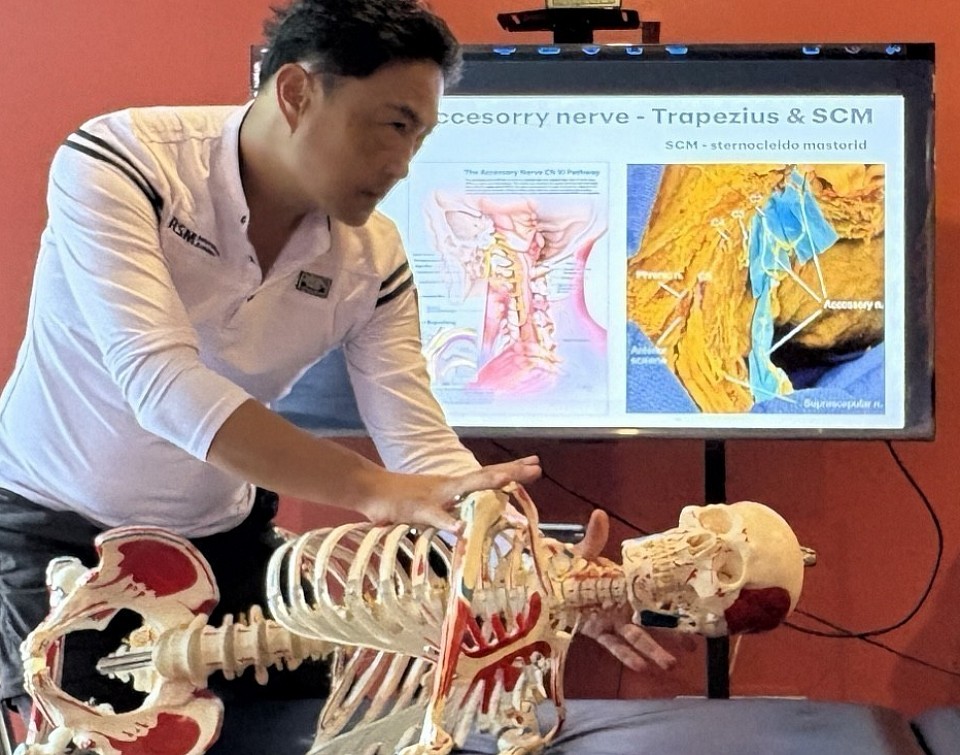
Functional Anatomy and Sports Massage
Effective manual treatment requires more than intuition. It demands a rigorous understanding of the structures lying beneath the skin. In RSM's massage workshops here in Thailand, participants learn that high-level clinical outcomes depend on a therapist’s ability to visualize the body in 3D. I founded this school to ensure practitioners move beyond rote memorization. We focus on the specific mechanisms of injury and recovery.
The Role of Anatomy Knowledge in Therapy
Many practitioners view the body as a canvas for relaxation. However, it is a complex biological machine. Anatomy knowledge serves as the blueprint for safe intervention. Without it, a therapist navigates without a map, leading to ineffective treatments or potential injury.
A deep comprehension of anatomy allows a practitioner to distinguish between a tight muscle and a strained ligament. Applying deep pressure to a torn ligament aggravates inflammation. Conversely, failing to apply sufficient depth to a hypertonic muscle yields no change. Therefore, the application of massage must be dictated by the condition of the underlying tissue.
Therapy is not a passive application of strokes; it is an active dialogue with the musculoskeletal system. When a student understands the skeletal framework, they can predict how forces transmit through the kinetic chain. Massage therapy transforms into a vital component of healthcare when it is grounded in scientific fact.
Integrating Physiology Knowledge
While structure is essential, function is equally important. Physiology knowledge provides the context for why tissues react the way they do. Understanding the chemical processes of the body enables the therapist to facilitate healing rather than forcing it.
Physiology dictates the timing of treatment. During the acute phase of an injury, the body floods the area with inflammatory markers. Vigorous manipulation here disrupts the fibrin clot. A knowledgeable therapist understands this timeline. As a result, they adjust their techniques to support lymphatic drainage rather than attempting to lengthen tissue that is currently guarding a joint.
We teach our students to respect these physiological boundaries. This fosters trust between the client and the practitioner. When a client perceives that their therapist understands the source of their pain, compliance increases. Consequently, the therapeutic relationship strengthens.
How Massage Techniques Relate to Structure
The effectiveness of any manual intervention relies on manipulating muscle fibers according to their orientation. The concepts of origins insertions and insertions actions are paramount. Massage techniques that ignore these vectors are inefficient.
To release a contracted muscle, one must understand its mechanical action. To treat the biceps brachii, the therapist must know it flexes the elbow. To lengthen it, the therapist must extend. If a therapist does not know the insertions actions, they cannot effectively release the tissue.
Massage anatomy focuses heavily on palpation. We must be able to feel the difference between the flexor muscles and extensor groups through touch alone. This tactile literacy is developed through practice. However, practice without theoretical backing reinforces bad habits. Students must learn to associate what they feel with what they know.
Essential Anatomy for Massage Therapists
Specific muscle groups require detailed attention. The adductor muscles of the inner thigh are frequently neglected due to modesty concerns. However, these muscles play a critical role in pelvic stability. Massage therapists who possess sophisticated knowledge understand how to treat these sensitive areas professionally. This capability separates an elite sports therapist from a spa practitioner.
We also focus on the connection between the spine and the periphery. The muscles surrounding the vertebral column are responsible for fine adjustments in posture. Brute force causes these muscles to guard. In contrast, precise, anatomically guided friction resets the neural feedback loop.
Key Focus Areas for Students
- Palpation Accuracy: Identifying bony landmarks to locate attachments.
- Layer Differentiation: Distinguishing between superficial and deep fascial layers.
- Directional Force: Applying pressure parallel or perpendicular to fibers.
- Joint Mechanics: Understanding how tension alters range of motion.
For those committed to this career, the learning never stops. Therapists must continually revisit their textbooks. The benefits of this ongoing study are evident in the longevity of the therapist’s career. We expect our students to learn not just the names, but how the parts facilitate life. Massage therapy is a powerful tool, but only when wielded with precision.
Trigger Point Therapy and Posture Correction: A Sports Medicine Perspective
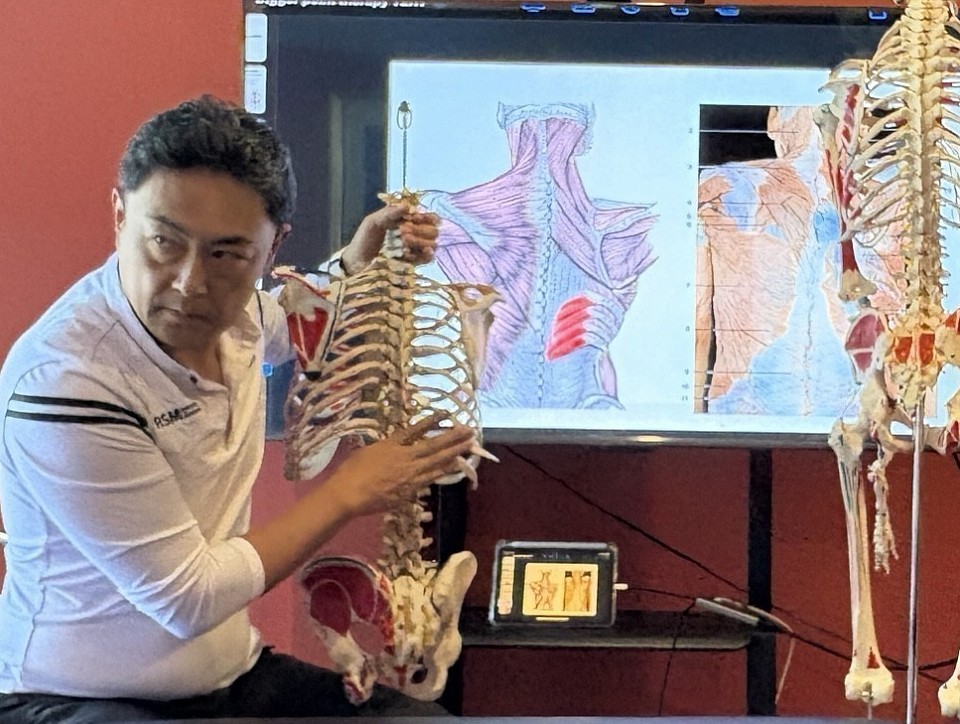
Trigger Point Therapy for posture correction
Understanding the Mechanism of a Trigger Point
To effectively address structural misalignment, we must first understand the physiological anomaly known as a trigger point. In my experience treating athletes, the term is often used loosely; however, the clinical definition is specific. It refers to a hyperirritable spot within a taut band of skeletal muscle. This spot is painful on compression and can give rise to characteristic referred pain and motor dysfunction.
The formation of these points usually begins at the microscopic level. Under normal circumstances, muscle filaments slide past one another to contract and relax. However, when a muscle undergoes acute trauma or repetitive micro-trauma, these filaments can become locked in a continuous state of contraction. This sustained contraction compresses the local blood supply. Consequently, the area suffers from ischemia, or a lack of oxygen, preventing the cell from flushing out metabolic waste.
This metabolic crisis creates a toxic environment that sensitizes pain receptors. The brain interprets this as a threat and signals the muscle to contract further to protect itself. This leads to a self-perpetuating cycle. The palpable nodule, often described by patients as “knots,” is a cluster of these contracted sarcomeres. While pain is the primary symptom driving a client to seek treatment, the biomechanical implications are severe. These taut bands physically shorten the muscle unit, pulling on the bones. This constant, asymmetric tension pulls the skeleton out of alignment, creating the postural distortions we treat daily.
The Role of Myofascial Pain Syndrome in Alignment
When trigger points persist, the condition may progress to myofascial pain syndrome. This chronic condition involves referred pain, where a trigger in one area causes symptoms in a completely different part of the body. For example, a client may complain of a headache, yet the source resides in the neck muscles.
From the sports medicine perspective we teach in RSM's Trigger Point Therapy Course, we view the body as a tensegrity structure. Stability comes from the balance of tension (muscles/fascia) and compression (bones). If one cable is overtightened due to a myofascial trigger, the entire structure shifts. Specifically, a tight psoas muscle does not just cause hip pain; it pulls the lumbar spine forward. This forces the upper back to round in compensation.
Attempting to force “good posture” without addressing these myofascial restrictions is futile. You cannot strengthen a muscle locked in a semi-contracted state. Therefore, treatment must prioritize the release of these restrictions before corrective exercise. The release restores the muscle’s resting length, allowing the skeleton to return to neutral with less effort.
Identifying the Root Cause of Trigger Points
At RSM, we emphasize finding the “primary” trigger. A primary point develops directly from overload. Conversely, a satellite point develops in the reference zone of the primary trigger. Treating the satellite provides only temporary relief if the primary source remains active.
Sedentary lifestyles are a massive contributor. Humans are designed for movement, not static loading. Sitting for hours keeps hip flexors shortened and glutes inactive. This imbalance causes lower crossed syndrome. Similarly, hunching over a laptop creates upper crossed syndrome. Here, pectoral muscles shorten, pulling the shoulders forward, while the rhomboids become weak.
The muscles in the back of the neck must then work overtime to keep the head upright. This constant contraction creates a breeding ground for trigger points. Simply telling a client to “sit up straight” fails because their proprioception is altered. Their brain perceives the slump as “normal.” Manual therapy acts as a reset button. By applying precise pressure, we interrupt the pain signal and mechanically force the separation of the locked bonds.
Manual Therapy Techniques for Lasting Relief
Approaches to managing this condition range from ∫ to invasive trigger point injection. Injections involve inserting a needle to deliver saline or anesthetic. While effective for desensitization, injections do not address tissue quality. In contrast, manual therapy offers a holistic approach that restores elasticity.
We teach ischemic compression as a primary technique. This involves applying sustained digital pressure directly to the point. The pressure must reproduce the client’s symptoms (the “good pain”) without causing defensive tensing. We hold this for 30 to 90 seconds. First, the mechanical pressure forces the fibers to lengthen. Second, releasing the pressure causes reactive hyperemia – a rush of fresh blood into the tissue. This flushes out inflammatory chemicals.
Deep stroking massage and stripping are also vital. These techniques involve gliding along the taut band to realign fibers. However, precision is paramount. Indiscriminate force can bruise the muscle. This is why we demand a deep understanding of anatomy from our students. You must know exactly which muscle layer you are accessing to apply treatments safely.
Targeted Areas: The Upper Back and Shoulder
The upper back and shoulder region is the most common area requiring intervention. The modern workspace is an ergonomic disaster for the scapula. Two muscles often sabotage improved posture: the Levator Scapulae and the Pectoralis Minor.
The Levator Scapulae connects the neck to the shoulder blade. When we hunch due to stress, this muscle becomes chronically tight. A trigger here often causes a stiff neck. Treatment involves anchoring the shoulder blade and stripping up toward the neck.
The Pectoralis Minor is equally critical. It attaches to the front of the scapula. When tight, it tilts the shoulder blade forward. No amount of upper back work will fix rounded shoulders if the Pec Minor remains tight. This leads to a strategy addressing both the agonist (chest) and antagonist (back).
Another major culprit is the Trapezius. The upper fibers often harbor points causing tension headaches. Specifically, a point at the top of the shoulder girdle can send referred pain up the neck. Releasing this allows the shoulder to drop, communicating relaxation to the nervous system.
The Synergy of Physical Therapy and Massage
Manual therapy functions best as part of a broader strategy, often overlapping with physical therapy principles. Once the pain cycle is broken and mobility is restored, muscles must be retrained.
We follow a specific sequence:
- Release: Use trigger point therapy to deactivate spots and restore length.
- Mobilize: Take the joint through its full range of motion.
- Strengthen: Activate weak muscles to hold the new alignment.
For instance, treating Lower Crossed Syndrome requires releasing tight hip flexors. Once tension is gone, the inhibited glutes must be activated. If we skip strengthening, gravity will pull the body back into the old pattern. This is why we advocate for an active partnership with patients.
We also consider the psychological aspect of pain syndrome. Long-term pain sensitizes the nervous system. By reducing peripheral input via point therapy, we dampen this sensitization. This allows the patient to move without fear, which is critical for recovery.
Why Trigger Point Therapy is Essential for Athletes
In sports medicine, biomechanics are everything. A latent trigger point – one not actively painful but causing restriction – can alter a firing pattern. This changes how an athlete moves. Over time, this inefficiency leads to joint wear or injury.
We utilize treatments to scan athletes for these latent spots. For a runner, a trigger in the calf might restrict ankle motion, forcing the knee to collapse inward. By releasing the calf, we protect the knee. This preventative mindset is central to the RSM philosophy. We do not wait for injury; we optimize structure to prevent it.
Applying pressure for an athlete might differ from the general population. Athletes often have denser tissue. However, the goal remains to melt the restriction, not force it. We teach “sinking,” where the therapist matches tissue resistance and waits for the nervous system to let go.
Integrating Treatment into Daily Life
For correcting alignment, consistency is key. We recommend professional sessions combined with self-care. Self-myofascial release using foam rollers can be effective. Specifically, targeting the glutes or between the shoulder blades can keep trigger points at bay.
Ergonomics must also be addressed. If a patient returns to the environment that created the problem, the pain will return. Thus, we educate clients on workstation setup to support neutral spine alignment.
Hydration is also a factor. Fascia relies on water to slide. Dehydrated tissue becomes sticky. We advise increasing water intake after a session to assist in flushing metabolic waste.
Advanced Considerations and Future Outlook
As we delve deeper, we acknowledge the complexity of the myofascial network. A restriction in the foot can transmit tension up to the head. When we treat a trigger, we often affect the entire fascial chain.
There are cases where a trigger point refuses to release, potentially indicating underlying pathology like vitamin deficiency. In such cases, we refer out to medical specialists. As manual therapists, we deal with the mechanical aspects of pain.
The field is evolving. We are moving from “rubbing muscles” to communicating with the nervous system. Trigger point therapy is a dialogue between the therapist’s hands and the client’s brain. At RSM International Academy, we stay at the forefront of this evolution. We believe correcting posture is about removing barriers to natural balance.
Whether dealing with an athlete or office worker, the principles remain: restore length, activate weak tissues, and re-educate movement. By addressing the trigger points locking the body in dysfunction, we open the door to a functional life. The path to improved posture is a journey of consistency and precise intervention. Through skilled application of these therapies, we can fundamentally change the way a person moves.
The Science of Sports Massage for Footballers
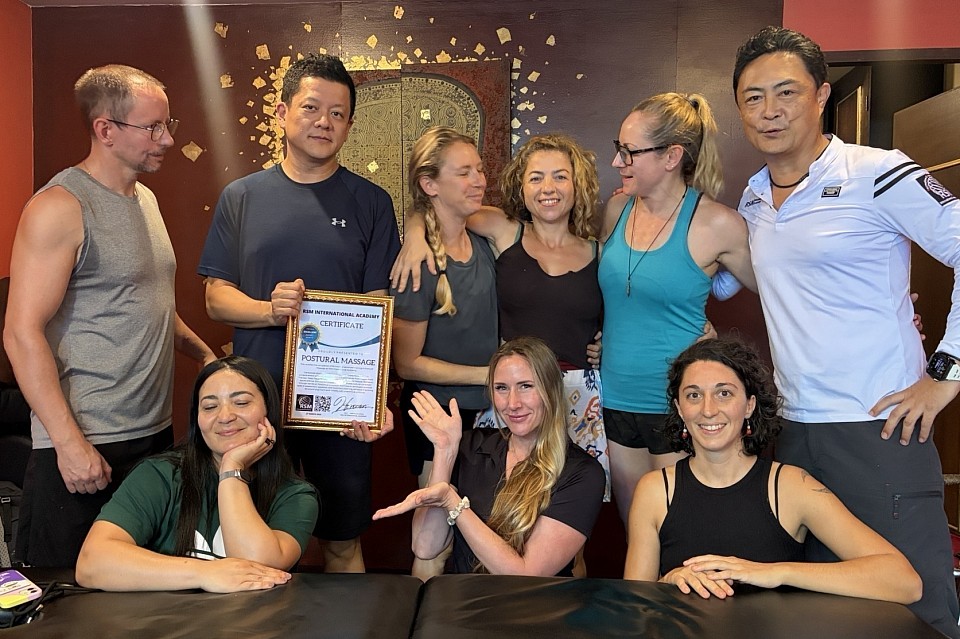
Sports medicine massage training Course
Modern football is defined by rapid deceleration. While fans admire the explosive sprints, sports medicine professionals know the biological cost is paid during the braking phase. Every time a player plants a foot to change direction, the eccentric load on the musculoskeletal system is immense. In RSM’s Sports Massage Course, I emphasize that effective treatment requires understanding these specific biomechanics. You cannot treat the athlete if you do not understand the sport.
We view the body of a football player as a kinetic chain that must withstand repetitive high-velocity trauma. The therapy required to maintain this machine differs vastly from a spa treatment. It demands a clinical eye and a strategy aligned with the player’s training micro-cycles.
The Biomechanics of Football
Football places asymmetrical, chaotic demands on the body. Unlike the linear motion of cycling, football involves multi-directional force. A player might cover 10 kilometers in a match, but the nature of that running dictates the treatment. Short bursts of acceleration followed by sudden stops create significant shear forces in the joints.
The posterior chain, specifically the hamstring group, frequently suffers from this stop-start nature. During the swing phase of a sprint, the hamstring must fire eccentrically to decelerate the lower leg. If tissue quality is poor or adhesions exist between muscle layers, fibers cannot glide efficiently. This leads to tears. Consequently, our approach focuses on maintaining pliability in these high-risk areas.
Deep Tissue and Trigger Point Techniques
Effective treatment requires selecting the right modality for the dysfunction. At RSM, we teach that depth is about engaging the correct layer of anatomy, not just applying heavy pressure.
Deep tissue work is often misunderstood. In a clinical sports context, it refers to targeting specific sub-layers of muscle and fascia. For a player, the superficial rectus femoris might feel loose, but the underlying vastus intermedius could be adhered to the femur. Unless the therapist anchors the superficial layer and sinks vertically, the work remains superficial. We utilize deep tissue techniques to separate muscle compartments, restoring the ability of structures to slide past one another.
Conversely, trigger point therapy addresses hyper-irritable spots within a taut band of muscle. These points cause referred pain, often confusing a diagnosis. A trigger point in the gluteus minimus can mimic sciatica, causing a “dead leg” sensation. By applying ischemic compression, we force a local flush of metabolic waste, resetting the neuromuscular loop.
Optimizing Football Massages: Timing is Key
The timing of the session dictates the technique. Performing the wrong sports massage at the wrong time is detrimental. We categorize football massages into three phases relative to the match.
Pre-Event: Within 24 hours of kickoff, the goal is stimulation. We avoid deep pressure that lowers muscle tone, as this can reduce reaction times. Instead, we use fast-paced tapotement to wake up the nervous system.
Post-Event: After 90 minutes of play, muscles are filled with metabolic waste. Aggressive pressure on inflamed tissue is counterproductive. This treatment phase uses broad, flushing strokes to assist venous return and lymphatic drainage without adding mechanical stress.
Maintenance: Mid-week is the window for structural work. Here, we apply deeper techniques to break down scar tissue and remodel collagen. If a player reports stiffness in the hip flexors during training, this is the time to address the iliopsoas.
Active Release and Rehabilitation
For chronic issues, we employ active release protocols. This differs from static work because it involves patient movement. The therapist pins a specific structure while the player actively moves the joint.
For example, to treat a fibrotic soleus in the calf, we apply tension to the lesion while the player dorsiflexes the foot. This mechanical tension shears apart adhesions. This method is particularly valuable for “shin splints,” allowing players to continue competing without debilitating pain.
Rehabilitative massage integrates closely with physiotherapy. When a player presents with pain in the knee**,** we look upstream to the hip. Often, knee issues result from a tight iliotibial band or limited ankle mobility. Manual therapy helps align collagen fibers in developing scar tissue, ensuring the healed ligament remains flexible rather than brittle.
Managing Muscle Tension and Common Issues
At RSM, we categorize frequent complaints to streamline assessment. Muscle tension in specific areas often points to predictable biomechanical flaws.
- Hamstring Strains: The eccentric load during sprinting makes this the primary enemy. We focus on the musculotendinous junction.
- Calf Tightness: Boots with heel gradients and constant propulsion strain the triceps surae. Neglecting this leads to Achilles tendinopathy.
- Adductor Strains: Sudden lateral movements require adductors to act as stabilizers. When fatigued, they tear.
Sports physiotherapy principles guide our approach to these injuries. We emphasize that pain is a signal to be interpreted, not just silenced.
The Psychological Impact on Players
The benefits extend beyond the mechanical. The pressure on elite soccer players creates a sympathetic nervous system dominance – the “fight or flight” state. Remaining in this state impedes recovery.
Appropriate tactile intervention stimulates the parasympathetic nervous system, allowing the body to “rest and digest.” This is crucial for cellular repair. We observe that players receiving regular massage therapy report better sleep and lower perceived exertion. Moreover, the tactile feedback provides a body map to the player’s brain, highlighting imbalances before they become injuries.
Final Thoughts on Clinical Standards
The field of sports medicine is constantly evolving. At RSM International Academy, we ensure our curriculum reflects the latest physiology. Sports massage is not a luxury for athletes; it is a necessary component of high-performance maintenance.
Whether you are a therapist or a player, recognize that this is a tool for longevity. The collision nature of football demands a proactive approach. Through precise, anatomically driven manual therapy, we can keep athletes on the pitch and out of the rehabilitation room.
Identifying Common Mistakes in Shiatsu Techniques for Safer Practice
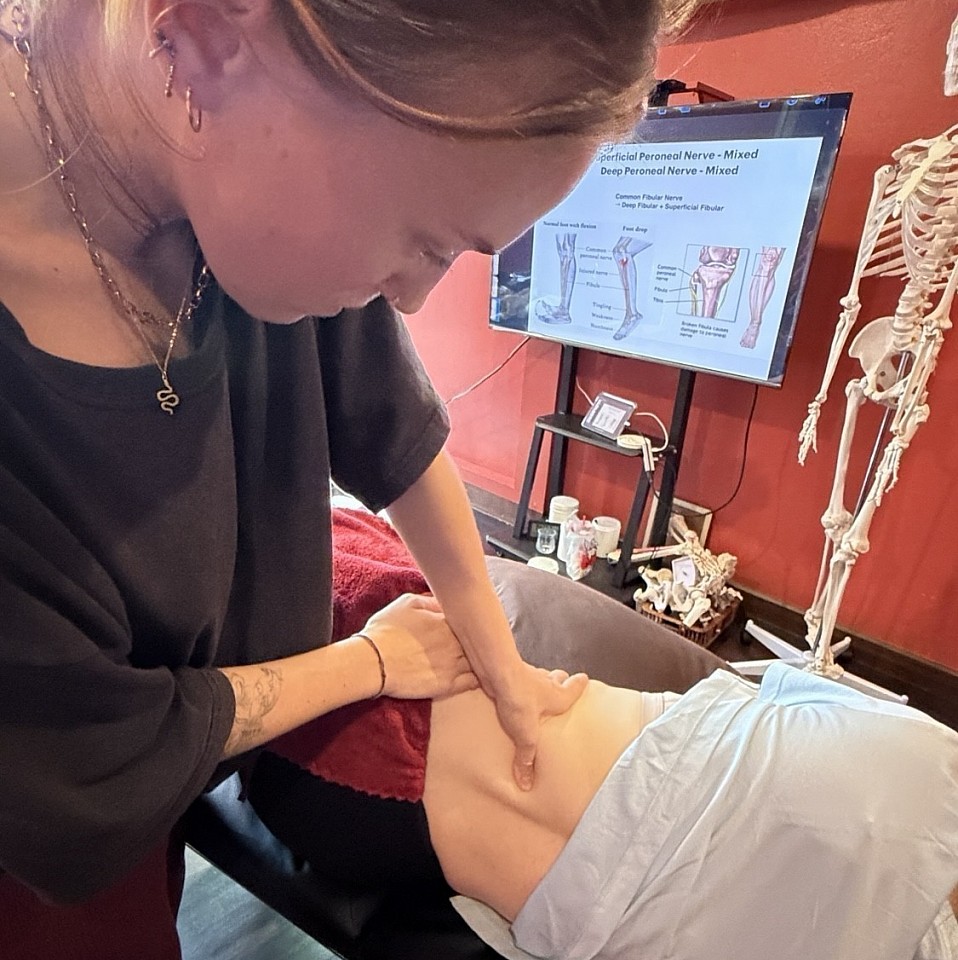
Deep Shiatsu Massage Course Chiang mai
Effective shiatsu requires more than intuition; it demands a rigorous understanding of human anatomy and physics. In RSM’s Shiatsu Massage Course, we approach this traditional form of manual therapy through the lens of sports medicine. We believe that bridging the gap between traditional Japanese massage modalities and modern physiological science is the only way to ensure patient safety and efficacy. However, many students fall into habits that compromise their own health and the recovery of their clients.
Understanding the Basic Principles of Weight Transmission
The most pervasive error in massage is the reliance on physical strength rather than gravity. This distinction forms the core of our basic principles. When an operator uses arm strength to apply force, they engage the triceps and deltoids, isolating the load in the upper torso. Consequently, the input feels sharp and erratic to the receiver, triggering a sympathetic nervous system response where the recipient’s fibers guard against the intrusion rather than relax.
True therapeutic shiatsu originates from the Hara (center of gravity) and is transmitted through a relaxed skeletal structure. We emphasize that the provider must stack their joints: shoulder over elbow, elbow over wrist, wrist over thumb. This alignment allows gravity to do the work. The student leans rather than pushes, delivering a sensation of stability that muscular effort cannot replicate.
Failure to master this mechanic leads to rapid fatigue. A provider relying on strength will burn out within a few hours. In contrast, leveraging weight allows for sustainable practice throughout a full day of massage therapy. The receiver immediately notices the difference; weight-based contact feels supportive and grounding.
The Role of Perpendicular Pressure
Another fundamental error involves the angle of application. Standard shiatsu principles dictate that compression must be applied perpendicularly to the surface. If the angle deviates, the vector shears across the area rather than penetrating it. Shearing causes micro-trauma to the fascia and skin, creating friction that can be uncomfortable and counterproductive to the goal of releasing muscle tension.
Many students struggle to maintain this 90-degree angle as they navigate the curves of the body. For example, treating the gluteus medius requires a constant adjustment of the operator’s position. Staying in one fixed spot results in “prying” or “digging.” This mistake reduces the effectiveness of the shiatsu and increases the risk of bruising. We train our students to move their entire frame, adjusting their stance for every single point to ensure the vector remains precise.
Dangers of Misinterpreting Shiatsu Massage Therapy
A critical misunderstanding in the field is treating shiatsu massage solely as a relaxation tool without respecting its clinical potential. While relaxation is a valid outcome, treating musculoskeletal issues requires specific anatomical knowledge. Common errors include pressing directly on bone or neurovascular bundles.
Applying heavy load on the spinous processes of the vertebrae, for instance, causes significant pain and potential damage. Similarly, compressing the popliteal fossa behind the knee without caution can damage the popliteal artery or tibial nerve. These areas serve as clear reference points, but they are not the target for direct compression.
Operators must cultivate the tactile sensitivity to differentiate between hypertonic structures, tendon, bone, and nerve. If a structure is rigid, forcing through it with aggressive force often results in a rebound effect where the area tightens further. We teach a “melting” approach where the provider meets the resistance and waits for the area to yield. This patience distinguishes a master from a novice.
Managing Intensity and Discomfort
There is a persistent myth that effective massage must be painful. This “no pain, no gain” mentality leads to excessive pressure. While “good pain” is acceptable, sharp or wincing sensation is a warning signal. It indicates that the body is resisting. When a client holds their breath or tenses up, the therapeutic value of the massage drops to zero.
The mistake here is ignoring the client’s breathing. Breath is the bridge between the voluntary and involuntary nervous systems. If we apply force while the client inhales, we are fighting the natural expansion of the body. Pressing on the exhalation allows for better access with less resistance. Synchronizing rhythm with the client’s respiratory cycle is one of the most vital techniques to master.
Preventing Overuse Injuries in the Provider
We often focus entirely on the patient, yet the longevity of the person delivering the care is equally important. Overuse injuries are rampant in this industry. The most frequent casualty is the thumb. The saddle joint of the thumb is not designed for sustained, high-impact compression, yet it is the primary tool in shiatsu.
Hyper-extension of the interphalangeal joint is a mechanical flaw that leads to serious pathology. When the thumb bends backward under load, the stress loads the joint capsule instead of passing through the bones. Over time, this causes laxity and inflammation. We drill our students to keep the thumb joint slightly flexed or neutral. This “stacked” position ensures the bones transmit the load.
To further mitigate risk, we advocate for tool variation. Relying 100% on thumb technique is a strategic error. We should integrate palms, elbows, and knees. These broader tools can deliver substantial force to large areas like the hamstrings or erector spinae without compromising the operator’s small joints.
Essential Self-Care Techniques
Neglecting personal recovery is a mistake that shortens careers. Just as an athlete requires conditioning, a massage provider requires maintenance. We recommend a strict regimen of antagonist strengthening. Since shiatsu involves constant flexion and anterior rotation, we must strengthen our extensors and retractors.
Key prevention tips include:
- Extensor Digitorum: Counteracting the constant gripping.
- Rhomboids and Lower Traps: Preventing “rounded shoulder” posture.
- Core Stability: Protecting the lumbar spine during leverage movements.
- Forearm Stretching: Releasing the flexor wad to prevent medial epicondylitis.
Avoiding Muscle Injuries Through Proper Assessment
Blindly applying a routine sequence is a hallmark of inexperienced therapy. A major error is failing to assess the specific condition of the muscle before beginning. Treating an acute muscle strain with rhythmic compression can exacerbate the inflammation. Acute trauma requires rest, not heavy input.
Conversely, treating chronic scar tissue with light touch does nothing to remodel the collagen. The error lies in the mismatch between pathology and massage technique. At RSM, we emphasize the visual and palpatory scan, looking for asymmetry, swelling, or heat. Ignoring these signs leads to ineffective or harmful sessions.
Specific groups require specific strategies. For example, the Quadratus Lumborum (QL) is a common source of lower back pain. A mistake often made is pressing directly anteriorly into the side of the waist, compressing the kidneys. The correct approach involves angling toward the spine to pin the muscle against the transverse processes safely.
Refining Shiatsu Approaches for Deep Tissue Work
Many confuse “deep” with “hard.” Deep work refers to accessing the sub-layers of the anatomy, not merely crushing the surface. The mistake of rushing to depth causes the superficial layers to tense up, effectively blocking access to the underlying structures.
To reach the deep layers, one must first prepare the surface. Warming the area and gradually increasing intensity allows the system to welcome the input. Attempting to bypass this warm-up phase is a technical error that results in bruising. Furthermore, static compression is often underutilized. Oscillating over a knot can irritate it. Holding sustained, static force allows the mechanoreceptors in the fascia to reset the resting tone. This ischemic compression, when done correctly, flushes the area with fresh blood upon release.
The Importance of Rhythm
Disjointed movements disrupt the neurological effect of the shiatsu. A common error is breaking contact frequently or moving abruptly. The nervous system craves predictability. When a provider jumps from one zone to another without a transition, it jars the recipient.
We teach “continuity.” Even when moving to a new position, one hand should maintain contact whenever possible. This grounds the client and maintains the therapeutic state. The rhythm should be metronomic and steady. Erratic speeds induce alertness, which counteracts the goal of tension release.
Addressing the Kinetic Chain
Isolating the area of pain is a narrow-minded approach that often fails to solve the root problem. A common mistake is treating the symptom rather than the cause. For instance, neck discomfort is frequently caused by tightness in the pectorals or pelvic misalignment. Rubbing the neck alone provides only temporary relief.
We view the human frame as a tensegrity structure. The fascial lines connect the foot all the way to the head. Ignoring these connections is a missed opportunity. When a client presents with shoulder issues, we investigate the hips and the opposing arm. This systemic view prevents the “chasing pain“ phenomenon. By treating the antagonists and the stabilizers, we restore balance to the skeleton.
Integration of Shiatsu Principles with Modern Science
A mistake often made by purists is rejecting anatomical terminology in favor of purely energetic descriptions. While concepts like Ki and meridians are valuable frameworks, they overlap significantly with the nervous system and fascial planes.
At RSM, we avoid the error of mystification. We explain that “stagnation” often correlates with ischemia or fascial adhesion. By translating these concepts, we validate the practice in the eyes of medical professionals. This duality strengthens the credibility of the therapist.
Conversely, a strictly mechanistic approach that ignores the holistic aspect is also limited. The psychological state of the client affects their physical tone. Stress manifests as physical armor. An operator who ignores the emotional component of injury is missing half the picture. We must be technicians of the body and empathetic observers of the person.
Final Thoughts on Professional Development
The final and perhaps most limiting mistake is complacency. The field of shiatsu and sports medicine is constantly evolving. Those who stop learning after their initial certification stagnate. New research on fascia, pain science, and biomechanics emerges regularly.
We encourage a mindset of perpetual studentship. The common mistakes are avoidable if we commit to a path of continuous improvement, ensuring that our hands serve as effective instruments of health and recovery.
By blending the wisdom of traditional shiatsu with the rigor of modern sports science, we elevate the standard of care. This is the mission of our academy and the responsibility of every serious practitioner.
Evidence-Based Orthopedic Massage Practices for Modern Therapy
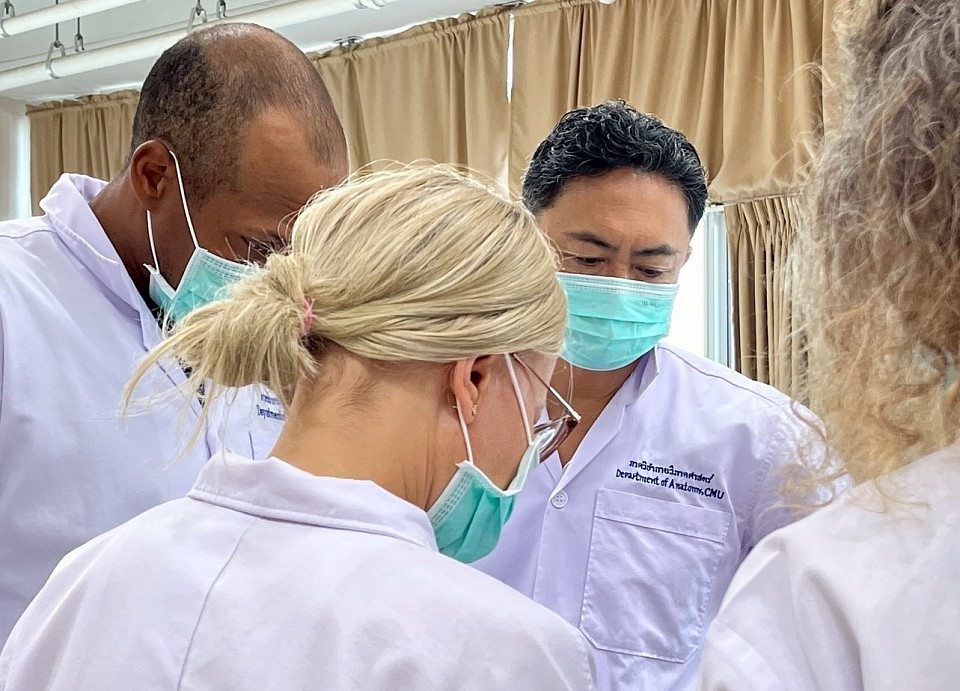
Orthopedic Massage Course Chiang mai
Pain is a complex biological signal. It acts as a warning system and a protective mechanism, yet it often becomes a debilitating barrier to movement. At RSM International Academy in Chiang Mai, we do not view pain merely as a symptom to be silenced. We view it as a puzzle to be solved through rigorous assessment and precise intervention. My background in Sports Medicine has taught me that intuition, while valuable, is insufficient on its own. To truly rehabilitate injuries, we must rely on a framework that integrates clinical expertise with the best available scientific research.
The field of bodywork is frequently clouded by myths. Many practitioners rely on techniques simply because they were taught decades ago. However, the human body operates on physiology, not tradition. Consequently, we must constantly update our understanding of how tissues respond to mechanical load. We must scrutinize why certain interventions work and why others fail. This commitment to scientific rigor is what separates a relaxation session from a clinical treatment, and traditional teaching from RSM's Orthopedic Massage Course curriculum.
Defining Clinical Manual Therapy Standards
The term “evidence-based” is often treated as a marketing buzzword. In a true clinical setting, an evidence-based framework relies on a triad of components: the best available external research, the practitioner’s clinical expertise, and the patient’s values. Neglecting any single pillar causes the structure to collapse.
Research provides the raw data. It tells us what has worked in controlled trials and systematic reviews. However, research cannot account for every variable in a unique human body. This is where clinical expertise becomes vital. I teach my students to interpret data through the lens of their experience. They must recognize that a statistical average in a study does not always predict the outcome for the individual on the table.
The third pillar, patient values, is equally critical. A treatment plan will fail if the patient does not believe in it or if it causes excessive distress. Therefore, therapy must be collaborative. We explain the mechanisms and set realistic expectations. This builds a therapeutic alliance, which studies have shown can significantly modulate pain perception.
The Role of Orthopedic Massage in Tissue Healing
When we apply force to the body, we engage in a process known as mechanotransduction. This biological concept explains how a mechanical stimulus converts into chemical activity at the cellular level. When a therapist applies compression or tension, the cells within that matrix detect the deformation. As a result, they initiate a cascade of signaling pathways.
These pathways influence protein synthesis and fluid dynamics. In the context of acute injury, appropriate mechanical loading guides the organization of collagen. If a muscle is immobilized for too long, collagen fibers form a haphazard, “haystack” pattern, resulting in scar tissue that is structurally weak. Conversely, applying directed stress through manual therapy encourages fibers to align along the lines of stress. This improves the tensile strength of the healed tissue.
We must also consider the fluid component. Inflammation is a necessary phase of healing, but excessive edema can impede the transport of oxygen. Massage techniques that utilize rhythmic pumping assist the lymphatic system, reducing interstitial pressure. The effect is not just mechanical; it is physiological.
Evaluating Massage Techniques Through Research
Critically analyzing specific modalities allows us to discard ineffective habits. For example, the concept of “breaking up fascia” is controversial. Fascia is incredibly tough. Studies suggest that the amount of force required to mechanically deform the iliotibial band is far beyond what a human hand can generate. Therefore, if a patient experiences increased range of motion after a session, we cannot attribute it solely to plastic deformation.
Instead, we look to the nervous system. The rapid changes we see in muscle tone are often neurophysiological. The manual input lowers the excitability of the motor neuron pool. It changes the input to the spinal cord, altering the feedback loop that maintains muscle tension. If a therapist believes they are physically breaking adhesions, they may use excessive force, causing bruising. If they understand they are communicating with the nervous system, they can achieve better results with precise, moderate pressure.
Interpreting Systematic Reviews on Massage
The hierarchy of evidence places systematic reviews at the top. These papers aggregate data from multiple trials to form a broader conclusion. When we examine a review regarding massage therapy, results are often mixed. Some papers conclude that massage offers significant short-term relief for non-specific low back pain, while others find the evidence inconclusive for chronic conditions.
We must read the full text. Often, the “included” studies vary wildly in methodology. One study might use a 15-minute chair session, while another uses a 60-minute deep tissue protocol. Combining these into a single analysis can dilute the findings. As clinicians, we look for research that mimics real-world scenarios, specifying pressure, duration, and anatomical focus.
A common finding in these reviews is the “effect” of massage on anxiety and cortisol levels. The reduction of sympathetic nervous system dominance is one of the most consistent outcomes in the literature. Since pain is influenced by stress, this systemic effect is a valid mechanism for pain relief.
Addressing Neck Pain with Precise Massage Therapy
Neck pain is one of the most common complaints we encounter. Modern lifestyles create a perfect storm for cervical dysfunction. The evidence supports the use of manual therapy for neck pain, particularly when combined with exercises.
The upper trapezius and levator scapulae are frequent targets. However, treating the site of pain is not always the answer. A patient may present with pain at the base of the skull, but the root cause may be thoracic stiffness. Stiffness in the upper back forces the cervical spine to hyperextend. Addressing thoracic mobility can unload the cervical structures.
We also consider the anterior neck. The scalenes and sternocleidomastoid can refer pain patterns that mimic tension headaches. Research into trigger points shows that active satellite points can perpetuate pain cycles. Releasing these anterior structures often provides immediate relief for posterior symptoms. This approach is grounded in a deep knowledge of referred pain patterns and neuroanatomy.
Why Orthopedic Assessment Matters
Assessment is the compass that guides the ship. At RSM, we emphasize that assessment is a continuous process. We observe gait, test active range of motion, and perform passive tests to isolate inert structures.
Orthopedic assessment allows us to differentiate between muscular and structural pathologies. For instance, is shoulder pain a rotator cuff tendinopathy or adhesive capsulitis? The treatment differs vastly. Tendinopathy requires loading; capsulitis initially requires gentle mobilization. Applying heavy friction to a frozen shoulder will only increase inflammation.
Special tests, such as Phalen’s test for carpal tunnel, provide clinical data. While no single test is 100% accurate, clustering positive findings increases diagnostic probability. This clinical reasoning prevents us from wasting time on ineffective treatments and helps identify red flags. If a patient presents with neurological deficits, we do not massage them; we refer them. Knowing when not to treat is as important as knowing how to treat.
The Physiology of Touch and Pain Gating
To understand why massage works, we must look at the Gate Control Theory. Pain signals travel on small nerve fibers. Non-painful sensory signals, like pressure and vibration, travel on larger, faster nerve fibers. When we stimulate these large fibers, they reach the spinal cord first, effectively “closing the gate” to pain signals.
This mechanism explains why rubbing a bumped shin helps. In a clinical setting, we utilize this to modulate the patient’s pain experience. This is not a cure for underlying damage, but it is a powerful tool for symptom management.
Another mechanism is Diffuse Noxious Inhibitory Control (DNIC). This involves creating a controlled, slightly uncomfortable stimulus – like deep pressure on a trigger point – to trigger the brain’s release of endorphins. This systemic release can reduce pain perception throughout the body. However, the pressure must be therapeutic, not traumatic. Crossing that threshold triggers a threat response, increasing tension.
The Importance of Soft Tissue Mobilization
Soft tissue mobilization differs from standard Swedish massage. It is targeted and often involves movement. We use techniques that engage the tissue while the patient moves the joint. This active participation serves two purposes: it ensures muscle fibers lengthen under tension, and it engages the motor cortex.
When a patient moves a limb while receiving tactile feedback, it improves proprioception – the body’s ability to sense its position in space. Injury often degrades this sense. Manual therapy stimulates mechanoreceptors, helping recalibrate the map in the patient’s brain.
Research on “therapy” outcomes highlights the benefits of multimodal approaches. Combining passive manual techniques with active movement re-education yields superior results. We teach our students to be coaches, guiding the patient back to functional movement.
Clinical Expertise in Action
Developing clinical expertise involves pattern recognition. After treating multiple cases of lateral epicondylitis, a therapist notices commonalities, such as wrist extensor restriction or shoulder instability. This expertise allows for faster decision-making.
However, we must remain humble. Clinical experience is subject to bias. We remember successes more vividly than failures. This is why we must constantly return to the “evidence” and the “research.” We must challenge our assumptions. If a new systematic review questions the efficacy of a specific technique, we must be willing to adapt.
The integration of “clinical” judgment with scientific data creates a safety net. It ensures we are not experimenting on patients but applying proven concepts. When a technique works, we likely know why. When it doesn’t, we have the knowledge to troubleshoot.
The Limitations of Research
We must acknowledge that the body of research for massage therapy has limitations. Funding is scarce, and blinding in studies is difficult. Consequently, “conclusions” in scientific papers are often cautious, using phrases like “may be beneficial.”
This does not mean the therapy is ineffective; it means the scientific standard for proof is high. As practitioners, we contribute to the evidence base by documenting outcomes. We also face the challenge of standardization. “Massage” encompasses everything from light stroking to structural integration. When a study says “massage” failed, we must ask: What kind? Was the dosage sufficient? These nuances are often lost in large-scale data analysis.
Connective Tissue and Plasticity
The study of connective tissue, or fascia, has exploded in recent years. We know that this tissue is a dynamic, sensory organ rich in nerve endings. Research suggests that connective tissue can become densified due to lack of movement, inhibiting the sliding of tissue layers.
Manual therapy can restore this sliding potential. The shearing forces applied during deep tissue work can alter the viscosity of the hyaluronic acid between fascial layers, a phenomenon known as thixotropy. By heating and agitating the substance, we make it more fluid, allowing tissues to glide freely. This mechanical effect has immediate functional benefits.
The Psychosocial Component of Pain
Modern orthopedics recognizes the Biopsychosocial Model. Biological, psychological, and social factors all play a role in pain. You cannot treat the tissue in isolation from the person. Stress, anxiety, and sleep deprivation amplify pain signals.
A “massage therapist” who ignores these factors misses half the picture. The therapeutic environment at RSM – the intake, the draping, the demeanor – is designed to address this. Research confirms that the quality of the therapeutic relationship predicts success. If the patient trusts the therapist, their nervous system down-regulates, allowing for deeper work without triggering a pain response.
Ethics and Scope of Practice
Evidence-based practice requires strict adherence to scope of practice. We do not diagnose medical diseases; we assess functional limitations. We do not prescribe medication; we prescribe movement.
If a patient asks about nutrition, we offer general advice but refer to a dietician. If a patient has psychological trauma, we refer to a counselor. Recognizing our limits increases credibility. It shows we are part of a healthcare team. Our “clinical expertise” is specific to soft tissue and movement. By mastering this domain, we provide a unique and irreplaceable service.
Integrating Exercises for Long-Term Results
Manual therapy opens a window of opportunity by reducing pain and increasing range. However, if the patient does not utilize this new range, the body reverts to old patterns. This is why “exercises” are integral to the treatment.
We focus on corrective exercises – low-load movements designed to activate inhibited muscles. For low back pain caused by anterior pelvic tilt, we might release the hip flexors manually, then teach the patient to engage their glutes to maintain a neutral pelvis. This integration bridges the gap between the treatment table and daily life, transforming the patient from a passive recipient into an active agent of recovery.
Conclusion
The evolution of massage from a luxury service to a respected component of healthcare is driven by evidence. We are moving away from myths and toward mechanisms. At RSM International Academy, we are committed to this path. We believe that an orthopedic massage therapist must be a scientist of touch. We must understand anatomy, respect physiology, and critically evaluate data.
By adhering to rigorous standards, we offer patients the highest level of care. We help them not just to relax, but to recover and return to the activities they love. This is the future of our profession, built on the solid foundation of evidence-based practice.
Balancing Theory and Practice in Massage Training
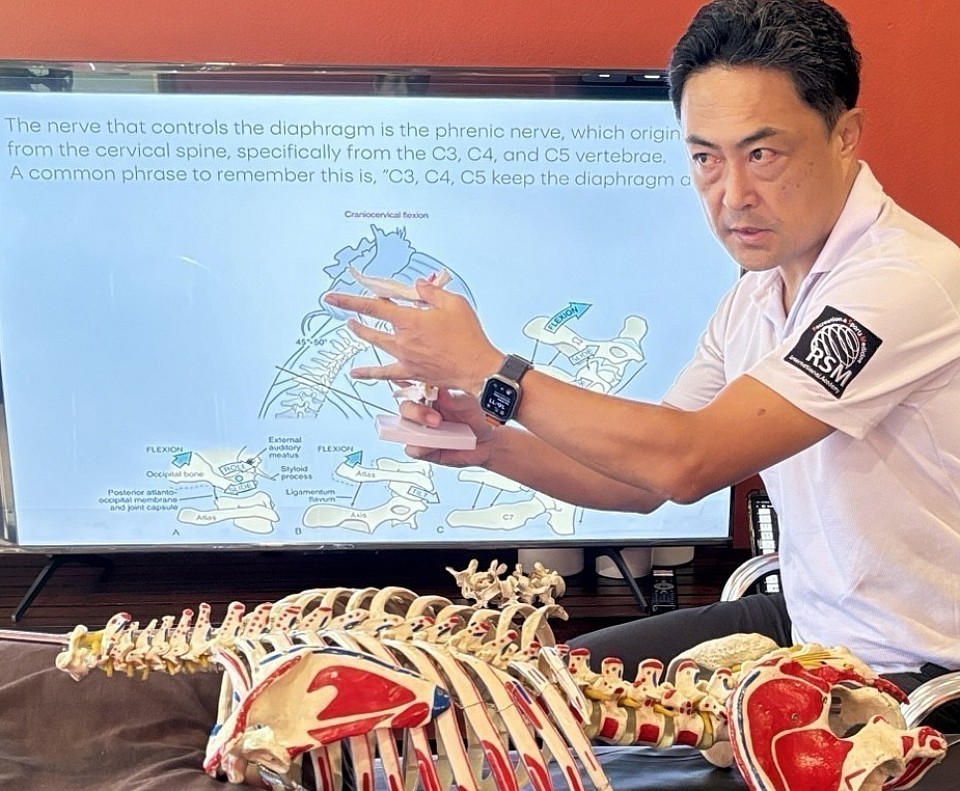
Sports medicine and evidence based massage skillset
My experience as a clinician has proven that effective treatment relies on a specific equilibrium: approaching bodywork both through the lens of sports medicine, and through the hands-on experience of practical training. A therapist who understands the complex mechanics of the human body but lacks the tactile sensitivity to apply that knowledge is ineffective. Conversely, a practitioner with excellent hands but no understanding of pathology risks causing harm.
High-quality education in this field is not merely about memorizing a sequence of movements. We structure the curriculum of RSM Massage School here in Chiang Mai to ensure that students leave not just with a certificate, but with the competence to work alongside healthcare professionals.
The Intersection of Evidence and Art in Massage Therapy
The field of massage therapy often struggles with a dichotomy between relaxation and rehabilitation. Many schools focus heavily on the “art” of flow. While these elements are valuable, they are insufficient for therapeutic outcomes without a scientific foundation. Therapy education must prioritize evidence-based protocols.
When we discuss learning theoretical information, we refer to the physiological principles that govern recovery. For instance, understanding how manual pressure affects the mechanoreceptors in the fascia is crucial. If a student applies deep pressure to a muscle in spasm without understanding the stretch reflex, the muscle will likely contract further. However, if they understand the theory of neuromuscular inhibition, they can adjust their approach to facilitate release.
As a result, we dive deep into pathophysiology. We examine why certain tissues adhere and how ischemia affects trigger point formation. This intellectual rigour ensures that when a student eventually touches a client, that touch is informed by science.
Why You Must Study Anatomy Before Learning Techniques
You cannot effectively repair a machine if you do not know how its parts connect. The same logic applies to the human body. Before we allow students to perform complex maneuvers, they must extensively study anatomy. This goes beyond naming bones; it involves understanding the dynamic relationship between origin, insertion, and action.
In our classrooms, we dissect movement patterns. A complaint of shoulder pain requires an analysis of the scapulohumeral rhythm. A student must know which muscles are stabilizers and which are prime movers. Without this knowledge, they might massage the area where the pain is felt rather than the area causing the dysfunction.
Resources such as 3D anatomical models are standard in our environment. Classroom learning focuses on visualizing the layers of tissue. We teach students to see through the skin. They must visualize the direction of the muscle fibers before they apply oil. Consequently, the study of anatomy becomes a practical tool rather than an abstract academic exercise.
Translating Knowledge into Hands-On Training
Once the intellectual framework is established, the focus shifts to gaining practical skills. Hand skills are the primary vessel for delivering care. Knowing what to do is different from knowing how to do it. Massage techniques require dexterity, strength, and proprioception.
We emphasize the biomechanics of the therapist. Effective treatment requires the practitioner to use their body weight rather than relying solely on grip strength. This protects the therapist from injury and ensures consistent pressure for the client. During hands-on training, instructors provide real-time correction. We adjust the angle of the wrist or the position of the hips to maximize efficiency.
This phase of learning is repetitive. However, every stroke must have an intention. If a student is performing effleurage, they must know exactly why they are doing it. Is it to warm the tissue? Is it to flush metabolic waste? This intentionality transforms a simple rub into a therapeutic intervention.
The Critical Role of Student Clinics
Simulating treatment on classmates is helpful, but it lacks the unpredictability of the real world. Classmates often have similar body types and are generally healthy. Real clients present a diverse range of pathologies and pain thresholds. This is why student clinics are vital.
In a clinical training setting, students face the reality of intake interviews and assessment. They must listen to a client, interpret their symptoms, and formulate a treatment plan on the spot. This pressure tests their ability to synthesize theory and practice.
Specifically, clinical environments teach students how to adapt. A technique that works perfectly in a textbook scenario might fail on a client with acute inflammation. The student must reach into their theoretical toolkit and modify the approach. Feedback from these sessions is immediate. We analyze what worked, what failed, and how the client responded. This feedback loop is the engine of professional growth.
Developing Professional Intuition through Practice
There is a misconception that intuition is a mystical gift. In reality, intuition is simply recognized patterns processed at high speed. A veteran therapist creates a balanced session not because they are guessing, but because they have seen thousands of similar cases. This level of expertise only comes from years of dedicated massage practice.
At RSM, we accelerate this process by exposing students to a high volume of case studies. We challenge them to predict outcomes. If they release the psoas muscle, what do they expect to happen to the lumbar curve? By constantly testing their hypotheses, they begin to internalize the cause-and-effect relationships of the body.
Holistic care is not about vague energy work. It is about seeing the whole system. The nervous system, the skeletal system, and the muscular system are inextricably linked. Balancing the treatment means addressing the local symptom while respecting the global holding patterns of the body.
Massage therapy school is the beginning of this process. The tools we provide – critical thinking, anatomical precision, and manual excellence –allow the therapist to continue learning long after they leave our classroom. To maintain their edge, professionals must continue to vet sources and stay current with medical literature.
A therapist who relies on techniques learned twenty years ago often utilizes outdated modalities. In contrast, a therapist committed to balancing their education with current science remains effective. Ultimately, the goal of massage in a clinical setting is functional improvement. Whether the goal is increased range of motion or pain reduction, the result depends on the therapist’s skill. That skill is forged in the fire of rigorous massage training and sustained by a commitment to the craft.
The Role of Fascia in Muscle Pain and Movement Dysfunction
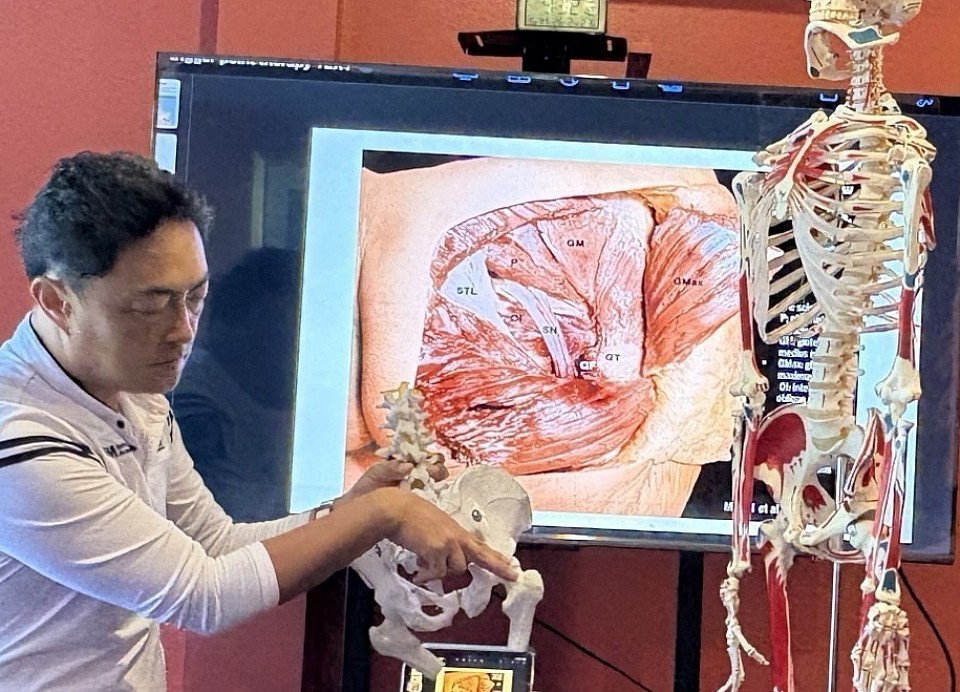
dynamic Myofascial Release Course Chiang mai
In my experience as a sports medicine specialist, addressing the location of pain without understanding the surrounding environment creates only temporary results. The pain a client feels is often not a problem of muscular contractile fiber, but a failure of the gliding surfaces surrounding those fibers. While taking RSM's Trigger Point Therapy Course, students learn that to truly master advanced therapeutic techniques, we must shift our perspective from a muscle-centric model to one that respects the continuity of the entire kinetic chain.
What is Fascia? Beyond Simple Connective Tissue
For years, anatomy textbooks treated this fibrous tissue as mere packing material to be dissected away. We now understand that this continuous web connects every aspect of the body, from the skin surface down to the periosteum of the bone.
This structure is not inert; it is a dynamic, biologically active system. It envelops individual muscle fibers and wraps entire muscle groups. Consequently, when a muscle contracts, it does not just pull directly on the bone. It transmits force laterally through these connective layers. This lateral force transmission ensures that mechanical stress is distributed across a wider area rather than overloading a single insertion point.
However, when this system is compromised, the body suffers. Healthy tissue relies on hydration and the ability of its layers to slide past one another. When trauma or inflammation alters this environment, the layers adhere. This leads to a loss of independent movement between structures, forcing the body to exert more energy to achieve the same range of motion.
The Mechanism Behind Fascia Pain and Dysfunction
Pain arising from this network is distinct from typical muscular soreness. It often presents as a deep, burning, or aching sensation that is difficult for the client to localize. The primary mechanism behind this involves the alteration of the loose connective tissue between fascial layers.
Specialized cells regulate the production of hyaluronan, a lubricant that allows the deep fascia to glide smoothly over the muscle. Under conditions of overuse or immobility, this lubricant becomes viscous and sticky in a process known as densification. As the hyaluronan aggregates, the gliding surfaces essentially become glued together.
This densification traps free nerve endings passing through the layers. When the client attempts to move, these nerves are mechanically irritated, triggering nociceptive signals. Unlike a tear which heals with fibrosis (scar tissue), densification is reversible. Increasing temperature and mechanical shearing through therapy can restore the fluidity of the hyaluronan, alleviating the nerve entrapment.
Distinguishing Myofascial Pain Syndrome from General Soreness
Clinicians often struggle to differentiate between Delayed Onset Muscle Soreness (DOMS) and true myofascial pathology. DOMS is a physiological response to micro-trauma following exertion and typically resolves within 72 hours. Myofascial pain syndrome, however, is a chronic condition characterized by trigger points: hyperirritable spots within a taut band of skeletal muscle.
While the trigger point is located in the muscle tissue, the surrounding fascial stiffness sustains it. The taut band keeps sarcomeres in a state of constant contraction, restricting blood flow and causing a local energy crisis. Treating the trigger point alone without addressing the surrounding fascial adhesions often results in the return of tension. The therapist must address the entire functional unit to break the cycle.
Why Treating Muscles Alone Often Fails
The traditional massage model focuses on kneading the muscle belly to increase circulation. While pleasant, this often fails to resolve chronic musculoskeletal pain because the muscle is often the victim, not the culprit.
Muscles are obedient; they contract when the nervous system tells them to. However, if the connective tissue encasing them is rigid, the muscle is physically prevented from expanding. Imagine trying to inflate a balloon inside a small, rigid box. No matter how much air you pump in, the balloon cannot expand. Similarly, a muscle encased in densified fascia cannot fully relax.
In cases of chronic back pain, the erector spinae muscles often feel hard and hypertonic. A standard approach would be to massage these muscles aggressively. Yet, this “tightness” is often a protective spasm secondary to instability or restricted thoracolumbar fascia. By forcefully relaxing the muscles without restoring the fascial glide, we may inadvertently remove the body’s protective mechanism, leading to increased pain.
Therapeutic Approaches for Long-Term Relief
Effective treatment requires a strategy that respects the distinct physiological properties of connective tissue. Fascia is thixotropic, meaning it becomes more fluid when agitated or heated. Therefore, the goal of therapy is to introduce energy into the system to restore the sol-gel balance.
Myofascial Release (MFR)
This technique involves applying sustained, gentle pressure into fascial restrictions to eliminate pain and restore motion. Unlike deep tissue massage, MFR relies on skin-to-skin contact. The therapist engages the barrier and waits, inviting the collagen fibers to unravel rather than forcing them.
Active Release and Gliding
Another effective method involves pinning the tissue while the client performs a specific movement. This active participation forces the muscle to slide underneath the pinned fascia. This internal shearing force is highly effective at breaking down densifications between the epimysium and the deep fascia, restoring independent gliding surfaces.
The Role of Hydration and Movement
Manual therapy opens the door for healing, but movement keeps it open. We advise clients that fascia relies on movement for hydration. Sedentary postures keep the tissue compressed and dry (“sponge” analogy). Varied, dynamic movement pumps fluid through the fascial matrix, maintaining the viscosity of the hyaluronan.
The RSM International Academy Approach
At our academy, we do not simply teach students to memorize protocols. We teach them to think like clinicians. Understanding the complex relationship between the nervous system, skeletal structure, and the fascial web is fundamental.
We believe that high-quality medicine merges scientific understanding with the art of palpation. When a student learns to distinguish between the tone of a hypertonic muscle and the density of adhered fascia, their success rate with clients improves exponentially. We emphasize that pain relief is not about suppressing symptoms but about restoring mechanical liberty to the system.
Our courses integrate evidence-based sports medicine principles with hands-on mastery. Whether dealing with an elite athlete or a chronic pain patient, the objective remains the same: identify the restriction in the kinetic chain, restore the glide, and re-educate the movement. This comprehensive approach ensures that our graduates are not just massage therapists but true specialists in soft tissue rehabilitation.
Sports Massage Research and Innovations: Bridging Science and Therapy
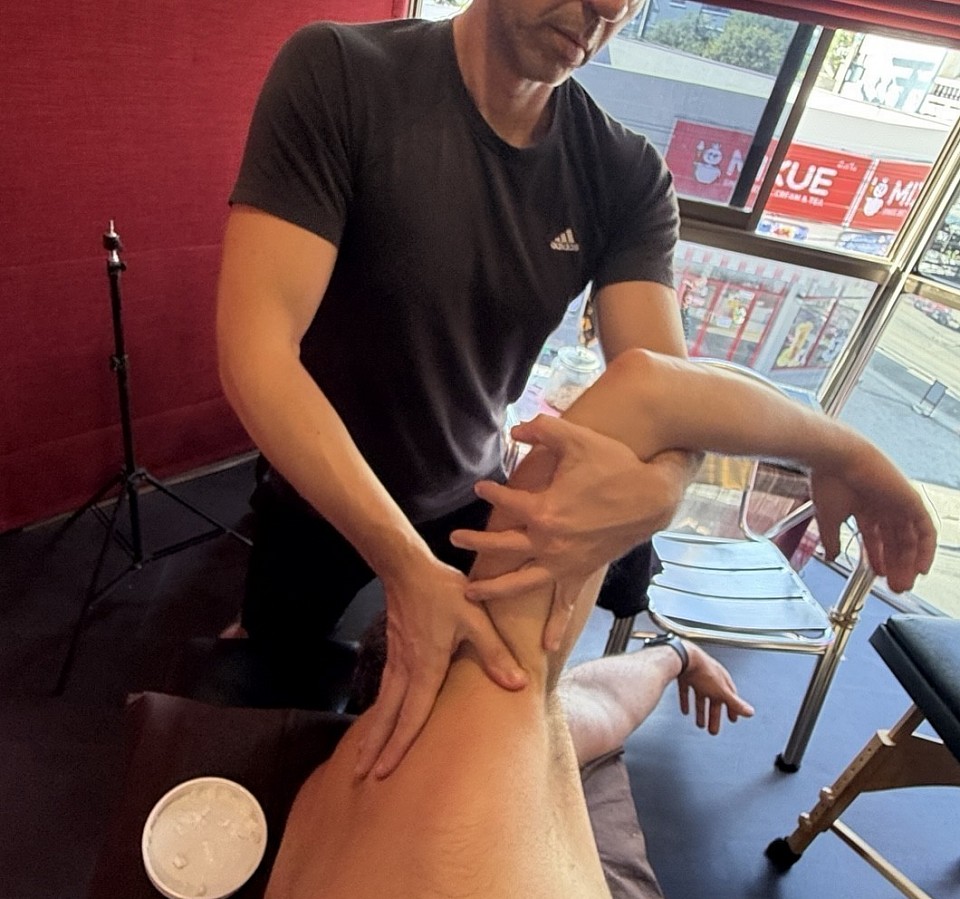
Sports Massage for QSS
For decades, the field of manual therapy operated largely on intuition and tradition. Therapists viewed research as a static set of rules found in textbooks, and missed its critical role in evolving clinical outcomes. In the Sports Massage Course at RSM International Academy's, we teach that to truly master bodywork, a practitioner must understand, and be able to visualize, the cellular changes occurring under their hands.
It is a common belief that the primary benefit of treatment is simply “increasing circulation” or “flushing out lactic acid.” While these concepts have historical roots, modern science tells a far more complex story. The shift from anecdotal evidence to rigorous scientific inquiry has fundamentally changed how we approach sports medicine. Today, we know that the pressure we apply does not just move fluid; it communicates directly with the nervous system and cellular structures. This understanding allows us to treat high-level athletes with the precision required for elite competition.
The Evolution of Scientific Research in Bodywork
In the past, the validation of bodywork relied heavily on patient testimonials. If a client felt better, the therapy was deemed successful. However, the last fifteen years have seen a surge in high-quality investigations into the physiological mechanisms of manual therapy. This transition to evidence-based practice has legitimized the profession within the broader medical community.
We no longer have to guess why a technique works. Sophisticated measuring tools, from muscle biopsies to electromyography, now allow us to observe the specific changes that occur within the tissue. Consequently, the curriculum at RSM is designed to reflect this evolution. We teach students to critically evaluate scientific research and apply it to their clinical reasoning. By understanding the “why” behind a technique, a therapist can adapt to the unique needs of different sports and injuries.
Beyond Circulation: How Massage Techniques Influence Cellular Biology
One of the most profound shifts in our understanding comes from the concept of mechanotransduction. This biological process explains how mechanical loads – such as the compression and tension applied during massage – are converted into chemical signals within the cell.
Mechanotransduction and Tissue Response
When we apply deep pressure to a restriction, we are not just mechanically breaking up “knots.” We are stimulating the extracellular matrix and the cytoskeleton of the muscle cells. Studies suggest that this mechanical signaling can influence gene expression. Specifically, the deformation of the tissue triggers a cascade of intracellular events that can downregulate inflammatory cytokines and upregulate proteins responsible for healing.
This leads to a more nuanced approach to treatment. Instead of simply “rubbing hard” to force a muscle to relax, we visualize the mechanotransduction pathways. We apply specific massage techniques to target the fascial receptors (mechanoreceptors) that modulate muscle tone. This physiological dialogue between the therapist’s hands and the client’s cellular biology is the frontier of modern sports medicine.
Examining the Effect of Sports Massage on Muscle Recovery
Recovery is perhaps the most cited reason for athletes seeking treatment. For years, the prevailing theory was that massage cleared lactic acid from the system. However, latest research has clarified this mechanism. We now understand that active recovery (light movement) is superior for lactate clearance. Conversely, manual therapy shines in its ability to modulate inflammation and cellular repair.
What Studies Reveal About Inflammation and DOMS
A landmark paper by Crane et al. (2012) fundamentally shifted the conversation. This study utilized muscle biopsies to analyze the effects of short-duration massage on quadriceps muscles after intense exercise. The results were illuminating. The researchers found that while massage did not significantly impact muscle glycogen or lactate levels, it drastically reduced the production of inflammatory cytokines like IL-6 and TNF-alpha.
More importantly, the research demonstrated that the treatment promoted mitochondrial biogenesis: the creation of new mitochondria, the powerhouse of the cell. As a result, the muscle tissue was better equipped to repair itself and produce energy. This aligns with findings from a comprehensive meta-analysis by Dupuy et al. (2018), which compared various recovery modalities. The analysis concluded that massage was the most effective intervention for reducing the severity of Delayed Onset Muscle Soreness (DOMS) and perceived fatigue. For muscle recovery, these findings provide a solid foundation for our clinical protocols.
Athletic Performance and Pre-Event Protocols
While recovery is a clear win for manual therapy, the relationship between bodywork and acute performance is more complex. I often have to explain to coaches that a relaxing, sedative treatment right before a race is counterproductive. The goal of pre-event work is not deep relaxation, but neural activation.
Does Massage Therapy Impact Sprint Performance?
The question of whether massage treatments make an athlete faster is common. The data on sprint performance paints an interesting picture. Research indicates that long-duration, passive stretching or deep, sedative massage immediately prior to an event can actually decrease muscle stiffness and force production. This “stiffness” is necessary for the efficient transfer of energy during explosive movements like sprinting.
However, this does not mean we avoid pre-event work. In contrast, we adapt the technique. Short, rhythmic, and stimulating applications can increase local blood flow and proprioception without dampening the neuromuscular drive. We use this understanding to tailor our approach:
- Post-Event: Focus on parasympathetic activation, inflammation modulation, and muscle relaxation.
- Pre-Event: Focus on sympathetic activation, joint mobilization, and increasing tissue temperature.
This distinction is vital for sports performance. A therapist who treats a sprinter the same way they treat a marathon runner post-race risks hindering the athlete’s ability to generate explosive power.
The Role of Fascia in Modern Evidence-Based Practice
The study of fascia has revolutionized how we view the body’s connectivity. We no longer see muscles as isolated pulleys but as part of a continuous tensional network. Deep tissue work, when applied correctly, targets the densified layers of fascia that restrict range of motion.
Modern research into fascial dynamics reveals that this tissue is rich in sensory nerve endings. When deep tissue massage is applied slowly and with shear force, it stimulates the Ruffini endings, which lowers the tonus of the associated motor units. This leads to a global relaxation effect that extends beyond the local area being treated.
At RSM, we emphasize that fascial restrictions in one area, such as the plantar fascia, can transmit tension up the kinetic chain to the hamstrings or lumbar spine. By addressing these connective lines, we can resolve chronic issues that isolated muscle treatments often miss.
Integrating Latest Research into Clinical Application
Translating complex data into practical skills is the core of our teaching philosophy. When I developed the curriculum for RSM, I ensured that every technique taught is grounded in physiological reality. We do not teach “magic hands”; we teach anatomy, physiology, and biomechanics.
For example, knowing that massage therapy modulates inflammation helps us decide when to treat an acute injury. In the acute phase (first 24-72 hours), aggressive work can exacerbate tissue damage. However, gentle lymphatic facilitation can assist in reducing edema. Once the acute phase passes, we can increase the mechanical load to guide the alignment of collagen fibers during the remodeling phase.
This evidence-based approach protects both the therapist and the client. It moves the profession away from guru-based mentorships and toward a standardized, medical model of care. Consequently, our graduates are better prepared to work in hospitals, professional sports teams, and interdisciplinary clinics.
Future Directions in Sports Medicine and Manual Therapy
The future of our field lies in the continued integration of technology and therapy. We are likely to see more studies utilizing elastography to measure tissue stiffness in real-time, allowing therapists to quantify the effects of their pressure.
Furthermore, the psychological aspect of therapy – the “psychobiological” model – is gaining traction. We are learning that the context of the treatment, the therapist’s intent, and the client’s expectations play a massive role in the outcome. Pain is an output of the brain, not just a signal from the tissue. Therapy that addresses the nervous system’s perception of threat is often more effective than mechanical manipulation alone.
For the aspiring sports therapist, the message is clear: never stop learning. The practices we consider standard today may be refined or replaced by new evidence tomorrow. At RSM International Academy, we are committed to staying at the forefront of these developments, ensuring that our students are not just skilled technicians, but informed practitioners of sports medicine.
By embracing scientific research and understanding the physiological realities of muscle and fascia, we elevate the entire profession. We move from being a luxury service to being an essential component of athletic performance and healthcare. This is the standard we set, and this is the future we are building.
